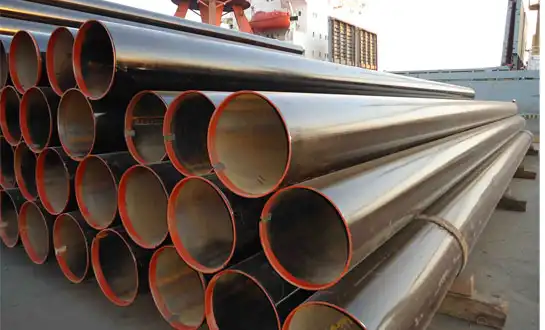
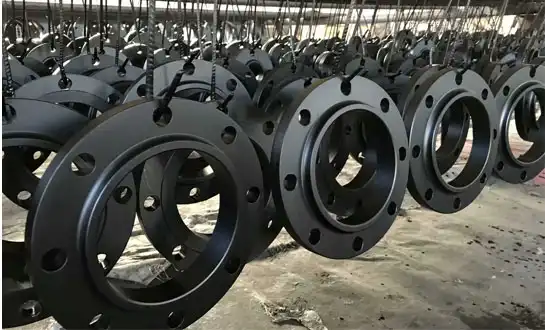
Step-by-Step: Inspection Tips for Ensuring Pipe Quality
For any industrial project, it's quite important to make sure that steel pipes are of good quality. To keep safety, dependability, and performance in a variety of uses, a full steel pipe inspection checklist is necessary. This tutorial will show you the most important procedures and things to think about when it comes to quality assurance for pipes. This will help you lower risks and make sure your projects are successful in the long run. We'll go over all you need to know about checking the integrity of pipes, from simple visual inspections to more advanced non-destructive testing methods. This inspection advice can help you make smart choices and keep your pipeline systems up to the highest standards, no matter if you're an EPC contractor, distributor, or end user.
Why Is Steel Pipe Inspection Important?
Steel pipe inspection is very important for making sure that industrial systems are safe, reliable, and last a long time. This is why it's so important:
Assurance of safety
Thorough inspections help find possible weak spots or problems that could cause major failures. This is especially crucial when using pipes in high-pressure or dangerous materials, where the integrity of the pipe is very important.
Cost Effectiveness
Inspections may seem like an extra cost, but in the long run, they save money. Finding problems early on prevents expensive downtime, repairs, or replacements that could happen if you use bad materials.
Following the rules
A lot of businesses have to follow tight rules on the quality and safety of their materials. Regular checks make sure your pipes fulfill these standards, which helps you avoid penalties or legal problems.
Improving Performance
Pipes that have undergone strict examinations work better and more consistently. This makes your operations run more smoothly and means you won't have to do as much maintenance over time.
Reducing Risk
You greatly lower the chance of system failures, environmental harm, or accidents at work by carefully checking pipes before putting them in. This keeps your employees, assets, and reputation safe.
Knowing how important it is to inspect steel pipes is the first step in putting in place a strong quality assurance strategy. Now, let's go into the details of a full steel pipe inspection checklist.
Steel Pipe Inspection Checklist Explained
A complete checklist for inspecting steel pipes is your guide to making sure they are of good quality. Here is a full list of what to include:
Surface observation
Begin by carefully looking at the pipes:
- Look for cracks, dents, or rust on the surface.
- Look at the ends of the pipes to see if they are round and smooth.
- Check to see that the marks and identification are correct.
- Check for any signs of damage from being handled or moved.
Checking the dimensions
Make sure the pipes are the right size:
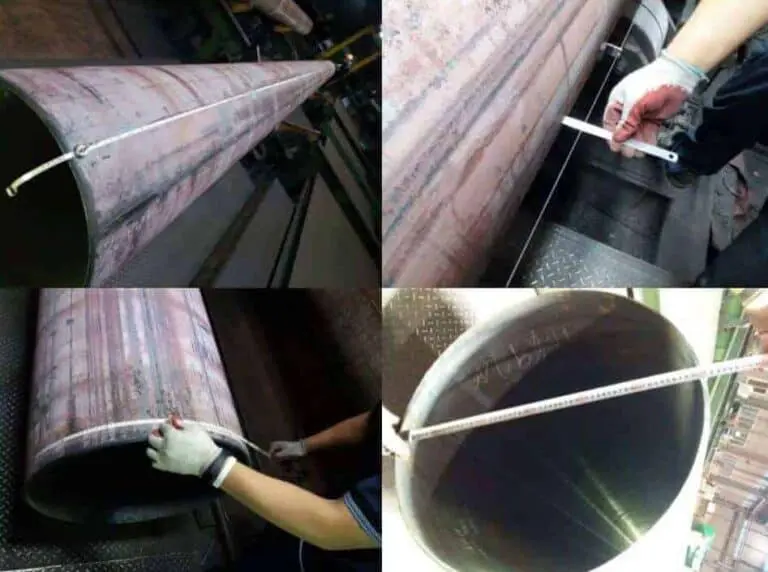
- At several spots, measure the wall thickness and exterior diameter.
- Check the length and straightness of the pipe
- Check the end squareness and beveling if it applies.
Analysis of the composition of the material
Check that the pipe material meets the necessary standards:
- Check the chemical makeup of mill test certificates
- If necessary, do spot inspections with portable spectrometers.
- Check the heat treatment processes if they are needed
Testing of Mechanical Properties
Check how strong and long-lasting the pipe is:
- Check the results of the yield strength and tensile strength tests
- Look over the reports for the hardness test.
- Check the results of the impact test for use at low temperatures.
Testing that doesn't destroy things (NDT)
Use advanced testing techniques to find hidden problems:
- Ultrasonic testing to check for wall thickness and flaws within
- Magnetic particle inspection for defects on and near the surface
- Radiographic testing to check the strength of welds in welded pipes
Testing for Hydrostatic Pressure
Check to see if the pipe can handle the pressures it will be under:
- Follow the rules for pressure tests (such as API and ASTM)
- While testing, keep an eye out for leaks or changes in shape.
- Keep track of test settings and outcomes
Checking the Coating and Lining
Check the protective layers on coated or lined pipes:
- Look at how thick the coating is and how well it sticks.
- Check the coating for defects or flaws.
- Check that it works with the conditions it will be used in.
Review of the documents
Check that all the paperwork is in order:
- Check the documentation that shows where the materials came from
- Check compliance certificates to make sure they meet the right criteria.
- Look over the quality control documents from the factory
You can make your quality assurance procedure a lot better by going through this steel pipe inspection checklist step by step. But just completing a checklist isn't enough to make sure that the quality stays the same. Let's talk about how to keep excellent standards in all parts of your pipe buying and installation procedure.
How to Ensure Consistent Steel Pipe Quality?
To keep the quality of steel pipes the same, you need to do more than just check them one at a time. It needs a whole-system strategy that includes partnerships with suppliers, ongoing monitoring, and constant development. Here are some important ways to make sure that quality stays high:
Make strong partnerships with your suppliers
Build partnerships with reliable suppliers who are known for their high-quality goods and services. Think about this:
- Check providers out based on their quality certifications, such as ISO 9001.
- Check the quality control measures of your suppliers by doing regular audits.
- Work closely with your suppliers to quickly fix any quality problems.
Set up a strong quality management system
Create and keep up a whole quality management system that includes all parts of buying and using pipes:
- Set defined quality standards and requirements for all types of pipes
- Set up written rules for checking, testing, and accepting things.
- Teach employees about quality assurance and why it's important to follow the rules.
Use advanced inspection tools
To improve your quality control skills, get current inspection tools and technologies:
- Use automated inspection technologies to make things more accurate and efficient.
- Use data analysis to find patterns and any problems with quality.
- Think about using IoT sensors to keep an eye on the pipes you have installed in real time.
Regularly train and improve your skills
Make sure your team knows the most up-to-date inspection methods and industry standards:
- Give people continual training on how to use inspection tools and methods
- Encourage people to get certified in quality assurance domains that are relevant.
- Encourage a culture of always learning and getting better.
Keep Detailed Records
To maintain track of quality throughout time, it's important to keep good records:
- Set up a strong system for keeping track of and finding inspection records.
- Look at old data on a regular basis to find trends or problems that keep coming up.
- Make sure that every pipe can be traced from the time it was made to the time it was installed.
Do Monitoring After Installation
Quality control doesn't stop after installation. Start using monitoring procedures that are ongoing:
- Make a plan for regular checks of installed pipes
- Use predictive maintenance methods to figure out when things might go down.
- Get input from end users about how the pipes are working and deal with any problems right away.
You may greatly improve the consistency and reliability of your pipe quality by using these tactics combined with a complete steel pipe inspection checklist. This method not only lowers hazards, but it also makes your industrial systems work better and last longer.
Conclusion
For any industrial project to be successful and safe, it is important to make sure that the pipes are of good quality by doing thorough inspections and following consistent quality management methods. You may lower risks, improve performance, and gain the trust of your stakeholders by using a complete steel pipe inspection checklist and quality assurance procedures.
Keep in mind that quality isn't only about meeting requirements; it's also about providing solutions that are safe, reliable, and efficient that last. Investing in extensive pipe quality assurance pays off in the long run, whether you're an EPC contractor in charge of big projects or an end-user trying to keep your facilities running smoothly.
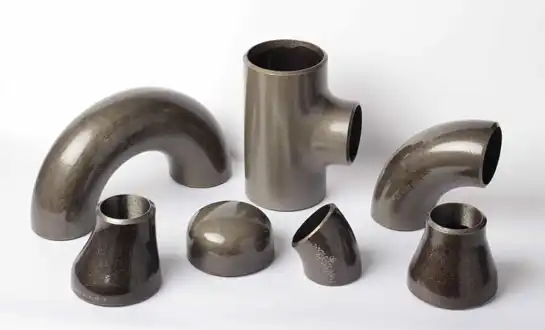
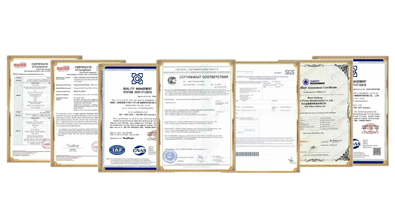
If you require steel pipes and fittings that always satisfy the highest standards, HEBEI RAYOUNG PIPELINE TECHNOLOGY CO., LTD is ready to help. We have a wide choice of items, such as buttweld steel elbows, reducers, and flanges, to make sure that all of your pipeline needs are met with safe and dependable connection points. We are committed to quality, and our GOST-R and SGS certificates prove that we follow export rules and meet quality standards.
Frequently Asked Questions
1. How often should you check steel pipes?
The number of times steel pipes need to be checked depends on things like the environment they are used in, the pressure conditions, and the rules that apply to them. Most of the time, a full inspection should be done at least once a year, and visual inspections should be done more often, at least once every three months. But applications that are high-risk or important may need to be checked more often. The easiest way to find out what the ideal inspection schedule is for your needs is to look at industry standards and local laws.
2. What are the most typical problems that steel pipe inspections find?
Some of the most common problems seen during steel pipe inspections are corrosion (inside and outside), cracks, dents, wall thinning, and manufacturing errors like laminations or inclusions. Welded pipes often have problems with the welds as well. The kind and number of flaws can change based on the type of pipe, how it was made, and how it is used. Regular inspections with a full steel pipe inspection checklist help find these problems early.
3. After installation, can problems with the quality of the pipe be found?
Yes, there are a number of non-destructive testing procedures that can find quality problems after installation. Ultrasonic testing, magnetic flux leakage, and radiographic examination are among the methods that can find interior corrosion, wall thinning, and other problems without having to take the pipes out. Also, technologies like pressure testing and leak detection can show problems with the integrity of pipes. But it's always best to do complete inspections before installation to avoid expensive repairs and other safety risks.
Expert Steel Pipe Inspection Services | RAYOUNG
We at HEBEI RAYOUNG PIPELINE TECHNOLOGY CO., LTD know how important it is to have high-quality pipes for your industrial projects to be safe and work well. With the help of cutting-edge equipment and the strictest quality standards, our team of skilled professionals is ready to offer full inspection services.
RAYOUNG is the company you can rely on for help with pre-installation inspections or continuous quality assurance. We offer a wide range of services, from simple visual inspections to more advanced non-destructive testing, including a detailed steel pipe inspection checklist, to make sure that every pipe meets or exceeds industry standards.
Don't take a chance on the safety of your pipeline infrastructure. Email us at admin@chinajsgj.com to find out more about our professional inspection services and how we can help protect your investments. When you choose RAYOUNG, you're choosing a partner who is dedicated to making sure that every component of pipe quality assurance is done well.
References
1. American Petroleum Institute. (2018). API Specification 5L: Specification for Line Pipe. Washington, DC: API Publishing Services.
2. ASTM International. (2020). ASTM A106/A106M-19a: Standard Specification for Seamless Carbon Steel Pipe for High-Temperature Service. West Conshohocken, PA: ASTM International.
3. Bai, Y., & Bai, Q. (2014). Subsea Pipeline Integrity and Risk Management. Waltham, MA: Gulf Professional Publishing.
4. National Association of Corrosion Engineers. (2019). NACE SP0169-2013: Control of External Corrosion on Underground or Submerged Metallic Piping Systems. Houston, TX: NACE International.
5. Singh, R. (2017). Pipeline Integrity: Management and Risk Evaluation. Houston, TX: Gulf Professional Publishing.
6. The American Society of Mechanical Engineers. (2019). ASME B31.3-2018: Process Piping. New York, NY: ASME.

Need a quote? Want to see samples? Just say hello. We’re friendly. We’re fast. And we’re ready when you are.
Welcome to RAYOUNG – Strong Pipes, Stronger Promise