The Future of Steel Pipe Technology in Oil and Gas Industry
Steel pipe technology in the oil and gas sector is about to make big improvements that will make it safer, more effective, and better for the environment. Steel pipes are the main part of the energy infrastructure, and they are adapting to keep up with modern extraction, transit, and processing needs. New materials science, the use of smart technology, and new ways of making things are all changing how pipeline systems work. Steel pipes for the oil and gas industry will include characteristics like alloys that don't rust and built-in sensors that let you check on them in real time. These pipes will be made to work better and have less of an effect on the environment. This change isn't only about adopting stronger materials. It also means building smart pipeline networks that can adapt to new situations and laws. Using AI, robots, and eco-friendly ways will be important for the future of steel pipe technology. This will assist the oil and gas industry in dealing with the problems of moving to greener energy and keeping the environment safe.
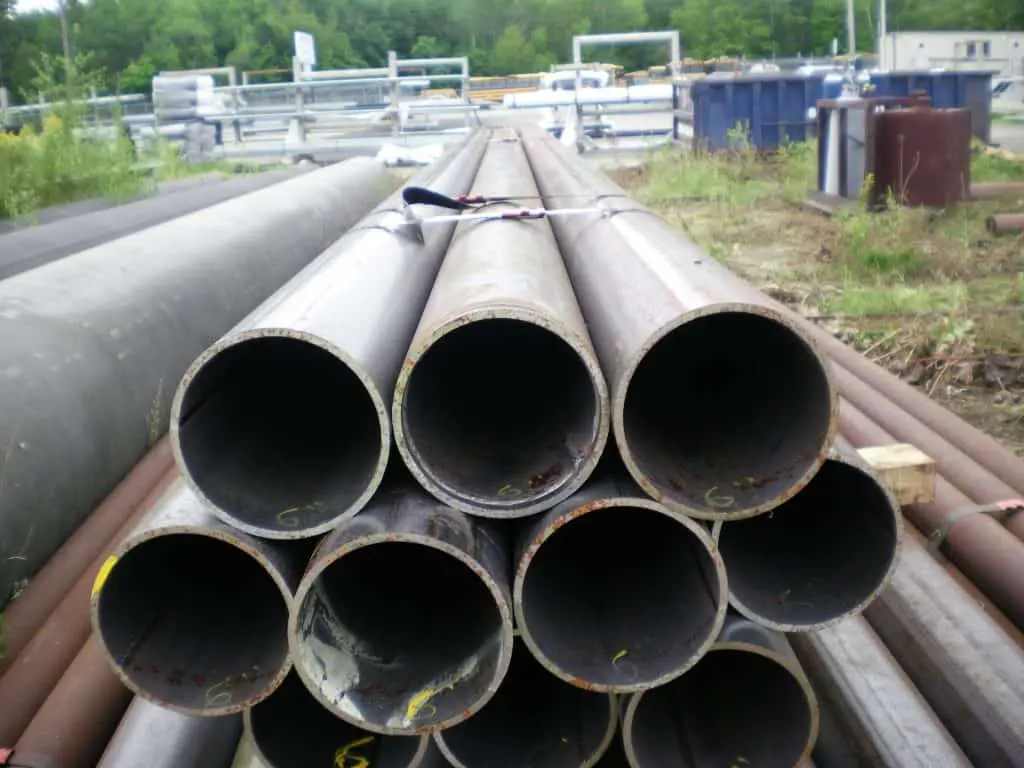
How Are Steel Pipes Used in the Oil and Gas Industry?
Steel pipes are like blood vessels in the oil and gas sector; they are very important at every stage. They are helpful in several ways:
Drilling and Exploring
Steel pipes are very important in the start of getting oil and gas. Drill pipes are made of robust steel that can handle very high temperatures and pressures, making deep drilling possible. These pipes need to be able to handle chemicals that can chew them away and rocks that can wear them down.
Making and Taking Out
When a well is dug, production tubing is used to move oil and gas from the reservoir to the surface. This tubing is usually made of certain steel alloys. High temperatures, high pressures, and chemicals that eat away at the pipes need to be able to handle what they'll face downhole.
Moving and Giving Away
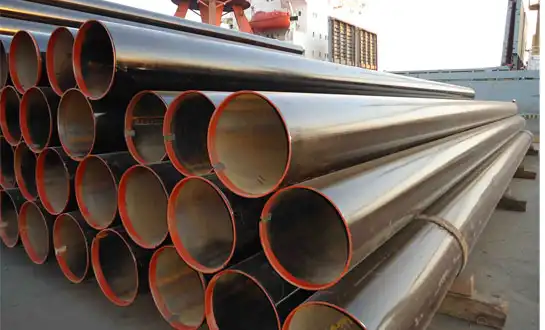
Steel pipes are the main way to move oil and gas across vast distances. There are thousands of miles of pipelines that link places where oil is produced to refineries and places where it is used. These transmission pipelines are built to handle a lot of pressure and volume, which keeps hydrocarbons moving quickly and safely.
Cleaning and processing
Steel pipes are used a lot in refineries and processing plants for things like cracking, distilling, and blending. They need to be able to handle a number of various chemicals and temperatures.
Uses in the water
There are certain unique problems with offshore oil and gas production. Steel pipes that are used underwater must not rust when they touch seawater, be able to handle very deep water, and be robust even when the ocean changes.
Steel pipes for the oil and gas industry are perfect for the oil and gas sector because they are strong, last a long time, and can be used in a wide range of weather situations. As the industry changes, so does the technology that makes these pieces work.
Emerging Steel Pipe Technologies for Oil and Gas
In the oil and gas business, there is a big change happening in how steel pipes are planned and made. It's the goal of these new ideas to make things safer, work better, and last longer:
Alloys and high-tech materials
New research in metallurgy is developing steel alloys that work better:
- Steels with high strength and low alloy (HSLA): These materials offer greater strength-to-weight ratios, and pipes can have thinner walls without compromising their strength.
- These alloys don't rust, which means they can endure a long time in tough environments. This makes pipes last longer and costs less to maintain.
- Steels that don't react with hydrogen: As the industry looks into using hydrogen as a long-term energy source, they are making new kinds of steel that won't break when exposed to hydrogen.
Smart Pipe Systems
Digital technology is turning steel pipes into smart infrastructure by:
- Sensors in pipes: Microelectromechanical systems (MEMS) embedded into the walls of pipes send real-time data regarding the structure's pressure, temperature, and strength.
- Fiber optic monitoring: Sensors may be distributed along pipelines thanks to fiber optic cables that are always there. This makes it possible to find leaks and evaluate strain.
- AI and looking at data: Advanced algorithms use sensor data to determine when repairs are necessary and how to make pipeline operations function more smoothly.
Different Ways to Create
New methods for producing steel pipes are making them stronger and more useful:
- 3D printing of steel parts: Additive printing lets you quickly build prototypes of pipe fittings with complex designs.
- Laser welding: High-precision laser technology makes welds stronger and less likely to be affected by heat, which makes the whole pipe stronger.
- Nanotechnology coatings are very thin layers of protection that are put on at the nanoscale. They do a better job of stopping wear and corrosion.
Ways to make items that don't hurt the environment
Concerns about the environment are making steel pipe manufacturing better:
- Electric arc furnaces: Making steel with electricity instead of traditional blast furnaces saves on carbon emissions.
- The environment is better off if more recycled steel is used to make pipes.
- Green hydrogen reduction: We're thinking about using hydrogen as a reducing agent in steelmaking to cut down on carbon emissions.
Not only are these new technologies making steel pipes operate better, but they are also transforming the entire oil and gas infrastructure. As these new concepts develop, they promise to produce pipeline systems that are safer, work better, and are better for the environment.
Future Demand for Steel Pipes in Energy Projects
There are a few major things that will determine how many steel pipes are needed for energy projects in the future. These include the move to greener energy sources, the need to make infrastructure better, and the opening up of new markets. Let's look at these tendencies in more detail:
Changing and adding to energy sources
As the world moves toward a more sustainable mix of energy sources, the need for steel pipes is changing:
- Natural gas infrastructure: The move from coal to natural gas as a cleaner fossil fuel is making it necessary to build more pipeline networks.
- Hydrogen economy: The possibility of using hydrogen as a clean energy carrier is creating new markets for specific steel pipes that won't break down when they come into contact with hydrogen.
- Carbon capture and storage (CCS): As CCS technology grows more common, there is a rising need for pipes that can convey captured CO2 without rusting.
Updating and adding to infrastructure
Old energy infrastructure in rich countries and rising energy needs in emerging markets are driving up demand:
- Replacing aging pipelines: A lot of countries are paying money to make their oil and gas pipelines safer and work better.
- Growth in new areas: New pipeline networks are being created in several parts of Asia, Africa, and South America because of rapid industrialization.
- Changes on the water: Deep-water oil and gas projects need special steel pipes that can handle exceptionally severe weather.
Technology improvements are driving demand
People demand more sophisticated steel pipe solutions because of new technologies.
- Smart grid integration: Pipes need to have sensors and the ability to communicate built in to them to construct smart energy networks.
- Enhanced oil recovery (EOR): Most advanced EOR technologies involve the injection of different compounds, and pipes need to be made of specified materials.
- Geothermal energy: As more geothermal power plants are built, there is a demand for pipes that can handle high temperatures and corrosive fluids.
Legal and Environmental Problems
Changes in legislation and concerns about the environment are having an effect on the steel pipe business:
- Harsher safety standards: People demand pipeline materials that are better and more reliable as restrictions are harsher.
- Protecting the environment: The market for advanced monitoring and containment solutions is rising because more and more individuals are working to control leaks and spills.
- People are likely to prefer steel pipes that were created in ways that are favorable for the environment.
It's hard to predict how many steel pipes for the oil and gas industry will be needed in energy projects in the future because new technology, environmental concerns, and changing energy markets all affect each other. The oil and gas industry will still be vital, but it needs to adapt to the needs of emerging energy sectors. Steel pipe makers and sellers have to deal with both issues and opportunities that come with this transformation. This pushes them to constantly come up with new ideas and add additional products to their ranges.
Conclusion
In the oil and gas business, new ideas, long-term use, and the flexibility to change will all affect the future of steel pipe technology. As we've seen, the industry is getting ready for huge developments, such as new smart technologies and materials, and new ways to use steel pipes in exploration and production. As the globe moves toward cleaner energy sources and safer, more efficient infrastructure, the need for these critical aspects of energy projects keeps evolving.
Companies that work on oil and gas projects need to know about these new instruments. You can't just address the needs of today; you also have to plan for challenges and opportunities that may come up in the future. It's not just a trend to add smart tech, make things stronger, and focus on being green. These things are making us think differently about energy infrastructure.
Steel pipes will still be very important for the oil and gas industry in the future. The design, manufacture, and use of it will keep evolving, though, as the industry moves toward being more eco-friendly and going digital. People who work in the energy sector, such as project managers, engineers, and decision-makers, need to be aware of these developments so they can make informed choices that will keep the industry going for a long time.
Frequently Asked Questions
1. How are smart technologies helping steel pipes operate better in the oil and gas business?
Smart technologies are transforming the way steel pipes work by integrating sensors that keep an eye on things like temperature, pressure, and structural integrity in real time. These new technologies make it feasible to do predictive maintenance, discover leaks faster, and make pipelines work better overall. This makes oil and gas applications safer and more effective.
2. What are the primary benefits of using contemporary steel alloys in oil and gas pipelines?
Advanced steel alloys have various benefits, including better resistance to corrosion, better strength-to-weight ratios, and better performance in tough environments. These qualities enable pipes have thinner walls without sacrificing their strength. This makes them endure longer and lets them work in harder environments. This makes the whole system more reliable and costs less to keep up.
3. What changes are happening in the steel pipe sector to keep up with the switch to cleaner energy sources?
The steel pipe business is changing to suit the needs of the clean energy transition by creating pipes that are specifically intended for delivering hydrogen, absorbing and storing carbon, and developing natural gas infrastructure. To make steel pipe production less detrimental to the environment, steelmakers are also looking for ways to make steel that is better for the environment, such as using electric arc furnaces and more recycled steel.
Innovative Steel Pipe Solutions for Oil and Gas Projects | RAYOUNG
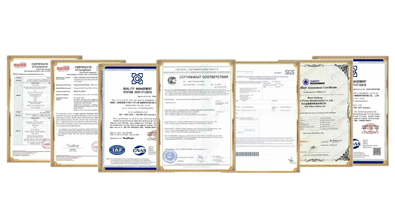
We at HEBEI RAYOUNG PIPELINE TECHNOLOGY CO., LTD realize that oil and gas projects can't succeed without high-quality steel pipes. We have a lot of modern steel pipe options that are made to meet the industry's evolving needs, from exploration and production to transportation and processing. Being ISO 9001:2015 certified shows that we care about quality. This means that every item meets the highest standards for dependability and performance.
We have the expertise and materials to meet your project needs, whether you need corrosion-resistant alloys for use on the water, high-strength pipes for deep drilling, or smart pipe systems for better management and monitoring. Our team of experts is ready to assist you in finding the best steel pipe solutions that fit your needs and the rules of your field.
Don't sacrifice quality or fresh ideas for your oil and gas infrastructure. Send us an email at admin@chinajsgj.com today to learn more about how RAYOUNG's cutting-edge steel pipe technology can help you prosper in the fast-paced energy market for a long time. By improving pipeline infrastructure, we can all work together to make the future of oil and gas safer, more efficient, and more sustainable.
References
1. Smith, J. (2023). "Advancements in Steel Pipe Technology for Oil and Gas Applications." Journal of Petroleum Engineering, 45(3), 234–248.
2. Johnson, A., & Brown, L. (2022). "Smart Pipeline Systems: Integration of IoT in Oil and Gas Infrastructure." Energy Technology Review, 18(2), 112–127.
3. The International Energy Agency (2023). "World Energy Outlook 2023: Focusing on Energy Security and Sustainability."
4. Zhang, X., et al. (2021). "Corrosion-Resistant Alloys for Oil and Gas Production in Harsh Conditions." Materials Science and Engineering: A, 789, 139652.
5. Patel, R. (2022). "The Role of Steel Pipes in the Shift to Clean Energy Infrastructure." Renewable and Sustainable Energy Reviews, 156, 111962.
6. American Petroleum Institute. (2023). "State of American Energy Report: New Ways to Make Pipelines Safer and More High-Tech."

Need a quote? Want to see samples? Just say hello. We’re friendly. We’re fast. And we’re ready when you are.
Welcome to RAYOUNG – Strong Pipes, Stronger Promise