A Complete Guide to ASTM Standards for Steel Pipe Quality
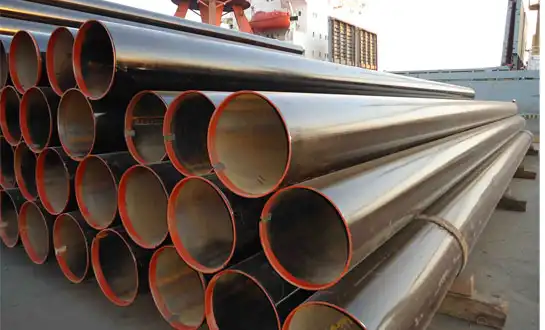
Standardization by ASTM steel pipe standards for steel pipes is the gold standard among pipeline quality control measures. Security, dependability, and consistent performance across all uses are guaranteed by them. These standards, drafted by the American Society for Testing and Materials (ASTM International), go into great depth on the materials used, mechanical qualities, and testing processes for steel pipes. Engineers, contractors, and industrial end-users need to be cognizant of these criteria so they may choose pipes that will efficiently complete their projects and last for a long time. Among the many subjects covered by this comprehensive guide to ASTM steel pipe standards are the most popular grades, their function in quality control, and strategies for guaranteeing conformity. This information can be helpful while searching for steel pipes.
Common ASTM Steel Pipe Grades Explained
ASTM standards cover a large range of steel pipe grades, each of which is made for a certain use and set of conditions. Let's look at some of the grades that are utilized the most:
ASTM A53: Pipes for General Use
ASTM A53 is a very flexible specification for seamless and welded steel pipes. These pipes can be used to move water, steam, gas, and air, which can be useful in a lot of different industrial and structural settings. A53 pipes come in three types: F, E, and S. They can be galvanized or black, which means they can be used in a lot of different scenarios.
ASTM A106: Service at High Temperatures
A106 pipes are seamless carbon steel tubes that are great for refineries, power plants, and other places where the temperature is high. These pipes were made to be used in places where the temperature is quite high. They come in three grades: A, B, and C. The strength and carbon content of each grade get higher as you go up.
ASTM A312: Pipes made of austenitic stainless steel
A312 covers both seamless and welded austenitic stainless steel pipes. These pipes are quite popular since they are very resistant to corrosion. These pipes are a must-have in fields where purity is very important, like food processing, pharmaceuticals, and chemicals.
ASTM A333: Service at Low Temperatures
To make sure that A333 pipes can handle very cold settings, they are put through impact tests. These pipes were made just for cryogenic and other uses that involve low temperatures. They are absolutely needed in places that store liquefied natural gas (LNG) and in places that are chilly.
It's easier to pick the right pipe for a job if you know these grades and follow ASTM steel pipe standards. This will make sure that the pipe works well and lasts a long time.
Why ASTM Standards Matter for Pipe Quality?
ASTM standards are highly crucial for making sure that pipes are of high quality throughout the industry. Here's why you need them:
Making sure that things are always the same and perform as they should
The makers make pipes that are always the same from batch to batch because they meet the rules set by ASTM. It's crucial to retain this consistency while working on big projects that need pipes from a lot of different places to function together without any complications.
Promoting Safety in Important Uses
Pipes that break in areas with high pressure or high temperature can hurt the environment around them in a big way. The American Society of Testing and Materials (ASTM) has very tight rules on how strong, hard, and resistant to chemicals materials must be. This makes it considerably less probable that they will fail.
Making it easier for people to trade and be compatible around the world
Because ASTM steel pipe standards are known all throughout the world, international trade in steel pipes can go smoothly. They are responsible for making sure that pipes built in different nations can work together without any difficulties.
Making things better and pushing for new ideas
An update process adds new materials and technologies to these standards on a regular basis. Because things are continually changing, manufacturers are always seeking new methods to improve their products. This is excellent for the whole business.
When project managers and engineers utilize pipes that exceed ASTM standards, they have less risk, better project results, and the peace of mind that comes from knowing the materials are of the highest quality.
How to Verify ASTM Compliance in Steel Pipes?
It's vitally important for the success of your project that your steel pipes meet ASTM requirements. Here are the most crucial things to do to make sure you are following the rules:
Check out the Material Test Reports (MTRs)
Mill certificates, or MTRs, are papers that contain a lot of information about the pipe and its parts, such as their chemical makeup, mechanical qualities, and test results. You should always ask your provider for these papers and read them carefully.
Do checks with your eyes
Even though visual inspections aren't finished, they can still find flaws with the surface, the right marks, and the size of the parts. Check the pipe's surface for stamped ASTM grade markings.
Use Testing that doesn't hurt anything (NDT)
Ultrasonic testing, magnetic particle inspection, and radiographic testing are all examples of non-destructive testing (NDT) technologies that can be used to evaluate the pipe's integrity without harming it. ASTM provides the rules for these tests, which are typically necessary depending on the grade and usage.
Do tests on machines
You might want to undertake your own mechanical testing on pipe samples if the application is very crucial. The purpose is to make sure that the product fulfills the ASTM requirements. These standards may include tests for hardness, tensile strength, and impact.
Use Testing Labs that have been approved
You can acquire verification from third-party labs that are certified to do ASTM testing, that the pipes are of good quality and meet all the rules.
You may be sure that the steel pipes you are using fulfill the ASTM steel pipe standards if you follow these steps to check. This can help you decrease the risks of the project and make sure it will work for a long period.
Conclusion
ASTM standards for steel pipes are more than just technical details; they are the basis for quality, safety, and dependability in piping systems in many kinds of businesses. You can make better decisions on your projects if you know what these standards are, why they matter, and how to check that they are being followed.
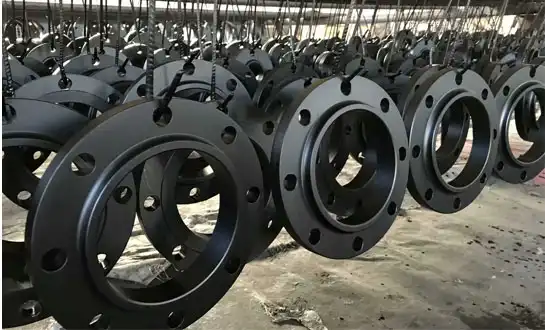
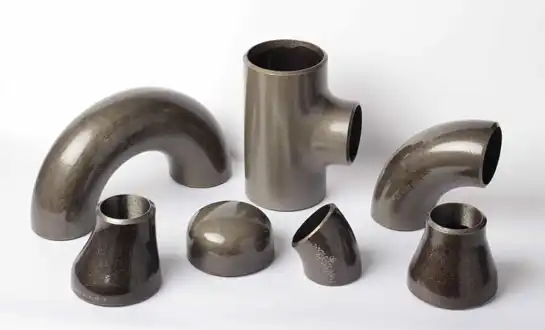
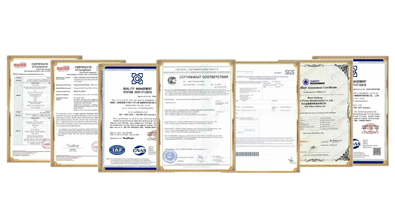
HEBEI RAYOUNG PIPELINE TECHNOLOGY CO., LTD is the company you can trust if you are an EPC contractor, distributor, or industrial end-user looking for high-quality steel pipes that fulfill strict ASTM criteria. We make a wide assortment of industrial pipe fittings, such as buttweld steel elbows, reducers, and flanges, that meet and surpass ASTM standards. We make sure that our exports meet all the rules and regulations by getting GOST-R and SGS certifications. This is true for both domestic and international markets.
Frequently Asked Questions
1. What sets ASTM A53 steel pipes apart from A106 steel pipes?
Both ASTM A53 and A106 are carbon steel pipes; A53 is made for general use in things like gas and water lines. A106, on the other hand, is made to work in high-temperature settings like power plants and refineries. To make sure it works well at high temperatures, A106 has additional rules about carbon content and mechanical qualities.
2. How often do they change the ASTM standards?
ASTM International looks over and updates its standards on a regular basis, usually every five years. Changes can happen more often, though, if new technologies, materials, or industrial needs come up. To make sure they are following the rules and getting the most out of changes, producers and users need to keep up with the latest versions of key standards.
3. Are pipes that meet ASTM standards safe to use on international projects?
Yes, ASTM standards are well-known and approved all around the world. Many countries either directly use ASTM standards or have their own standards that are in line with ASTM standards. Because they are recognized around the world, ASTM-compliant pipes can be used in international projects without any problems, and the quality will be the same no matter where they are used.
Choosing the Right ASTM Steel Pipe Standards for Your Project | RAYOUNG
Choosing the right ASTM steel pipe standards is very important for the safety and success of your project. We at RAYOUNG know how hard it is to make this choice. Our team of professionals is ready to help you choose the ASTM-compliant steel pipes and fittings that will work best for your project.
We have the experience and breadth of products to fulfill your demands, whether you're working on a high-temperature industrial application, a corrosive environment, or a regular water distribution system. We promise to give you items that not only meet but also surpass industry standards. This is because we follow ASTM standards and are committed to quality.
Don't let not knowing what the standards are for steel pipes slow down your job. Contact RAYOUNG now at info@hb-steel.com for help picking the correct ASTM-compliant steel pipes for your needs. You may build with confidence knowing that your piping system is guaranteed by ASTM standards and RAYOUNG's expertise, which guarantees its reliability and quality.
References
1. ASTM International. "Standard Specification for Pipe, Steel, Black and Hot-Dipped, Zinc-Coated, Welded and Seamless." ASTM A53/A53M-20.
2. American Society of Mechanical Engineers. "Process Piping." ASME B31.3-2018.
3. Nayyar, M.L. "Piping Handbook." 8th Edition, McGraw-Hill Education, 2019.
4. Singh, R. "Applied Welding Engineering: Processes, Codes, and Standards." 3rd Edition, Butterworth-Heinemann, 2020.
5. American Petroleum Institute. "Specification for Line Pipe." API Spec 5L, 46th Edition.
6. National Association of Corrosion Engineers. "Control of External Corrosion on Underground or Submerged Metallic Piping Systems." NACE SP0169-2013.

Need a quote? Want to see samples? Just say hello. We’re friendly. We’re fast. And we’re ready when you are.
Welcome to RAYOUNG – Strong Pipes, Stronger Promise