How to Choose High-Temperature Piping Material for Your Plant?
Choosing the right high-temperature piping material involves evaluating thermal capacity, mechanical strength, corrosion resistance, and compliance with industry standards such as ASME B16.9 and EN 10253. The decision impacts safety, operational uptime, and total cost of ownership. Materials like chrome-molybdenum alloys, stainless steel grades (310S, 321, 347H), and specialized nickel-based alloys offer varying degrees of creep resistance and oxidation protection. Proper material selection aligned with your plant's operating conditions—including pressure loads, thermal cycling, and chemical exposure—ensures long-term reliability and minimizes catastrophic failures in critical applications.

Understanding High-Temperature Piping Materials: Key Characteristics and Properties
To choose materials for extreme temperatures, you need to know a lot about how metals behave under stress. Not only does high-temperature piping material have to be able to handle high temperatures, it also has to keep its shape during cycles of thermal expansion and contraction.
Maximum Temperature Ratings and Thermal Stability
Materials exhibit varying responses to elevated temperatures. Chrome-molybdenum alloys, such as ASTM A234 WP91, are commonly used for high-temperature service around 600°C, while carbon steel is generally limited to lower-temperature service depending on the applicable design code and operating conditions. Stainless steel grades such as 310S and 347H retain useful high-temperature properties at temperatures approaching 850°C, although allowable stresses depend on the grade, service conditions, and applicable design code. This makes them perfect for use in petrochemical ovens and steam headers. Nickel-based alloys, such as Inconel 625, can provide useful high-temperature performance at temperatures approaching 1000°C, although continuous service at such temperatures requires application-specific evaluation. Knowing these limits stops materials from breaking down too quickly and stops unexpected downtime.
Corrosion Resistance and Mechanical Strength
Oxidation and scaling are persistent challenges in elevated-temperature environments. Chromium alloying facilitates the formation of protective oxide layers that halt progressive corrosion. Materials must also be able to avoid being carburized in refinery atmospheres that are high in hydrocarbons. A fitting's ability to sustain loads under continuous stress at elevated temperatures is defined by its creep strength, as determined through creep-rupture testing. When superheated steam is used to make electricity, this property is very important because the pressure is higher than 250 bar.
Compliance with International Standards
Following the requirements of ASME B16.9, EN 10253, and applicable GOST standards helps ensure dimensional conformity, while material traceability depends on the applicable material specification and quality documentation. Certifications and conformity assessments such as ISO 9001:2015 and CE/PED 2014/68/EU demonstrate compliance with applicable quality management or regulatory requirements. For big industrial projects, groups like NIOC, ADNOC, and PETROBRAS often need to approve the products and make sure they meet strict safety and performance standards. These certifications mitigate procurement risks and facilitate project approvals.
Key Factors to Consider When Selecting High-Temperature Piping Materials
Making smart material choices means looking at a lot of different operating factors that have a direct effect on how well the system works and how long it lasts. The choosing method takes both technical and financial needs into account.
Operating Conditions and Environmental Exposure
Extremes of temperature are only one variable when selecting a high-temperature piping material. Repeatedly heating and cooling something causes fatigue that can crack cheaper materials. The chemicals in the fluids being moved are very important; sulfur-containing compounds can accelerate corrosion or sulfidation in some metals under specific process conditions. When figuring out pressure ratings, you have to think about both steady-state processes and short-term spikes that happen during starting or emergency shutdowns. Environmental factors, such as the amount of oxygen and pollution in the air, also affect how long something lasts.
Material Performance Metrics
Evaluating thermal expansion coefficients enables the accurate prediction of dimensional changes and stress concentrations at joints. When the expansion rates of two materials don't meet, leaks or fitting failures can occur. Oxidation resistance controls the loss of wall thickness over time, which is a key factor for keeping pressure ratings. Creep strength tells you how much a material resists deformation when it is under long-term stress at elevated temperatures. This directly affects how often it needs to be replaced. Purchasing teams should ask for detailed test reports on materials that include Positive Material Identification (PMI) using XRF analysis.
Total Cost Assessment
The initial buying price is only a small part of the total costs over the product's lifetime. Labor costs go up when there is a lot of maintenance, complicated welding, or post-weld heat treatment (PWHT) that needs to be done. Replacement plans based on how quickly materials wear out affect the consistency of production. Lead times from suppliers affect how material is managed and how long projects take to finish. Bulk procurement and custom manufacturing can yield significant cost savings while ensuring supply chain reliability. When you look at these factors as a whole, you can see how cost-effective different material choices really are.
Comparative Analysis: Choosing the Best Material for Your Industry Needs
Different businesses have their own problems that need certain kinds of materials to solve them. Knowing about these uses helps make choices that fit the needs of operations.
Stainless Steel Versus Carbon Steel
For moderate-temperature uses below 400°C, carbon steel is more cost-effective, especially in steam distribution systems and hot water networks. But because it oxidizes easily and doesn't have much creep strength, it can't be used in harsh circumstances. Grades of stainless steel are better at resisting rust and staying strong at higher temperatures. Grade 304 can be used in many elevated-temperature applications, although allowable stresses and corrosion resistance must be evaluated at the actual service temperature, while grade 316 adds molybdenum to make plants more resistant to chloride in coastal areas. Grade 321 incorporates titanium stabilization to prevent chromium carbide precipitation during welding, rendering it ideal for high-integrity headers.
When to Upgrade to Alloy Steels?
Chrome-molybdenum metals are needed when temperatures are too high for stainless steel or when certain mechanical properties are needed. ASTM A234 WP22 (2.25Cr-1Mo) steel is commonly used for elevated-temperature steam service and provides good creep resistance at appropriate design temperatures. WP91 (9Cr-1Mo-V) provides improved creep strength for higher-temperature service, including applications in supercritical and ultra-supercritical power plants. To get the best microstructure and stop brittle fracture, these alloys need to be heated according to strict protocols and PWHT.
Specialty Metals for Extreme Environments
Materials that can withstand both high temperatures and strong chemicals are needed for petrochemical crackers, aircraft exhaust systems, and garbage incinerators. In these situations, nickel-based metals like Inconel, Hastelloy, and Incoloy work better than any other material. Their resistance to carburization, sulfidation, and thermal shock means they don't need to be replaced as often, even though they are much more expensive. Although the material can cost significantly more than stainless steel, selecting nickel-based alloys for critical high-temperature connections can reduce lifecycle costs by extending service life and reducing maintenance requirements.

Procuring High-Temperature Piping Materials: Best Practices for B2B Buyers
Comparing prices is only one part of successful buying. Reliability of suppliers, authenticity of products, and expert help skills are also important. Strategic buying keeps project risks to a minimum and makes sure that quality is always the same.
Partnering with Certified Suppliers
Reputable manufacturers have full quality management systems that are certified to ISO 9001:2015 and provide mill test certificates that show where all the high-temperature piping material comes from. To find problems inside parts, they do a lot of thorough non-destructive testing, such as radiographic testing (RT) and ultrasonic testing (UT). Spectroscopic analysis of the material chemistry confirms that the alloy's composition meets the requirements. Suppliers that are accepted by big energy companies have a history of meeting tough requirements.
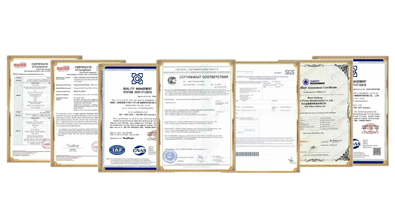
RAYOUNG shows its dedication by having certifications like CE/PED 2014/68/EU and GOST-R, as well as approvals from NIOC, ADNOC, and PETROBRAS. Our materials are completely in line with ASME B16.9, EN 10253, and GOST standards, which means they can be used without any problems in foreign projects. Using sandblasting, corrosion-inhibiting oil, water-based eco-friendly paint, and epoxy finishes on the surface of goods protects them while they are being shipped and stored and follows environmental rules.
Custom Manufacturing and Supply Chain Flexibility
Many uses are good for standard catalog items, but complicated projects often need custom configurations. Using reducing tees with branch sizes that aren't standard, elbows with diameters that are bigger than standard stock sizes, and unusual metal combinations can help engineers solve specific problems. Manufacturers that offer these features make buying easier by combining providers. Buyers can improve their cash flow and keep projects on schedule by learning about minimum order quantities, production lead times, and how long to keep inventory on hand.
Negotiation and Contract Management
Global market fluctuations in nickel, chromium, and molybdenum dictate the raw material costs for these specialty alloys.Setting up framework deals with price adjustment clauses saves both sides from changes in the market. By promising a lot of goods, you can get better prices and make sure that your supplies are always available when the market is short. To avoid disagreements, it's important to be clear about payment terms, inspection procedures, and documentation needs. When you build long-term ties with suppliers you can trust, you get better technical help and can solve problems faster.
Maintaining and Optimizing High-Temperature Piping Systems
Choosing the right material is only the first step toward ensuring stable operations at high temperatures. Installation, monitoring, and maintenance done correctly can extend the life of an asset and keep it from breaking down at a cost.
Installation Best Practices
For welding to work, you need to be qualified to work with high-temperature metals. Chrome-molybdenum grades require controlled preheat and interpass temperatures, and applicable grades and weld procedures may also require PWHT to reduce residual stresses and temper the heat-affected zone. Welders must have the right credentials, and all welds must go through a non-destructive inspection as required by the code. Alignment and support spacing that are just right keep fitting locations from being under too much stress when the temperature rises.
Routine Monitoring and Inspection
Thermal cycling leads to slow damage that can't be seen with the naked eye. Ultrasound thickness measurement keeps track of wall loss caused by corrosion on the inside and outside. Chrome-molybdenum systems are tested for hardness on a regular basis to make sure that the material hasn't become softer because it was heated too much or not properly. Vibration analysis finds problems with support before they lead to wear breakdowns. Using infrared thermography to map temperatures shows hot spots that mean flow is being slowed down or shielding is breaking down.
Scheduled Maintenance Programs
Unexpected outages can be avoided by setting repair times based on the material's properties and how hard it is being used. Systems that work close to the temperature limits of the materials they use need to be checked more often than systems that have safe safety margins. Replacing old insulation stops heat loss and stops corrosion from happening on the outside. Compliance and operational success are ensured by keeping expert staff up to date on new technologies and changing standards. Working together with experts on the materials helps you understand what the test results mean and plan cost-effective solutions.
Conclusion
The working conditions, material qualities, compliance requirements, and total lifetime costs must all be carefully considered when choosing a high-temperature piping material. Whether you should use carbon steel, stainless steel, chrome-molybdenum alloys, or other metals depends on the temperature ranges, corrosive conditions, and mechanical loads that are unique to your application. Partnering with certified suppliers who offer full paperwork, the ability to make things to order, and technical know-how lowers buying risks and guaranties effective long-term performance.Proper installation in compliance with standards and the implementation of regular maintenance protocols will safeguard your investment and keep the power generation, petrochemical, and industrial processing sectors safe and efficient.
FAQ
1. What temperature limit applies to chrome-molybdenum piping materials?
ASTM A234 WP91 chrome-molybdenum alloy can provide good creep strength in high-temperature service when properly designed and heat-treated. At higher temperatures, allowable stress and creep performance must be evaluated according to the applicable design code and service conditions. Austenitic steel grades or nickel-based alloys that have been shown to be stable at high temperatures should be used in situations where higher temperatures are needed.
2. Why is post-weld heat treatment mandatory for certain materials?
Chrome-molybdenum alloys can crack or break easily if they are stressed too much after welding. PWHT can relieve these stresses. The controlled heating and cooling cycle reduces residual stresses and tempers the heat-affected zone, helping restore appropriate metallurgical properties and meet applicable code requirements. Skipping this step greatly raises the chance of failure.
3. Can stainless steel fittings handle both high and low temperatures?
Austenitic stainless steels, such as 304 and 316, work well at high temperatures and can still be shaped at very low temperatures, which is different from high-temperature metals that are only designed to fight heat. The grade chosen is based on the temperature range and whether the system goes through thermal cycling between the two extremes.
Partner with RAYOUNG for Certified High-Temperature Piping Material Solutions.
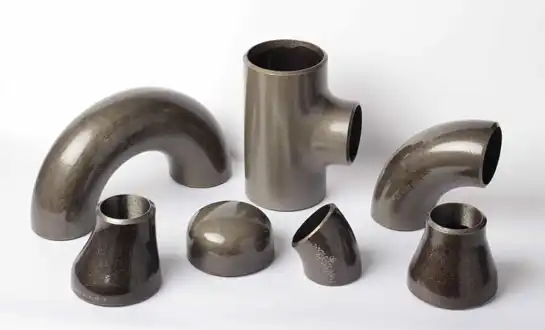
Choosing the right high-temperature piping material provider has a direct effect on the success of the project, the safety of the workers, and the long-term costs of running the business. The complete solutions offered by RAYOUNG are backed by ISO 9001:2015 certification and approvals from NIOC, ADNOC, and PETROBRAS. We sell buttweld steel elbows, reducers, and high-temperature pipe tees made from carbon steel, alloy steel, and stainless steel. These are made in strict accordance with ASME B16.9, EN 10253, and GOST standards. We can make sizes to order, and we include all the technical information with every order. Email our engineering team at info@hb-steel.com to talk about your unique needs and get expert advice that is tailored to your working conditions.
References
1. American Society of Mechanical Engineers. (2020). ASME B16.9: Factory-Made Wrought Buttwelding Fittings. New York: ASME Press.
2. Davis, J.R. (2006). Corrosion of Weldments. Materials Park, OH: ASM International.
3. European Committee for Standardization. (2018). EN 10253: Butt-welding Pipe Fittings for Pressure Purposes. Brussels: CEN.
4. Viswanathan, R. (1989). Damage Mechanisms and Life Assessment of High-Temperature Components. Materials Park, OH: ASM International.
5. Special Metals Corporation. (2019). High-Temperature Alloys for Industrial Applications: Technical Handbook. Huntington, WV: Special Metals.
6. Klueh, R.L. & Harries, D.R. (2001). High-Chromium Ferritic and Martensitic Steels for Nuclear Applications. West Conshohocken, PA: ASTM International.

Need a quote? Want to see samples? Just say hello. We’re friendly. We’re fast. And we’re ready when you are.
Welcome to RAYOUNG – Strong Pipes, Stronger Promise