How EPC Contractors Evaluate Pipe Material Suppliers
EPC contractors check out pipe material providers by matching project requirements with the vendors' skills, quality systems, delivery performance, and dependability over the long term. I've found that I make the best choices when I look at more than just price. I look at certifications, mill tracking, coating quality, output capacity, and service support. Pressure, temperature, and structural needs are met by steel pipes in oil and gas, water treatment, power, and building projects. This is why they stay at the center of the process. From the bid stage to the final installation, a good supplier helps me reduce procurement risk, keep plans safe, and make sure that compliance stays on track.
Introduction
When I buy pipes for an EPC job, I know that one poor supplier can trigger a chain of problems of problems that include late installation, site claims, extra work, and safety risks. That's why evaluating a source is never just a matter of checking off a list. It's a way to lower the risk.
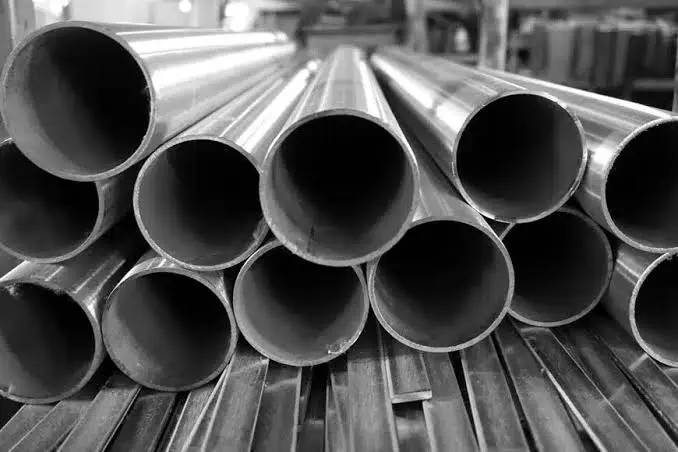
Steel pipes form the critical backbone of modern infrastructure, reliably transporting volatile fluids and bearing immense structural loads. For these high-stakes applications—where unexpected downtime costs millions and delayed deliveries derail entire construction schedules—partnering with a premier, globally trusted manufacturer is not just an option, but an absolute necessity.
People searching for this topic are generally looking for procurement-related information. People who want to buy something want to know what EPC teams look for, how to compare sources, and how to find a reliable partner. The short answer, in the style of a featured snippet, is easy: EPC contractors choose which providers to work with based on compliance, product quality, technical fit, production capacity, logistics performance, and support after the sale.
Key Criteria EPC Contractors Use to Evaluate Pipe Material Suppliers
Procurement requirements must match project specifications.
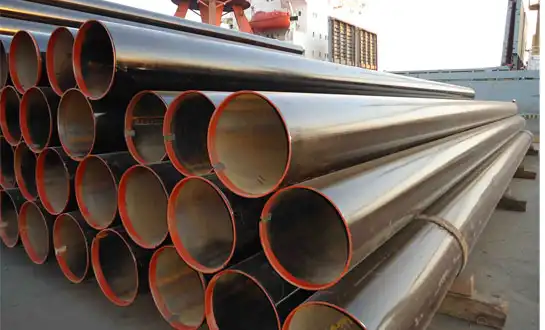
This is where I start: the project data sheet, the pipe class, the line list, and any codes that apply. They can only be a provider if they can meet all the exact standards for the diameter, wall thickness, schedule, grade, pressure rating, and end connection type. When buying pipes, the outer width and wall thickness have a direct effect on the flow capacity and performance of the system. EPC buyers also check to see if the seller has the right range of seamless pipe, welded pipe, carbon steel pipe, alloy steel pipe, black steel pipe, and galvanized steel pipe products.
At this point, it's often decided whether a seller is just available or actually a good fit. It doesn't matter how wide the product range is if the mill can't hold limits on sizes or meet coating requirements.
Quality assurance, certifications, and traceability
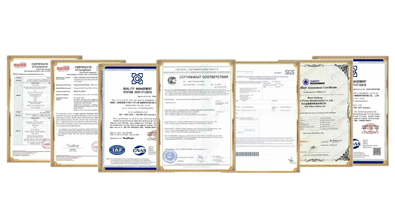
Systems that work well are a big sign of trust. I need to find suppliers who can work with foreign standards like steel pipes with ISO 9001:2015 certification and compliance with ASTM and API standards. I am sure that the material I receive is the same as what I bought because it has mill test certificates, heat numbers, hydraulic testing records, and third-party inspection reports.
A trustworthy seller should be able to easily explain how it inspects things, such as the following:
- Incoming raw material control, inspecting while the product is being made, checking for errors in measurements, non-destructive testing, finishing checks, and reviewing all finished documents. This is important because EPC companies don't just buy pipes; they also buy proof, compliance, and the ability to do it again. As long as the records are full and easy to check, I can move approvals along more quickly, and there are fewer chances of disagreements during shipping or installation.
- Export compliance and independent validation. When I am evaluating a supplier for a complex international deal, I need absolute confidence in both their products and their regulatory compliance. Seeing verifiable documentation—such as GOST-R certifications and comprehensive SGS inspection reports—provides the exact level of quality control and export readiness required for large-scale EPC projects.
Reputation, reliability, and client feedback
How the last order went tells me how the next one might go. I look at how consistently the provider delivers, how quickly they respond to claims, how well they communicate, and whether they have worked with related industries like mines, water utilities, chemical plants, refineries, or power plants. Referrals from past clients and return business are good signs.
When time is of the essence, a seller who answers quickly to questions about technical details, drawing changes, and packing usually does a better job. I also value being honest. If the lead time for a mill changes, I want to know early so that I can make changes to my plans for purchase and the site.
Comparative Analysis: Why Do Steel Pipes Stand Out for EPC Projects?
Why does steel remain the preferred material?
Steel pipes are important parts of many industrial processes, especially for big building projects that need to last and work well. They are used for moving oil and gas, distributing water, building structures, running machines, and processing industry materials. Some examples are oil refineries, chemical plants, power plants, water treatment plants, mining activities, and building projects.
Steel generally provides higher pressure resistance than plastic or copper materials, and it works better as a structure material in harsh conditions. Even though it costs more than stainless steel, carbon steel is often a better choice when full rust protection is not needed and the right coatings or linings are used.
Choosing the right pipe type for the job
Seamless pipe is often chosen for use in places with high temperatures and pressures because its structure is constant. For many building, water, and transmission needs, welded pipe can be a safe and cost-effective choice if it is made to the right standard and checked properly. Alloy steel can handle high temperatures or special tasks. In the right conditions, galvanized steel can protect against rust. Black steel pipe is still widely used in industrial and structural applications.
The right choice is based on the service of steel pipes, not on what you usually do. I always choose the right pipe type based on the pressure, fluid, risk of rust, temperature range, and expected life.
Procurement Process Optimization for EPC Contractors
Domestic vs. international sourcing decisions
EPC procurement teams often have to find a mix between speed, cost, and source security. Domestic sources might cut down on travel time and make talking to people easier. International buying can give you more mill choices, lower your costs, and help you meet larger number needs. The best choice is not based on the unit price alone but on the project schedule, review plan, and total landing cost.
I also look at the supplier's experience with international packages, how the goods are handled at the port, and the paperwork needed for customs. These details have a bigger effect on the security of the project than most buyers think.
Digital tools, audits, and post-delivery control
Digital sites for buying things now make evaluating suppliers based on data possible. Order goals, document approvals, shipping progress, and seller scorecards can all be seen by me at any time. Being able to see what's going on helps me make better predictions and move before a delay turns into a site problem.
Physical proof is still important, even when using digital tools. I depend on storage rules, receiving checks, and inspections before shipping. Once it's been brought, storing it properly will protect the purchase. People should handle pipes so that the coating doesn't get damaged, contaminated, or deformed. There are often marking tips, storage directions, and professional follow-up from a good provider at this stage.
Case Studies: Successful EPC Projects and Their Pipe Material Suppliers
Construction project success through quality-led sourcing
The buying team for a big industrial building project put approved material, consistent sizes, and reliable delivery ahead of the lowest price. That choice cut down on fit-up issues during installation and helped keep the welding plan on track. The supplier's clear paperwork package also made it faster for the site to accept the work and sign off on the quality. The benefit for the project team wasn't in the lower price up front but in the smoother performance and fewer problems.
Pipeline project gains through supplier collaboration
In a recent large-scale pipeline project aimed at rigorous cost optimization, the EPC team worked closely with their steel pipe manufacturer to meticulously plan production, divide shipments into strategic batches, and coordinate inspection schedules.
This teamwork made better use of containers, cleared up storage space, and made sure that supplies were in sync with progress in the field. This led to better cash flow, fewer handling costs, and better control over the plan. I want this to happen when I treat a seller like a project partner instead of just a provider.
Enhancing Long-Term Partnerships with Pipe Material Suppliers
What strong supplier partnerships look like?
Communicating, being responsible, and getting professional help are all things that add long-term value. I need a provider who can talk to me about coating options, grade options, parts compatibility, and the amount of work that can be done in future steps. Innovation is also important. Better coatings, better making methods, and tighter quality assurance checks can make something last longer and lower the risk of needing repairs.
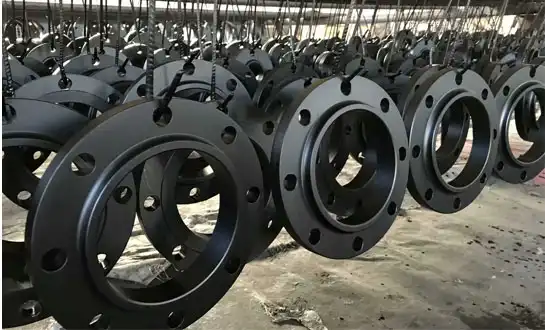
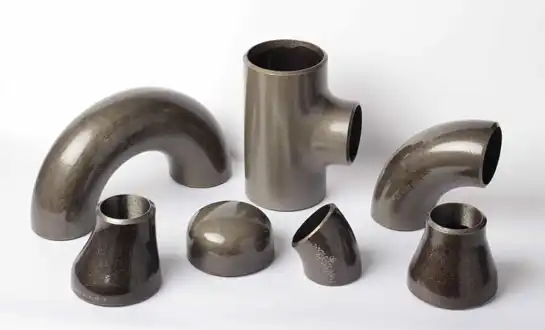
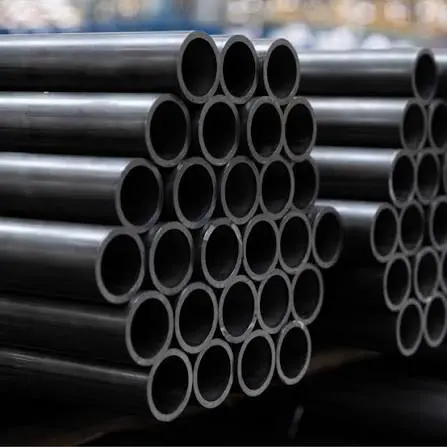
This is exactly where a premier manufacturer like RAYOUNG adds immense value. Beyond merely supplying premium steel pipes, we provide a comprehensive portfolio of industrial pipe fittings—including precision-engineered buttweld elbows, reducers, and flanges—ensuring that every connection in your system is absolutely secure. Operating under strict ISO 9001:2015 quality management, we deliver the performance, safety, and long-term durability demanded by heavy industrial sites, petrochemical plants, and mission-critical municipal infrastructure. As your trusted manufacturing partner, we understand that delivering uniform quality and robust engineering support is the ultimate key to your project's success.
Conclusion
When EPC companies look at pipe material providers, they look at things like technical fit, certifications, quality control, traceability, shipping performance, and customer service. I've learned that the best providers do more than just ship things. They help protect plans, make sure rules are followed, and lower the risk of the whole process. Steel pipes remain a preferred choice for many tough jobs because they are strong, last a long time, and can be used in a variety of ways. When a seller brings accurate paperwork, steady production, and quick contact, procurement turns into a competitive advantage instead of a project risk.
FAQ
1. What is the difference between seamless and welded steel pipes?
People often choose seamless pipes for high-pressure or high-temperature work because they don't have any welds in the seams. Welded pipes are made by shaping and joining steel plates or coils together. If they are made and checked to the right standards, they can be very reliable. The right choice relies on the budget, the planning conditions, and the building code.
2. How do I verify steel pipe quality upon delivery?
I look at the mill test certificate, the heat number's traceability, the measurements, the wall thickness, the surface condition, the end protection, the markings, and the state of the coating. Before sending the materials to be installed, I also check third-party inspection records and test results based on samples if the project calls for it.
3. Which steel pipe grades are commonly used for oil and gas pipelines?
Most of the time, API pipeline grades and ASTM carbon steel grades are chosen based on the project's requirements and the conditions of service. The right grade should be able to handle the pressure, temperature, rust climate, welding needs, and design life that are laid out in the engineering package.
Contact RAYOUNG for Reliable Steel Pipe Solutions
Need a dependable steel pipes supplier or steel pipes manufacturer for your next EPC project? RAYOUNG is ready to support your sourcing plan with certified products, pipe fittings, competitive pricing, and responsive delivery. Contact our team at info@hb-steel.com to discuss steel pipes for sale, technical requirements, or a custom quotation built around your schedule and compliance needs.
References
1. American Petroleum Institute, API Specification 5L
2. ASTM International, ASTM A53/A53M Standard Specification for Pipe, Steel, Black and Hot-Dipped, Zinc-Coated, Welded and Seamless
3. ASTM International, ASTM A106/A106M Standard Specification for Seamless Carbon Steel Pipe for High-Temperature Service
4. International Organization for Standardization, ISO 9001:2015 Quality Management Systems
5. ASME, B31.3 Process Piping
6. U.S. Department of Energy, Office of Fossil Energy and Carbon Management publications on pipeline materials and infrastructure

Need a quote? Want to see samples? Just say hello. We’re friendly. We’re fast. And we’re ready when you are.
Welcome to RAYOUNG – Strong Pipes, Stronger Promise