Common Buyer Questions on Steel Pipe Quality
When customers inquire about the quality of steel pipes, they usually want clear answers to five questions: the type of material used, how the pipes were made, their sizes, any certifications they have, and how reliable the seller is. These things affect pressure performance, how well it resists rust, how long it lasts, and compliance with specifications. I don't just want a low price when I'm looking for pipes for an EPC project, a plant, or a distribution company. I also want to know that the pipes will meet the specs, come on time, and work safely in the field. This guide breaks down the most common questions I get from business buyers and shows them how to look at steel pipes with less risk and more long-term value.
Understanding Steel Pipe Quality Fundamentals
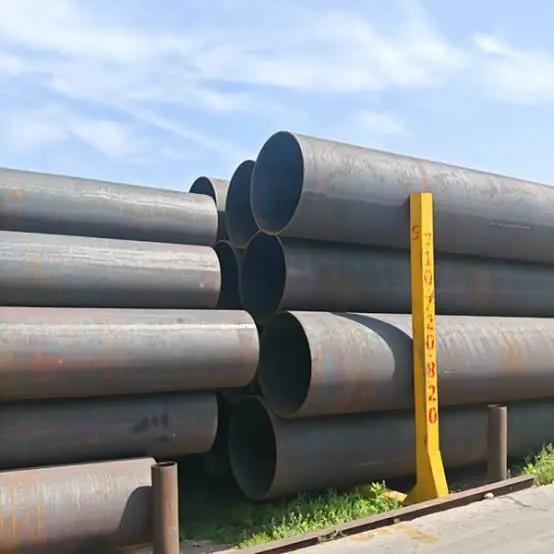
When it comes to steel pipes, the first things that matter are what they are made of, how they are made, and whether they meet industry standards. In real life, these basics tell you if a product is right for a processing line, a water system, a structure frame, or a mechanical installation.
Material grade and why it matters
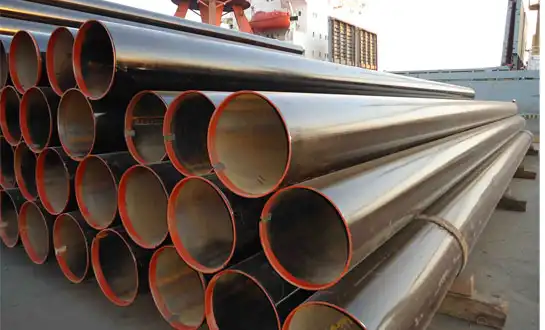
Carbon steel, stainless steel, and alloy steel are the most popular types. Carbon steel is used a lot in industrial processing, water distribution, oil and gas transportation, and building structures because it is strong, widely available, and cost-effective. Stainless steel makes it harder for things to rust. In harsher temperature and pressure situations, alloy steel can handle it.
Buyers should always match the grade to the operating conditions. For general-purpose pipe, ASTM A53 is often used. ASTM A106 covers carbon steel pipes that are smooth and are used at high temperatures. Many oil and gas applications use API standards. Before I compare prices for process pipes, I look at the chemical makeup, yield strength, tensile strength, and code standards.
Seamless vs. welded steel pipes
Many people who are looking to buy something ask if seamless pipe is better than welded pipe. The answer changes based on the situation. Seamless pipe doesn't have any welds, which makes it better for use in places with high temperatures and pressures. When made and tested properly, welded pipe often has cost benefits and performs well in many structural, water, and low-pressure applications.
In short: Seamless steel pipes are fundamentally required for extreme high-temperature and high-pressure applications. Conversely, welded steel pipes offer a highly cost-effective alternative for standard industrial, municipal, and structural uses, provided they strictly meet the required manufacturing standards and non-destructive testing (NDT) requirements.
Steel pipes are an important part of modern infrastructure because they reliably move fluids and gases and support structures across many industries. We guarantee consistent quality and dependable performance because of our experience exporting steel pipes since 2006 and have strong relationships with factories. As a result? Pipe systems that are strong and don't break down under extreme conditions or high pressure will keep your projects running smoothly for years to come.
Evaluating Steel Pipe Quality: Key Specifications and Standards
People who search for this topic usually want to know how to check the worth of steel pipes before buying them. Buyers want to avoid problems like wrong sizes, failed coatings, or certification issues that can slow down a project.
Dimensions, schedules, and tolerances
When choosing a pipe, it's not just about the width. As part of my job, I check the NPS, outside diameter, wall thickness, schedule, and length error. OD and wall thickness have a direct effect on how well valves, flanges, and fittings fit and how much pressure they can hold. Some common sizes are STD, XS, XXS, Sch. 40, and Sch. 80.
If there is an error in the wall width of steel pipes, the pipe might not be able to handle the pressure or safety limits. In big projects, even small differences in size can make installation difficult, require extra work, or fail an inspection. This is the reason why mill test papers and records of dimensional checking are important.
Corrosion resistance and surface protection
Corrosion resistance relies on both the base material and whether the protective coating is applied on the outside or the inside. Depending on where it will be used, carbon steel may need to be painted, coated, or galvanized. Stainless steel is more expensive but works better in acidic environments. In some outdoor or water-related situations, galvanized steel can improve corrosion resistance. On the other hand, black steel is often used when paint is added later or galvanizing is not needed.
When I'm comparing choices, it's helpful to look at more than just the buy price. Most of the time, a cheaper pipe that needs to be replaced or serviced often is not the better buy.
Standards and inspection documents
Standards like ASTM, API, ASME, ISO, or project-specific ones should be met by a good buy. I also look for proof, like papers like
- A mill test certificate should show the lot's chemical make-up, mechanical qualities, heat number tracking, and test results. This document helps me connect the shipped pipe to the production batch and make sure that the tensile strength, yield strength, and other important values match the project code and buy requirement.
- Third-party inspection records add another level of trust when the order supports a high-risk application, a government tender, or a client with strict approval processes. A lot of the time, these records include checks for dimensions, hydrostatic testing, non-destructive examination, marking proof, and visual inspection. They lower the chance of a disagreement and make it easier for people to accept the site.
Decision-Making Guide for Selecting Steel Pipes
Procurement is never just about finding the cheapest pipe; it is entirely about securing the exact right steel pipes for the job. To achieve this, procurement managers must shift their focus from basic material specs to rigorously evaluating and qualifying their suppliers.
Match pipe type to operating conditions.
Stainless steel pipes are important parts of many industrial processes, especially for big building projects that need to last and work well. Steel pipes are used to move oil and gas, for water distribution, for building structures, in mechanical systems, and in industry processing. Some examples are oil refineries, chemical plants, power plants, water treatment plants, mining activities, and building projects.
When I need steel pipes for steam or high temperatures, I look for seamless options such as ASTM A106 when the specification calls for them. Welded pipe might be cheaper if I'm looking for it for structural or low-pressure use. The right choice depends on the environment, the type of fluid, the temperature range, the pressure level, and the welding method.
Compare steel with PVC and copper.
A lot of the time, buyers look at steel next to PVC or copper. Steel usually comes out on top when it comes to strength, fire protection, and the ability to be used in a variety of ways. In some low-pressure setups, PVC can lower the cost up front. Copper is more expensive, but it performs well in certain plumbing and heat-transfer applications.
Steel usually lasts longer and can be used in more situations when it comes to industry and infrastructure work, especially when code compliance and mechanical power are important.
Don’t overlook fittings and supply planning.
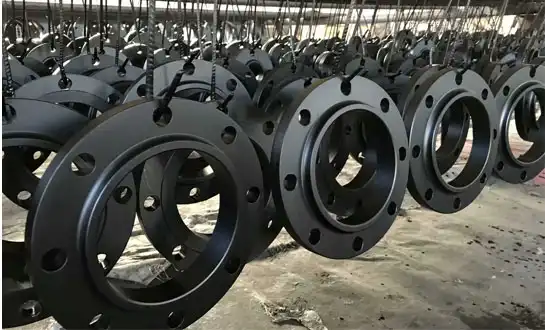
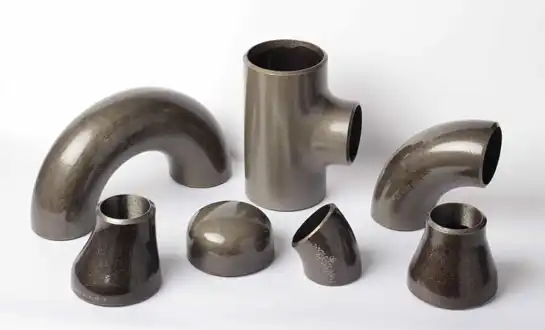
A pipe system is only as strong as the places where it is joined together. We offer a range of industrial pipe fittings, such as buttweld steel elbows, steel reducers, and flanges, that make sure connections are safe. Our product line has options for all kinds of design needs, from simple straight lines to complicated curves to flexible joints.
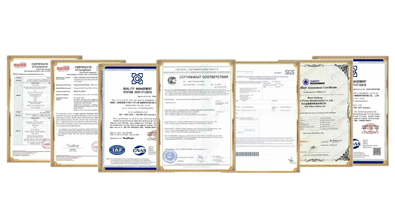
As a premier global manufacturer, RAYOUNG is trusted by major EPC contractors and industrial facilities worldwide to supply high-quality carbon steel pipes and fittings. Backed by rigorous GOST-R and SGS certifications, we ensure absolute export compliance and uncompromised manufacturing quality. Our comprehensive piping solutions deliver exceptional performance, safety, and long-term durability for heavy industrial plants, petrochemical facilities, and municipal infrastructure. Operating under strict ISO 9001:2015 quality management systems, we understand that delivering uniform quality and robust engineering support is paramount to the success of your critical flow systems.
Market Overview and Trusted Brands for Steel Pipes
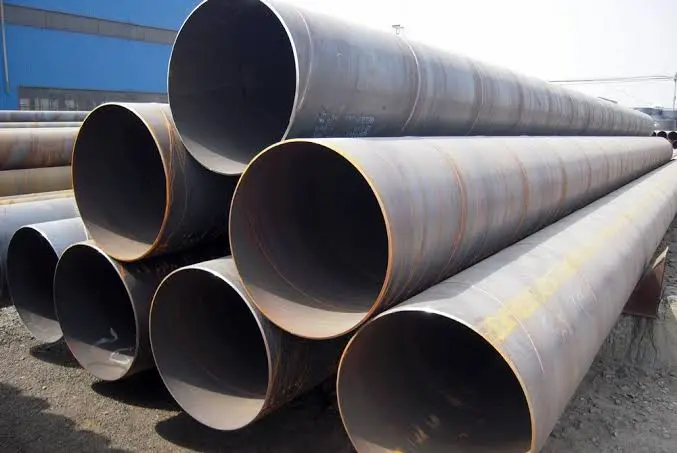
In the US, procurement teams usually look for steel pipes with the goal of making a deal at this point. They want suppliers they can trust, clear costs, and wait times that make sense.
What buyers should compare in the market?
People in the U.S. and Europe often compare suppliers based on their quality systems, ability to support certifications, output capability, and reliability of delivery. Price is based on features like material type, pipe size, wall thickness, covering type, inspection scope, and freight conditions.
For wholesalers, stockists, and project-based sourcing teams, buying in bulk can lower the cost per unit and make the supply more stable. But price is never the only thing I look at. A package that is late or a batch that doesn't meet standards can cost a lot more than a small difference in pipe price.
What makes a supplier trustworthy?
I want to buy steel pipes from a company that can do more than just provide a catalog. A trustworthy partner should know the rules, give you papers that can be tracked, be able to meet your specific needs, and be clear about things like wait time and packaging. Experience is important. When the project involves compliance checks, transportation in other countries, or mixed product bundles, export knowledge is even more important.
Conclusion
Quality steel pipes are made from materials that are right for the job, are manufactured in a way that follows the rules, are the right size, and have reliable paperwork. When I want to lower the risk of a project, I look at tolerances, standards, and mill certificates. I also pick a source whose delivery is reliable and whose international support has been proven. The right pipe isn't just a product; it's an important part of a system that keeps things safe, works well, and lasts a long time. When buyers look at lifetime value instead of just unit price, they are smarter and can plan their purchases better.
FAQ
1. How can I be sure of the quality of steel pipe before I buy it?
For this project, I need mill test certificates, measurement inspection records, and any necessary certifications or approvals, such as ASTM, API, ISO, SGS, or permits needed by the project. I also make sure that the heat number can be tracked, that the tests are covered, and that the pipe sizes and schedules match the drawing or offer specification.
2. What is the difference between ASTM A53 and ASTM A106 steel pipes?
ASTM A53 is a general-purpose pipe standard that covers both welded and seamless pipe. It is commonly used in mechanical and pressure applications. ASTM A106 covers seamless carbon steel pipe and is meant to be used at high temperatures. When process conditions are tougher, buyers often pick A106.
3. Does it always mean that smooth steel pipes are better than soldered pipes?
Not all the time. For work at high temperatures and pressures, seamless pipe is often the best choice. When it meets the right standards and inspection needs, welded pipe can be a safe and cost-effective choice for many water, building, and industry uses.
4. How long do sales for steel pipes normally take?
Lead times depend on the ship method, size range, grade, finish, tests, and order quantity. Custom sales may take a lot longer to fill than standard things. Before I send out the buy order, I confirm the production schedule, paperwork time, and logistics planning if I have a tight project schedule.
RAYOUNG Reliable Steel Pipe Supply for Stock and Project Needs
Need a highly dependable manufacturing partner to supply premium steel pipes for your inventory or critical infrastructure projects? For customized quotes, material samples, or expert technical consultation, email our engineering and sales team at info@hb-steel.com. To ensure you source with absolute confidence, our team provides comprehensive support in verifying technical specs, international certifications, fitting compatibility, and global shipping logistics.
References
1. ASTM International, ASTM A53/A53M Standard Specification for Pipe, Steel, Black and Hot-Dipped, Zinc-Coated, Welded and Seamless
2. ASTM International, ASTM A106/A106M Standard Specification for Seamless Carbon Steel Pipe for High-Temperature Service
3. American Petroleum Institute, API Specification 5L Line Pipe
4. ASME, B36.10M Welded and Seamless Wrought Steel Pipe
5. International Organization for Standardization, ISO 9001:2015 Quality Management Systems
6. U.S. Department of Transportation, Pipeline and Hazardous Materials Safety Administration guidance on pipeline materials and safety

Need a quote? Want to see samples? Just say hello. We’re friendly. We’re fast. And we’re ready when you are.
Welcome to RAYOUNG – Strong Pipes, Stronger Promise