Common Pipe Defects Found During UT Testing
Common pipe defects found during UT testing include laminations, inclusions, cracks, lack of fusion in welds, corrosion, pitting, and wall thinning. In steel pipes, these flaws can reduce pressure capacity, shorten service life, and raise safety risks in pipelines, plants, and infrastructure projects. I see ultrasonic testing (UT) as one of the most practical tools for finding hidden defects before they turn into failures. It helps buyers, engineers, and project teams verify pipe quality without cutting or damaging the material, which is exactly why UT plays such a major role in modern steel pipe inspection and supplier qualification.
Understanding Ultrasonic Testing and Its Role in Steel Pipe Inspection
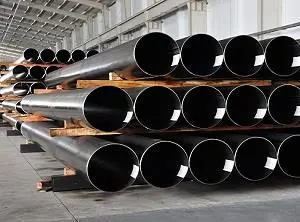
UT uses high-frequency sound waves to find internal and subsurface flaws in a material without damaging it. Part of the sound wave's signal is reflected when it encounters a discontinuity or interface within the material. A skilled inspector interprets that signal to figure out where the flaw is, how big it is, and how bad it might be.
Why does UT matter for steel pipe quality?
When a business buys something, UT helps them answer a simple question: "Can I trust this pipe in real service?" That is important whether the pipe is carrying gas, water, chemicals, oil, or steam or supporting structural loads.
Steel pipes are an important part of modern infrastructure because they reliably move fluids and gases and support structures in many fields. We guarantee consistent quality and dependable performance because we have been exporting steel pipes since 2006 and have strong relationships with factories.
The end result is long-lasting pipe systems that stay together even under extreme conditions and high pressure, so projects will keep running smoothly for years to come.
Where is UT commonly used?
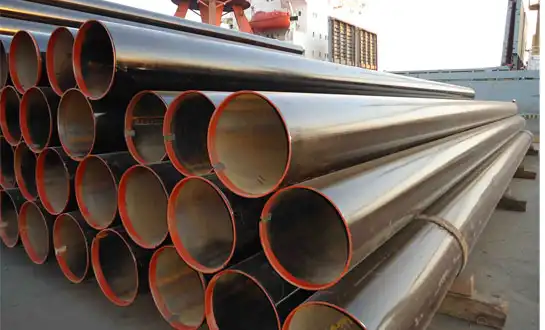
UT works for many kinds of pipes, such as carbon steel pipe, alloy steel pipe, stainless steel pipe, ERW pipe, LSAW pipe, and SSAW pipe. UT is widely used in:
- oil and gas transmission
- water distribution systems
- power generation facilities
- chemical plants
- refineries
- construction and structural systems
- mining and industrial processing
This matches what buyers in the U.S. market usually look for: finding flaws, following ASTM/API standards, making sure pipelines are safe, and getting accurate paperwork from suppliers.
Common Defects Found During UT Testing of Steel Pipes
For procurement managers and QA/QC engineers, understanding the specific types of defects UT can detect is crucial for mitigating project risks. The following outlines the most critical flaws commonly identified during ultrasonic inspection and how they impact pipeline integrity.
Laminations and non-metallic inclusions
Laminations are flat, stacked gaps inside the wall of the pipe. They are usually caused by flaws in the rolling process or breaks in the material in the plate or block. In UT, laminations often cause wide reflected signals when a sound wave hits a flat flaw.
Inclusions are non-metallic materials trapped within the steel during manufacturing while it is being made. Some of these are oxides, sulfides, and silicates. Small inclusions may be okay as long as they don't go beyond the code limits, but inclusions that are grouped together or that are long can weaken the pipe and make it less tough.
Cracks, seam defects, and weld discontinuities
Cracks are some of the most serious defects. They could be caused by high temperatures, bad shaping, gas effects, or problems with welding. UT can detect many internal and near-surface cracks when the inspection technique is appropriate for the crack orientation, as long as the inspection method matches the crack's predicted direction.
Most of the time, UT goes after the following:
- lack of fusion
- incomplete penetration
- longitudinal seam defects
- weld centerline cracking
The integrity of the pressure boundary is directly affected by these flaws. Even a small flaw in a weld can become a big problem in high-risk fields like oil and gas or process pipes.
Corrosion, pitting, and wall thinning
Service-related defects usually develop after the pipe has been placed into service. Over time, corrosion makes the walls thinner, and pitting causes metal loss in specific places. UT thickness testing is very helpful in this case because it gives us concrete information that we can use to plan our upkeep.
Walls can get thinner due to chemical attack, friction, internal erosion, or external rust while insulation is in place. In real life, this means that the line may lose its grade and have less life left.
Best Practices for Effective UT Testing to Detect and Manage Pipe Defects
You can only trust UT as much as the testing process that goes into it. It's not enough to just have good gear. The result depends on the state of the surface, the calibration, the skill of the operator, and the acceptance standards for steel pipes.
Preparation, calibration, and method selection
The pipe should have a clean enough surface before checking to allow for a good connection. Signal quality can be lowered by rust scale, heavy scale, or dirt. The appropriate reference standard and method must be used for calibration.
Different UT methods are good for different types of inspections:
- Pulse-echo UT is a good way to find defects and measure the thickness of walls. A lot of people use it because it works well and doesn't cost too much for many steel pipes.
- Phased array UT can image better and control the beam more easily. It is very helpful for checking welds and working with complicated shapes.
- TOFD works well for finding cracks and checking welds when the exact flaw height is important.
If a buyer looks over test results, they should always find out what UT method was used, who did it, and what standard was used for acceptance.
Reading UT results for procurement decisions
Not all signs point to rejection. The real question is whether the signal goes over the project or code limits. The people in charge of buying things should match what UT finds with ASTM, API, ISO, or customer-specific standards.
This is where official paperwork comes in handy. It is important for me to be able to track a pipe supplier's steel pipe products, see proof of inspections, have mill test papers, and understand how to handle problems when they happen. That cuts down on disagreements, delays in installation, and problems further down the line.
Mitigating Pipe Defects Through Manufacturing and Maintenance Strategies
It is much easier to avoid flaws than to fix them after the fact. The best quality systems begin at the mill and continue through storage, installation, and inspections of service work.
Manufacturing controls that reduce defect risk
The quality of the steel pipes relies a lot on the consistency of the raw materials, how well they are formed, how well they are welded, and, if necessary, the heat treatment and final check. Supplier behavior is very important in this case.
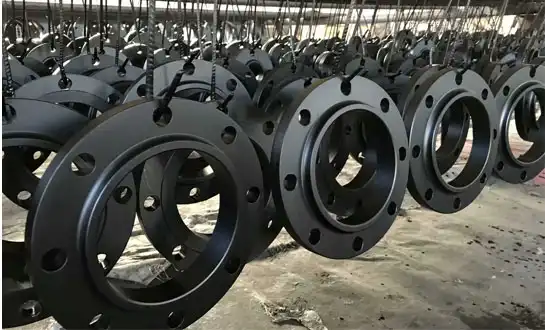
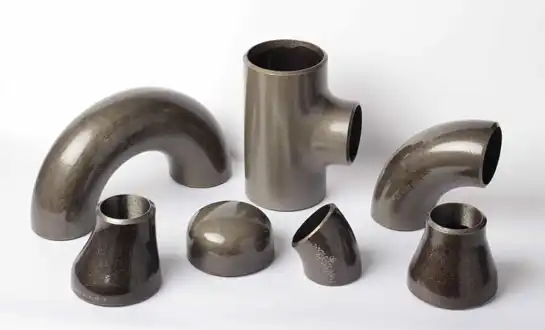
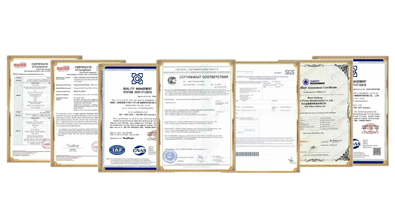
A reliable manufacturing partner provides far more than just the pipe itself; they deliver uncompromising quality assurance. At RAYOUNG, we implement rigorous manufacturing controls and advanced UT inspections across our entire range of carbon steel pipes, buttweld elbows, reducers, and flanges. Trusted by major industrial facilities and EPC contractors worldwide, our products are strictly backed by ISO 9001:2015, GOST-R, and SGS certifications. This ensures absolute export compliance and guarantees the safety, performance, and long-term durability required for critical applications in refineries, power plants, and heavy industrial sites.
Maintenance strategies that extend pipe life
Even high-quality pipes need to be taken care of properly. To help condition-based maintenance work, UT finds metal loss early, before it leads to leaks or shutdowns. That is very helpful for companies, utility systems, and structures that will last a long time.
A useful maintenance plan generally includes performing regular thickness measurements, stopping rust, reviewing the coating, and checking for problems in high-risk weld areas. That cuts down on downtime for end users. It helps protect their reputation and reduce lifecycle costs for wholesalers and EPCs.
How to Choose Reliable Steel Pipe Suppliers with UT-Verified Quality?
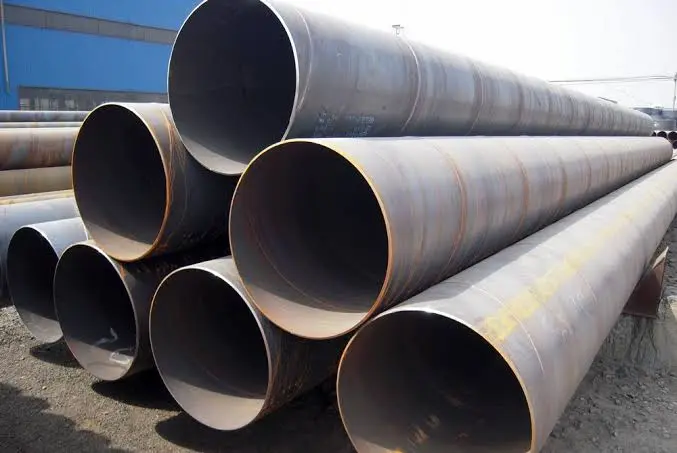
A lot of buyers aren't just wondering, "What flaws can UT find?" They really want to know, "Which supplier helps me avoid these issues in the first place?"
What to ask a supplier before purchase?
When you talk to a trusted provider, they should be ready to talk about inspection capabilities, compliance, and traceability. When evaluating suppliers, I think you should pay attention to these things:
- Ask for UT proofs and inspection records that match the project standard and product scope. If a provider is serious, they should say whether their testing follows ASTM, API, ISO, or customer standards. They should also give clear records for orders of seamless or welded pipes. This is especially important for EPC projects, government bids, and industry end users who need full document sets for approval and audit trails.
- Check the history of quality, the control of output, and the speed of reaction. The best partners don't just sell steel pipes; they also help you with your plan, check your specifications, and solve problems. Value and wait time are often just as important to buyers as price. It is easier to work on a project and find secret costs when the seller can coordinate manufacturing, testing, fittings, supply, and export paperwork.
Why experienced support matters?
As a premier global manufacturer of industrial steel pipes and fittings, we deeply understand that maintaining uniform quality under ISO 9001:2015 standards and driving continuous innovation are paramount to the success of every application.That's important for contractors who need to meet schedules, stockists who want to keep their profit margins safe, and factories that need stable long-term performance. It's not enough to just check the box for strong UT inspection and verification. It is a way to keep risks in check.
Conclusion
UT testing finds major pipe flaws like laminations, inclusions, cracks, weld flaws, rust, and wall thinning early on, before they cause expensive failures. That means better safety, stronger compliance, and more trust in the quality of the suppliers for buyers and engineers. I believe that the best results come from a mix of good UT inspection, strict manufacturing control, and smart planning for upkeep. When steel pipe selection depends on performance under pressure, you can't skip quality checks. It helps you keep your project on track, stay within budget, and make sure your assets will last for a long time.
FAQ
1. What defects can ultrasonic testing detect in steel pipes?
UT can detect laminations, inclusions, cracks, weld discontinuities, corrosion damage, pitting, and wall thinning. Its effectiveness depends on defect orientation, inspection method, and operator skill.
2. Is UT better than hydrostatic testing for pipe defect detection?
UT and hydrostatic testing serve different purposes. UT finds internal discontinuities and thickness loss without damaging the pipe. Hydrostatic testing checks pressure containment. Many projects use both for complete quality assurance.
3. Can UT inspect both seamless and welded pipes?
Yes. UT is widely used for seamless and welded steel pipes. In welded products, it is especially useful for checking seam quality, lack of fusion, and crack-related issues.
4. What standards are relevant for UT inspection of pipes?
Common references include ASTM, API, ASME, and ISO standards, depending on pipe type, service condition, and project specification. Buyers should confirm the exact code required in their contract documents.
RAYOUNG UT-Verified Steel Pipe Supply for Industrial Projects
Looking for a highly dependable manufacturing partner capable of delivering UT-verified quality? RAYOUNG proudly supports global EPC contractors, distributors, and industrial buyers with fully certified steel pipes, precision fittings, and highly responsive project service. Contact our engineering team at info@hb-steel.com to discuss your exact specifications, NDT inspection requirements, and how we can perfectly fulfill your current pipeline needs.
References
1. ASTM International, ASTM E213, Standard Practice for Ultrasonic Testing of Metal Pipe and Tubing
2. ASTM International, ASTM A106/A106M, Standard Specification for Seamless Carbon Steel Pipe for High-Temperature Service
3. ASTM International, ASTM A53/A53M, Standard Specification for Pipe, Steel, Black and Hot-Dipped, Zinc-Coated, Welded and Seamless
4. API, API Specification 5L, Line Pipe
5. ASME, Boiler and Pressure Vessel Code Section V, Nondestructive Examination
6. ISO 10893, Non-destructive Testing of Steel Tubes series

Need a quote? Want to see samples? Just say hello. We’re friendly. We’re fast. And we’re ready when you are.
Welcome to RAYOUNG – Strong Pipes, Stronger Promise