How CNC Precision Affects Flange Flatness and Sealing
CNC precision machining changes the way flanges are made by making it possible to achieve very tight flatness limits and better sealing performance. Computer numerical control (CNC) technology, on the other hand, makes it possible to consistently achieve the precise dimensions and smooth surfaces that are needed for industry connections to work. With higher precision flanges, system stability in high-pressure situations is improved. Precision flanges made with CNC processes seal better, have lower leak rates, and are constructed more precisely. With this cutting-edge method of making things, flanges can be made that meet strict ASME, DIN, and JIS standards while still keeping the small limits needed for important industrial processes.
Understanding the Role of CNC Precision in Flange Flatness
Flange flatness represents one of the most critical parameters determining sealing effectiveness and overall system reliability in industrial piping applications. This fundamental characteristic directly influences how well gaskets perform under pressure, temperature variations, and chemical exposure conditions.
Technical Definition and Measurement Standards
The "flatness" of a sealed surface on a flange refers to how far it can be from a straight line. Micrometres, which are a thousandth of an inch, are often used to measure this. Certain flatness limits are set by industry standards like ASME B16.5 and ISO 7005, which define dimensional tolerances and surface finish requirements to ensure proper gasket sealing. The CNC machining can typically achieve flatness around 0.002 inches (0.05 mm) or better, depending on flange size and machining capability, which is a lot better than what can be done with standard methods. Expert coordinate measuring machines (CMMs) and laser interferometry systems are used to find surface changes as small as a micron in order to measure how flat a flange is. With these accurate measuring tools, you can be sure that flanges made on a CNC machine always meet or beat the tolerance standards. This gives a guarantee of quality and efficiency that can be measured.
Comparison with Traditional Manufacturing Methods
Traditionally, flanges are made by turning, cutting, and finishing them by hand. This can cause differences in the surface quality and the accuracy of the measurements. We normally get flatness tolerances of 0.005 to 0.010 inches with traditional methods, which might not be good enough for high-pressure or important sealing tasks. CNC precision machining gets rid of the things that can change during production runs that could cause mistakes made by people. It also keeps the cutting settings the same. Because CNC processes are run by computers, they make sure that each plate is machined the same way. This makes the surfaces look the same and lets you know how well the seal will work. This level of uniformity is very helpful for big projects where differences between flanges could weaken the system's structure.
Impact on System Integrity and Safety
Better smoothness of the flanges directly leads to safer systems and more reliable operations. When sealing surfaces meet exact smoothness requirements, gaskets spread stress evenly across the whole contact area. This stops pressure points from forming in one place, which could cause the seal to fail early. This even distribution of stress makes the gasket last longer and keeps its sealing ability throughout the service interval. The connection between flatness and sealing ability is especially important in high-pressure settings, where even small surface irregularities can weaken the joint. CNC precision makes sure that flanges keep their shape even when bolts are loaded and working pressures are applied. By utilizing precision flanges, you effectively prevent the formation of leak paths that could otherwise lead to severe safety hazards or environmental releases.
How CNC Precision Enhances Sealing Performance of Precision Flanges
The sealing performance of industrial flanges depends heavily on surface quality, dimensional accuracy, and geometric consistency—all areas where CNC machining demonstrates clear advantages over conventional manufacturing approaches.
Surface Finish Quality and Gasket Compatibility
CNC machining makes better surface finishes with even roughness patterns and the right texture for closing gaskets. CNC programming lets you control the cutting parameters, which results in surface roughness values that are usually between 32 and 125 microinches Ra, depending on the gasket specifications and the needs of the application. For the best performance, different gasket materials need different surface finish characteristics. Smoother surfaces (32–63 microinches Ra) work best for metallic gaskets, while slightly rougher surfaces that improve grip and stop expansion may work better for elastomeric seals. CNC programming lets manufacturers precisely adjust the surface finish parameters to match the gasket specifications, which improves the sealing performance for specific applications. CNC machining also produces consistent surface patterns that get rid of the directional tool marks and uneven textures that are common in traditional machining. This evenness makes sure that the gasket will behave in an expected way and lowers the chance that the seal will break down because of flaws on the surface.
Manufacturing Challenge Mitigation
In the process of making flanges, warping and twisting are big problems, especially when working with big parts or materials that easily break under heat. CNC machining solves these problems by precisely controlling cutting forces, using optimised toolpath strategies, and using advanced workholding systems that keep parts from deforming while they are being made. Because CNC systems are programmable, manufacturers can use stress-relief machining sequences that remove material slowly while keeping the part's shape stable. This method works especially well when making flanges out of materials that harden over time, like stainless steel or high-alloy mixtures. Keeping an eye on the temperature during CNC cutting is also very important for keeping the dimensions correct. With flood coolant systems and optimised cutting settings, heat doesn't build up and distort or change the size of the part. These controls make sure that the finished flanges stay the same shape throughout the whole manufacturing process.
Real-World Performance Evidence
Independent testing by industry research organisations shows that CNC-made flanges seal better than traditionally made parts. Leak testing protocols using helium mass spectrometry testing in some industrial case studies show significantly lower leak rates compared with conventionally machined flanges. Field performance data from petrochemical facilities shows that CNC precision flanges often demonstrate longer service intervals in petrochemical and high-pressure systems. This longer service life directly leads to lower maintenance costs and better operational reliability for important process systems. High-pressure testing environments show that precision flanges maintain sealing integrity close to design pressure limits with improved safety margins. This gives demanding applications more safety margins. This better performance feature comes in handy in situations where the pressure changes or the working conditions are different.
Types of Precision Flanges and CNC Machining Suitability
Modern industrial applications require various flange configurations to accommodate different connection requirements, pressure ratings, and installation constraints. CNC machining technology effectively adapts to produce all common flange types, strictly maintaining the precision characteristics essential for the reliable sealing and long-term performance of these precision flanges.
Weld Neck and Slip-On Configurations
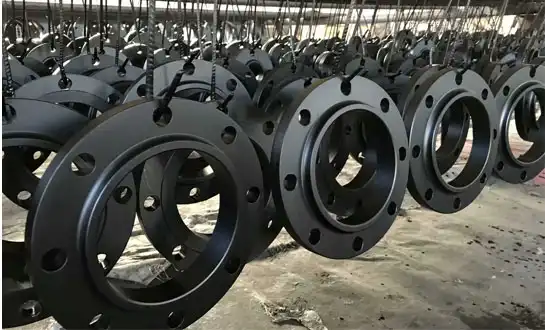
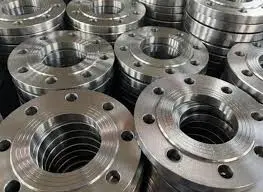
Weld neck flanges are the most difficult parts to make with a CNC because they have to meet very specific geometric and size requirements. For the gasket to compress and close properly, the sealing surfaces on the raised face (RF) and flat face (FF) need to be precisely machined. CNC programming makes it possible to make weld neck flanges that have uniform bore alignment and a sealing surface geometry that meets the requirements of ANSI B16.5.CNC accuracy is very helpful for making sure that slip-on flanges have accurate bore sizes and a flat sealing surface. Slip-on designs have a fairly simple shape, which lets CNC systems keep tolerances tight and reach high production rates. Because CNC cutting is both accurate and fast, it is a very cost-effective way to make slip-on flanges. Ring-type joint (RTJ) facing makes both weld neck and slip-on designs more complicated because the groove shape has to be just right for the ring gasket to fit properly. CNC machining is very good at making the exact groove profiles that are required by API 6A standards. It keeps the important measurements that make sealing reliable under high pressure.
Specialized Designs and Custom Applications
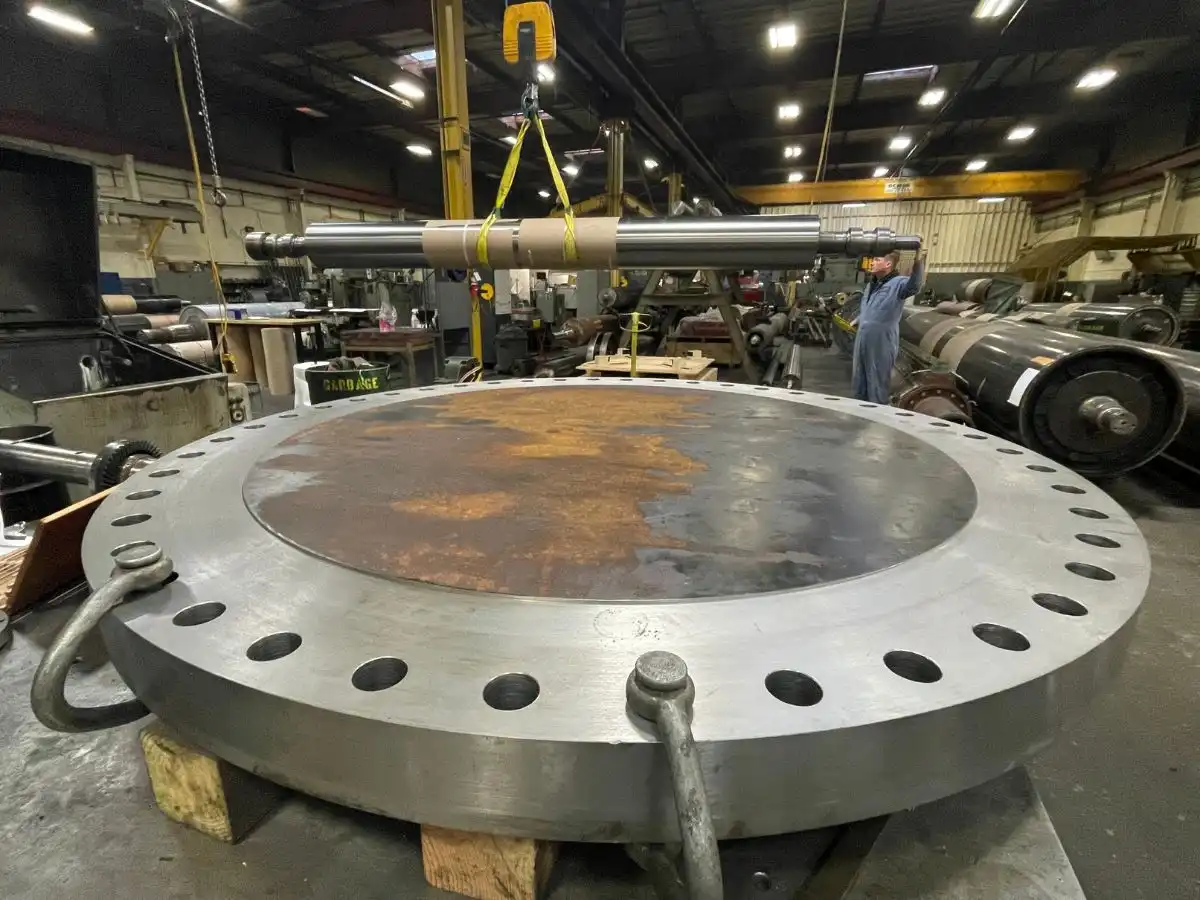
When compared to traditional machining methods, CNC techniques for making blind flanges give them better surface finishes and more accurate measurements. To keep leaks from happening, the flat sealing surfaces of blind flanges need to be very flat, which means that CNC precision is necessary for effective performance. For CNC-made blind flanges, hot-dip galvanising options improve corrosion protection without affecting the accuracy of the dimensions. Because of how the thread geometry and sealing surface requirements combine, threaded flanges are hard to machine in their own way. CNC thread milling makes sure that the thread shapes are exact, and the sealing surface stays flat and has the right finish. With this unified method, you don't have to do any extra steps that might hurt the links between dimensions.CNC accuracy helps make lap joint flanges, which have close-fitting relationships between the stub end and backing flange parts. Consistent dimensional accuracy made possible by CNC machining ensures that completed lap joint connections are aligned correctly and that stress is spread out evenly.
Material Considerations and Machinability
Certain types of stainless steel, like 316L and 321, are often used to make flanges because they are easy to machine when the right CNC settings are used. Because austenitic stainless steels tend to work-harden, cutting speeds and passes need to be carefully controlled to keep the quality of the surface and the accuracy of the dimensions. CNC programming takes these properties of the material into account by choosing the best toolpath methods and cutting parameters. According to ASTM A105 standards, carbon steel flanges have reliable machining properties that let CNC systems get the same results from one production run to the next. Carbon steel is pretty soft, so it can be used to remove a lot of material quickly while still having a good surface finish for most gasket uses. Full MTC (Material Test Certificate) traceability makes sure that carbon steel flanges meet certain standards for their chemical makeup and mechanical properties. When alloy steel is used in high-temperature or high-pressure situations, it needs special CNC code to take into account its higher strength. By choosing the right tools and adjusting the cutting parameters just right, CNC systems can cut these tough materials with the accuracy needed for important closing jobs.
Procurement Considerations: Choosing CNC Precision Flanges
Successful procurement of high-quality flanges requires understanding the technical specifications, performance characteristics, and supplier capabilities that distinguish precision-manufactured components from standard alternatives.
Critical Specifications and Performance Parameters
Flatness tolerances represent perhaps the most important specification when procuring precision flanges for critical applications. Standard commercial tolerances of ±0.005 inches may prove inadequate for high-pressure or hazardous service conditions. CNC-manufactured precision flanges typically achieve flatness tolerances of ±0.002 inches or better, providing enhanced sealing reliability and extended service life. Surface finish specifications directly impact gasket compatibility and sealing performance. Ra values between 32 and 125 microinches suit most industrial applications, but specific gasket materials may require tighter surface finish control. CNC machining capabilities enable manufacturers to achieve consistent surface finishes tailored to application requirements and gasket specifications. Material traceability documentation ensures that flanges meet specified chemical composition and precision flanges' mechanical property requirements. Full MTC certification provides complete documentation of material origin, testing results, and manufacturing processes. This traceability proves essential for applications involving pressure vessel codes, nuclear service, or other regulated environments.
Cost-Benefit Analysis and Lifecycle Value
The initial cost premium associated with CNC precision flanges typically ranges from 15-25% compared to conventionally manufactured alternatives. This additional investment delivers significant value through reduced maintenance requirements, extended service intervals, and improved system reliability. Total cost of ownership calculations often favor precision flanges over standard alternatives when considering long-term operational costs. Leak prevention capabilities of precision flanges translate directly to reduced environmental compliance risks and operational disruptions. The superior sealing performance achievable through CNC precision manufacturing helps organizations avoid costly repairs, environmental citations, and production downtime associated with flange leakage. Quality consistency across production lots provides additional value through simplified inventory management and standardized installation procedures. The predictable performance characteristics of CNC-manufactured flanges reduce the variability that can complicate maintenance planning and spare parts management.
Supplier Evaluation and Selection Criteria
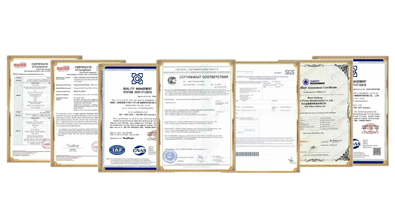
Certifications like ISO 9001:2015 quality management systems show that a seller is dedicated to quality that doesn't change and is always getting better. Extra certifications, like ASME Section VIII or API Q1, show that the person has specialised knowledge in oil and gas or pressure vessel uses. These qualifications give buyers confidence that suppliers have the systems and skills needed to make precision flanges reliably. An evaluation of a company's manufacturing skills should look at its CNC equipment's specs, its ability to inspect things, and its production capacity. Advanced CNC machining centers with automatic tool changing systems and multiple axes show that a provider can work with complicated shapes and keep quality high during large production runs. When working with custom requirements or difficult applications, being able to provide technical help becomes very important. Suppliers who give engineering help, application support, and technical documentation services add value and can lower project risks and make sure the right flange is chosen for each need.
Optimizing Flange Performance with CNC Precision: Best Practices
Maximizing the performance benefits of precision flanges requires attention to manufacturing optimization, proper installation procedures, and proactive maintenance practices that preserve the advantages gained through CNC precision manufacturing.
Manufacturing Parameter Optimization
CNC machining parameter selection significantly influences the surface quality and dimensional accuracy achievable in precision flange production. Cutting speed optimization balances material removal rates with surface finish quality, while feed rate selection affects tool life and surface texture characteristics. Advanced CNC programming incorporates adaptive control systems that automatically adjust cutting parameters based on real-time feedback from the machining process. Tooling selection and maintenance play crucial roles in achieving consistent precision across production runs. Carbide cutting tools with appropriate geometries and coatings provide extended tool life while maintaining surface finish quality. Regular tool inspection and replacement schedules ensure that dimensional accuracy remains within specified tolerances throughout production campaigns. Workholding system design affects both dimensional accuracy and surface finish quality by minimizing part distortion and vibration during machining operations. Hydraulic clamping systems provide consistent clamping forces that prevent part movement while avoiding excessive stress that could cause distortion. Proper workholding design becomes especially critical when machining large-diameter flanges or thin-wall components prone to deflection.
Quality Assurance and Inspection Protocols
During dimensional checking, all important flange dimensions should be measured completely using calibrated coordinate measuring machines or other accurate tools. To accurately measure flatness, you need to use special methods like dial indicator sweeps or laser interferometry to find differences in the surface. Statistical process control methods help find patterns in changes in dimensions that could mean that the process is drifting or that the tools are wearing out. Profilometry equipment is used to check the surface finish and make sure that the areas that have been machined meet the required roughness levels for the best gasket performance. Comparing the surface characteristics that were measured with what the gasket maker suggests helps confirm that the two are compatible and that the sealing should work as expected. Recording measurements of the surface finish makes things easier to find and helps quality control programs. Material verification testing makes sure that the materials used for flanges meet certain chemical composition and mechanical property standards. Positive material identification (PMI) testing with portable XRF analysers quickly confirms the makeup of an alloy, and precision flanges, and hardness testing confirms that heat treatment works. Full documentation on the traceability of materials helps quality programs and meets regulatory standards.
Installation and Maintenance Guidelines
When precision flanges are made, the sealing benefits are maximised by using the right gaskets and installing them correctly. To get the best results, gasket materials must be compatible with the process conditions and the way the flange surface is made. Before tightening the bolts, the installation process should check that the sealing surface is clean and that the gasket is lined up correctly. When applying torque, it's important to pay close attention to the right order and amount to make sure that the gasket is compressed evenly and stresses are spread out evenly. Cross-pattern tightening steps help spread stress evenly, and calibrated equipment used for torque verification makes sure that the bolt loads are correct. Keeping records of how things were installed and how much torque was used can help with planning maintenance and fixing problems. As part of regular maintenance, flange joints should be checked for signs of leaks, corrosion, or gasket wear. Visual inspection methods can find problems early on, before they get worse and become practical problems. Using ultrasonic testing or thermal imaging for predictive maintenance helps find problems before they happen while the links are still working.
Conclusion
CNC precision manufacturing fundamentally transforms flange performance through superior dimensional accuracy, consistent surface quality, and enhanced sealing capabilities. The technological advantages of computer-controlled machining enable the production of flanges that exceed traditional manufacturing capabilities while meeting stringent industry standards. Precision flanges manufactured through CNC processes demonstrate measurably better sealing performance, extended service life, and enhanced system reliability compared to conventionally produced alternatives. The investment in CNC precision technology delivers significant value through reduced maintenance costs, improved safety margins, and enhanced operational reliability for critical industrial applications.
FAQ
1. What tolerances can CNC precision achieve for flange flatness?
CNC machining typically achieves flange flatness tolerances of ±0.002 inches (±0.05 mm) or better, significantly exceeding the ±0.005 to ±0.010 inches achievable through conventional machining methods. These tight tolerances ensure superior gasket compression and sealing performance.
2. How does surface finish affect flange sealing performance?
Surface finish directly impacts gasket compatibility and sealing effectiveness. CNC machining produces consistent surface roughness values between 32 and 125 microinches Ra, optimized for specific gasket materials and application requirements. Smoother finishes work better with metallic gaskets, while slightly rougher textures may benefit elastomeric seals.
3. What flange types benefit most from CNC precision manufacturing?
All flange types benefit from CNC precision, but weld neck and RTJ configurations show the most significant improvements due to their complex geometries and critical dimensional requirements. The precise groove profiles required for RTJ applications particularly benefit from CNC accuracy and consistency.
4. How do CNC precision flanges compare cost-wise to standard flanges?
CNC precision flanges typically cost 15-25% more initially than conventionally manufactured alternatives. However, the total cost of ownership analysis often favors precision flanges due to reduced maintenance requirements, extended service intervals, and improved reliability that reduces operational disruptions.
Choose RAYOUNG for Superior CNC Precision Flanges
RAYOUNG delivers exceptional CNC-manufactured precision flanges that exceed industry standards for flatness, surface finish, and dimensional accuracy. Our advanced manufacturing capabilities produce ANSI, DIN, precision flanges, and JIS standard flanges with RF, FF, and RTJ facings suitable for demanding high-pressure applications. Each flange features CNC-machined sealing surfaces that achieve superior flatness tolerances and optimal surface finishes for reliable gasket performance. We provide full MTC traceability documentation and offer hot-dip galvanizing options for enhanced corrosion resistance. Contact our precision flanges supplier team at info@hb-steel.com to discuss your specific requirements and experience the RAYOUNG difference in quality and service.
References
1. ASME B16.5 Pipe Flanges and Flanged Fittings
2. ISO 7005 Metallic Flanges
3. ASME PCC-1 Guidelines for Bolted Flange Joint Assembly
4. API 6A Specification for Wellhead and Christmas Tree Equipment
5. Projectmaterials Flange Surface Finish Guide

Need a quote? Want to see samples? Just say hello. We’re friendly. We’re fast. And we’re ready when you are.
Welcome to RAYOUNG – Strong Pipes, Stronger Promise