Welded Pipe Fittings: Buying Checklist for SEA Buyers
When people in Southeast Asia want to buy welded pipe fittings for commercial use, they have to deal with a lot of complicated technical requirements, seller qualifications, and regional compliance rules. Compared to threaded ones, welded pipe fittings provide more reliable and leak-resistant connections in high-pressure pipe systems. In tough industrial settings, it's important to know the basic differences between socket weld and butt weld setups, as well as the requirements for material compatibility and approval standards.
Understanding Welded Pipe Fittings: Basics and Key Specifications
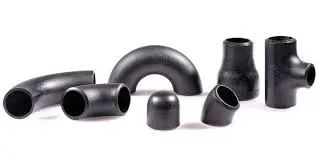
Welded pipe fittings are critical components of industrial piping systems because they make permanent links that can handle high temperatures and pressures. The main way these parts are different from mechanical fittings is that they join together using fusion, which makes it possible for pipes and direction changes to fit together smoothly.
Essential Types and Manufacturing Methods
When it comes to pipe systems, the two main types of weldable connections are used for different tasks. Socket weld fittings have holes in them where pipes can be inserted before the joint is made with fillet welding. This design works great for smaller diameter uses where installation is important, but the socket design leaves a small crevice gap inside that needs to be considered in places where corrosion is a problem. For total fusion welding, butt weld fittings need to be carefully prepared because the ends of the pipe must line up directly with the edges of the fitting. This method eliminates internal crevice and improves flow characteristics, which makes it perfect for high-pressure oil and gas transfer applications where internal pressures are very high. The permanent fusion stops fatal leaks in pipelines that are far away and hard to reach for upkeep. The manufacturing method has a big effect on how well and how much a fitting costs. Cold forming is commonly used for smaller sizes and thinner wall fittings with high dimensional accuracy, while hot forming can handle larger sizes and more complicated shapes. Heat treatment methods improve the qualities of materials. This is especially true for alloy steel that is used in supercritical power generation and needs to be resistant to creep rupture and thermal wear at temperatures above 600°C.
Material Selection and Standards Compliance
Fitting life and safety performance are directly affected by how well the materials work together in a wide range of industry settings. For normal pressure and temperature, carbon steel types are the most cost-effective option. Stainless steel types, on the other hand, don't rust in chemical processing plants that move volatile acids or harmful fluids. Eliminating threaded joints helps prevent crevice corrosion and rust pockets from forming when the temperature changes. Dimensional correctness, the make-up of materials, and testing needs are all governed by international standards. ASTM standards define chemical composition, mechanical properties, manufacturing requirements, and testing procedures, while ASME rules set ratings for pressure and temperature and design factors. International purchasing is consistent around the world thanks to ISO standards, which make sure that all projects involving multiple countries can work together. Quality control using non-destructive testing methods confirms that the product is internally sound and that the measurements are correct. Ultrasonic testing shows internal breaks, and X-rays show that the fusion has gone all the way through.When strict safety regulations mandate the use of certified components in pressure vessels and welded pipe fittings, these rigorous inspection processes become even more critical.
Critical Buying Criteria for SEA Buyers: Matching Requirements to Product Features
Southeast Asian factories have their own problems that need to be carefully matched with fitting specs and operating needs. Systematic review methods are needed because of differences in regional climate, local laws, and different industry uses.
Pressure Ratings and Environmental Compatibility
The choice of pressure class is based on how the system is working and the safety requirements set by local laws. Class 150 fittings are good for normal industry uses, while Class 300 and higher grades can handle high-pressure situations that are common in petrochemical plants. As working temperatures rise, temperature derating factors lower the allowed pressures. This means that installations in tropical climates need to be carefully calculated. Corrosion protection is especially important in coastal industry areas where saltwater contact speeds up the breakdown of materials. Grades 316 and 316L of stainless steel are better at resisting chloride, and duplex metals are better for marine uses because they have better strength-to-weight ratios. Choosing the right materials keeps things from breaking down too soon and lowers the total cost of ownership by making them last longer.
Certification and Quality Assurance Requirements
Different SEA markets have different regional compliance standards. Some use international codes, while others stick to their own local rules. Understanding the relevant pressure tank codes, standards for welding procedures, and inspector licensing requirements can help you avoid costly delays in the project completion.
- Here are the main steps for quality assurance that make sure compliance:
- Material Traceability Documentation: mill test records that show the chemical make-up and mechanical features meet certain standards; tracking heat numbers for quality control all the way through the supply chain.
- Dimensional Inspection Reports: These are official measurements that show if the work is in line with the specs shown on the drawing. They include measurements of the wall thickness and the surface finish, which affect the choice of welding process.
- Non-Destructive Testing Certificates: reports from ultrasonic, radiological, or magnetic particle inspections that show the item is structurally sound and has a smooth surface, as required by relevant codes.
These testing methods give people faith in the dependability of parts while also meeting legal requirements in a wide range of industry settings. Having the right paperwork makes it easier to get through customs and keeps projects on schedule by preventing quality problems that come up during the installation phase.
Customization and Volume Considerations
Customized fitting solutions that improve installation speed and lower the need for field welding are helpful for large projects. Standard stock items might not be able to meet specific geometric or metal needs, so it's important for suppliers to be able to customize their products for complicated installs. Strategies for buying things are affected by minimum order numbers, especially when it comes to special materials or sizes that aren't standard. To find the best balance between inventory prices and delivery times, project schedules and suppliers' production skills need to work together. Early engagement with your welded pipe fittings supplier facilitates better project planning and opens up opportunities for volume discounts through consolidated purchasing.
Supplier and Brand Selection: Navigating the Market for Trusted Partners
The choice of supplier has a direct effect on the success of the project through consistent quality, reliable delivery, and the ability to provide expert assistance. Trustworthy manufacturers with a history of success can give you peace of mind, while new sources may be able to offer low prices and good quality.
Manufacturer Credentials and Regional Presence
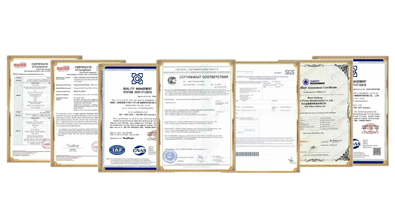
Leading providers keep full quality management systems that are approved to ISO 9001:2015 standards. This shows that they use organized methods to be consistent and keep getting better. Extra certificates like API, NACE, or Lloyd's Register show that the person is an expert in difficult apps. Delivery times and the availability of local help are affected by regional transportation networks. Suppliers who have been in SEA for a while know what the needs are in the area and keep their stock closer to the sites of projects. Local technical support makes it easier to solve problems and gives engineers help during the planning process.
Verification Methods and Due Diligence
Supplier checks show what kind of industrial skills, quality control methods, and how well the management system works. Physical inspections of the building prove that the quality control lab and production tools are up to par. Documentation checks make sure that the certification is accurate and that the tracking system is being used correctly. Checking references with current customers gives you an idea of how well a seller will do on a real job. Customer feedback shows how reliable delivery is, how consistent quality is, and how quickly technical help responds. Sample reviews let you directly judge the quality of a product before you buy a lot of it. Assessing a supplier's financial health guards against them going bankrupt while the project is being carried out. Credit records, financial statements, and checks on the image of the industry all lower the risks that come with a seller going bankrupt or causing problems with operations. Long-term ties with suppliers require trust that the business will continue to run.
Pricing, Procurement, and Logistics: Ensuring Cost-Effectiveness and Timely Delivery
To get the best price, you need to know how the different parts of the price work together with technical standards and shipping times. Unit prices are directly affected by the cost of materials, the difficulty of production, and the quality.
Cost Structure Analysis and Negotiation Strategies
The prices of base materials change with the prices of commodities, especially for alloys and stainless steel. Knowing how the market is moving lets you plan the best time to make big purchases or sign long-term deals that keep prices stable. Complexity in manufacturing drives up costs by requiring more steps in the production process, special tools, or longer production times. Volume savings are given for bigger orders, but the minimum order quantity may be higher than what the project needs right now. You can reach volume limits by combining needs from different projects or working with other buyers. Price stability is provided by annual deals with planned drops, while inventory freedom is maintained. Testing and certification costs vary with specification requirements and applicable standards. Specific testing methods are more expensive than standard certifications, but for safety-critical uses, welded pipe fittings may require more thorough proof. By knowing what tests are needed, you can accurately compare the costs of different providers and standard options.
Procurement Channels and Import Logistics
When you work directly with a manufacturer, you can get the best prices and expert help, but the minimum orders may be too high for smaller projects. When it comes to ease and availability, authorized wholesalers are willing to take on higher unit costs in exchange for smaller amounts and local stock. Online platforms give buyers more choices when it comes to suppliers, but they also require more proof that the products are real and that the suppliers are legitimate. Some of the paperwork that is needed to import goods includes commercial invoices, packing lists, certificates of origin, and quality certifications. How goods are classified correctly under harmonized tariff codes changes the tax rates and the time it takes to handle customs. Preparing the necessary paperwork ahead of time keeps lines at the port of entry from building up. When shipping something, you need to think about how to package it, what kind of transportation to use, and how to coordinate arrival times. When they get to their location, heavy-fitting shipments may need special handling tools. Coordinating delivery dates with project plans cuts down on the amount of store space needed and the cost of handling.
Best Practices and Practical Recommendations for SEA Buyers
To make buying work well, you need to use organized methods that take into account technical needs, seller qualifications, and coordinating logistics. Set processes to lower dangers and improve performance in terms of cost and schedule.
Procurement Process Optimization
Getting suppliers involved early on in the planning process opens up chances for value engineering and shows where supply chain constraints might arise. Working together with reliable sources lets you get expert help that makes the specs better while still meeting safety and performance standards. Before committing to a buy, a quality agreement sets out what is expected, what needs to be inspected, and what is acceptable. Clear standards stop confusion and provide a way to check the quality. Procedures for resolving disputes effectively deal with possible conflicts.
Risk Mitigation Strategies
Diversifying your suppliers makes you less reliant on a single source while keeping the competition high. Qualified backup providers give you choices in case your main suppliers have problems. Regional networks of suppliers lower the risks and unknowns of shipping and delivery. Carrying costs and stock-out threats are weighed by inventory management.
Critical-path items, such as specialized welded pipe fittings, must be meticulously coordinated with project schedules, whereas standard components can be optimized through bulk purchasing and strategic inventory management.
Demand estimation helps with making purchases and makes it easier for suppliers to work together. Quality control methods check for conformance when they are received, which stops the fitting of broken parts. Sampling plans decide how thorough a check should be based on the past of the provider and how important the part is. Corrective action methods deal with non-conformances in a planned way.
Conclusion
To buy welded pipe fittings successfully in SEA markets, you need to know a lot about the technical requirements, the supplier's skills, and the region's factors. Quality assurance through proper certification and testing procedures makes sure that parts will work, and smart relationships with suppliers give you a competitive edge by giving you better service and lower prices. Logistics planning and risk reduction tactics that work well help projects get finished on time and on budget. By using organized buying methods that take these important factors into account, buyers get the best results and build long-lasting relationships in the supply chain that help their businesses succeed in the long run.
FAQ
1. What are the main differences between socket weld and butt weld fittings?
Socket weld fittings have holes in them where pipes can go before they are fillet-welded. This makes them easier to put on systems with smaller diameters. But the slot makes a hole inside that could collect dirt or help rust happen. Butt weld fittings line up the ends of the pipe with the edges of the fitting for full fusion welding. This eliminates internal crevice and gives the best flow qualities, making them perfect for high-pressure uses.
2. How do I verify supplier credentials and product quality?
Check out vendors by having them do building checks, reviews of their certifications, and calling past customers. Make sure the company has ISO 9001:2015 quality management certification and any other industry approvals that are needed, such as API or NACE. Ask for certificates of non-destructive tests, dimensional inspection records, and material traceability paperwork. Sample reviews let you directly check the quality of something before making a big investment.
3. What material specifications should I consider for corrosive environments?
For coastal uses, stainless steel types 316 and 316L are better at resisting chloride, while duplex alloys are better for ocean sites because they have higher strength-to-weight ratios. For chemical processes, you need materials that don't allow crevice corrosion by completely fusion welding them together instead of threaded connections, which allow corrosion pockets to form.
4. How can I optimize procurement costs without compromising quality?
To get volume discounts, combine needs across projects and make yearly agreements with set release dates to keep prices stable. During the planning phase, involve providers to find ways to save money while still meeting safety standards. Direct relationships with manufacturers should be weighed against the ease of working with distributors based on the size of the project and the need for expert help.
5. What import documentation is required for SEA markets?
Commercial bills, packing lists, certificates of origin, and material quality certifications are some of the documents that are needed. Harmonized tariff code classification affects both tax rates and the speed with which customs processes are carried out. Planning ahead keeps ports from being late, and working with project plans cuts down on storage needs and handling costs.
Partner with RAYOUNG for Superior Welded Pipe Fitting Solutions
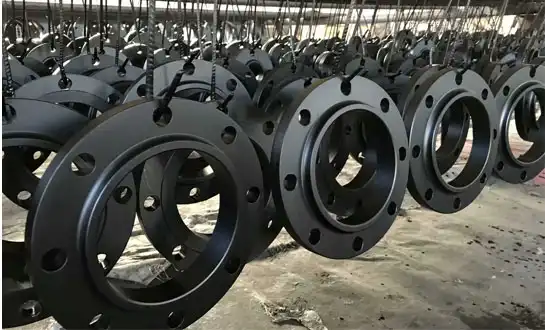
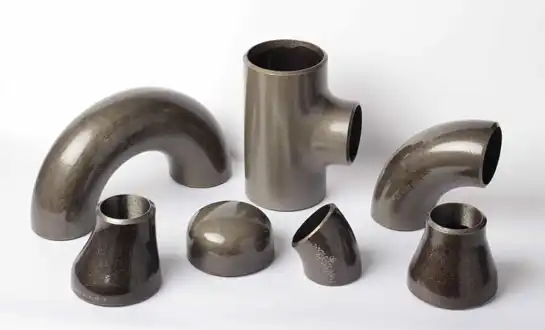
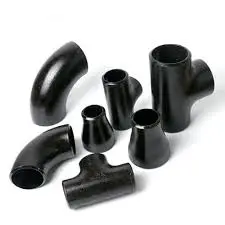
RAYOUNG is a premier manufacturer and trusted supplier of industrial welded pipe fittings, offering comprehensive piping solutions for the most demanding applications worldwide. Our extensive product portfolio includes premium welded pipe fittings—such as buttweld steel elbows and reducers—as well as industrial flanges, ensuring safe and reliable connection points across your entire piping system. With GOST-R and SGS certificates that prove we follow export rules and quality standards, we give SEA buyers the technical know-how and high-quality products they need. Get in touch with our team at info@hb-steel.com to talk about your unique needs and find out how our ISO 9001:2015-certified processes can help your important infrastructure projects offer consistent quality and performance.
References
1. American Society of Mechanical Engineers. "ASME B16.9 - Factory-Made Wrought Buttwelding Fittings." ASME International, 2018.
2. ASTM International. "ASTM A234/A234M - Standard Specification for Piped Fittings of Wrought Carbon Steel and Alloy Steel for Moderate and High Temperature Service." ASTM International, 2019.
3. Chen, Liu, and Wang, Ming. "Welding Technology and Quality Control in Industrial Pipe Fitting Manufacturing." Journal of Materials Processing Technology, vol. 287, 2020, pp. 116-128.
4. International Organization for Standardization. "ISO 3419:2019 - Non-alloy and alloy steel butt-welding fittings." ISO Publications, 2019.
5. Thompson, Robert J. "Supply Chain Risk Management in Industrial Component Sourcing: A Southeast Asian Perspective." International Journal of Production Economics, vol. 234, 2021, pp. 108-119.

Need a quote? Want to see samples? Just say hello. We’re friendly. We’re fast. And we’re ready when you are.
Welcome to RAYOUNG – Strong Pipes, Stronger Promise