Blind Flange Uses: Middle East Pressure Test Guide
For working safety and project success, it is important to know how to use blind flanges correctly when doing pressure tests in industrial buildings in the Middle East. A blind flange is an important sealing part that ends pipeline systems during pressure testing. This makes sure that there is full separation while keeping the integrity of the system. Engineers and builders can use this solid disc-shaped fitting, which is made without a centre bore, to test high-pressure systems that are popular in petrochemical plants, oil refineries, and gas processing facilities across the area.
Understanding Blind Flanges and Their Uses in Pressure Testing
In order to pass industrial pressure testing, parts must be able to survive harsh circumstances and seal completely. Blind flanges work great in these situations because they completely stop the flow of fluid, which makes them necessary for separating pipeline parts during hydrostatic or gas testing.
Definition and Core Functions
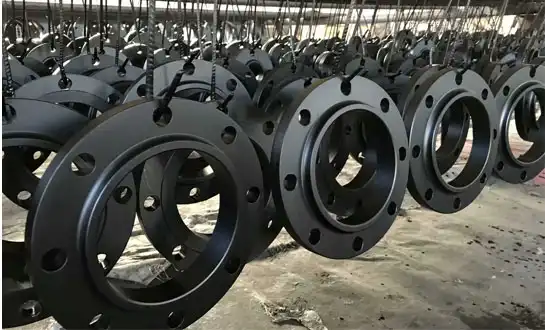
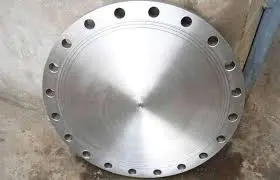
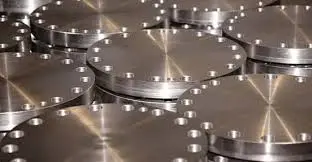
According to ASME B16.5 standards, a blind flange is designed as a solid disc used to fully close the end of a pipe system and meet specified dimensional and pressure rating requirements. Slip-on or weld-neck flanges have central bores that allow flow to continue. This part, on the other hand, is a detachable cap that experiences significant bending stress across the flange face due to internal pressure, particularly between the center and bolt circle.
These parts are useful for engineers because they help solve two main problems in industry. They provide safe, leak-proof seals for the end of a high-pressure line, and they make it easy for repair teams to take the pipeline apart without having to cut or weld.
Critical Applications in Middle East Industries
The harsh climate in the Middle East and the needs of many industries make choosing the right flanges very important for the success of a project. In this area, oil and gas companies use these sealing parts a lot to test the pressure of newly installed pipes, check their integrity on a regular basis, and shut down for repair.
During downtime operations, when whole process units are tested in a planned way, petrochemical plants use these flanges. Isolating certain parts of a system while keeping the pressure integrity of the rest of the system is very helpful for reducing downtime and keeping repair costs low.
Municipal water systems and power plants also use these parts for isolation and pressure testing when required. Because it is replaceable, changes can be made to the system in the future without having to permanently change the infrastructure.
Types and Specifications of Blind Flanges for Middle East Pressure Tests
To select the correct flange specifications, you must understand the different types of blind flanges available and how they perform under various pressure testing conditions.
Depending on the construction needs, pressure levels, and environmental conditions, each type has its own benefits.
Manufacturing Methods and Material Selection
When used in the Middle East, the choice between machined and cast blind flanges has a big effect on how well they work. When parts are forged, they have better mechanical qualities, which means they are stronger and more reliable under high pressure. The forging process makes a fine grain structure that doesn't let stress build up. This makes these flanges perfect for use in petrochemical and plant settings where they need to be strong.
Plate-machined blind flanges offer cost-effective options for lower-pressure applications while still providing sufficient performance for standard testing processes. These parts work well with building services and public water systems where performance needs to be balanced with cost.
Choosing the right materials is also important for making sure that something will last in the hard temperatures of the Middle East. Different types of carbon steel are very strong and protect against rust well. Stainless steel types, on the other hand, are better at resisting chemical contact and changing temperatures.
Standard Compliance and Pressure Ratings
Dimensions, pressure levels, and material requirements for flanges are set by international standards such as ASME, DIN, EN, and ISO. ASME B16.5 covers flanges from NPS 1/2 to 24 with pressure classes up to Class 2500, and ASME B16.47 covers applications with bigger diameters and higher pressures that are typical in large manufacturing sites.
When you know what a pressure class means, you can make the right choice for your testing needs. Class 150 and 300 flanges are used for most city and building services, while Class 600 through 2500 parts are used for high-pressure chemicals and oil refining processes.
Comparison of Blind Flanges for Optimal Pressure Testing Performance
To compare different types of flanges, you need to look at how well they work in a range of pressure testing situations. This comparison helps people who work in procurement make smart choices based on business needs and spending limits.
Performance Analysis Across Flange Types
The most important difference between blind flanges and bored options is how they handle pressure. Standard blind parts have to be able to handle full internal pressure working on their flat surface. This causes higher bending loads that need thicker materials to get the same pressure values.
This structural condition has an impact on both efficiency and cost. Even though blind flanges may be more expensive than slip-on options with the same grades, they can't be replaced for pressure testing because they offer complete separation.
Sealing Effectiveness and Durability Factors
When pressure testing, gasket matching is very important for getting good seals. For mild pressure situations, raised face configurations and spiral wound gaskets work well together. For high-pressure situations topping Class 600 ratings, RTJ (Ring Type Joint) faces provide more reliable sealing in high-pressure and high-temperature applications.
When used in the Middle East, where chemicals and changing temperatures can be hard on regular gasket materials, the metal-to-metal sealing that can be achieved with RTJ designs is especially useful. Engineers can choose the right face types for testing needs when they understand these closing processes.
Long-term durability in harsh Middle Eastern environments is directly dictated by the quality and grade of the materials used to manufacture the blind flange. Different types of duplex stainless steel are very good at resisting salt-stress rust and keeping their mechanical strength when pressure is applied and removed. In areas affected by seawater, like those found in coastal industrial sites, Cu-Ni alloys work better.
Procurement Guide for Blind Flanges in the Middle East Market
Strategic planning for purchasing makes sure that projects are finished on time and within budget while keeping high standards. Procurement teams can improve the performance of their supply chains by learning about how the market works, what suppliers can do, and how to handle transportation.
Supplier Evaluation and Selection Criteria
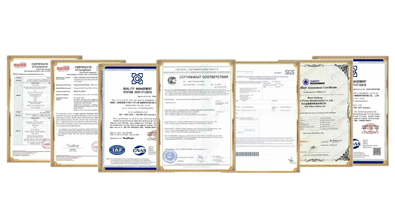
Manufacturers with a good reputation keep thorough quality control systems that make sure their products always work well. Some of the most important things that are looked at when judging are ISO 9001:2015 certification, paperwork that shows where the materials came from, and pressure testing papers that prove the stated performance capabilities.
For project planning and expert advice, local distributor networks are very helpful. Often, these relationships offer services like managing inventory, faster delivery choices, and helpful support in the field that comes in handy during key project stages.
Cost Factors and Lead Time Considerations
Material costs change based on global steel markets, so planning purchases early is important for keeping track of budgets. Stainless steel grades usually cost more than carbon steel options, and delivery times may be longer for unusual alloys that are needed for specific uses.
Through distributor inventory plans, faster wait times are usually possible for standard sizes and popular pressure values. Custom specs or needs for large diameters often mean that mill production plans have to be changed, which greatly extends delivery times.
Strategies for buying in bulk can save money and make sure there is enough inventory to finish a job. But the costs of storage and keeping goods must be weighed against the benefits of lower prices and more security.
Installation Guide and Best Practices for Safe and Effective Pressure Testing
Properly installing a blind flange using the correct fitting methods ensures accurate pressure test results while strictly maintaining safety standards throughout the testing process. By following set processes, you can get accurate pressure integrity tests with the least amount of risk.
Pre-Installation Preparation and Alignment
The first step in getting a pipeline ready is to clean the flange faces very well to get rid of any scale, rust, or other dirt that might affect how well they bond. A look at the surface should make sure that the seal is fitting properly and that there is no damage that could affect that.
During pressure testing, flange alignment is very important for making sure that the seal is compressed evenly and that no leaks happen. When things aren't lined up right, stress is spread out unevenly, which can lead to seal failure or bolt overloading, which could lead to a dangerous pressure release.
Bolting Techniques and Torque Specifications
When you put something together correctly, you should follow set force steps that make sure the gasket is compressed evenly around the whole flange. Cross-pattern tightening spreads stress evenly and stops the seal from stretching or pulling out.
ASME PCC-1 gives detailed instructions on how to put together flanges, including which bolts to use, how much oil to use, and how much pressure to use for each type of seal. By following these steps, you can be sure of getting regular results and keeping your workers safe during installation and tests.
Regularly checking the bolts during long-term pressure testing finds any possible weakening that could weaken the seal. Torquing processes should stick to set plans that are based on the length of the test and the number of pressure cycles that need to be done.
Conclusion
For pressure tests to go well in industrial settings in the Middle East, the blind flanges must be chosen, installed, and maintained correctly. It is important to understand the technical requirements, material factors, and procedure standards in order to get accurate results and keep operations safe. The tough conditions in petroleum, oil refining, and city building projects call for parts that keep working well even when they are under a lot of stress and in harsh environments. Strategic planning for purchases and using the right installation methods help project teams meet their testing goals while keeping costs low and deadlines on track.
FAQ
1. What makes blind flanges different from other flange types in pressure testing applications?
Because blind flanges don't have a centre bore, they can be used to terminate the whole pipeline during pressure tests. Slip-on or weld-neck flanges let flow continue, but blind flanges completely block flow by putting all of the system pressure on their solid face. For this design to work, the thickness has to be bigger than for bored flanges with the same pressure values.
2. Which materials provide the best durability in Middle Eastern environments?
Duplex stainless steel is very good at resisting chloride stress rust and keeps its mechanical strength when pressure is applied and removed. It has been shown that Cu-Ni alloys work better in settings affected by seawater for coastal uses. When chemicals aren't present in large amounts, carbon steel that has been properly protected against rust is still a cost-effective choice for many uses.
3. How should procurement teams estimate lead times for bulk orders?
Standard sizes and pressure levels usually keep shipping between 2 and 4 weeks through distributor stock. Mill production may take 8 to 12 weeks if the requirements are exact. It usually takes 12 to 16 weeks for exotic materials or large sizes. Early planning for purchases and talking to suppliers help make project plans that are more realistic.
Partner with RAYOUNG for Reliable Blind Flange Solutions
When it comes to demanding Middle Eastern pressure testing uses, RAYOUNG offers a full range of blind flange options. We have a huge selection of parts in carbon steel, stainless steel, and rare metals that meet ASME B16.5 and B16.47 standards. All of these parts are backed by ISO 9001:2015 certification and SGS inspection and testing reports. We've been working with EPC contractors, industrial end-users, and government building projects for decades, so we know how important it is for your business to have on-time delivery and consistent quality. For expert advice on your specific pressure testing needs, email our technical team at info@hb-steel.com. Discover why top EPC contractors and industry leaders choose RAYOUNG as their preferred blind flange manufacturer for critical industrial applications.
References
1. American Society of Mechanical Engineers. ASME B16.5-2020: Pipe Flanges and Flanged Fittings. New York: ASME Press, 2020.
2. Bickford, John H. Gaskets and Gasketed Joints: Design, Selection and Testing. 3rd ed. Boca Raton: CRC Press, 2018.
3. Pressure Vessel Research Council. Guidelines for Pressure Boundary Bolted Flange Joint Assembly. New York: ASME Press, 2019.
4. International Association of Oil & Gas Producers. Flange Management Handbook: Integrity and Leak Prevention. London: IOGP Publications, 2021.
5. Industrial Maintenance Society. Best Practices for Pipeline Pressure Testing in High-Temperature Environments. Houston: IMS Technical Publications, 2023.

Need a quote? Want to see samples? Just say hello. We’re friendly. We’re fast. And we’re ready when you are.
Welcome to RAYOUNG – Strong Pipes, Stronger Promise