How Are Flanged Pipe Spools Designed for Faster Installation?
Flanged pipe spools are prefabricated piping sections featuring flanged connections at both ends, engineered specifically to reduce onsite labor hours and minimize installation complexity. These modular assemblies combine precision-machined flanges with pipe segments that meet ASTM A106 or API 5L standards, delivered fully fabricated, factory-coated, and hydrostatically tested for immediate bolt-up installation. By moving complex fabrication tasks from the field to controlled manufacturing environments, flanged pipe spools dramatically shorten project schedules while improving quality control, making them indispensable for procurement professionals focused on meeting tight deadlines without compromising safety or compliance.

Understanding Flanged Pipe Spools and Their Specifications
What Defines a Flanged Pipe Spool?
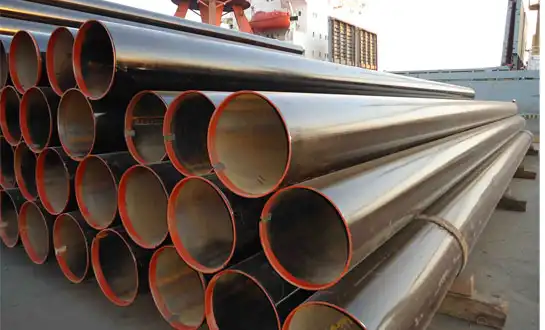
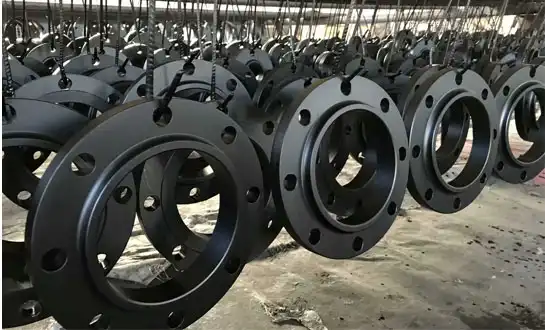
Flanged pipe spools typically use flanges that comply with ASME B16.5 or ISO 7005 standards and consist of a carbon steel or stainless steel pipe section with flanges welded onto each end. The pipe body is made according to standards like ASTM A106 for seamless carbon steel or API 5L for line pipe. It comes in schedule grades from SCH 10 to SCH 160 to meet different pressure needs. These spools serve as connections between large pieces of equipment, valves, or other parts of the piping system. They are modular, which makes installation and future maintenance easier.
Material Standards and Compliance Requirements
For industrial uses, materials must be carefully matched to their specs. Carbon steel spools made to ASTM A106 Grade B have good tensile strength and are suitable for elevated-temperature services involving steam, water, and hydrocarbons when the applicable design conditions are met. For pipeline uses, API 5L Grade B pipes provide higher specified strength than Grade A pipes and are available in seamless and welded forms depending on the product specification. For oil and gas installations, sour service compliance according to NACE MR0175/ISO 15156 is very important for equipment exposed to H₂S-containing environments in oil and gas production. Anti-corrosion coatings make things last longer in wet or chemically harsh environments.
Common Installation Challenges in Industrial Settings
Installation teams run into many problems that make the project take longer to finish. Problems with alignment between equipment that was already installed and new pipes need to be fixed in the field, which takes time and effort. Things in the environment, like tight areas, elevated work platforms, and extreme weather, can make bolt-up processes more difficult. Because of corrosion issues, it is important to choose the right gasket and follow the torque specs. Also, pressure testing procedures add time to the commissioning plan. When procurement teams are aware of these problems, they can choose plans that get supplies to the job site faster and more efficiently.
Key Design Principles That Enable Faster Installation
A good spool design includes a number of smart elements that work together to cut down on installation time while maintaining structural integrity and ensuring its reliability.
Modular Configuration and Standardization
Standardized flange measurements based on ASME B16.5 Class 150, 300, or 600 ratings make sure that products from different makers can work together and lower the chance of size mismatches. Modular spool lengths—usually 10, 15, or 20 feet—align with standard pipe rack spacing and equipment setups, which means that fewer cuts and changes need to be made in the field. Standardization like this lets installation teams confidently use assembly plans, knowing that parts will fit together without having to do a lot of extra work.
Precision Fabrication Techniques
Precision CNC turning of the flange gasket seating faces guarantees strict face flatness and serration profile compliance per ASME B16.5. This helps produce consistent sealing surfaces that stop gasket creep and bolt load relaxation. Automated welding methods help maintain consistent penetration and heat-affected zone characteristics. This gets rid of weak spots that could break under repeated loading. Quality control procedures, such as measuring, dye penetrant testing, and radiographic testing, make sure that every spool meets the standards before it is shipped. This keeps expensive field rejects from happening.
Material Selection for Handling Efficiency
Lightweight materials that last a long time make installation faster and easier to do by hand. Carbon steel spools with schedule 40 walls are strong and light at the same time. Thin-film anti-corrosion coatings, like epoxy or polyurethane systems, add little weight while defending against rust in storage and use. Welders can start fitting right away after receiving the pipe ends that have been beveled to meet ASME B16.25 standards. This eliminates the need for beveling tools to be brought to the job site.
Comparative Analysis: Flanged Pipe Spools vs. Alternative Solutions
The best way to join things relies on the needs of the job in terms of how quickly they need to be installed, how easy they are to maintain, and their pressure-temperature ratings.
Flanged Connections Versus Welded Systems
Welded pipe systems have fixed joints that can provide reliable service when properly designed and welded, but they need qualified welders, appropriate non-destructive testing, and, where required by the applicable code, post-weld heat treatment. Each joint has to cool down and be checked before the next one can be installed. With flanged links, spool-to-spool joints don't need to be welded, so more than one crew can work on different parts at the same time. Bolt-ups take minutes instead of hours, and taking something apart for maintenance or changes only needs wrench work instead of cutting and welding again.
Threaded Connections and Their Limitations
NPT and BSPT threaded fittings are commonly used for lower-pressure services, but their allowable pressure depends on the thread standard, material, size, temperature, and applicable design requirements. Engaging threads creates stress concentration points that can fail due to fatigue, and putting things together over and over again wears down sealing surfaces. Threaded connections also restrict the internal flow bore, resulting in higher localized turbulence and increased pressure drop. Flanged connections can maintain the full pipe bore when properly matched to the pipe size, spread stress evenly across bolted joints, and handle higher pressures—Class 300 flanges can handle up to 720 psi at 100°F—which makes them better for industrial piping systems.
Carbon Steel Versus Stainless Steel Trade-Offs
It is easy to work with carbon steel spools because the material is cheap and easy to find. This makes them perfect for general industrial use where coatings can protect against corrosion. 304L and 316L types of stainless steel are naturally resistant to rust, so you don't have to worry about coating damage during installation or use. The choice of material affects not only service life and lifecycle cost but also handling and installation requirements. For example, stainless steel spools can sometimes use thinner wall schedules when their higher allowable stresses permit it, but their weight depends on the selected grade, dimensions, and design requirements.

Design Guidelines and Best Practices for Faster Installation
To get the best spool design, engineering teams and installation staff need to work together to deal with problems that can happen in the field.
Bolt Pattern Selection and Flange Face Types
Standardized bolt-hole patterns make it easier to line up flanges during assembly because mating flanges are designed to use compatible bolt patterns. Flanged pipe spools can be assembled more efficiently when the standardized bolt pattern minimizes the number of fasteners that need to be installed, while the bolt size and quantity must comply with the applicable flange standard and joint design requirements. Ring-type joint (RTJ) flanges work well in high-pressure situations but need to have their grooves precisely machined. On the other hand, flat-faced flanges can handle a little misalignment in low-pressure systems that serve cast iron equipment.
Balancing Standard Components with Customization
Off-the-shelf flanges, seals, and fasteners cut the time it takes to get them from weeks to days, which lets projects stick to tight plans. Customization is needed when standard configurations cannot be used because of equipment nozzle positions, piping layouts, or space limitations. These factors should be balanced during the design process, while standard flange grades and facing types should be used whenever possible. This method cuts down on planning time while making sure that parts come ready to be installed right away.
Real-World Application Examples
A refinery expansion on the Gulf Coast cut the time it took to install spools by 40% by asking for pre-assembled spools that came with flanges, gaskets, and bolt sets already put together. Field workers no longer had to find individual parts in different storage areas and make sure they worked with each other. This saved about two hours per link across 200 joints. Similar efficiencies were achieved at a Midwest chemical processing facility that specified prefabricated flanged spools with factory-machined gasket faces, enabling field mechanical crews to complete tie-in joints immediately without waiting for on-site fit-up and welding crews.
Procurement Considerations for Fostering Faster Installation
By making sure that parts are of good quality, the right size, and delivered on time, strategic buying choices directly affect how efficiently installations work.
Certified Manufacturers and Quality Assurance
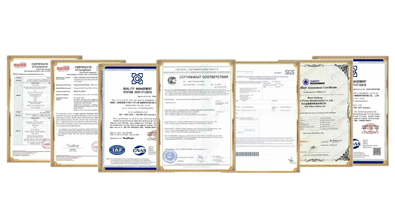
When you buy from makers that are ISO 9001:2015 certified, you can be sure that the quality control processes will be followed consistently. Certifications from third parties, like GOST-R and SGS, can provide additional assurance that materials meet specified requirements for chemical composition and mechanical properties. Material traceability documentation, like mill test reports that link each spool to a specific heat number, makes it easier for manufacturers to check the quality of their products and meet audit requirements for government and infrastructure projects.
Managing Lead Times and Order Quantities
Standard carbon steel spools in common sizes usually ship in two weeks. However, it may take six to eight weeks for custom configurations or unusual materials. To make sure that procurement activities are in line with project schedules, accurate forecasting and early communication with suppliers to find long-lead items are needed. Different manufacturers have different minimum order amounts. Some only need one piece for standard designs, while special spools may need at least five or ten pieces to cover the costs of setup. Knowing these factors helps people who work in buying balance the costs of keeping goods with the chance that a project will run late.
Transparent Pricing and Performance Balance
Competitive pricing takes into account the costs of materials, the difficulty of the assembly process, and quality control measures. For general industrial use, carbon steel spools with standard anti-corrosion coatings are a cost-effective option.However, sour service compliance (NACE MR0175/ISO 15156) entails additional metallographic testing, hardness verification, and quality documentation. Transparent suppliers give detailed quotes that break down the costs of materials, assembly, testing, and coating. This helps procurement teams make smart choices about ways to save money without sacrificing important performance standards.
Conclusion
To offer quantifiable schedule benefits, flanged pipe spools made for quick installation combine precise manufacturing, modular arrangement, and smart material choice. Industrial project stakeholders can speed up commissioning, lower installation costs, and improve system integrity by understanding design principles that cut down on field labor, comparing connection options objectively, and using procurement strategies that guarantee quality and on-time delivery. Combining standard parts with targeted customization meets a wide range of application needs while still allowing for future changes. This makes flanged assemblies the best choice for procurement professionals who want to keep project risks to a minimum and meet tight deadlines.
FAQ
1. What Makes Flanged Spools Faster to Install Than Welded Assemblies?
With flanged connections, you don't have to wait for welding, non-destructive testing, and heat treatment after the welding is done. A standard 6-inch flanged joint can generally be bolted up faster than a similar butt-weld joint, which may require additional time for welding, inspection, and any required heat treatment. With flanged connections, more than one crew can work on different ones at the same time. With welded systems, each joint has to be completed and inspected as required before the next stage can proceed.
2. How Does Material Selection Affect Installation Speed?
Using lightweight materials reduces crane time and makes components easier to move by hand, allowing installation teams to position parts more quickly. Beveled ends get rid of the need for preparation work on-site, and anti-corrosion coatings that are put on in a controlled workplace setting avoid the delays that come with applying and curing coatings in the field. Sour service compliant materials still require appropriate handling, welding, inspection, and traceability procedures to meet project requirements.
3. Can Custom Flanged Spools Be Delivered Quickly?
Most manufacturers ship standard configurations within two weeks. Custom assemblies generally require more time for engineering and fabrication. For urgent projects, accelerated production may be available, although it typically involves additional costs. Lead times for custom orders are cut down by working with providers early on and being clear about size needs, material specs, and delivery dates.
Partner with RAYOUNG for Faster Project Delivery.
RAYOUNG has high-quality pipe spools that are made to strict standards and ready to help you with your next industrial piping job. We have ASTM A106 and API 5L types of carbon steel pipes in schedules 10 through 160. These pipes come with anti-corrosion coats, hydrostatic testing, and beveled ends that are ready to be installed right away. We are a reliable flanged pipe spool provider that is certified by ISO 9001:2015 and follows the rules set by GOST-R and SGS. We can provide the precise components your project needs. Our engineering team works closely with procurement teams to optimize spool designs for faster installation without compromising safety or performance. Get in touch with our experts at info@hb-steel.com to learn more about how our approved products and ability to ship them all over the world can speed up the timeline for your project.
References
1. American Society of Mechanical Engineers. (2020). ASME B16.5: Pipe Flanges and Flanged Fittings NPS 1/2 Through NPS 24 Metric/Inch Standard. New York: ASME Press.
2. American Petroleum Institute. (2018). API 5L Specification for Line Pipe, 46th Edition. Washington, DC: API Publishing Services.
3. ASTM International. (2019). ASTM A106/A106M Standard Specification for Seamless Carbon Steel Pipe for High-Temperature Service. West Conshohocken, PA: ASTM International.
4. National Association of Corrosion Engineers. (2015). NACE MR0175/ISO 15156: Petroleum and Natural Gas Industries—Materials for Use in H2S-Containing Environments in Oil and Gas Production. Houston: NACE International.
5. Nayyar, M.L. (2019). Piping Handbook, Eighth Edition. New York: McGraw-Hill Education.
6. Smith, P.R. & Zappe, R.W. (2021). Valve Selection Handbook: Engineering Fundamentals for Selecting the Right Valve Design for Every Industrial Flow Application, Sixth Edition. Oxford: Elsevier Science.

Need a quote? Want to see samples? Just say hello. We’re friendly. We’re fast. And we’re ready when you are.
Welcome to RAYOUNG – Strong Pipes, Stronger Promise