Blind Flanges and Pipe Caps: Selection Guide for Pipe Isolation
Selecting the right pipe isolation components is essential for maintaining system integrity and preventing costly downtime. Blind flanges and pipe caps are fundamental sealing solutions used across industries to terminate pipe ends, control pressure, and support maintenance operations. Blind flanges provide permanent or semi-permanent closures through bolted connections, ideal for high-pressure applications, while pipe caps offer versatile protection for exposed pipe ends during construction, maintenance, or storage. Understanding their distinct functions, material options, and compliance requirements enables procurement managers and engineers to make informed decisions that minimise project risk, ensure safety, and meet regulatory standards.
Understanding Blind Flanges and Pipe Caps: Definitions and Applications
In industrial process piping, pipe caps and blind flanges serve distinct operational functions for positive line isolation. Project teams can pick the right part for their work when they know how they are different.
What Are Blind Flanges?
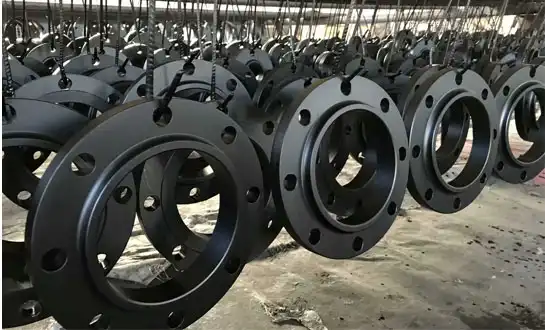
Bolting blind flanges to the ends of pipes or the holes in valves makes a tight seal. They are solid disc-shaped parts. Standard ASME B16.5, ASME B16.47, or EN 1092 is used to make them, and the bolt holes are drilled to match standard flange patterns. These parts are often found in power plants, petroleum factories, and chemical processing plants with systems that need to be checked often or may require future inspection or maintenance. The material grade and class level of blind flanges determine how much pressure they can hold. They are engineered across ASME pressure classes from Class 150 (rated up to 285 psi at ambient temperature) to Class 2500 (capable of containing pressures exceeding 6,000 psi).
What Are Pipe Caps?
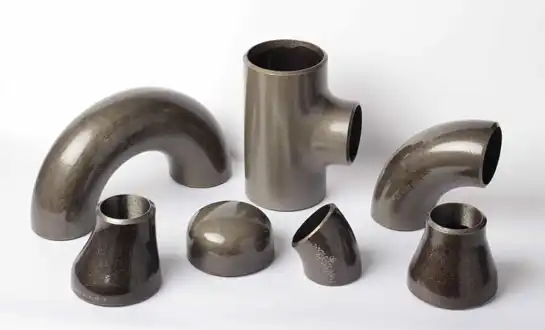
Pipe caps are caps that fit over the ends of open pipes to protect them. They can be threaded or welded. They don't need flanged joints like blind flanges do. They also come in different styles, such as butt-weld caps, seamless caps, and BSPT (British Standard Pipe Taper) threaded caps. Galvanised pipe caps with a 55-degree Whitworth thread angle that meet ISO 7-1 requirements can provide good corrosion resistance and are suitable for outdoor use when properly galvanised. High-strength metals like 904L, carbon steel, or stainless steel 316L are used to make these parts. They keep the threads clean and whole while they are being moved or fixed.
Key Industrial Applications
In lots of places, both parts are important. When oil and gas lines are being turned or checked for hydraulic pressure, blind flanges isolate different sections of the piping system. In water treatment plants, threaded caps are used to temporarily close off branch lines. Steel caps keep chemical plants safe from harsh media. Because they last longer in places with a lot of humidity when carbon steel caps are galvanised, they cost less over their whole life.
Differentiating Pipe Caps from Plugs and End Caps
Plugs and caps for pipes are put in different ways. Plugs fit into the inside bore, while caps go over the outside diameter. End caps, which are sometimes used instead of pipe caps, are generally covers that stay in place and are welded on. When you buy parts, make sure you use the right terms and types to make sure they work with the current system and avoid making mistakes.
How to Choose the Right Blind Flanges and Pipe Caps for Your Application?
To make a good choice, you should carefully consider things like the supplier's name, the working conditions, and the quality of the materials. The F-1 criteria screening method helps you make choices in a planned way.
Assessing Service Conditions
The parts we need are based on how they work. There needs to be a safety margin between the pressure values and the largest system pressures. Class 150 flanges can be used for lower-pressure applications, with pressure ratings depending on the material and temperature. Class 2500 flanges, on the other hand, are designed for very high-pressure applications, with ratings depending on the material and temperature. Temperature ranges can also change the material that is used. Carbon steel can be used at elevated temperatures, but its suitability at temperatures approaching 400°C depends on the specific grade, pressure, and applicable design code. But titanium-stabilised 316Ti stainless steel provides improved resistance to sensitisation and intergranular corrosion after elevated-temperature exposure. When chemicals are present, metals that don't rust are needed. For example, 904L pipe caps can provide improved corrosion resistance in high-chloride and dilute sulphuric acid environments where 316L may not provide sufficient resistance.
Material Selection for Durability and Cost-Efficiency
Material selection should balance technical performance with project budget requirements. In business, the following items are used most often:
- For places that don't rust, carbon steel ASTM A105 forgings and ASTM A234 WPB fittings are strong and cheap. The zinc thickness standards of ASTM A153 are met by hot-dip galvanised coats, which also make things last longer in wet places.
- Stainless Steel: Austenitic grades such as 304, 316, and 316Ti provide excellent resistance to aggressive media and general oxidation. It's possible for titanium-stabilised versions to keep their rust protection even after being heated up because they don't let chromium carbide form during welding.
- Alloy Steel: ASTM A691 electric-fusion-welded (EFW) pipes work well at high temperatures and pressures in the steel and power industries. ASTM A671 carbon steel EFW pipes are designed for atmospheric and lower-temperature service. Alloy grades containing chromium, molybdenum, and nickel can provide enhanced corrosion resistance and, depending on the grade and heat treatment, suitable mechanical properties for demanding service.
- Corrosion-Resistant Alloys: 904L (UNS N08904) has significant amounts of nickel, chromium, and molybdenum, which provide strong resistance to pitting and crevice corrosion. When seamless manufacturing is used, there is no longitudinal weld seam in the pipe body.
These material choices directly address issues such as premature failure, the need for regular maintenance, and the total cost of ownership.
Connection Types and Compliance Standards
How hard the system is to run and how effective it is depend on the connection method. Butt-weld caps should be installed by qualified welders, and post-weld heat treatment may be required depending on the material, wall thickness, applicable code, and service conditions. Threaded BSPT caps are great for short-term closures and lines with smaller diameters because they are easy to put together and don't need any special tools. Slip-on rings help line up the parts better when they are being put together.
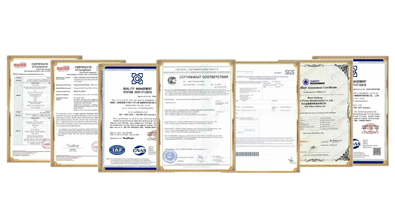
By following well-known rules, you can be sure of safety and accessibility. ASME B16.9 sets the rules for butt-welding fittings, and ASME B16.11 sets the rules for threaded and socket-weld parts. ISO 9001:2015 certification shows that production quality management systems are up to par, and GOST-R certification shows that they are up to par for Russian and CIS markets.
Supplier Evaluation and Quality Assurance
You can always count on suppliers to give you high-quality items, clear certifications, and helpful expert support. You should rate suppliers based on how often they deliver, how well the sizes are checked by a third party (SGS or Bureau Veritas), and how easy it is to keep track of the materials (mill test certificates per EN 10204 3.1). OEM-grade products generally cost more, but reputable manufacturers can provide verified material composition and dimensional tolerances. Things from the store are cheaper for uses that aren't very important.

Installation and Maintenance Best Practices for Effective Pipe Isolation
If you install and take care of parts the right way, they will last longer, and the system will be safe. Few leaks and unplanned downtimes happen when you stick to set procedures.
Step-by-Step Installation Guidelines
Proper measurements and installation planning help ensure that the cap or flange fits correctly and reduce the risk of costly repairs. Measure the pipe's outer diameter (OD) and wall thickness. Use wire brushes or grinders to clean the ends of the pipes and get rid of scale, rust, and other dirt. Butt-weld caps should be prepared with the bevel angle specified by the applicable welding procedure or standard.
You have to weld in a way that works with the material. To reduce thermal stress and the risk of hydrogen cracking, preheat carbon steel components such as pipe caps when required by the applicable welding procedure, with the temperature determined by the material, thickness, and welding conditions. When welding stainless steel, use a filler metal and shielding gas appropriate for the specific stainless steel grade and welding process. For carbon steel, low-hydrogen electrodes such as E7018 may be used when specified by the applicable welding procedure, while GTAW can be used for suitable stainless steel applications. After welding, alloy steel components may require post-weld heat treatment to reduce residual stresses and meet applicable code requirements while maintaining the required mechanical properties.
For threaded connections, an approved anaerobic pipe thread sealant or PTFE tape rated for the process fluid and operating temperature must be applied.Torque the BSPT caps to the levels specified by the manufacturer. The required torque depends on the pipe size, thread condition, sealing method, material, and manufacturer's specifications.
Welding Compatibility and Quality Control
Selecting the correct filler metal is critical when welding dissimilar metals. ER309L filler metal is commonly used for joining carbon steel to stainless steel because it is designed for dissimilar-metal welding and can accommodate differences in metallurgy and thermal expansion. The weld's quality is checked with non-destructive testing (NDT), which can be done with radiographic testing, ultrasonic testing, or dye penetrant testing. NDT also finds problems below the surface.
Surface Preparation and Corrosion Protection
It makes parts last longer in rough places to put on protective coats. To get to SSPC-SP10 (near-white metal) standards, abrasive blasting is used. This removes mill scale and makes base shapes for coats to stick to. Paints made with epoxy and primers that are high in zinc will keep metal from rusting for a long time. Re-galvanising used carbon steel caps is a cheap way to fix up zinc coats that help the environment by reusing materials.
Comparing Blind Flanges and Pipe Caps: Which One to Use When?
It depends on the needs and working conditions of the job to choose between blind flanges and pipe caps.
Permanent vs. Temporary Isolation
When you need to get to something often, blind flanges are great. When you use bolted connections, you can take things apart to clean, check, or replace parts without having to cut the lines. This gives chemical and refinery companies more choices, which saves them time and money on workers.
Pipe caps can be used to briefly close off lines while they are being built, for hydrostatic testing, or for long-term preservation. Welded caps mark the end of lines that have been abandoned for good, so they won't need to be maintained again. Because they don't need to be taken off with tools, threaded caps are good for pilot plants or systems that only work during certain times of the year.
Performance Under Extreme Conditions
Parts for systems with a lot of pressure need to have known pressure values. Class 600 and Class 900 blind flanges, which are made according to ASME B16.5, keep pressures in steam production and hydraulic systems safe. EFW caps made from ASTM A671 pipe can withstand repeated loading when properly designed and manufactured for the applicable service conditions.
Materials break down faster when they are hot. When 316Ti caps are exposed to elevated temperatures, their titanium stabilisation can reduce the risk of chromium carbide sensitisation under appropriate service conditions. This keeps failures from happening because of sensitisation. Some conventional austenitic grades may have insufficient corrosion resistance in certain phosphoric acid and high-chloride process streams. Super-austenitic 904L caps may provide better corrosion resistance in such environments.
Pricing and Availability Considerations
Blind flange pricing is generally influenced by pressure class, size, material, machining requirements, and order quantity, so the cost difference compared with pipe caps can vary significantly. This is because they are harder to machine and need bolt holes to be drilled. Established manufacturers may offer extensive certification and global distribution, while mid-tier suppliers can provide more economical options for less critical applications.
Order lead times are different. Things in stock can be sent out in 48 hours, but it takes 4 to 8 weeks for special metals or sizes that aren't standard. For speciality materials, the minimum order quantity (MOQ) is usually between 50 and 100 pieces. This can make it harder to finish small jobs. Stockists and distributors can get around MOQ limits by keeping items in stock that are common sizes.
Conclusion
You should carefully consider the service conditions, the material's properties, and the supplier's name in order to pick the right blind flanges and pipe caps. For permanent or semi-permanent installations, blind flanges keep pressure inside with great strength, while pipe caps offer safety for short-term stops and repairs. To handle various rust, temperature, and pressure problems, various materials can be utilised, including coated carbon steel, titanium-stabilised stainless steel, and super-austenitic metals. It is more reliable, costs less over time, and helps meet safety goals in the chemical, petrochemical, water treatment, and building sectors if installation follows best practices and applicable codes and standards.
FAQ
1. What standard sizes are available for pipe caps and blind flanges?
Available sizes vary by connection type, material, and applicable standard, with threaded caps generally covering smaller pipe sizes and butt-weld caps available in larger sizes. Blind flanges come in sizes based on ASME B16.5 (NPS 1/2" to NPS 24") and ASME B16.47 (NPS 26" to NPS 60"). In EN 1092, the unit range for metric units is from DN 10 to DN 1500. Pipe systems that aren't standard can fit custom shapes.
2. How do I measure pipes accurately for replacement caps?
Measure the pipe outside diameter (OD) and circumference using a pipe caliper or Pi tape. Match these measurements to standard Nominal Pipe Size (NPS) tables, taking the required wall thickness schedule into account.To make sure the fit and seal are right, use thread gauges to check the type of thread (NPT, BSPT, or BSP parallel).
3. Can pipe caps be recycled or reused?
Steel and stainless steel caps can both be recycled in full at metal recycling plants. Caps with threads that are still good can be used again after the threads are checked and cleaned. By re-galvanising used carbon steel parts, the rust protection is restored. This makes the parts last longer and is better for the environment.
Partner with RAYOUNG as Your Trusted Pipe Cap Supplier
It's important for the success of a project to find a supplier of pipe caps that you can count on to deliver high-quality caps on time. RAYOUNG specializes in manufacturing high-integrity blind flanges, buttweld pipe caps, and forged threaded fittings conforming to stringent ASTM, ASME, and ISO standards.Our factories are certified to ISO 9001:2015 and use carbon steel, stainless steels like 316Ti, and super-austenitic 904L alloys to make parts that are tough enough to be used in building, chemicals, and petrochemicals. We keep a lot of stock on hand so that orders can be made fast. If you have special needs, we can also make something just for you. RAYOUNG strongly backs global supply chains because it has GOST-R certification and SGS inspection services that show it follows export rules. When you email our expert team at info@hb-steel.com, you can ask about material specs, get brochures of our products, or start a bulk buy conversation that is tailored to your business.
References
1. American Society of Mechanical Engineers (2020). ASME B16.5: Pipe Flanges and Flanged Fittings, NPS 1/2 Through NPS 24 Metric/Inch Standard. New York: ASME Press.
2. ASTM International (2019). ASTM A105/A105M: Standard Specification for Carbon Steel Forgings for Piping Applications. West Conshohocken: ASTM International.
3. British Standards Institution (2018). BS EN 10204: Metallic Products – Types of Inspection Documents. London: BSI Standards Publication.
4. International Organisation for Standardisation (2017). ISO 7-1: Pipe Threads Where Pressure-Tight Joints Are Made on the Threads – Part 1: Dimensions, Tolerances and Designation. Geneva: ISO.
5. Mueller Industries (2021). Technical Manual: Carbon and Alloy Steel Pipe Fittings for High-Pressure Applications. Fulton: Mueller Industries Engineering Division.
6. National Association of Corrosion Engineers (2019). NACE MR0175/ISO 15156: Petroleum and Natural Gas Industries – Materials for Use in H₂S-Containing Environments. Houston: NACE International.

Need a quote? Want to see samples? Just say hello. We’re friendly. We’re fast. And we’re ready when you are.
Welcome to RAYOUNG – Strong Pipes, Stronger Promise