Flange Production Lead Time for EPC Projects
Managing steel flanges production timelines represents a critical success factor in Engineering, Procurement, and Construction (EPC) projects. Lead time encompasses the entire journey from raw material sourcing through final delivery, directly impacting project schedules and budgets. Understanding these timeframes helps procurement teams minimize risks, ensure compliance, and maintain project momentum while securing high-quality components that meet stringent industry standards.

Understanding Flange Production Lead Time in EPC Projects
The lead time for industrial flange production consists of several stages that work together to set delivery dates. Each step adds to the overall schedule, so thorough planning is necessary for a job to go smoothly.
Key Components of Flange Manufacturing Timeline
Getting the raw materials is the first step in the production process. Getting steel can take anywhere from two to four weeks, based on the grade requirements and the supplier's stock levels. Lead times for carbon steel are usually shorter than those for specialty metals or stainless steel types. Material certificates and mill test certificates take more time to check, but they are still necessary for EPC project compliance.
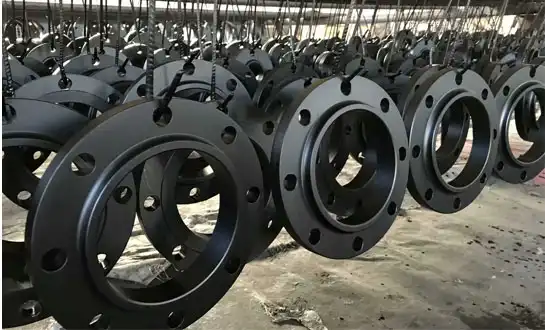
Forging, casting, heat treatment, and surface preparation are all parts of manufacturing. Standard weld neck flanges generally require more manufacturing time than slip-on or threaded flanges because of additional machining operations, but slip-on and threaded designs usually go faster because they are easier to machine. CNC-machined sealing surfaces make sure that the limits for raised face (RF), flat face (FF), and ring-type joint (RTJ) configurations are exact, but this high level of accuracy makes the manufacturing process take longer.
Measurement checks, pressure tests, and reviews by a third party are all examples of quality assurance processes. To meet ANSI, DIN, and JIS standards, certain testing procedures must be followed, which can add one to two weeks to the production plan. Full MTC traceability paperwork planning happens at the same time as production, but it needs to be coordinated with certification bodies and testing labs.
Material and Configuration Impact on Lead Times
Making flanges out of different materials is more or less difficult. Carbon steel flanges have the fastest lead times because they are easy to work with, and the material is easy to find. Stainless steel versions need to be handled differently and go through longer heat treatment processes, which adds one to two weeks to the normal time frames. For configurations made of alloy steel, careful temperature control and longer cooling times are needed, which adds to the delay in production plans.
How the flanges are configured also affects how long it takes to make something. For hub tapering and hole preparation, weld neck shapes need a lot of cutting. Slip-on flanges make production easier, but they still need exact cutting. Blind flanges don't need to be machined with holes in them, but they might need more width to meet pressure rating requirements. For pipe placement to work, socket weld designs need careful internal machining.
Key Factors Affecting Lead Time for Steel Flanges
Production plans are affected by many factors, which means that careful planning must be done when purchasing things. By understanding these factors, you can make more accurate time predictions and come up with better ways to reduce risk.
Material Availability and Supply Chain Dynamics
The most important factor in figuring out wait time is the supply of raw materials. Specialty steel grades, especially those with specific chemical makeups or mechanical qualities, may need longer amounts of time to source. The location of the seller affects both the availability of materials and the time it takes to transport them. Lead times from local suppliers are usually faster than those from foreign suppliers.
Material availability is affected by supply chain stability. Changes in the market, trade rules, and yearly changes in demand can all cause unexpected delays in getting materials. Having ties with more than one supplier gives you choices in case your main sources are late. Inventory levels at seller facilities are closely related to the supply of materials. This means that planning for supplier capacity is a key part of managing deadlines.
Manufacturing Complexity and Customization Requirements
When manufacturing standard steel flanges to common specifications, production schedules are highly predictable. However, when custom designs demand non-standard dimensions, unique pressure ratings, or exotic material grades, the production process takes significantly longer. Custom bore sizes, specialized bolt patterns, or modified hub profiles require extensive setup time and rigorous quality control steps during machining.
For high-pressure applications requiring RTJ facings, you need special cutting tools and more time-consuming quality control steps. Hot-dip galvanizing adds additional processing time, heavily depending on the galvanizing facility's production scheduling and current availability. Furthermore, surface finishes that exceed standard mill requirements significantly lengthen both machining cycles and subsequent quality inspections. Surface finish requirements above the standard mill finish lengthen the time it takes to machine the parts and check the quality.
Quality Assurance and Certification Timeline
A lot of quality paperwork is usually needed for EPC jobs. This includes material certificates, dimensional records, and pressure testing data. Third-party inspection services may add 3–7 days, based on how available the tester is and how much testing needs to be done. When customer reps have to drive to manufacturing facilities for witness testing, it can add time to the schedule.
To get certified according to foreign standards, you need to work with approved testing labs. To follow the ASME code, you have to follow certain testing procedures and keep certain records. You can't rush through these steps without lowering the quality. Ultrasonic and magnetic particle inspection are examples of non-destructive testing methods that need specialized tools and trained workers.
Streamlining Flange Production Lead Time: Best Practices for EPC Procurement
To handle lead times well, you need to plan ahead and build smart ties with your suppliers. By using tried-and-true methods, you can cut down on delays and make the project plan more accurate.
Early Specification Finalization and Communication
When detailed specs are given early in the procurement process, sellers can start right away finding materials and planning their production. Misunderstandings that cause production delays can be avoided by using full technical sketches that show all the measurements, materials needed, and testing requirements. Technical questions can be answered quickly when there are clear lines of contact between EPC teams and suppliers.
Changes to specifications made after production has begun can have a big effect on arrival dates. Setting up change control processes and knowing how changes will affect things helps teams make smart choices about how to change specifications. Regular progress reports from suppliers let you know about possible delays and let you take effective steps to avoid them.

Supplier Selection and Evaluation Criteria
It is more useful to choose suppliers whose lead times have been proven to be reliable than to choose suppliers based only on price. When evaluating a supplier, you should look at their production ability, certification of their quality system, and their record of on-time deliveries. Audits of manufacturing facilities show how well the facility can make things and how it controls quality.
The position of the supplier affects both the lead time and the cost of transportation. Most of the time, domestic suppliers have shorter lead times and make operations easier. On the other hand, foreign suppliers may be cheaper but have longer delivery times. When comparing suppliers, it's best to look at the total cost of ownership, which includes transportation and inventory carrying costs.
Inventory Management and Bulk Ordering Strategies
Keeping a strategic stockpile of popular flange combinations on hand makes them available right away for projects that need them right away. When you order standard sizes in bulk, you can save money and get faster delivery from your suppliers. Coordinating buying across multiple projects makes procurement more efficient and improves relationships with suppliers.
Vendor-managed inventory plans give sellers control over the inventory while still making sure that products are available. These arrangements need clear forecasting of demand and tracking of usage, but they make procurement administration easier. Blanket purchase orders with planned releases let sellers see what customers want while still letting them be flexible with delivery.
Common Challenges in Flange Production Lead Time and How to Avoid Them
There are several recurring problems in the manufacturing and procurement process that can disrupt delivery schedules for steel flanges. Identifying these risks early and taking preventive action helps protect project timelines while maintaining product quality and compliance standards.
Specification Misunderstandings and Technical Clarifications
When suppliers need more information or find problems while preparing for production, unclear or incomplete specs often cause delays. When technical drawings don't have full measurement chains or tolerance specs, buyers and sellers have different ideas about how to read them. When people don't understand pressure ratings, especially when there are different standard methods, they might choose the wrong material or make mistakes with the measurements.
Setting up standard specification files makes sure that all technical information is sent. EPC teams and suppliers meet regularly to review designs and find any problems before production starts. Keeping specification files up to date with accepted configurations cuts down on the need for custom designs and speeds up the buying process.
Quality Control and Inspection Scheduling
When you don't give inspections enough time, you put unnecessary pressure on your plan, which can damage quality control processes. Third-party inspectors' access changes a lot depending on where they work and what tests they need to do, so it's important to make plans early. For witness testing to happen, customer service reps, suppliers, and inspection agencies need to work together.
By adding a realistic amount of extra time to project plans, normal review changes can be made without causing schedule problems. Setting up relationships with chosen inspectors gives you priority scheduling benefits and ensures uniform quality standards. When possible, parallel testing methods cut down on the total time needed for checking without sacrificing thoroughness.
Logistics and Documentation Challenges
International shipping requires paperwork for customs, estimates for duties, and possible review delays that make arrival times longer than when the production was finished. Documentation mistakes or missing paperwork can lead to shipping holds or the need to return goods. Choosing the right way of transportation affects both the speed and cost of delivery, so you have to find a balance between meeting deadlines and staying within your budget.
Using experienced freight forwarders who know how to move industrial equipment cuts down on paperwork mistakes and speeds up the customs clearance process. Using shipping document forms that are special to flange shipments helps keep things consistent and cuts down on the time it takes to get ready. When planning logistics, you need to think about the insurance and packing needs for packages of high value.
How to Measure and Evaluate Steel Flange Lead Time Performance
Performance measurement makes it possible for buying methods and connections with suppliers to keep getting better. Setting clear goals gives you a way to objectively judge the success of your suppliers and the efficiency of your own processes.
Key Performance Indicators for Lead Time Management
On-time delivery rates are the best way to find out how reliable a supplier is, and they should be watched the same way for all orders. When measuring delivery performance, it's important to distinguish between factors that are managed by the supplier and outside factors like delays in transportation or customs processing. Setting reasonable shipping goals based on the size and complexity of the order makes sure that performance reviews are fair.
Total production cycle time measurement shows where the manufacturing process is slowing down and where it could be better. By comparing real delivery dates to schedules that were originally agreed upon, you can see how accurate the supplier's estimates were and make better guesses for future delivery dates. Quality acceptance rates are related to lead time performance because problems with quality often need to be fixed or replaced, which takes more time and affects delivery dates.
Data-Driven Supplier Assessment Methods
Implementing vendor scorecards that meticulously track quality metrics, lead time adherence, and economic competitiveness provides a comprehensive framework for supplier evaluation. Conducting regular performance reviews based on objective data facilitates constructive dialogue and strengthens long-term partnerships. Furthermore, analyzing supplier performance trends over time clearly reveals whether their manufacturing and logistical capabilities are improving or deteriorating.
Comparing supplier performance to industry norms and data from other sources gives you information for a competitive review. Sharing performance data with sellers shows that you are open and honest, and it also pushes them to work on getting better. Using past performance information to choose new suppliers in the future rewards suppliers that do a good job and encourages suppliers that aren't doing so well to get better.
Contract Integration and Continuous Improvement
Including clear lead time promises in buy agreements, along with the right kind of penalties, makes suppliers more responsible. Tracking delivery milestones lets you know early on about possible delays and lets you take appropriate action. Contract terms should be looked at on a regular basis to make sure they stay affordable and in line with the market.
Together with key partners, collaborative growth projects find benefits for both sides and ways to make the process run more smoothly. Sharing information about expected demand and upcoming projects helps suppliers plan their capacity more efficiently and find the best materials. Joint problem-solving meetings deal with problems that keep coming up and come up with ways to stop them from happening in the future.
Conclusion
Managing the lead times for making steel flanges well has a direct effect on the success of an EPC project by making it easier to stick to the plan and keep costs down. Understanding the many complicated factors that affect delivery times helps buying teams make smart choices and put risk-reduction plans into action. Building strong ties with suppliers based on performance metrics and constant improvement gives you an edge when executing projects. Successful flange procurement in tough EPC settings starts with proactive planning, clear specs, and partnerships with suppliers that work together.
FAQ
1. What is the typical lead time for standard carbon steel flanges?
Standard carbon steel flanges usually take between 4 and 8 weeks to make and ship. This schedule covers getting the materials (one to two weeks), manufacturing operations (two to four weeks), quality inspection (three to five days), and coordinating the shipping (one to two weeks). These times depend a lot on how readily available raw materials are and how much production capacity a seller has.
2. How does flange type impact production duration?
Weld neck flanges take 3 to 5 weeks because the hub has to be machined and tapered in a lot of different ways. Slip-on flanges are finished faster, in two to four weeks, because they don't need as much hole cutting. Blind flanges usually finish within two to three weeks because they do not require bore machining. For precise internal machining processes, socket weld setups need three to four weeks.
3. What timeline implications do custom orders have?
Lead times are usually 2 to 4 weeks longer for custom flange orders than for standard configurations. Non-standard dimensions take longer to set up and prepare tools for cutting. Getting and certifying special types of materials may take an extra one to three weeks. Longer quality control steps are needed for custom pressure levels or face configurations.
4. How do international standards affect production schedules?
Because manufacturers are so familiar with ASME B16.5 or ASME B16.47 standard flanges, they have the fastest production times. DIN standard needs may add one to two weeks for checking specifications and setting up dimensions. Depending on how familiar the supplier is with Japanese requirements and the paperwork that is needed, JIS requirements may affect production scheduling, depending on dimensional requirements and the manufacturer's familiarity with the standard.
Partner with RAYOUNG for Reliable Steel Flanges Supply
RAYOUNG delivers premium flange solutions specifically engineered to meet the rigorous demands of global EPC projects. We achieve this by seamlessly integrating world-class manufacturing capabilities with highly reliable, on-time delivery schedules.We have a wide range of products, such as ANSI, DIN, and JIS standard flanges with RF, FF, and RTJ facings that are available in pressure classes up to Class 2500. Advanced CNC-machined sealing surfaces make sure there are no leaks, and full MTC tracking gives you full proof of quality. You can choose from our hot-dip galvanizing choices to make things more resistant to rust in harsh conditions. Get in touch with info@hb-steel.com to talk about your project needs and see why RAYOUNG is a preferred steel flanges supplier for industrial applications worldwide.
References
1. American Society of Mechanical Engineers. "ASME B16.5 Pipe Flanges and Flanged Fittings Manufacturing Guidelines." ASME Standards Committee, 2023.
2. International Association of EPC Contractors. "Supply Chain Management Best Practices for Industrial Projects." IAEPC Technical Publication, 2022.
3. Steel Manufacturing Institute. "Lead Time Optimization in Industrial Flange Production." SMI Research Report, 2023.
4. Project Management Institute. "Procurement Timeline Management in Engineering Projects." PMI Professional Development Series, 2022.
5. National Association of Steel Pipe Distributors. "Quality Assurance Standards for Industrial Flanges." NASPD Industry Guidelines, 2023.
6. Engineering Procurement Association. "Supplier Performance Metrics for EPC Projects." EPA Best Practices Manual, 2022.

Need a quote? Want to see samples? Just say hello. We’re friendly. We’re fast. And we’re ready when you are.
Welcome to RAYOUNG – Strong Pipes, Stronger Promise