ERW vs LSAW Pipes: Which Welded Pipe to Choose
When asked which welded pipe to choose, I always evaluate the project risk, budget constraints, and required pressure ratings to find the right answer. Most of the time, ERW pipes are the best choice for jobs with low to medium pressure, water lines, structural work, and a focus on cost. When I need extra-wide pipes with stronger walls that work well in heavy-duty or high-pressure pipeline service, LSAW pipes are the best choice. It's not just technical for B2B buyers to make the right choice. Also, wait time, compliance, source dependability, and long-term running costs come into play. That's why careful selection is important.

Understanding ERW and LSAW Pipes
What ERW pipes are
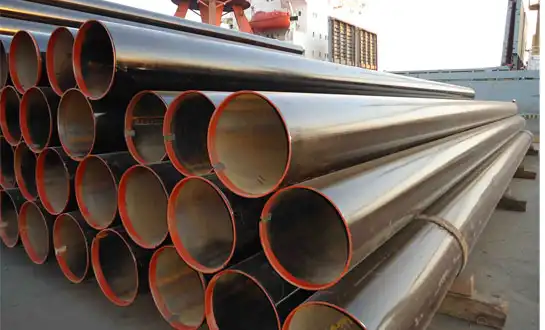
"Electric resistance welded" is what ERW pipes stand for. The process of making ERW pipes involves rolling metal and then welding it along its length. ERW pipes have a longitudinal welded seam. They are commonly manufactured up to 24" OD and are made from strip or coil. When a steel strip is being made, it is cold-formed into a tube shape by rollers. High-frequency electrical current then heats the edges, which are forged together under pressure.
ERW pipes are generally chosen for low to medium pressure uses, like moving water and oil, as well as for structural purposes. They are also used a lot in sign poles, towers, power lines, mining, the car industry, threaded micropile casing, combination walls, structural sections, and bearing piles.
What LSAW pipes are
Longitudinal submerged arc welding is what LSAW pipes stand for. Instead of a coil, these pipes are made from a steel plate. After the plate is shaped, it is joined along its length with submerged arc welding. Compared to ERW pipe making, this method can accommodate larger diameters and thicker wall sections.
When I think about different types of welded pipes, LSAW pipes are often preferred for large-scale projects. They are used extensively in demanding infrastructure projects where safety, load, and pressure are more important than the lowest price. Examples include oil and gas transfer, cross-country pipes, marine lines, and more.
How manufacturing changes performance
The way something is made affects the quality of the weld, the range of wall thicknesses and diameters, and how it behaves mechanically. For standard sizes, ERW pipe production is quick and very reliable. Making heavy-wall and large-diameter pipes with LSAW pipes gives you more options.
In general, LSAW pipes are better for large-diameter, thick-walled, high-pressure, and important infrastructure services, while ERW pipes are better for cheap, consistent pipe in low to medium pressure and structural uses.
ERW Pipes vs LSAW Pipes – Performance and Application Comparison
Strength, weld integrity, and pressure suitability
It is easy to see that ERW pipes are well-welded along their length, and they are strong for their weight. They are often more economical and easier to source, which makes them appealing to buyers who are watching their budgets and shipping times. For many types of businesses, they work really well when the conditions aren't too bad.
When it comes to higher pressures and tougher working conditions, LSAW pipes are often selected. They are often used for projects that need bigger sizes, thicker walls, and strong mechanical performance because they are made from plate and welded with submerged arc technology.
When I look over specs, I use this easy comparison:
- ERW pipes work well for projects that need solid quality, low costs, easy sourcing, and useful performance in areas like water transfer, structural steel pipe applications, piling, and general industry service. They're especially helpful when the plan calls for standard sizes, walls that aren't too thick, and quick installation. When someone needs a lot of them, a consistent quality, a cost-effective pipe with reliable long-term performance, and they need it for everyday industry use, their value becomes clear.
- · LSAW pipes work for jobs where large diameters are required, wall thickness, or resistance to pressure. When it comes to oil and gas transmission lines, long-distance pipeline systems, and big building projects with strict technical needs, they are often the best choice. As a project manager, I care less about the lowest unit cost and more about the safety margin, service life, and trust in compliance over the whole project cycle.
Typical applications by industry
Buyers in the U.S. market often divide demand by service state. People often use ERW pipes for building, city water systems, base piling, road infrastructure, mechanical systems, and industrial utility lines. LSAW pipes are more likely to be used in midstream and downstream energy infrastructure projects, naval building, big water transmission mains, and bridge or port structures.
That line is important because a lot of mistakes are made when buying pipes because of price alone, not because of how they will be used.
Procurement Considerations – How to Choose the Right Welded Pipe for Your Project
Check the full technical requirements
When I buy ERW pipes, the first things I look at are the diameter, wall thickness, steel grade, pressure class, corrosion environment, testing needs, and coating needs. I also look over the standards that apply and the offer wording. A pipe that seems cheaper at first may end up costing more if it passes inspection, takes longer to install, or needs extra safety in corrosive service.
Balance price, lead time, and project risk
Procurement is not just about obtaining the lowest price. I check the total landed cost, the output schedule, the mill's ability, and the quality of the paperwork. ERW pipes often save me money and help accelerate project schedules. It might take longer to make a choice about LSAW pipes, but they can lower project risk in vital services.
These checks are usually part of a smart buying plan:
- · I check to see if the provider can meet my needs for testing and tracking, not just nominal measurements. In this group are ISO 9001:2015 systems, mill test results with chemical and mechanical qualities, and records of non-destructive inspections. RAYOUNG's production method includes 100% UT/ET testing to verify compliance with applicable quality requirements and have full traceability. This is important for EPC contractors, wholesalers, and government-backed projects that need to be compliant with all the necessary paperwork.
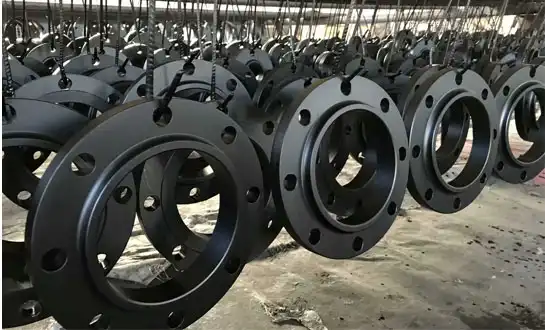
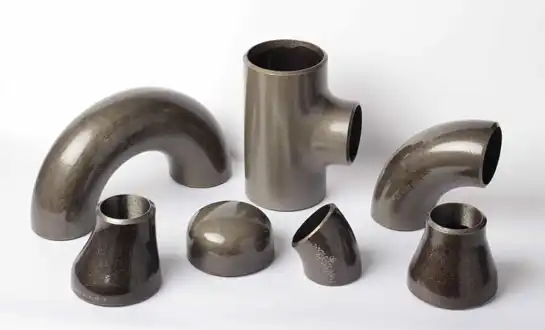
- I also check to see if the provider can handle the whole piping package. This cuts down on the chance of a mistake during installation and saves time. RAYOUNG sells many types of industrial pipe fittings, such as buttweld steel elbows, steel reducers, and flanges, that help make connections that are safe. The line-up can meet the needs of any design, from simple straight lines to complicated curves and flexible joints. That's important when I only want to deal with one reliable carbon steel pipe provider for both pipes and valves instead of several.
How I vet a global supplier
I focus on how well they can communicate, how much they can make, and how much experience they have exporting. A good provider should know what the tender needs, be willing to help with custom sizes when possible, and give clear answers about testing, packing, and planning shipments.
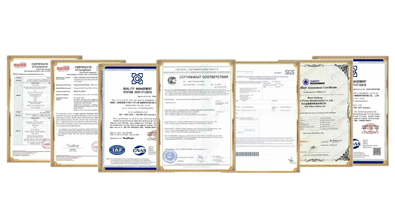
RAYOUNG is trusted by many businesses as a reliable source for carbon steel pipes that serve both local and international customers. Astute buyers typically review our comprehensive GOST-R and SGS certifications to ensure absolute export compliance and uncompromising product quality. As a premier manufacturer of industrial pipes and fittings, RAYOUNG focuses on delivering consistent quality, maintaining strict ISO 9001:2015 standards, and providing reliable performance across large-scale commercial, municipal, and heavy industrial flow systems.

ERW Pipes and LSAW Pipes: Market Trends and Future Outlook
What buyers should watch now?
People who search for things like "ERW pipes vs. LSAW pipes difference," "welded pipe for oil and gas," and "ERW pipes vs. seamless pipe" want real-world advice, not just theory. The market is going toward options that are more resistant to corrosion, have tighter quality control, and can be tracked more easily. Rules about the environment and safety are also asking for better testing and paperwork.
I also think that planning for the supply chain will become more effective. U.S. buyers now pay more attention to mill plans, freight changes, and the ability to source goods from Asia, India, Europe, and local stock outlets. In this situation, being open with your suppliers gives you a competitive edge.
Why this matters for future procurement
New technologies for cutting, welding, and inspection keep making welded pipes more consistent. That gives buyers more trust when choosing ERW pipes for tough jobs that are right for them. In the meantime, LSAW pipes are still very important for big buildings and energy projects that need thick walls and large diameters.
My simple advice is to stick with sellers who can show quality, back up their claims with paperwork, and offer more than just pipe.
Conclusion
LSAW pipes and ERW pipes are both very valuable, but they are used for different things. When I need reliable performance for structural, piling, water, and low to medium pressure service, I choose ERW pipes because it saves me money, keeps quality high, and are always reliable. When the project calls for bigger sizes, thicker walls, and more faith in high-pressure or critical pipeline conditions, I choose LSAW pipes. The best way to decide what to buy is to match your service needs with the supplier's skills, certifications, tests, and shipping reliability. When these things fit together, buying is safer, faster, and more valuable.
FAQ
1. What is the main difference between ERW and LSAW pipes?
ERW pipes are made from steel coils or strips that are joined together by electrical resistance. LSAW pipes are made from steel plates that are joined together along their length with submerged arc welding. Most of the time, ERW pipes work better For standard sizes and low to medium pressure, while LSAW pipes are better for bigger, thicker, and higher-pressure jobs.
2. Are ERW pipes suitable for oil and gas projects?
Yes, ERW pipes are used to move oil and water, as well as in many industry processes. Before making a choice, I think you should check the pressure level, wall thickness, and project standard.
3. How can I verify pipe quality before ordering?
I need mill test results, ISO certification, records of non-destructive testing, and paperwork that shows where the goods came from. RAYOUNG makes products that are ISO 9001:2015 approved, tested 100% UT/ET, and can be fully tracked.
4. Can I source pipe fittings together with welded pipes?
Yes. This is often the better B2B choice. RAYOUNG sells steel pipe parts like buttweld elbows, reducers, and flanges to help with the purchase of whole piping systems.
Partner with RAYOUNG for Reliable ERW Pipe Supply Solutions
Need a highly dependable manufacturing partner for your industrial piping needs? Armed with comprehensive quality documentation and responsive technical service, RAYOUNG supplies premium ERW and LSAW pipes, along with all the compatible fittings required for your critical projects. You can email info@hb-steel.com to get details, examples, prices, or a custom way to buy things for your next project.
References
1. American Petroleum Institute, API Specification 5L
2. ASTM International, ASTM A53/A53M Standard Specification for Pipe, Steel, Black and Hot-Dipped, Zinc-Coated, Welded and Seamless
3. ASTM International, ASTM A252 Standard Specification for Welded and Seamless Steel Pipe Piles
4. ASME, B31.4 Pipeline Transportation Systems for Liquids and Slurries
5. ISO. ISO 9001:2015 Quality Management Systems — Requirements
6. The Welding Handbook, American Welding Society

Need a quote? Want to see samples? Just say hello. We’re friendly. We’re fast. And we’re ready when you are.
Welcome to RAYOUNG – Strong Pipes, Stronger Promise