Flange Inspection Requirements for Petrochemical Plants
The main goal of flange inspection rules for petroleum companies is to keep pipe systems safe, sealed, and in line, even when they are working in rough circumstances. To ensure long-term integrity, petrochemical flanges must be rigorously and regularly inspected for damage caused by corrosion, severe heat, or cyclic stress. These evaluations must meticulously verify dimensions, pressure classes, full material traceability, surface conditions, and gasket seating integrity.Non-destructive testing is also used by plants to find cracks, pits, and metal flaws before they cause leaks or shutdowns. People who are customers or engineers usually want a useful answer, like how to properly check flanges, meet ASME and API standards, and pick dependable providers that lower project risk and maintenance costs.
Understanding Petrochemical Flanges and Their Inspection Needs
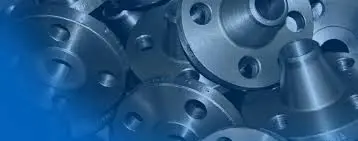
Learn about petrochemical flanges and how to inspect them. At high temperatures and pressures, petrochemical plants handle corrosive, hazardous, and high-temperature process fluids. Because of this, flange joints are one of the most important places for leaks to happen in the whole network of pipes. When there is a weak flange face, the wrong pressure rating, or improper bolt-hole alignment, it can lead to emissions, fires, lost products, or non-planned downtime.
Common flange types used in petrochemical service
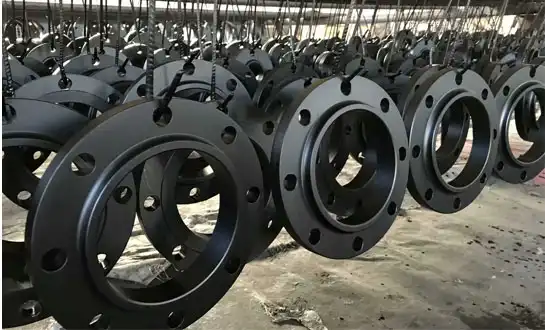
Weld neck, slip-on, blind, and threaded flanges are the ones I see most often in petroleum jobs. A lot of high-pressure lines use weld neck flanges because their curved hub helps spread stress. In some cases, slip-on flanges can be used for a wide range of general services. Blind flanges close off the ends of lines or the ports on vessels. Threaded flanges can be useful in some situations where welding isn't possible, but they need to be carefully evaluated for service conditions.
Plate flanges (PL flanges) are commonly used in low- to medium-pressure applications where service conditions permit. It's cheap and useful, but buyers shouldn't just think it can handle any petroleum job; they should carefully match it to the service conditions.
Materials and standards that shape inspection criteria
To do an inspection, you must first know the norm and the object. When exposed to acids and high temperatures, carbon steel, stainless steel, and alloy steel all react in different ways. Forged carbon steel flanges often follow ASTM A105. Stainless steels like ASTM A182 Grades F304/F304L and F316/F316L help with rust protection, and alloy steels make things stronger for tough working conditions.
The standards for inspection are usually the same as those in ASME B16.5, ASME B16.47, ASME Section V, ASME Section VIII, and any other API standards that apply. These standards provide requirements for dimensions, pressure-temperature ratings, material selection, and inspection or testing requirements, depending on the applicable code. For buyers, this isn't just a matter of papers. It has an immediate effect on safety, interchangeability, and offers compliance.
Key Inspection Parameters and Methods for Petrochemical Flanges
A good inspection and maintenance program for petrochemical flanges looks for more than just visible damage. When people search for this topic, they usually find a short featured-snippet style answer: check dimensions, confirm pressure class, verify material traceability, inspect flange faces and bolt holes, and apply NDT methods when service conditions involve high risk. While that overview is useful, industrial plants require a much more systematic inspection process to ensure long-term sealing reliability, operational safety, and regulatory compliance.
Dimensional checks and pressure class verification
Dimensional inspection checks the width, thickness, bore size, bolt circle, number of bolt holes, alignment of bolt holes, and face shape of the flange. Even small changes can cause problems with seal stress or mismatches with rings that fit together. It's just as important to check the pressure class. A Class 150 fitting doesn't belong in a Class 300 application, and installing parts from different classes together can seriously hurt reliability.
I also look for markings that can be read and tracked. Full MTC tracking helps engineers check the chemistry, mechanical qualities, and heat number, which helps with finding the root cause and getting ready for an audit.
Surface, gasket, and sealing-face inspection
Often, the flange facing condition determines whether a joint will maintain a reliable seal. There are different ways to check raised face, flat face, and RTJ facings for things like smoothness, concentricity, serration state, scratches, corrosion, and mechanical damage. The joint face, media, pressure, and temperature must all be taken into account when choosing a gasket.
ANSI/DIN/JIS standard flanges with RF/FF/RTJ facings are flexible enough to meet the needs of any job in high-pressure situations. CNC-machined sealing areas make things more consistent, and hot-dip galvanising may be used for certain external applications where corrosion protection is required.
Non-destructive testing for hidden defects
A visual check can't show all the risks. NDT helps find flaws below the surface and on the surface that break the part without hurting it. Ultrasonic tests can find breaks inside the material. Testing with magnetic particles can help find cracks on the surface or close to the surface of ferromagnetic materials. Dye penetrant testing is a good way to find flaws on the surface of materials that don't have pores. These methods can detect cracks, corrosion-related defects, and weld discontinuities such as lack of fusion. before they turn into leaks.
Challenges and Solutions in Inspecting Flanges for Harsh Petrochemical Environments
Process fluid chemistry, temperature swings, vibration, and pressure cycling all work together to damage flange joints over time in petrochemical service, which is worse than many general industrial systems. Inspection plans, not general repair routines, should be based on real service.
Corrosion, pressure, and temperature risks
Depending on the metal and the conditions of use, corrosive agents can cause pitting corrosion, crevice corrosion, stress corrosion cracking, or wall loss in general. Cycling temperatures can loosen bolt loads and hurt seals. Small flaws have worse effects when there is a lot of pressure on them. When choosing how often to check, inspectors need to look at the process chemistry, leak records, working history, and maintenance logs.
A risk-based prioritising scheme is one useful method I suggest:
- More frequent inspections and stricter controls over paperwork should be done on lines that are exposed to corrosive media, high pressure, fugitive emissions, or frequent temperature cycles. This is important because a flange joint doesn't usually break for one reason. Too much face wear, lost bolt load, the wrong seal choice, and material degradation are some of the things that generally cause it to fail. By ranking risks in a structured way, teams can spend their maintenance budget in a way that saves safety and efficiency the most.
- Before shutdown times start, spare and new flanges should be tested to make sure they work. That means checking the material's measurements, compliance with standards, heat treatment records (if needed), and MTCs before it gets to the job site. When companies don't do this step, crews may find mismatches during turnarounds, which can cause work to take longer and cost more. When turnaround planning and buyer quality planning happen at the same time, it's really helpful for procurement teams.
Petrochemical vs. broader oil and gas inspection priorities
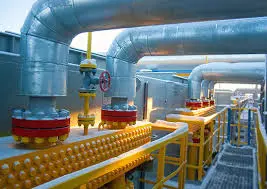
Long-distance pipeline service is often a major part of oil and gas projects. In contrast, petrochemical plants must handle tighter unit layouts, more complex process chemistry, and a higher number of equipment tie-ins. These operating differences change the inspection priorities for petrochemical flanges. At the unit level, petrochemical facilities typically place greater emphasis on corrosion mechanisms, gasket compatibility, flange face condition, bolting reliability, and fugitive emissions control.
In real life, many buyers can connect to a case of repeated leaks at a process unit tie-in. It took more than just changing the cover to fix it. The team looked at the flatness of the flange, the placement of the bolt holes, the material certificates, and any rust around the sealing area. The unit became stable and stopped leaking again after the broken flange was replaced and inspection controls on new parts were tightened.
Procurement and Supplier Considerations for Flange Inspection and Replacement
Inspection and buying should be done by the same method. If buying only looks at price when choosing parts, repair teams often have to deal with quality issues later on. Buyers in manufacturing plants, EPC firms, and stockists need providers who know how to deal with paperwork, delivery deadlines, and success in the field.
What procurement teams should verify in suppliers?
Before making an order, I recommend checking the company's certification status, ability to inspect, uniformity of production, and responsiveness. A reliable provider should be able to meet both standard and custom needs, give clear MTCs, and help match the type of flange and material to the process task.
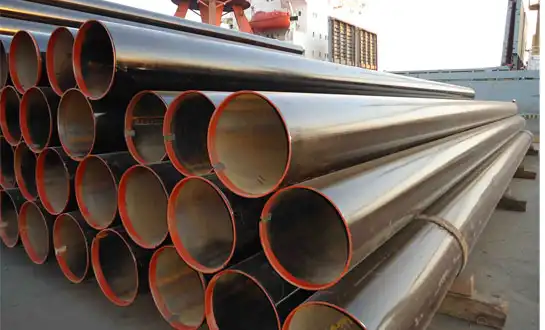
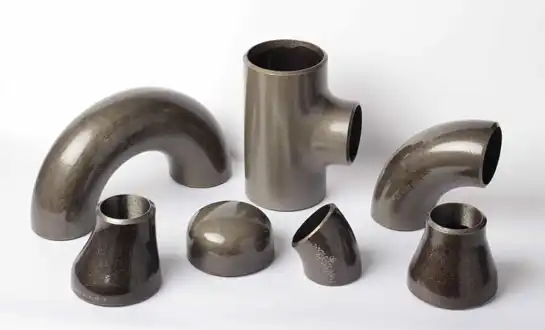
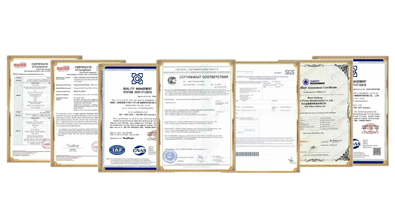
We offer a range of industrial pipe fittings, such as buttweld steel elbows, steel reducers, and flanges, that make sure connections are safe. Our product line has options for all kinds of design needs, from simple straight lines to complicated curves to flexible joints. RAYOUNG is trusted by many businesses to provide high-quality carbon steel pipes to customers in both the United States and other countries. Discerning buyers can review our comprehensive certifications, detailed inspection reports, and stringent quality management documentation to verify our absolute export compliance and uncompromising manufacturing standards. Our range of steel pipe fittings and steel pipes is good for buildings, industrial plants, and business properties because they work well, are safe, and last a long time. Our fittings work perfectly with all kinds of flow systems, from water to gas lines. As a premier global manufacturer of industrial piping solutions, we deeply understand the critical importance of maintaining uncompromising, uniform quality under ISO 9001:2015 standards, while continuously driving innovation in every application.
The cost-benefit of proactive inspection
This makes a lot of teams wonder if inspections really do save money. When it comes to petrochemicals, it does. An emergency shutdown, leak reaction, environmental fines, or rushed substitute orders all cost a lot more than planned inspections. When there are fewer complaints from customers, there is less need for replacements, and customers trust the company more. This helps operators reduce lifecycle costs and avoid unplanned expenses.
Best Practices and Future Trends in Flange Inspection Technology
Inspection of flanges is going beyond just looking at them by hand. Plants now want data that can be used again and again, better paperwork, and information that can help them plan their care.
Digital inspection tools and smarter maintenance planning
AI-assisted visual inspections, digital measurement tools, and drone-assisted inspections can all make things more consistent and lower exposure in places that are hard to get to. It is easier to compare the state of flanges over time, keep track of flaws that keep happening, and do checks with digital records. With inspection results, process data, and leak information all in one place, predictive maintenance works even better.
Building a reliable inspection program
A good program has clear acceptance criteria, trained technicians, regular checks, written reports of results, and qualified replacement suppliers. One more thing: make sure that everyone in operations, repair, and buying knows the same thing about what "acceptable" means. This arrangement cuts down on arguments during shutdowns and speeds up the decision-making process when replacement is needed.
Conclusion
Inspection of petrochemical flanges is not just a matter of checking off a list. It is a useful check for cost, safety, compliance, and efficiency. The best flange plans I've seen include checking the dimensions, inspecting the sealing face, nondestructive testing (NDT), keeping track of the materials, and making sure the suppliers are doing a good job. Plants that plan inspections along with procurement decisions usually lower the risk of leaks and keep shutdown shocks to a minimum. When used in a high-pressure, acidic setting, a flange's performance must be reliable from the time it is installed throughout its service life.
FAQ
1. What are the main inspection points for petrochemical flanges?
Dimensions, pressure class, material tracking, flange face condition, bolt holes, gasket fit, corrosion damage, and weld quality are some of the most important things to look at. Services with a high risk level often need NDT like UT, MT, or PT.
2. How often should flanges be inspected in a petrochemical plant?
The time between inspections relies on how bad the service is, the medium, the pressure, the temperature, the history of corrosion, and government rules. Utility lines that aren't at risk need to be checked less often than lines that are important or likely to break.
3. Why is MTC traceability important for flange replacement?
The MTC tracking makes sure of the flange's material grade, chemistry, and mechanical features. It helps with quality checks, compliance, and faster root-cause analysis if a problem shows up in the field.
Partner with RAYOUNG for Reliable Petrochemical Flange Solutions
Need a petrochemical flanges provider you can trust to give you good paperwork and project support? When it comes to ANSI, DIN, and JIS flange options, RF/FF/RTJ facings, CNC-machined sealing surfaces, full MTC tracking, and quick delivery planning, RAYOUNG can help. Contact us at info@hb-steel.com if you need to buy petrochemical flanges or find a reliable maker for future checks and repairs.
References
1. ASME B16.5, Pipe Flanges and Flanged Fittings
2. ASME B16.47, Large Diameter Steel Flanges
3. ASME Boiler and Pressure Vessel Code, Section V, Nondestructive Examination
4. ASME Boiler and Pressure Vessel Code, Section VIII, Rules for Construction of Pressure Vessels
5. API Recommended Practice 574, Inspection Practices for Piping System Components
6. ASTM A105/A105M, Standard Specification for Carbon Steel Forgings for Piping Applications

Need a quote? Want to see samples? Just say hello. We’re friendly. We’re fast. And we’re ready when you are.
Welcome to RAYOUNG – Strong Pipes, Stronger Promise