Flange Design Considerations for Offshore Platforms
When building naval infrastructure systems, picking the right connection parts is very important for safety and successful operation. Offshore flanges are flange assemblies selected and engineered for use in offshore piping systems, pressure tanks, and subsea equipment that is used in harsh marine settings. These parts have to be able to handle corrosion from salt water, big differences in pressure, and constant movements while keeping their links leak-free for as long as they are used. Knowing the right things to think about when designing something helps procurement pros make choices that lower project risks, follow rules, and get the best long-term performance for a wide range of remote uses.

Understanding Offshore Flanges and Their Specifications
Because they work in difficult conditions every day, marine flange systems are very different from their onshore counterparts. Because they are always exposed to saltwater, harsh weather, and changing loads, they need stricter engineering requirements that cover things like rust resistance, structural integrity, and closing performance in tough situations.
Material Selection and Corrosion Resistance
Choosing the right materials is the first step in making sure that marine flanges work well. Duplex stainless steels, like UNS S31803 and S32750 types, are very resistant to chloride-induced corrosion and retain their properties even when they are under a lot of pressure. If you put these advanced metals in marine settings with chlorides and other corrosive substances, they work better than standard carbon steel options.
Nickel-based alloys, especially Alloy 625, Alloy 718, and Alloy 825, provide superior corrosion resistance against bad service conditions that are typical in oil and gas operations that take place at sea. These materials don't rust when exposed to hydrogen sulfide, and their mechanical features stay the same at a lot of different temperatures. The choice between duplex stainless steel and nickel-based alloys is based on certain operating factors, such as the temperature, pressure, and chemical makeup of the fluids being moved.
Pressure Ratings and Structural Specifications
Offshore flanges are commonly specified in pressure classes ranging from Class 150 to Class 2500, while specialized applications may require equipment designed for pressures up to 20,000 psi. The choice of pressure grade has a direct effect on the thickness of the material, the size of the bolt circle, and the general shape of the flange. For higher-pressure uses, the structure needs to be stronger, and machining tolerances must be tightly controlled so that the seal stays in place under working loads.
Common Flange Types for Marine Applications
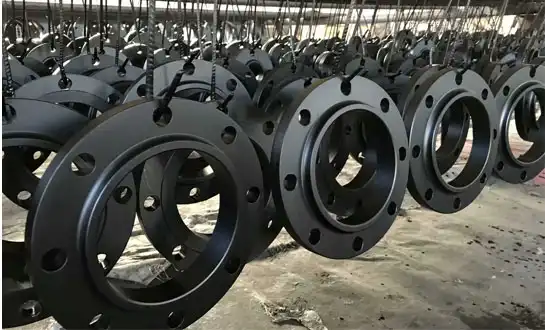
In ocean pipe systems, different types of flanges are used for different tasks. Weld neck flanges are great for high-pressure transmission lines because they are very strong and reinforced all the way through. Socket weld flanges are used for high-pressure connections with smaller diameters when installation choices are limited by a lack of room.
Swivel flanges are very useful for subsea setups because they allow rotational adjustment during assembly, which makes it easier to line up bolt holes in tight areas. Blind flanges are very important for keeping the ends of pipelines sealed during repair or system changes. Each type meets certain construction needs while still keeping the structure's stability in marine environments.
Key Design Principles for Offshore Flanges
For offshore flange design to work well, the designer needs to know a lot about how materials behave, how they are loaded, and how they seal so that the flange will last throughout its operating life. Marine settings have dynamic forces, changing temperatures, and corrosive exposure that must be taken into account during the planning process.
Load and Pressure Considerations
Ocean environments subject flanges to complex loading scenarios, including static pressure, dynamic wave loads, thermal expansion stresses, and vibration-induced fatigue. Design engineers must evaluate these combined effects to determine appropriate safety factors and material specifications. The dynamic nature of offshore platforms introduces additional complexity through constantly changing load directions and magnitudes.
Pressure containment is one of the most important requirements of any offshore piping system. The design has to be able to handle both steady-state working pressures and changing conditions that happen during starting, shutdown, and emergencies. Events of pressure surges can be much worse than standard working conditions, so cautious design approaches are needed.
Sealing Technology and Gasket Selection
Choosing the right gasket and preparing the flange face are both important for good sealing. Spiral wound gaskets with stainless steel windings and suitable filler materials such as graphite or PTFE are very good at resisting chemicals and recovering from heat cycles. Through their metal-to-metal sealing system, RTJ (Ring Type Joint) gaskets are commonly used in high-pressure and high-temperature applications.
The finish on the flange face has a direct effect on how well it seals and how long the gasket lasts. Standard uses work well with raised face designs, while RTJ groove preparations can handle very high-pressure needs. Controlling the surface roughness correctly ensures that the seal makes good contact with the surface and stops too much compression set, which causes leaks over time.
Coating and Protection Systems
Protective coating methods make flanges last longer by giving them extra rust protection on top of the qualities of the base material. Thermal spray coatings of zinc or aluminum can provide galvanic corrosion protection, while organic coatings protect against chemical contact. Which covering type to use depends on how it will be used, how easy it is to maintain, and how much it will cost.
Additionally, protective coatings and cathodic protection devices work together to completely stop rust. By keeping the flange surface at safe potentials, these electrochemical devices stop metal from dissolving. All mechanical parts will work the same way because they are integrated with platform-wide safety systems.
Procurement Insights for Offshore Flanges
Procurement strategies that work well combine technical needs, quality control, the dependability of the supply chain, and lowering costs so that the project is worth it all the way through. Knowing what the provider can do, what certifications are needed, and how the market works helps you make smart decisions that support the success of the project.
Supplier Evaluation and Quality Assurance
When choosing a supplier, you need to carefully look at their production skills, quality systems, and industry qualifications. Specialized certifications such as API Q1 demonstrate that a manufacturer operates a quality management system suitable for the oil and gas industry. ISO 9001:2015 certification shows that you follow quality management principles. Audits of manufacturing facilities show how things are made, how quality is controlled, and how well the facility can meet the needs of a particular project.
Material tracking is very important for offshore use, where failure could have very bad results. From getting the raw materials to the final review, suppliers must keep full paperwork chains. These include mill test certificates, heat treatment records, and dimensional verification reports. This paperwork helps with following the rules and lets you figure out what went wrong if something goes wrong during operation.

Custom Manufacturing Capabilities
Offshore flanges often need to be changed from their original specs to fit the needs of a particular ship. Suppliers who do their own machining can offer unique sizes, special materials, or changed designs with reasonable lead times. Being able to work directly with engineering teams during the planning process guarantees the best solutions that meet both technical and business needs.
With prototype development, unique ideas can be tested before they are fully committed to production. This method lowers the risks that come with non-standard setups and lets the design be improved based on real-world testing results.
Lead Times and Order Management
To make buying plans, you need to know how long lead times are usually for different types of products and suppliers. Standard flanges that are in stock may be shipped within weeks, but unique versions that need special materials can take several months. Early involvement of suppliers in the planning stages of a project helps create a reasonable schedule and find long-lead items that need to be bought quickly.
Minimum order numbers change how things are bought, especially for smaller tasks that only need a few flanges. You can get savings of scale while keeping your inventory flexible by combining orders from different projects or working with resellers.
Installation, Maintenance, and Performance Optimization
As long as they are installed and maintained correctly, Offshore flanges will work as intended for the entire duration of their operating lives. By knowing the best ways to install, check, and repair something, you can lower your total cost of ownership while keeping it safe and reliable.
Installation Best Practices
To get good sealing performance from flange installation, pay close attention to how the bolts are tightened, where the gasket is placed, and how the joints are lined up. Loads are spread out evenly around the flange's diameter by controlled bolt tightening processes. This keeps the gasket from getting damaged and makes sure that there is uniform compression. Hydraulic tensioning tools give you exact control over bolt loads, which is especially useful for large diameter flanges where tightening by hand is not an option.
How the gasket is installed must keep it from getting damaged while it is being handled and put together. When seal materials are stored properly, they stay clean and don't break down before they are installed. Different types of gaskets need different ways to be installed. For example, spiral wound gaskets need to be compressed to a certain level, and RTJ gaskets need to have their grooves lined up perfectly.
Maintenance Strategies and Inspection Protocols
Through routine inspection programs, problems can be found early on, before they become major problems. Visual checks find clear signs of corrosion, mechanical damage, or leaks. More in-depth inspections may need to take parts of the system apart. How often you need to inspect something depends on how it's being used; tough settings need to be checked more often.
Monitoring corrosion gives numbers on how fast materials break down, which lets you guess how long they will last and figure out the best repair times. Ultrasonic thickness readings show how much material is being lost over time, and surface inspection methods show where cracks start and how they spread. This information helps make repair choices that are based on facts and strike a balance between safety needs and operating efficiency.
Performance Monitoring and Optimization
Leak detection systems keep an eye on how well the flange is working while it's in use. These systems range from simple eye checks to high-tech electronic ones that tell you in real time when problems start to happen. Finding leaks early lets you fix them right away, before they cause damage to the environment or safety issues.
By looking at performance data, you can find trends and patterns that show you the best ways to do maintenance. By looking at maintenance records, failure modes, and working situations statistically, predictive maintenance methods can be created that lower the number of unexpected failures and keep maintenance costs low.
Comparing Offshore Flange Options for Optimal Decision-Making
To choose the best offshore flange solutions, you need to compare all of your choices in a structured way against the needs of your project. When you know the pros and cons of different materials, designs, and sources, you can make smart choices that balance efficiency, cost, and risk.
Material Comparison Analysis
Compared to exotic metals, duplex stainless steel is a good choice because it doesn't rust and has good mechanical qualities. When exposed to seawater, these materials work well and are strong enough for most pressure uses. Duplex grades are good for many offshore uses because they match efficiency and cost well.
To make up for their much higher cost, nickel-based metals work better in harsh settings. These metals are worth the extra cost in serious situations where failure would have bad results or where regular materials can't last long enough. To choose between duplex stainless steel and nickel-based alloys, you need to carefully weigh the costs over their entire life span against the original investment.
Pressure Rating Selection
Pressure rating selection must account for operating pressures, pressure transients, and safety margins required by applicable codes. Higher pressure classes provide greater design margins when properly selected according to applicable codes, but they also make the material more expensive and heavier. The optimization process makes sure that safety requirements are met while also taking cost into account and following all rules and regulations.
Cost-Benefit Analysis Framework
A full cost analysis looks at the original purchase price, the costs of installation, the upkeep that needs to be done, and the effects of failure over the whole operating lifecycle. Lower-cost products might need to be fixed or replaced more often, which could make the total cost of ownership higher. On the other hand, premium materials that cost more at first may have better lifetime economics because they need less upkeep and are serviced less often.
The framework for the study should be able to measure the risks that come with each choice, such as the likelihood of failure, the effects of failure, and the costs of avoiding failure. This risk-based method lets you make choices about optimization that take both cost and safety into account.
Conclusion
When designing flanges for offshore platforms, it's important to think about the climate, the properties of the materials, and the different practical needs that come up in marine uses compared to onshore installations. The selection process must strike a precise balance between long-term safety and reliability, technical performance, and strict regulatory compliance.Offshore flanges are very important parts that have a direct effect on how well a platform works, how much it costs to maintain, and how safe it is to use. When procurement workers understand these design factors, they can make decisions that improve project results and lower lifecycle risks.
FAQ
1. What materials are best suited for offshore flange applications?
Duplex stainless steel grades UNS S31803 and S32750 provide excellent corrosion resistance for most offshore applications. Nickel alloys 625, 718, and 825 offer superior performance for extreme environments or sour service conditions. The material selection depends on specific operating conditions, including temperature, pressure, and chemical exposure.
2. How do offshore flanges differ from standard industrial flanges?
Offshore flanges are made of materials that are specifically made for marine settings and have higher pressure levels. They also have better corrosion protection. They have to be able to handle being exposed to saltwater, dynamic loads from waves, and extreme weather conditions while still working properly for long periods of time without leaking.
3. What standards govern offshore flange design and manufacturing?
Offshore flange uses usually follow ASME, ANSI, API, ISO, and ASTM rules, but this can change based on the application and area. ASTM A105 is a standard specification for forged carbon steel piping components, including flanges, and ASTM A182 is a standard for stainless and alloy steel forgings. Following these guidelines makes sure that the product is safe, reliable, and accepted by regulators.
Partner with RAYOUNG for Your Offshore Flange Requirements
RAYOUNG offers complete flange solutions designed for offshore use. These solutions use high-tech materials, precise manufacturing, and strict quality control to meet the strict needs of marine settings. Our production methods are ISO 9001:2015 certified, which means they always produce high-quality products that can be counted on for important offshore sites. As a premier manufacturer and trusted supplier of industrial piping components, we maintain an extensive inventory of duplex stainless steel and specialty alloy flanges, while also offering rapid custom manufacturing to meet your specific project requirements. During the planning and purchase process, our technical team offers expert advice to make sure that the best materials are chosen and that the right specifications are created. Email our experts at info@hb-steel.com to talk about your unique needs and find out how our years of experience can help your project succeed.
References
1. American Society of Mechanical Engineers. "ASME B16.5 Pipe Flanges and Flanged Fittings: NPS 1/2 through NPS 24." ASME International, 2020.
2. Det Norske Veritas. "Recommended Practice DNV-RP-F101: Corroded Pipelines." Det Norske Veritas, 2019.
3. International Organization for Standardization. "ISO 14692 Petroleum and Natural Gas Industries - Glass-fiber-reinforced Plastics (GRP) Piping." ISO Publications, 2021.
4. American Petroleum Institute. "API Specification 6A: Specification for Wellhead and Christmas Tree Equipment." API Publishing Services, 2020.
5. ASTM International. "ASTM A182 Standard Specification for Forged or Rolled Alloy and Stainless Steel Pipe Flanges." ASTM International, 2021.
6. Norwegian Technology Centre. "NORSOK Standard M-001: Materials Selection." Standards Norway, 2020.

Need a quote? Want to see samples? Just say hello. We’re friendly. We’re fast. And we’re ready when you are.
Welcome to RAYOUNG – Strong Pipes, Stronger Promise