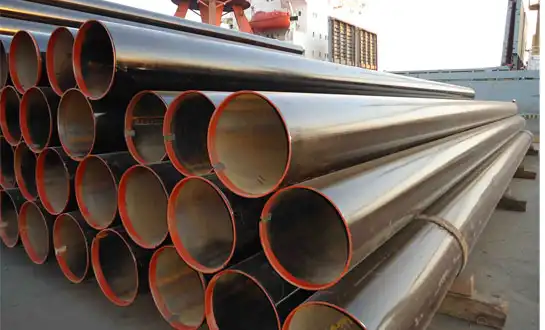
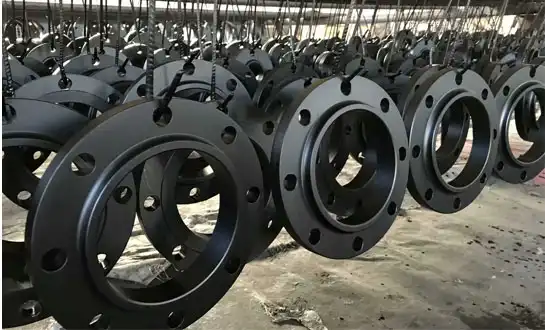
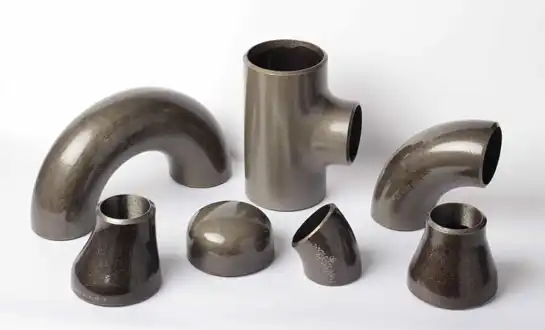
Common Uses for Small Diameter (1-2 inch) Schedule 40 Black Steel Pipes
Schedule 40 black steel pipes with small diameters, especially the 1 1/2-inch schedule 40 black steel pipe, are important parts of infrastructure in industrial, business, and residential settings. These carbon steel pipes are very strong and don't bend easily under pressure. This makes them perfect for moving gas, supporting structures, and HVAC systems.
Because these pipes feature standardized dimensions and strictly comply with ASTM A53 standards, procurement managers can confidently rely on them to meet diverse project demands, ensuring superior long-term performance while keeping overall costs low.

Understanding 1 1/2 Inch Schedule 40 Black Steel Pipe: Properties and Specifications
The 1 1/2 inch schedule 40 black steel pipe represents a carefully engineered balance of strength, weight, and internal capacity that meets demanding industrial requirements. This pipe features specific dimensional characteristics that define its performance capabilities and application suitability.
Dimensional Specifications and Standards Compliance
With a wall thickness of 0.145 inches and an outside diameter of 1.900 inches, the pipe has an inside diameter of about 1.610 inches. These dimensions follow the ANSI/ASME B36.10M standard, which means it works with standard plugs and fittings from different brands. The Schedule 40 number tells you the pipe's wall thickness class, which is the best mix between structural integrity and internal flow volume for most uses. The pipes are made according to ASTM A53 standards for carbon steel construction. Grade B steel with a minimum yield strength of 35,000 psi (minimum) and tensile strength of 60,000 psi is usually used. Both welded and seamless constructions are available, with performance depending on manufacturing method and application requirements. The pressure ratings are suitable for industrial applications.
Pressure Ratings and Temperature Capabilities
Schedule 40 black steel pipes can handle different amounts of pressure depending on the temperature and the purpose. At 150°F, the allowable working pressure depends on design codes such as ASME B31 and specific application conditions. In high-temperature situations, the allowable pressure decreases according to ASME pressure-temperature ratings. Because these pipes are made of carbon steel, they have great thermal transfer and expansion properties. This makes them useful for moving steam and heating systems.
Surface Treatment and Threading Specifications
The black surface (mill scale) provides limited corrosion resistance and is primarily a result of the manufacturing process. It is commonly used in gas and oil applications while still allowing for field welding modifications. Standard threading follows the rules set out in ANSI/ASME B1.20.1. This makes sure that fittings made of malleable iron and other threaded parts seal and join properly. When shipped, the threaded ends of the 1 1/2-inch schedule 40 black steel pipe come with protective caps that keep the thread quality and keep the threads from getting dirty.
Common Applications and Uses of Small-Diameter Schedule 40 Black Steel Pipes
Schedule 40 black steel pipes in the 1-2 inch range demonstrate versatility across multiple industries and applications. Their robust construction and pressure capabilities make them preferred choices for both fluid transport and structural applications.
Gas and Fuel Distribution Systems
Distribution of natural gas is one of the main uses for black steel pipes in this size range. Natural gas and liquid propane are safely moved through the lines in both homes and businesses, making heating systems, cooking appliances, and industrial processes more reliable. The black surface offers limited protection compared to bare steel, and it keeps the structure strong enough for pressurised gas systems. These lines are often used by municipal gas distribution networks to connect services and install meters. The standard sizes make sure that they can be used with existing infrastructure, and the pressure ratings are right for the pressures that are common in gas lines in cities.
HVAC and Steam Applications
Large parts of heating, ventilation, and air conditioning systems depend on Schedule 40 black steel lines to move steam and heat water. The pipes can handle high-temperature steam well and have the strength for placements above ground and long distances between supports. These lines are used by commercial boilers to send steam to industrial equipment, heat exchangers, and radiators. The thermal qualities of carbon steel make it good at moving heat, and the threaded connections make it easier to install and fix things.
Industrial and Manufacturing Applications
Black steel pipes with a small diameter are used in factories to move process fluids, hydraulic lines, and compressed air. The pipes can handle different industrial fluids, like oils, coolants, and process chemicals, and they keep their shape even when the temperature and pressure change. These pipes are used in auto factories for hydraulic systems that power lifts, parts of the assembly line, and testing equipment. The exact dimensional tolerances ensure that automated systems that need to give consistent pressure work reliably.
Structural and Support Applications
Aside from moving fluids, Schedule 40 black steel pipes are used for structural purposes in things like building frames, machine supports, and railing systems. Because these pipes are strong for their weight, they are a good choice for load-bearing jobs where smaller materials aren't strong enough. These lines are often used in factories to build frames for equipment, supports for conveyors, and platforms. The threaded links make it possible to change and put together parts in the field without using special welding tools. This lowers the cost and difficulty of installation.
Comparing Schedule 40 with Schedule 80 and Other Pipe Types for Procurement Decisions
Understanding the fundamental differences between various pipe schedules and material grades enables informed procurement decisions, ensuring you select the optimal specification—like the 1 1/2-inch schedule 40 black steel pipe—to minimize project costs while meeting all performance requirements. Each pipe type offers distinct advantages depending on application demands and budget constraints.
Schedule 40 versus Schedule 80 Comparison
Schedule 80 pipes have walls that are much stronger than Schedule 40 pipes. This means that they can handle higher pressures but less flow. Schedule 80 pipes can handle significantly higher pressures than Schedule 40, depending on size, material, and design code, but they cost 40–60% more than comparable Schedule 40 pipes and weigh a lot more, which increases shipping and installation costs. Schedule 80 pipes are good for high-pressure uses because their walls are thicker, but they aren't needed for normal HVAC, plumbing, and low-pressure industry uses. To avoid over-specification, procurement managers should compare the real pressure needs with the higher costs of Schedule 80 materials.
Black Steel versus Galvanized Steel Considerations
Zinc covering on galvanised steel pipes makes them more resistant to corrosion, but they cost 25–35% more than black steel pipes. The process of galvanizing can affect thread fit and may require adjustment or compatible fittings, and in some cases, special fittings are needed. For most indoor uses and gas systems, black steel pipes provide sufficient corrosion resistance. They are also easier to weld and cost less. Often, the weather and building rules in the area determine whether to use black or galvanised steel. When used outside or in places with a lot of humidity, galvanised materials may be worth the extra cost. On the other hand, black steel lines usually work fine for indoor installations.
Stainless Steel Alternative Analysis
Compared to carbon steel pipes, stainless steel pipes are better at resisting rust and last longer, but they cost 300 to 500% more. Only in highly corrosive environments or uses that need to be very clean, like food processing or pharmaceutical manufacturing, is the choice of material economically sound. Threading and fitting compatibility is different between carbon steel and stainless steel systems, which could mean that the whole system material needs to be coordinated. When looking at stainless steel options, procurement teams should look at the total cost of the system instead of the prices of each part.
Best Practices for Measuring, Cutting, and Handling 1 1/2 Inch Schedule 40 Black Steel Pipe
Proper handling and installation techniques ensure optimal performance and longevity of 1 1/2 inch schedule 40 black steel pipe systems. Following established procedures minimizes installation errors and maintains system integrity throughout the service life.
Precision Measurement Techniques
Accurate measurement begins with utilizing the appropriate tools, including steel measuring tapes, pipe calipers, and precision thread gauges. These tools are essential for verifying the dimensional accuracy and threading quality of your 1 1/2-inch schedule 40 black steel pipe.Digital calipers provide precise measurements for custom fitting requirements, while thread gauges ensure proper engagement with fittings and connectors. Installation planning should account for thermal expansion in steam and hot water applications, allowing appropriate clearances and expansion joints. The coefficient of thermal expansion for carbon steel requires consideration in systems experiencing significant temperature variations.
Safe Cutting Methods and Equipment
Pipe cutting operations require appropriate tools and safety procedures to maintain thread integrity and worker safety. Reciprocating saws with metal cutting blades provide efficient cutting for field modifications, while pipe cutters ensure clean, square cuts suitable for threading operations. Threading operations should utilize proper cutting oils to ensure clean thread formation and prevent galling or damage to threading dies. New threads require inspection with thread gauges to verify compliance with ANSI/ASME B1.20.1 standards before installation.
Storage and Handling Protocols
Proper storage prevents corrosion and physical damage that can compromise pipe performance and appearance. 1 1/2 inch schedule 40 black steel pipe should be stored in dry environments with adequate ventilation to prevent moisture accumulation. Stacking should utilize appropriate supports to prevent deformation, particularly for longer lengths that may sag under their own weight. Thread protection during storage and transport maintains connection quality and prevents contamination. Protective caps should remain in place until installation to preserve thread integrity and prevent debris entry that could affect system performance.

How to Procure 1 1/2 Inch Schedule 40 Black Steel Pipe: Supplier Selection and Buying Guide
Successful procurement of Schedule 40 black steel pipes requires careful supplier evaluation and understanding of market dynamics. The selection process should balance quality, cost, delivery requirements, and long-term supplier relationships.
Supplier Evaluation Criteria
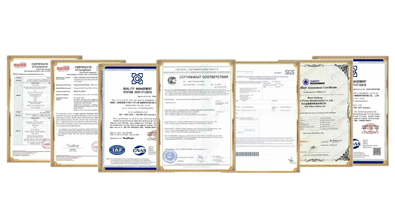
Quality certifications are the basis for building trusting partnerships with suppliers. As proof that their products meet ASTM A53 standards, suppliers should show mill test certificates and quality management system certifications like ISO 9001:2015. This makes sure that product quality remains consistent and that it can be tracked all the way through the supply chain. Logistics costs and delivery options affect project timelines and how much it costs to ship. Suppliers with more than one distribution center can cut down on shipping costs and delivery times while also keeping extra stock on hand in case of an emergency.
Pricing Structures and Volume Considerations
Prices for pipes are usually based on how much they cost per foot, and discounts are given for big orders. Knowing how prices change in the market helps buying teams plan when to buy things and negotiate better deals. The prices of steel commodities affect the starting costs, and fees for transporting and handling add to the total delivered prices. Long-term contracts can offer stable prices and guaranteed supply, but it's important to carefully predict demand to avoid having to pay too much for storage. Most of the time, promises to buy in bulk get better prices and make sure that suppliers can meet the needs of the project.
Quality Assurance and Documentation
The quality requirements should be made clear in the procurement specs. These should include standards for surface finish, dimensional tolerances, and certification paperwork. Mill test certificates show where the material came from and verify its mechanical properties, and dimensional inspection records show that the measurements are within the allowed ranges. Inspection services run by a third party can make sure that quality standards are met for important projects or big purchases. These services check the claims of suppliers independently and make sure they follow the project's rules.
Conclusion
Small-diameter Schedule 40 black steel pipes can be used in a wide range of industrial and commercial settings and are cost-effective. The 1 1/2-inch schedule 40 black steel pipe is widely used for gas distribution, in HVAC systems, and in structural uses. It also works with standard fittings and installation methods. Successful project outcomes are guaranteed by good buying strategies that focus on supplier quality, material certifications, and total cost analysis. Procurement teams need to understand the technical specifications, application requirements, and handling procedures so they can make choices that are both performance and cost-effective for their project.
FAQ
1. Can Schedule 40 black steel pipes be used for gas line applications?
Schedule 40 black steel pipes are widely approved for natural gas and liquid propane applications. The pipes meet safety standards for residential and commercial gas distribution while providing adequate pressure ratings for typical gas systems. Local building codes should be consulted to ensure compliance with regional requirements, as some jurisdictions may have specific installation or material requirements for gas piping systems.
2. Are these pipes suitable for outdoor construction projects?
Black steel pipes can be used outdoors with proper protection against corrosion. The black coating provides some corrosion resistance, but exposed outdoor installations may benefit from additional protective coatings or galvanized alternatives. Buried applications require careful consideration of soil conditions and may necessitate cathodic protection systems or alternative materials to ensure long-term performance.
3. How does pipe weight affect shipping and installation costs?
The weight of Schedule 40 black steel pipes directly impacts transportation costs and labor requirements for installation. Heavier pipes require more robust support systems and may increase crane or lifting equipment needs for installation. Shipping costs increase with weight, particularly for long-distance transport or air freight shipments. However, the structural strength provided by the weight often eliminates the need for additional support materials, potentially offsetting some cost increases.
RAYOUNG: Your Trusted Premier Manufacturer of Black Steel Pipes
RAYOUNG delivers exceptional quality carbon steel pipes meeting the demanding requirements of modern industrial applications. Our comprehensive inventory includes 1 1/2 inch schedule 40 black steel pipe manufactured to ASTM A53 specifications with full certification documentation and quality assurance. We provide competitive pricing for bulk orders while maintaining consistent delivery schedules that keep your projects on track. Connect with our technical team at info@hb-steel.com to discuss your specific requirements and discover how our experience can support your procurement objectives with reliable products and professional service.
References
1. American Society for Testing and Materials. "Standard Specification for Pipe, Steel, Black and Hot-Dipped, Zinc-Coated, Welded and Seamless." ASTM International, 2019.
2. American National Standards Institute. "Pipe Threads, General Purpose." ANSI/ASME B1.20.1 Standards Committee, 2018.
3. National Association of Pipe Fabricators. "Industrial Piping Systems: Design and Installation Guidelines." Technical Publication Series, 2020.
4. Steel Pipe Industry Association. "Carbon Steel Pipe Applications in Industrial Construction." Engineering Standards Manual, 2021.
5. International Code Council. "International Fuel Gas Code: Installation Requirements for Steel Pipe Systems." Building Safety Publication, 2019.
6. American Welding Society. "Structural Steel Pipe Connections and Installation Procedures." AWS Technical Guidelines, 2020.

Need a quote? Want to see samples? Just say hello. We’re friendly. We’re fast. And we’re ready when you are.
Welcome to RAYOUNG – Strong Pipes, Stronger Promise