Black Steel Pipe vs. Galvanized Pipe: Key Differences in Schedule 40 Applications
When choosing between galvanised and black steel pipe for Schedule 40 uses, the main difference is how well they protect against rust and where they will be used. For gas delivery and indoor uses, black steel pipes are more cost-effective and easier to weld. Galvanised pipes, on the other hand, have a zinc coating that makes them more resistant to rust for outdoor and water-based systems. Understanding these differences in materials is important for achieving the best performance, following industry standards, and ensuring long-term operational reliability in a wide range of workplace settings.

Introduction to Schedule 40 Black Steel and Galvanized Pipes
Understanding Black Steel Pipe Manufacturing and Applications
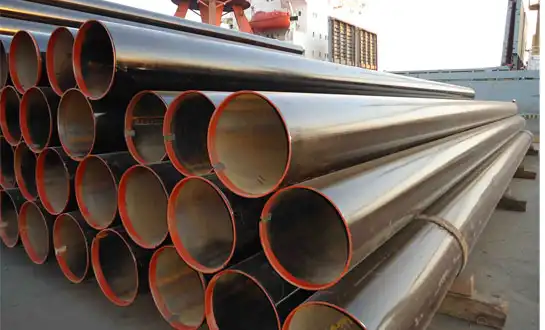
Black mild steel pipe is a type of carbon steel pipe that is not galvanised. It is made from low-carbon steel that usually has less than 0.25% carbon in it. The unique dark look comes from the iron oxide layer that forms during high-temperature production processes. Unlike treated options, black steel pipes retain a mill scale surface formed during high-temperature manufacturing rather than undergoing a dedicated protective coating process. This surface provides minimal short-term oxidation resistance but does not offer significant long-term corrosion protection. These pipes work great in closed-loop heating systems and gas transport systems where zinc contamination could be a problem. Since there is no galvanised layer, there is no chance of zinc flaking, which can block gas valve openings and pose safety risks. Industrial and manufacturing companies use black steel pipes for fire sprinkler systems, natural gas lines, and propane distribution. When welding, these pipes must have very strong joints.
Galvanized Steel Pipe Construction and Protective Properties
Schedule 40 wall thickness carbon steel pipe that goes through Hot-Dip Galvanisation (HDG) processing according to ASTM A53 standards makes up Schedule 40 galvanised steel pipe. Through metallurgical fusion at temperatures around 840–860°F, the galvanisation process attaches a protective zinc coating to the steel base. This coating typically meets minimum zinc coating weight requirements specified by relevant standards (often around 1.8 oz/sq ft. or as required). There are two ways that the zinc layer protects the steel: barrier protection, which keeps corrosive elements away, and cathodic protection, in which the zinc works as a sacrificial anode. This coating method helps prevent the oxidation cycle that leads to rust, which makes coated products last 20 to 50 years longer than uncoated ones. This improved corrosion resistance is very helpful for water distribution systems, outdoor structure frames, and marine uses.
Schedule 40 Sizing Standards and Procurement Relevance
The Schedule 40 number refers to the pipe wall thickness in relation to the Nominal Pipe Size (NPS) as described by the ANSI/ASME B36.10M standards. This specification strikes a balance between structural integrity and internal flow volume. It does this by setting standard buying parameters for the energy, manufacturing, and building industries. Schedule 40 pipes have consistent pressure ratings and can be used with standard fittings, which makes managing supplies and installing them easier. Standardisation makes it easier to buy things in bulk and lessens worries about connectivity when the system is being expanded or fixed. Global procurement teams like that Schedule 40 standards are accepted by all countries. This makes it easier to evaluate suppliers and ensure that quality is consistent across all vendors and regions across all vendors and regions.
Critical Differences Between Black Steel Pipe and Galvanized Pipe
Material Properties and Corrosion Resistance Analysis
The main difference between these types of pipes is how the surface is treated and how well they can stand up to the surroundings. Black steel pipes are made of carbon steel and don't have much protection on the outside, so they can rust when they come into contact with water. But this limitation is helpful in controlled settings where there isn't much chance of corrosion, and there are a lot of welding needs. The zinc layer on galvanised pipes makes them more resistant to corrosion than other types of pipes. Lab tests show that properly galvanised Schedule 40 pipes can withstand extended salt spray exposure significantly longer than uncoated steel, depending on coating thickness and test conditions. This is in contrast to black steel pipes, which rust within 24 to 48 hours in the same conditions. This difference in performance means big cost savings over the life of the product in high-humidity and outdoor settings.
Structural Strength and Pressure Capabilities
Both types of pipes are made from the same base materials, so their structural strength is about the same. Most types of Schedule 40 meet Grade B standards, which say that they must have a minimum tensile strength of 60,000 psi and a minimum yield strength of 35,000 psi. The galvanisation process doesn't change these mechanical qualities because the zinc coating is only a thin layer on top of the steel wall. When considering temperature, there are important performance differences. Black steel pipes maintain their structural integrity at higher temperatures, which means they can be used for high-temperature process work and distributing steam. When temperatures go above 392°F, galvanised coats start to break down, so they can't be used in places with high temperatures. This limit on temperature affects the choice of materials used for industrial heating systems and the links between process equipment.
Cost Analysis and Economic Considerations
Black steel pipes usually have lower initial material costs because they don't need to be galvanised. According to a study of the market, galvanised Schedule 40 pipes are priced 15 to 25 percent higher than similar black steel pipes. When upkeep, replacement, and system downtime are taken into account, however, lifecycle cost analysis shows a more complicated economic picture. The total cost of ownership, not just the original purchase price, is what procurement professionals need to look at. In corrosive environments, black steel pipes may need to be painted, coated again, or replaced too soon, but galvanised pipes usually don't need any upkeep for decades. Calculations based on risk assessments show that galvanised pipes are more valuable in water systems, outdoor uses, and places where rusting is likely to happen.
Application-Based Comparison for Schedule 40 Pipes
Industrial Gas Distribution and Indoor Applications
Black steel lines are most often used for gas distribution because they are easier to weld and don't contain zinc, which can be harmful. Black steel is used for major distribution lines, service connections, and equipment interfaces by natural gas utilities and industrial facilities. Because black steel is easy to weld, it can be used to make solid, high-strength joints that meet strict safety standards and pressure needs. Black steel pipes are often used in certain fire protection systems (such as dry systems), while galvanized or internally coated pipes are commonly used in wet sprinkler systems and standpipe setups to improve corrosion resistance. In an emergency, being able to make solid welded connections is what keeps the system together. Also, since there is no galvanised layer, there are no worries about zinc particles getting inside and affecting how the sprinkler head works or making maintenance harder.
Water Systems and Outdoor Structural Applications
Galvanised Schedule 40 lines work great for distributing potable water, setting up irrigation systems, and building outdoor structures. In the past, galvanised pipes were used for service lines and distribution networks by municipal water companies. However, new installations often use other materials that last longer. The zinc coating reliably protects against rusting in the dirt and exposure to the air. Galvanised pipes last longer in structural uses like handrails, fencing systems, and support frames. For both temporary and permanent structures that will be open to the weather, construction projects call for galvanised Schedule 40 pipes. When structural strength and corrosion resistance work together, they provide reliable performance without the need for ongoing upkeep. This lowers the costs and safety risks over the product's lifetime.
Scenario-Based Selection Guidelines
When engineering teams have to choose between galvanised and black steel, they have to think about a lot of things. Assessing the material's exposure to the environment is the first step in choosing it. Black steel works best in controlled indoor settings, while galvanised protection is needed for outdoor or corrosive environments. The need for welding also plays a role in the choice, since black steel is better for complex fabrication jobs when it comes to welding. Budget limits and project deadlines affect important choices. Black steel pipes save money right away and can be welded faster, which is good for jobs with limited funds and tight schedules. On the other hand, galvanised pipes are more valuable in the long run because they need less upkeep and last longer, which justifies the higher initial cost for permanent installations that need to last longer.

Procurement Insights and Supplier Considerations
Supplier Evaluation and Quality Assurance Criteria
To successfully buy Schedule 40 steel piping, you need to carefully check out each seller, paying special attention to their manufacturing skills, quality certifications, and past performance. Leading providers keep their ASTM A53 and A106 certifications, which show that they meet well-known quality standards. Having ISO 9001:2015 certification means that you have strong quality control systems that make sure that all of your products work the same way from batch to batch. As part of the supplier evaluation process, the galvanising facility's hot-dip processing skills should be looked at. This includes managing the zinc bath and controlling the coating thickness. Modern suppliers use machines to keep an eye on the thickness of the coating and give out detailed test certificates that show the zinc weight and adhesion qualities. Lead times and transportation costs are affected by how close a supplier is to a galvanising facility, which affects the choice of supplier for big projects.
Pricing Transparency and Order Fulfillment Strategies
The market price for Schedule 40 pipes changes based on the cost of raw materials, the amount of production that can be done, and the demand trends in different areas. Experienced suppliers set prices that are clear and take into account the specifications of the materials, the number of orders, and the shipping needs. Knowing the minimum order amounts helps with planning purchases well and getting the best deals by buying in bulk. Keeping track of lead times is very important for planning projects, especially when working with galvanised materials that need extra processing steps. Reliable suppliers maintain extensive inventories of standard sizes in both black steel and galvanized steel pipes, ensuring rapid availability while offering reasonable lead times for custom orders. Logistics and delivery coordination skills make sure that materials get to project sites on time, avoiding expensive delays and schedule changes.
Compliance Standards and Risk Mitigation
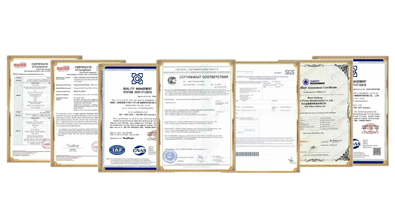
Teams in charge of buying things must make sure that suppliers follow all safety rules and industry standards. GOST-R and SGS certifications prove that foreign projects are export-compliant. As part of meeting the quality assurance standards for a project, suppliers should keep a lot of paperwork, such as material test reports, dimensional certifications, and coating specifications. Diversifying your suppliers, making quality agreements, and setting up performance monitoring tools are all ways to lower your risk. Having a lot of qualified suppliers lowers the risk of being dependent on just one, and a competitive price keeps costs low. Regular performance reviews and quality audits make sure that specs and delivery promises are always met.
Conclusion
The choice between black steel pipe vs galvanized options in Schedule 40 applications depends on specific operational requirements, environmental conditions, and lifecycle cost considerations. Black steel pipes offer advantages in gas distribution, welding-intensive projects, and controlled indoor environments where corrosion resistance is less critical. Galvanized pipes provide superior value in outdoor applications, water systems, and environments with elevated corrosion potential. Successful material selection requires a comprehensive evaluation of initial costs, maintenance requirements, service life expectations, and compliance with applicable codes and standards.
FAQ
1. Which pipe type offers better structural strength for pressure applications?
Both black steel and galvanized Schedule 40 pipes utilize identical base materials and wall thickness specifications, resulting in comparable structural strength and pressure ratings. The galvanization process does not compromise mechanical properties, as both types typically meet Grade B specifications with 60,000 psi minimum tensile strength. Selection should focus on environmental suitability rather than structural capabilities.
2. Can galvanized pipes be used safely for natural gas distribution?
Galvanized pipes are not recommended for natural gas applications due to potential zinc flaking that can clog gas valve orifices and create safety hazards. Natural gas codes typically specify black steel piping to eliminate zinc contamination risks and ensure reliable system operation. Black steel also provides superior weldability for gas line installations.
3. What is the expected service life difference between these pipe types?
Service life varies significantly based on environmental conditions. In outdoor or corrosive environments, galvanized pipes typically provide 20-50 years of reliable service compared to shorter service life for unprotected black steel under similar conditions. However, in controlled indoor environments with minimal corrosion exposure, both types can achieve similar service lives with proper maintenance.
4. Are there temperature limitations for galvanized pipe applications?
Galvanized coatings begin to deteriorate at temperatures exceeding 392°F, limiting their use in high-temperature applications. Black steel pipes maintain structural integrity at higher temperatures, making them preferable for steam systems and elevated temperature processes. Standard heating and cooling applications typically operate within acceptable temperature ranges for both materials.
Partner with RAYOUNG for Your Schedule 40 Steel Pipe Requirements
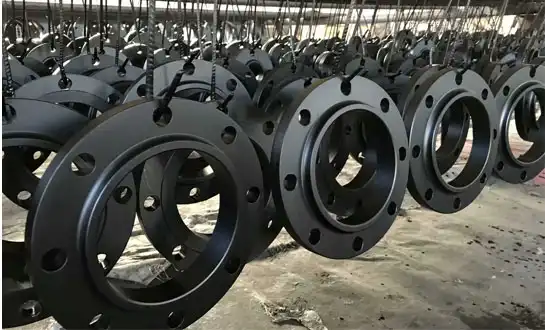
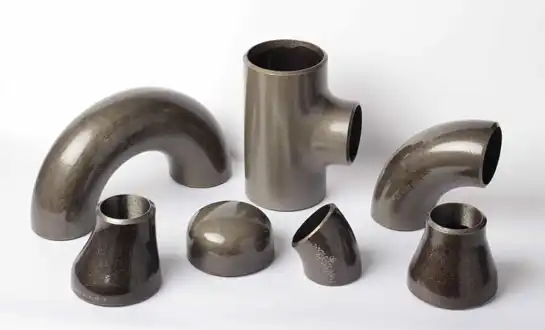
RAYOUNG stands as a premier manufacturer and trusted supplier of both premium black steel and galvanized pipes, delivering comprehensive piping solutions for diverse industrial applications. Our extensive product portfolio includes Schedule 40 black steel and galvanized pipes manufactured to ASTM specifications, complemented by buttweld steel elbows, reducers, and flanges that ensure secure connection points. With ISO 9001:2015, GOST-R, and SGS certifications validating our quality management and export compliance, we provide reliable products that meet stringent industry standards. Contact our team at info@hb-steel.com for detailed specifications, bulk pricing information, and customized solutions that address your specific project requirements.
References
1. American Society for Testing and Materials. "Standard Specification for Pipe, Steel, Black and Hot-Dipped, Zinc-Coated, Welded and Seamless." ASTM International, 2019.
2. American National Standards Institute. "Welded and Seamless Wrought Steel Pipe." ANSI/ASME B36.10M-2018, 2018.
3. National Association of Corrosion Engineers. "Galvanic and Pitting Corrosion Field Manual." NACE International Publication, 2017.
4. American Water Works Association. "Steel Pipe Design and Installation Manual." AWWA Manual M11, Fourth Edition, 2016.
5. International Association of Plumbing and Mechanical Officials. "Uniform Plumbing Code." IAPMO Group, 2018.
6. Steel Tube Institute. "Pressure Rating Standards for Steel Pipe and Tubing Applications." STI Technical Bulletin, 2019.

Need a quote? Want to see samples? Just say hello. We’re friendly. We’re fast. And we’re ready when you are.
Welcome to RAYOUNG – Strong Pipes, Stronger Promise