Common Flange Types Used in Refineries
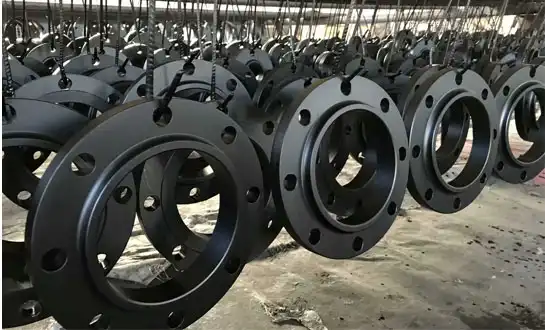
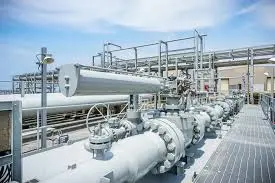
Refinery flanges are very important high-pressure links in oil refineries. They connect pipes, valves, and pumps that are part of complex piping networks. These unique parts, which are usually made from carbon steel, stainless steel, or special alloys, make sure that links stay strong in places with high temperatures and corrosion. Some common shapes are weld neck flanges for uses that need to withstand high pressure, raised face designs for better sealing, and ring-type joint (RTJ) versions for tough working conditions that need the best leak prevention capabilities.
Overview of Refinery Flanges and Their Specifications
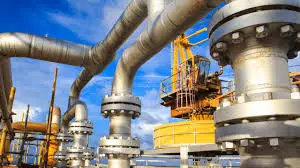
Refinery flanges are important parts of the infrastructure in oil refineries because they make links between complicated pipe systems safe and leak-tight. In harsh operating situations, these specialized connectors keep the system's integrity while allowing safe fluid movement.
Core Design Elements and Configuration
Modern designs for flanges include certain structural elements that make them safe for use in refineries. Standardized designs for bolt hole patterns help distribute stress evenly across the connection contact. Raised face flanges concentrate gasket load to improve sealing performance around the bore area. The width requirements for the flanges allow for the high pressures that are common in oil processing.
The physical accuracy of these parts has a direct effect on how well they close and how safe they are to use. Hub designs change based on the needs of the application. For example, curved shapes help distribute stress better in high-stress situations. The measurements of the bore are the same as those for standard pipes, so they will integrate properly with existing piping systems
Industry Standards and Compliance Requirements
Following set industry standards ensures that refinery activities run safely and reliably. Pressure-temperature values for standard flanges are set by ASME B16.5 standards, and API 6A standards cover wellhead and Christmas tree equipment used in upstream oil and gas applications. ASME/ANSI pressure classes range from Class 150 to Class 2500, which can be used by different plant units with different operating needs.
DIN standards provide different specs that are often used in international projects. This makes it possible for global industrial operations to use solutions that work together. These standards set requirements for materials, acceptable tolerances for measurements, and testing procedures that make sure that quality and performance are the same across all makers and providers.
Material Selection and Performance Characteristics
In aggressive industrial settings, proper material selection directly dictates the flange's operational performance, service life, and total lifecycle cost. Grades of carbon steel, like ASTM A105, have great mechanical qualities for use in normal temperature situations and are affordable for large-scale installs.
Different types of stainless steel, like 316L and 321 grades, are better at resisting rust in harsh chemical conditions. Specialized alloys, such as Inconel and Hastelloy, are used in certain process units to deal with problems like high temperatures and rust. Chromium-molybdenum metals (ASTM A182 grades F11, F22, and F91) are better at stopping creep in hydrogen service uses that are heated to high temperatures.
Common Types of Refinery Flanges and Their Applications
By learning about the different features and uses of the different types of flanges, you can make an educated choice that meets the needs of your plant. Each design has its own benefits that make it better for a certain set of operating settings and installation situations.
Weld Neck Flanges for Critical Applications
Weld neck flanges have an extended curved hub that makes them very strong and resistant to fatigue in high-pressure situations. The long curved passage from pipe to flange lowers stress concentration, which makes these parts perfect for harsh process lines that need to work perfectly.
For installation, full entry welding is needed to make a link that is the same thickness and strength as the pipes next to it. This design works great in heat cycling situations where pressure from expansion and contraction can make connections less reliable. Weld neck designs are better at withstanding mechanical stress, which makes them ideal for connecting distillation columns, high-pressure hydrogen systems, and important process lines.
Slip-On Flanges for Standard Applications
The installation process is easier with slip-on flanges, and they work well enough for low-pressure uses. The flange is placed over the pipe end, and fillet welding is typically applied on both the inside and outside, where applicable. This design uses less material than options like weld necks while still being strong enough for many industrial uses.
These parts work well in low to moderate pressure applications where ease of fitting is more important than the added strength of weld neck designs. Utility systems, cooling water lines, and non-critical process connections often utilize slip-on flanges for cost-effective solutions.
Blind Flanges for System Isolation
Blind flanges completely close off pipe systems, making it safe to do repair work and allowing for future growth. When you bolt these solid discs to standard flanges, they make pressure-tight seals that keep parts of the system separate while you do maintenance.
Blind flanges are absolutely critical during planned maintenance turnarounds, as they safely isolate active process fluids and maintain pressure integrity in adjacent systems while allowing maintenance crews to safely access specific equipment.
Installing blind flanges at future connection places is helpful because it gives you the freedom to change or expand the process.
Threaded and Socket Weld Configurations
Threaded flanges can be used in small-bore situations where welding might not be possible or where the link needs to be disconnected often. NPT threading lets you make a mechanical link without welding, but it is generally used in low-pressure and non-cyclic service conditions because it can create leak tracks.
Socket weld flanges are a good balance between strength and ease of fitting. The pipe fits into the flange hole, and only fillet welding is needed to connect them. These designs work well for lines with a smaller width, where full penetration welding might be hard to do or too expensive.
How to Choose the Right Refinery Flange for Your Project
To choose the right flange options, you need to carefully look at the technical needs, the working conditions, and the cost factors. A systematic study of these factors makes sure that performance is at its best while still meeting deadlines and budgets.
Technical Parameters and Performance Requirements
Ratings for pressure and temperature are what people use to choose which flange to use. ANSI Class rates must be higher than the highest operating conditions by the right amount of safety margins, which are usually 1.5 times the working pressure for most uses. Temperature factors include both normal and abnormal conditions, making sure that the material's qualities stay good throughout the service range.
In refineries, where process fluids may contain toxic compounds, hydrogen sulfide, or acidic parts, chemical compatibility is very important. Material selection must account for general corrosion rates, stress corrosion cracking potential, and hydrogen embrittlement resistance based on specific process chemistry.
Installation and Maintenance Considerations
Both beginning prices and long-term dependability are affected by how hard it is to install. Weld neck flanges need to be welded by skilled professionals and sometimes need to be heated after the welding process is done. This makes installation take longer and cost more. Slip-on options are easier to install, but they may need to be checked more often in important services.
Costs and safety issues related to current operations are affected by maintenance ease. With flanged connections, you can remove equipment without cutting the pipes, which cuts down on the time and cost of upkeep. Standard bolt designs make sure that gaskets are easy to find and make servicing easier for all makers.
Procurement Strategy and Supplier Evaluation
Lead times are very different for different types of flanges and materials. Standard carbon steel parts are usually available from stock, but parts made of unusual metals may take longer to be made. Prices depend on how many items you order, and buying in bulk can save you money on big jobs or regular upkeep.
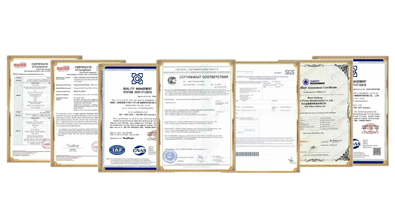
Certification and quality assurance skills of suppliers have a direct effect on project risk and compliance. ISO 9001:2015 approval shows that quality management systems have been in place for a while, and material test records show that chemical and mechanical properties can be tracked and checked. Evaluations of a manufacturer's abilities should look at things like capacity, delivery performance, and the availability of expert help.
Installation and Maintenance Tips for Refinery Flanges
For refinery flanges to work reliably for their whole life, they need to be installed and maintained correctly. Systematic methods reduce the number of common failure types while improving safety and business uptime.
Installation Best Practices and Procedures
Before preparing the flange, precise measuring tools are used to make sure that it is properly aligned. Misalignment that goes beyond the manufacturer's limits causes stress to be distributed unevenly, which can cause a seal to fail or a bolt to become worn out too quickly. When cutting and beveling pipe ends, they must follow the steps in the welding process to make sure they have the right weld shapes and penetration.
The choice of gasket and how it is installed have a big effect on how well it seals. The material of the gasket has to match the process chemical and temperature needs. The gasket also has to be centered and oriented correctly so that fitting damage doesn't happen. To make sure that the seal is compressed evenly, bolt tightening sequences use a star pattern and incremental torque steps to keep each bolt from being overloaded.
Preparing the surface gets rid of any impurities that could make the binding less effective. Wire brushing or grinding removes rust, scale, and old gasket material, leaving clean areas that are perfect for gasket contact. Different types of gaskets need different levels of surface finish. For example, spiral wound gaskets typically require smoother surface finishes than full-face gasket designs.
Preventive Maintenance and Inspection Protocols
Regular checks find possible problems before they become major problems. During normal plant operations, visual checks are made for leaks on the outside, broken bolts, and rust damage. Thermal imaging can identify hot spots that may indicate leakage or insulation issues or insulating loss around flange connections.
Monitoring the tightness of the bolts makes sure that the joint stays solid throughout its service life. Thermal cycle and shaking slowly lower bolt preload, so the bolts need to be retorqued on a regular basis to keep the seal compressed properly. Ultrasonic bolt monitoring lets you check the leftover bolt tightness without shutting down the system.
Schedules for replacing gaskets are in line with planned repair intervals. This keeps unexpected breakdowns from happening while the system is running. The state of the gasket determines when it needs to be replaced. Compression set, chemical attack, and temperature degradation are some of the things that affect service life. Inventory management makes sure that the right gaskets are available during planned outages.
Comparison and Market Insights for Refinery Flanges
Knowing the differences between normal industrial flanges and refinery-specific flanges helps you choose the best parts while keeping costs and performance needs in mind. How you buy things and your relationships with suppliers are affected by how the market changes.
Performance Characteristics and Material Differences
Refinery flanges differ from standard industrial applications through enhanced material specifications and testing requirements. Higher-strength materials accommodate elevated pressures and temperatures common in petroleum processing, while specialized alloys resist corrosion from sulfur compounds and acidic process streams.
Carbon steel flanges offer cost-effective solutions for moderate temperature applications, with ASTM A105 is widely used due to its good mechanical properties for many refinery services. Stainless steel versions are better at resisting rust, but they cost more up front and require controlled welding procedures to maintain corrosion resistance. A comprehensive cost-benefit analysis must rigorously evaluate the Total Cost of Ownership (TCO), factoring in initial procurement, maintenance expenses, replacement frequency, and overall long-term system reliability.
Global Manufacturing and Supply Chain Considerations
International sellers offer low prices and specialized services, but buying teams need to check the consistency of quality and the dependability of delivery. Different areas have different certification needs. For example, North American projects must meet ASME standards, while European sites may need to be marked with the CE mark.
Given global disruptions and limited material access, supply chain robustness is becoming more and more important. Diversified networks of suppliers lower risk while keeping prices low. Local providers offer shorter wait times and lower transportation costs, but they may not be able to offer all material choices or specialized configurations because of their limited capabilities.
Protocols for quality assurance should include processes for inspecting materials as they come in, testing to make sure they are correct, and checks of suppliers. Third-party testing services make sure that the standard of the product is being met and that it meets the requirements. Material test papers, dimensional reports, and factory records are some of the documents that are needed so that goods can be tracked all the way through the supply chain.
Conclusion
Selecting appropriate refinery flanges requires balancing technical performance requirements with commercial considerations and operational constraints. Weld neck configurations excel in high-pressure critical applications, while slip-on alternatives offer cost-effective solutions for standard services. Material selection must account for process chemistry, temperature conditions, and long-term reliability requirements. Proper installation procedures and preventive maintenance protocols ensure optimal performance throughout service life. Understanding market dynamics and supplier capabilities enables effective procurement strategies that optimize the total cost of ownership while maintaining safety and reliability standards.
FAQ
1. What pressure ratings are typical for refinery flanges?
Refinery flanges typically operate within ANSI Class 150 to 2500 pressure ratings, with Class 300 and 600 being most common in standard applications. High-pressure units such as hydrocrackers may require Class 1500 or 2500 ratings, while utility systems often utilize Class 150 configurations. Actual pressure ratings depend on temperature conditions and material specifications.
2. How do I choose between weld neck and slip-on flanges?
Weld neck flanges provide superior strength and fatigue resistance for high-pressure, high-temperature, or critical applications where reliability is paramount. Slip-on flanges offer cost-effective solutions for moderate-pressure services where installation convenience outweighs enhanced mechanical properties. Consider factors including operating conditions, installation complexity, and long-term maintenance requirements when making selection decisions.
3. Can custom flange specifications be manufactured for unique applications?
Yes, reputable manufacturers can produce custom flanges meeting specific dimensional, material, or performance requirements. Custom specifications may include non-standard pressure ratings, exotic materials, special facing configurations, or unique bolt patterns. Lead times increase for custom products, and minimum order quantities may apply depending on complexity and manufacturing requirements.
Partner with RAYOUNG for Premium Refinery Flange Solutions
RAYOUNG delivers certified industrial flanges designed specifically for demanding refinery flange applications, combining decades of manufacturing expertise with comprehensive quality assurance protocols. Our comprehensive product portfolio encompasses weld neck, slip-on, blind, and specialty flange configurations. Manufactured from premium carbon steel, stainless steel, and exotic alloys, all our components strictly meet ASME, API, and other applicable international standards. Backed by ISO 9001:2015 certification and GOST-R compliance, we ensure consistent quality and performance across all deliveries. Contact our technical team at info@hb-steel.com to discuss your specific requirements and receive personalized recommendations for your next project.
References
1. American Society of Mechanical Engineers. "ASME B16.5 Pipe Flanges and Flanged Fittings: NPS 1/2 through NPS 24 Metric/Inch Standard." ASME International, 2020.
2. American Petroleum Institute. "API Standard 6A: Specification for Wellhead and Christmas Tree Equipment." 21st Edition, API Publishing Services, 2019.
3. ASTM International. "ASTM A182/A182M Standard Specification for Forged or Rolled Alloy and Stainless Steel Pipe Flanges." ASTM International Standards, 2021.
4. Becht Engineering Company. "Flange Joint Design and Analysis for High Temperature and Pressure Applications in Petroleum Refineries." Journal of Pressure Vessel Technology, 2018.
5. National Association of Corrosion Engineers. "NACE MR0175/ISO 15156: Petroleum and Natural Gas Industries - Materials for Use in H2S-Containing Environments." NACE International, 2020.
6. Petroleum Equipment Institute. "Best Practices for Flange Installation and Maintenance in Refinery Operations." PEI Technical Publication Series, 2019.

Need a quote? Want to see samples? Just say hello. We’re friendly. We’re fast. And we’re ready when you are.
Welcome to RAYOUNG – Strong Pipes, Stronger Promise