Class Selection Guide for Industrial Steel Flanges
To choose the right steel flanges for industrial uses, you need to know a lot about the working needs, pressure ratings, and material specs. When industrial buying teams choose flange classes, they have to make important choices that have a direct effect on the safety of the project, how much it costs, and how reliable the system will be in the long run. Modern industrial standards like ANSI, DIN, and JIS help you choose the right flange. High-tech features like CNC-machined sealing surfaces and full MTC tracking make sure they work perfectly in tough conditions.
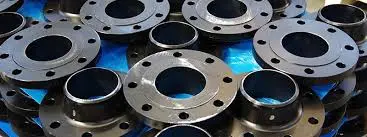
Understanding Steel Flange Basics and Classification
Industrial piping systems depend on reliable flange connections to maintain operational integrity across diverse applications. The method for classifying steel flanges includes many factors that have an immediate effect on how well they work and how well they fit with current infrastructure.
Primary Flange Types and Their Applications
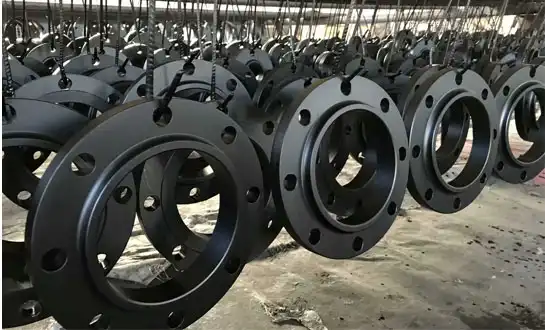
In industrial settings, the six main types of flanges are used for different things. Weld neck flanges have long, tapered hubs that provide excellent stress distribution, making them ideal for high-pressure, high-temperature, and cyclic service applications where structural integrity is critical. Their strengthened design reduces turbulence at connection points and provides improved fatigue resistance under cyclic loading conditions.
Slip-on flanges are easier to install because they have a bigger internal diameter, which makes it easier to place the pipe before welding. When installation speed is more important than final strength values, these connections work well in low- to medium-pressure systems. Socket weld flanges are commonly used for small-diameter, high-pressure piping systems where welding access is limited. However, because the socket design can create crevice areas, they are generally not preferred for hygienic pharmaceutical or food-processing applications.
Blind flanges can be used to close off pipeline ends permanently or temporarily. They let the system stay under pressure while testing is going on, so they can be used for future growth. Threaded flanges let you remove links without having to weld them, but they can only be used in low-stress settings because they can't handle much pressure. When you need to take something apart often, lap joint flanges and stub ends can help you save money.
Pressure Rating Classifications
The flange class system goes from 150 to 2500, which shows the highest pressure that can be used at normal temperatures. For ASTM A105 carbon steel flanges, Class 150 is rated at approximately 285 psi at 100°F (38°C). Actual pressure ratings vary depending on material grade and operating temperature. For ASTM A105 carbon steel flanges, Class 300 is rated at approximately 740 psi at 100°F (38°C), with allowable pressure decreasing as operating temperature increases.
Classes 600 and 900 provide higher allowable pressure-temperature ratings and are commonly selected for demanding oil and gas, petrochemical, and power-generation applications where elevated pressures and temperatures are encountered. Class 1500 and 2500 flanges are used in special ways in high-pressure processing equipment. They have to be able to survive harsh conditions that require materials to be very strong and manufacturing standards to be very high.
International Standards and Compliance
Standards called ASME B16.5 set the rules for flanges in North America. They say what sizes are needed and how much pressure they can handle for sizes up to 24 inches. DIN standards set the size requirements for the European market in metric units, while JIS standards set the size requirements for the Asian market with different bolt patterns and face shapes.
These standards make sure that everything works together around the world while also taking into account how things are made and installed in different areas. API 6A standards apply specifically to wellhead and Christmas tree equipment used in oil and gas production and include enhanced material, testing, and quality requirements for critical service applications.
How to Choose the Right Class of Steel Flange
To choose the right plate, you need to carefully look at the practical factors that affect its long-term performance and safety. Pressure, temperature, and external factors that change how a material behaves over time are all part of the evaluation process.
Pressure and Temperature Analysis
The main selection factor is the maximum working pressure, but temperature effects have a big impact on the real pressure capabilities. When temperatures get high, carbon steel flanges lose some of their pressure ratings because the material softens. Stainless steel grades, on the other hand, retain their mechanical strength over a wider temperature range.
When there is a pressure increase, there needs to be more safety margin than just the steady-state working pressures. Thermal cycling introduces fatigue stresses that accumulate over time and may weaken flange integrity if inappropriate safety factors are used during design. To make sure there are enough performance gaps, engineering models should take into account both steady and changing loads.
Material Compatibility Assessment
When flange materials are chemically compatible with process fluids, the risk of corrosion and stress-corrosion cracking is significantly reduced. Carbon steel has great mechanical qualities in safe settings, but it needs coatings to protect it when it comes into contact with corrosive substances.
There are different types of stainless steel that are better at resisting corrosion in different chemical conditions. However, the right alloy to use relies on the concentration and temperature. For uses where carbon steel isn't strong enough or where full stainless steel standards are too expensive, alloy steel flanges are a good compromise between strength and corrosion protection.
Installation and Maintenance Considerations
Choosing the right flange class affects how hard it is to install because of the bolt requirements, gasket specs, and alignment limits. Higher-class flanges need stronger bolts and special sealing materials, which could make installation take longer and require more skill.
Maintenance accessibility affects running costs by changing how often things need to be inspected and replaced. Higher-class flanges that require less frequent maintenance are better for sites that are far away, while lower-class options that need care more often may work in places that are easier to get to.
Steel Flange Types Comparison and Best Applications
When you use different manufacturing methods and design approaches, you get different performance traits that fit the needs of your individual application. Knowing these differences helps you make the best choice for a wide range of operating settings.
Forged vs. Welded Flange Construction
Forged flanges undergo mechanical deformation processes that refine the grain structure and minimize internal discontinuities commonly associated with cast materials. When compared to welded options, this method of making creates better mechanical qualities, such as higher tensile strength, better fatigue resistance, and higher impact toughness.
Forging makes continuous grain flow around bolt holes and stress concentration areas, which lowers the chance that a crack will start when the material is loaded and unloaded again and again. The refined grain structure produced by forging improves fatigue resistance and impact toughness, making forged flanges the preferred choice for critical service applications.
Welded flange construction uses fusion welding to join plate materials with neck pieces. For large diameter uses, riveted flanges are cheaper, but they need to be carefully heated to get rid of any remaining stresses and make sure they have the right mechanical qualities. When properly fabricated, heat-treated, and inspected, welded flanges can provide satisfactory performance for many applications, although forged flanges generally offer superior mechanical properties and fatigue resistance.
Carbon Steel vs. Stainless Steel Performance
Carbon steel flanges offer the best value for money when rust protection is provided by external coatings or cathodic protection systems. Standards like ASTM A105 offer dependable performance in balanced settings at prices that are easy on the wallet for big projects.
Because the material is so easy to machine, it's possible to keep exact measurements during production, which makes sure that the gaskets fit properly and the bolt holes are lined up correctly. Carbon steel reacts well to heat treatments that change the grain structure to meet certain strength needs.
Stainless steel flanges work great in places where chemicals can damage the material, so the material itself doesn't need any coatings to protect it. For marine uses, grades like 316L are better at resisting salt, and grades 321 and 347 are better at resisting high temperatures in thermal cycle uses.
Slip-On vs. Weld Neck Design Comparison
Slip-on flanges make installation go more quickly by making it easier to line up, and welding isn't needed as much. Their lower hub shape means they need less material but are still strong enough for mild pressure uses. Installation teams appreciate the greater fit-up tolerance that accommodates minor variations in pipe dimensions.
Weld neck flanges offer better structural consistency because the hub is tapered, which means that the pipe wall thickness gradually changes to the flange measurements. This shape spreads loads more evenly and gets rid of the sharp breaks that happen in slip-on designs. The higher cost of the strengthened frame is justified by the longer service life it provides in tough situations.
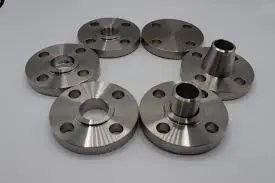
Procurement Considerations: Buying Steel Flanges for Industrial Use
Strategic planning for buying things makes sure that supply lines are reliable and that cost structures are optimized for industrial flange needs. The success of buying across global supply networks is affected by changes in the market, quality standards, and logistics.
Pricing Structures and Market Analysis
The price of flanges is based on the cost of raw materials, the difficulty of making them, and changes in market demand that are specific to each area. The price of carbon steel follows the market for steel commodities, while the price of stainless steel changes based on changes in the prices of nickel and chromium. By understanding these connections, you can plan the best time to do big buying tasks.
When you buy in bulk, you save money because you don't have to pay as much for handling, and you're sure to get supplies when the market is short. Minimum order amounts depend on the maker and the complexity of the product, so it's important to carefully coordinate inventory management goals with purchase plans.
Supplier Qualification and Certification
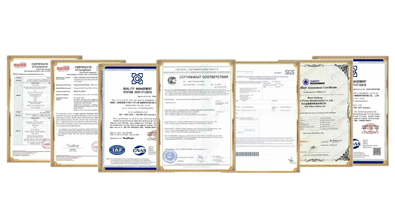
Reliable providers have thorough quality control systems that make sure that all production batches of a product perform the same way. ISO 9001 certification shows that quality control is done in a planned way, while industry-specific standards like ASME or API prove that a company can make certain things.
Material Test Certificates (MTCs) verify the chemical composition and mechanical properties of each production lot. They are used for tracking purposes. This paperwork helps with meeting legal standards and allows failure analysis investigations if performance problems happen during service.
RAYOUNG maintains certifications such as GOST-R and works with independent inspection organizations such as SGS to support export compliance and quality verification. For full quality assurance, our manufacturing methods use full MTC traceability tools that keep track of where materials come from and how they are processed.
Delivery and Logistics Management
Lead times are very different depending on how complicated the product is, how readily available the materials are, and how full the production capacity is. Lead times vary depending on material availability, flange type, size, manufacturing complexity, and supplier production capacity. Special alloys and custom-engineered products generally require longer production schedules than standard carbon steel flanges.
To make sure packages arrive on time, international shipping needs careful planning of paperwork, customs clearance, and means of transportation. Container optimization lowers freight costs by using smart packing methods that make the most of the payload and keep goods safe during transport.
Best Practices for Installation and Maintenance of Steel Flanges
The service life of flanges is increased by using the right fitting methods and preventative maintenance plans. These also make sure that the system is safe to use throughout its entire lifecycle. Through lower failure rates and longer replacement times, these methods have a direct effect on the total cost of ownership.
Installation Procedures and Quality Control
Prior to installation, all protective coatings, scale, and contaminants that could interfere with gasket sealing must be removed from the flange face. Surface finish measures make sure that the stated roughness values are met, which improves gasket performance and stops leaking routes.
When installing bolts, certain torque steps must be followed to make sure that the seal is compressed evenly without any stress points forming. Cross-pattern tightening spreads loads out widely, and multiple torque passes gradually reach the goal stress levels. When you lubricate threads properly, you can reduce friction and apply stress accurately.
Maintenance Strategies and Inspection Protocols
Regular inspection programs find early signs of wear and tear before they become problems. Visual inspections show problems like surface rust, seal wear, and bolt loosening that need to be fixed. Ultrasonic thickness readings keep track of how fast materials are being worn away in places that are corrosive.
How often a gasket needs to be replaced depends on how it is used, how well it works with other materials, and how often the maker suggests it. Proper storage conditions keep the stability of the gasket over long periods of time, and handling methods prevent damage from happening during installation.
Advanced methods, such as infrared thermography, can help identify potential leakage paths by detecting abnormal temperature variations around flange connections. These non-destructive techniques let you check the state of a machine without having to shut it down.
Conclusion
To choose the right flange, you need to think about a lot of things, like how the fitting will affect long-term performance, the material's qualities, and the needs of the operation. Considering pressure ratings, temperature conditions, and environmental factors ensures compatibility with existing systems while meeting safety and reliability requirements. Modern ways of making things, like CNC-machined surfaces and advanced systems for tracking materials, make quality assurance better for important uses. When strategic purchasing methods are combined with correct installation and upkeep methods, the return on investment is maximized while practical risks are kept to a minimum throughout the lifecycle of the system.
FAQ
1. What factors determine the appropriate flange class for my application?
The type of flange that is used is determined by the highest operating pressure, the temperature, and the safety factor standards. The minimum class standards are set by the operating pressure at the highest temperature, and safety factors take into account pressure spikes and how the system moves. Environmental factors, such as exposure to corrosives and changes in temperature, affect the choice of material within the specified pressure class.
2. How do carbon steel and stainless steel flanges compare in cost and performance?
When rust prevention comes from outside systems, carbon steel flanges are the most cost-effective choice. Stainless steel costs more at first, but it doesn't need to be coated, and it's better at resisting rust. To find the best value, a total cost study should look at the prices of the materials, the coating, any maintenance that needs to be done, and how long the product is expected to last.
3. What custom manufacturing options are available for specialized applications?
Custom steel flanges can be made to fit non-standard sizes, alloy needs, and bolt shapes for connecting specific equipment. The length of the lead time depends on how complicated the job is and how quickly the materials can be sourced. To make sure they work right, custom goods need thorough specifications like pressure ratings, size requirements, and material certifications.
Choose RAYOUNG for Your Industrial Steel Flange Requirements
RAYOUNG offers a wide range of steel flange options that are perfect for the tough needs of modern industrial settings. Our wide range of products includes normal sizes for ANSI, DIN, and JIS, as well as RF, FF, and RTJ facings made for high-pressure use. Advanced manufacturing techniques, such as CNC-machined sealing surfaces, allow for exact control of dimensions and the best gasket performance in a wide range of working situations.
Our quality assurance methods give full MTC tracking paperwork, and our hot-dip galvanizing choices offer better corrosion protection for tough environments. For more information on why top industrial companies choose RAYOUNG as their chosen steel flanges source for critical pipe uses, please contact our expert team at info@hb-steel.com.
References
1. American Society of Mechanical Engineers. ASME B16.5 Standard: Pipe Flanges and Flanged Fittings. 2020 Edition.
2. Deutsches Institut für Normung. DIN EN 1092-1: Flanges and their Joints - Circular Flanges for Pipes, Valves, Fittings and Accessories. 2018.
3. Japanese Industrial Standards Committee. JIS B 2220: Steel Pipe Flanges. 2019 Revision.
4. American Petroleum Institute. API 6A Specification: Wellhead and Christmas Tree Equipment. 21st Edition.
5. International Organization for Standardization. ISO 7005: Metallic Flanges - Part 1: Steel Flanges. 2011 Standard.
6. NACE International. MR0175/ISO 15156: Materials for Use in H2S-Containing Environments in Oil and Gas Production. 2015 Standard.

Need a quote? Want to see samples? Just say hello. We’re friendly. We’re fast. And we’re ready when you are.
Welcome to RAYOUNG – Strong Pipes, Stronger Promise