CNC Machining of Flange Faces: Why Flatness Matters
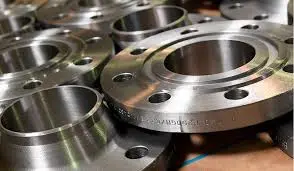
It is very important to be exact when it comes to industrial plumbing systems. CNC machining of flange faces is an important part of manufacturing because flange face flatness often makes the difference between reliable performance and costly failures. When compared to cast or forged options, machined flanges are more accurate in terms of size, which helps ensure optimal sealing performance in high-pressure applications. The flatness tolerance of a flange face has a direct effect on gasket compression, stopping leaks, and the general integrity of the system. This is why precise cutting is so important in harsh industrial settings.
Understanding Flatness in CNC-Machined Flange Faces
Defining Flatness Parameters in Industrial Applications
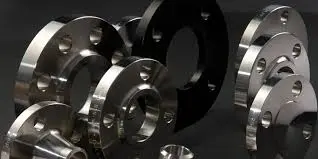
When manufacturing a flange, flatness means that all points on the sealing surface lie within a specified tolerance zone between two parallel planes. This important factor makes sure that the gasket is compressed evenly across the entire joining surface. This stops stress from building up in one area, which could cause the seal to fail. In high-pressure situations like power generation or handling petrochemicals, even small changes in flatness can cause huge leaks, system downtime, and safety problems.
Understanding the connection between surface shape and sealing performance makes the value of flatness even clearer. When bolt loads are spread out evenly on a perfectly flat surface, the gasket is consistently compressed, which keeps the seal's integrity even when temperature and pressure change. This even spread is very important in situations where reliability must not be compromised, like when dangerous fluids are used or when working conditions are very harsh.
Industry Standards and Tolerance Requirements
Modern flange production follows strict international rules that spell out what levels of smoothness are allowed. ASME B16.5 and ISO 7005 define flange dimensions, facing types, and general requirements. Specific flange face flatness tolerances are typically established by manufacturer quality standards, project specifications, or machining requirements rather than being explicitly stated as a universal 0.05 mm to 0.25 mm requirement in these standards. This makes sure that products from different makers can be used together and work the same way.
Certain GOST standards are used in some regional oil and gas markets and provide dimensional and technical requirements for flange products. Machined flanges meet a variety of legal requirements while still being compatible with current infrastructure, thanks to the adoption of multiple standards. This standardization is especially helpful for EPC companies working on foreign projects, where it's important for parts to be able to be swapped out.
Common Causes of Flatness Deviations
To maintain high standards, it is important to understand the factors that affect flange face flatness. One of the biggest problems in CNC machining is tool wear, which happens when cutting tools lose their sharpness over time. This makes the surface rougher and causes differences in dimensions. Differences in the machine's calibration can lead to regular mistakes that get worse over time, and thermal distortions during cutting can damage the item.
The qualities of the material also affect how well it is machined. For example, different types of steel react differently to cutting forces and thermal cycles. Most of the time, carbon steel is easier to make than exotic metals. On the other hand, you need special tools to get the best surface finishes on stainless steel. These things about the material have a direct effect on the factors that are used for cutting and the quality control steps that are needed to keep the flatness requirements.
CNC Machining Process for Achieving Optimal Flange Face Flatness
Advanced Machining Strategies and Programming
Achieving precise flatness in machined flanges requires advanced CNC programming strategies that optimize tool paths and minimize surface deviation during production. Modern CNC systems use adaptive machining technologies that automatically adjust cutting parameters in real time according to material behavior, tool wear, and cutting force conditions. These intelligent systems help manufacturers maintain consistent flatness across high-precision machined flanges while reducing the risk of dimensional errors.
Tool selection is another critical factor in maintaining surface quality for machined flanges. Carbide inserts with specialized geometries designed specifically for flange facing operations provide stable cutting performance, longer tool life, and improved surface consistency. Rigid workholding systems and properly controlled coolant delivery also help eliminate vibration and thermal movement that could negatively affect the flatness of machined flanges.
Modern multi-axis CNC machining centers allow manufacturers to complete the entire machining process for machined flanges in a single setup. Reducing repositioning and handling operations improves dimensional accuracy while minimizing alignment errors between machining stages.
Quality Control and Measurement Technologies
In-process tracking systems keep an eye on important factors like cutting forces, spindle vibration, and measurement accuracy during the machining process. This is the first step in ensuring complete quality control. Coordinate measuring machines (CMMs) can achieve measurement accuracy in the micrometer range depending on machine specification, environmental conditions, and measurement setup. These measures are very important for making sure that the product meets the standards of the specification.
Laser scanning technology lets you measure things without touching them, so you can quickly check the whole area of a flange without having to wait as long as with standard probe-based systems. Surface roughness measurement complements flatness verification by ensuring that the surface profile meets sealing requirements. When these different testing methods are used together, they give procurement managers full belief in the quality and dependability of the products they buy.
Recent work on an improvement project showed that improved process control can help get better flatness results. In some manufacturing improvement projects, real-time monitoring and adaptive machining strategies have been reported to improve dimensional consistency and production efficiency. In turn, this change led directly to better sealing performance and less upkeep for end users.
Comparing Machined Flanges: Flatness and Critical Attributes vs. Alternative Flanges
Performance Advantages Over Forged and Cast Alternatives
When evaluating flatness and surface finish, precision CNC-machined flanges vastly outperform raw forged or as-cast components. While the forging process establishes a robust, defect-free internal grain structure, it is the subsequent, highly-controlled CNC machining (a subtractive process) that delivers the ultimate dimensional accuracy and perfect sealing surfaces. In contrast, standard cast flanges typically require extensive secondary machining just to achieve basic sealing requirements, making premium CNC-machined forged flanges the undisputed choice for critical applications.
In applications where tight sealing tolerances are required, CNC machining's better control over dimensions is especially useful. Precision-machined surfaces provide consistent gasket seating conditions, which can help reduce the risk of leakage when combined with proper gasket selection and bolt loading. This advantage in dependability is very important when working with dangerous or burning fluids, where even small leaks can be very dangerous.
Material Selection Impact on Machinability and Performance
The choice of material has a big effect on both the results of cutting and the performance of the service. It is easy to work with and doesn't cost much when using carbon steel for normal pressure uses. Alloy steels, on the other hand, offer higher strength and improved corrosion resistance in demanding environments. Grades of stainless steel like 316L are very resistant to rust, but they need to be machined in a certain way to get the best surface finishes.
Some surface treatments, like sandblasting, applying anti-rust oil, and epoxy coatings, protect the metal even more from damage from the environment while keeping the exact dimensions that CNC cutting makes possible. When corrosion protection is important for long-term performance, these treatments are especially useful in marine settings or chemical processing plants.
Cost-Benefit Analysis for Different Applications
Buying precisely machined flanges pays off in the long run by lowering repair costs, increasing system stability, and extending service life. The starting prices of machined parts may be higher than those of cast or forged alternatives, but the total cost of ownership usually favors machined parts because they work better. In important applications, where downtime costs far outweigh material savings, this cost benefit stands out even more.
Custom sizing capabilities enabled by CNC machining add more value because they get rid of the need for major changes in the field or special tools. Being able to make non-standard sizes or add special features directly to the design of the flange can make fitting a lot easier and lower the overall cost of the job.
Procurement Considerations for CNC-Machined Flange Faces
Supplier Selection Criteria and Quality Assurance
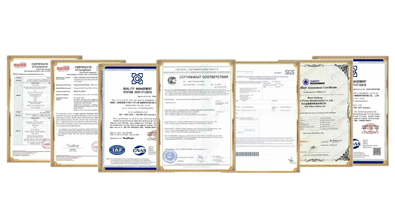
To find the best supplier for precision-machined flanges, you need to carefully look at their production skills, quality systems, and certifications in the industry. ISO 9001:2015 recognition guarantees consistent quality management practices, while approvals from companies like NIOC, ADNOC, and PETROBRAS show that the product has worked well in tough situations. These certificates are especially important for EPC contractors, who have to follow strict rules and standards set by the project owner.
Another important thing to think about is how full the technical paperwork is. Full material test reports, dimensional inspection certificates, and tracking records are needed to make sure the project is compliant and to plan for future upkeep. When suppliers proactively provide comprehensive, highly-detailed documentation packages, it clearly demonstrates their unwavering commitment to quality and their deep understanding of stringent industrial procurement standards.
Pricing Factors and Order Optimization
Precision-machined flanges are priced based on a number of factors, such as the required flatness margin, the material specs, and the number of pieces ordered. Costs naturally go up when tolerances get smaller because they require more complex cutting methods and longer checking processes. But buying in bulk can save you a lot of money, especially when it comes to standard sizes and materials.
When it comes to unique jobs, custom machining services are flexible, but they usually cost more because of the planning and setup costs. There are many surface treatments and finishes that can be used to make something unique. These can improve function while keeping costs low. When procurement managers know about these cost drivers, they can make sure that specs and order numbers are optimized to get the best value.
Logistics and Supply Chain Integration
Deliveries that are kept on time are very important for the success of a project, especially in fields where downtime costs a lot of money. If suppliers keep enough inventory on hand and are open with their production schedules, they can meet immediate needs without lowering quality standards. The fact that rapid services are available gives jobs that need to be finished quickly even more confidence.
Minimum order numbers depend on the size of the flange and the material being used. For example, for standard carbon steel sizes, the minimums are usually smaller than for exotic alloy materials. Knowing these needs helps you plan projects and keep track of your goods better. Custom labeling and packing services can help make planning even easier and lower the cost of moving things around at the project site.
Conclusion
In industrial settings, the accuracy of the flatness of machined flanges directly affects how well they close, how reliable the system is, and how much it costs to run in the long run. CNC machining has measured benefits over other ways of making things because it allows for better control of dimensions. This is especially true in harsh service environments where stopping leaks is very important. Choosing the right seller, describing the right materials, and checking the quality of the goods all play a part in making sure that purchasing choices give the best value and meet strict performance standards. Buying precision-machined flanges with proven smoothness is a smart move that lowers the total cost of ownership while raising the safety and dependability of the system.
FAQ
1. How does flange face flatness affect sealing performance in high-pressure applications?
Flat flange faces ensure uniform gasket compression across the entire sealing surface. This stops stress from building up in one place, which could lead to leaks. Even small changes in shape can make bolt loading uneven, which can cause gaskets to fail and system leaks when pressure is high.
2. What inspection methods provide reliable flatness verification for machined flanges?
Coordinate measuring machines (CMMs) are among the most accurate and widely used methods for verifying flange face flatness. They can find differences as small as 0.001mm. Laser scanning technology allows for quick, non-contact measurements in production settings, and measuring surface roughness makes sure that the quality is checked all the way through.
3. Can suppliers accommodate special tolerance requirements for critical applications?
Suppliers with a good reputation and advanced CNC skills can get closer to specs than what the standard requirements call for. Custom machining services make it possible to do unique things, but for tighter tolerances, you need more complex processes and longer review times, which could change the price and wait time.
Partner with RAYOUNG for Premium Machined Flange Solutions
RAYOUNG makes machined flanges with the highest level of accuracy and that meet the strictest flatness requirements for important industry uses. We have a wide choice of products manufactured in accordance with relevant flange and piping component standards, including ASME, EN, and GOST specifications where applicable. These products are also certified by CE/PED 2014/68/EU, ISO 9001:2015, and GOST-R. We have choices for carbon steel, alloy steel, and stainless steel. The surfaces can be treated with sandblasting, anti-rust oil, and eco-friendly finishes. Get in touch with our expert team at info@hb-steel.com to talk about your unique needs and find out why leaders in your field choose RAYOUNG as their trusted machined flanges manufacturer for high quality and reliable performance.
References
1. American Society of Mechanical Engineers. (2020). ASME B16.5: Pipe Flanges and Flanged Fittings NPS 1/2 Through NPS 24 Metric/Inch Standard. New York: ASME Press.
2. American Society of Mechanical Engineers. (2021). ASME B16.47: Large Diameter Steel Flanges NPS 26 Through NPS 60 Metric/Inch Standard. New York: ASME Press.
3. American Society of Mechanical Engineers. (2022). ASME PCC-1: Guidelines for Pressure Boundary Bolted Flange Joint Assembly. New York: ASME Press.
4. Kalpakjian, S., & Schmid, S. R. (2014). Manufacturing Engineering and Technology (7th ed.). Pearson Education.
5. Groover, M. P. (2020). Fundamentals of Modern Manufacturing: Materials, Processes, and Systems (7th ed.). John Wiley & Sons.
6. International Organization for Standardization. (2017). ISO 1101:2017 — Geometrical Product Specifications (GPS) — Geometrical Tolerancing — Tolerances of Form, Orientation, Location and Run-out. Geneva: ISO.

Need a quote? Want to see samples? Just say hello. We’re friendly. We’re fast. And we’re ready when you are.
Welcome to RAYOUNG – Strong Pipes, Stronger Promise