Best Methods for Connecting Steel Pipe Flanges in Industry
Connecting steel pipe flanges properly is one of the most important choices that need to be made in industrial pipe systems. When procurement managers and engineers look at connection methods, they have to make decisions that have a direct effect on the long-term dependability, running costs, and safety of the system. The best method strikes a balance between the needs of instant fitting and long-term performance, ensuring that every flanged joint meets pressure requirements and prevents leakage, and can handle environmental stresses for decades of use. In factories, processing plants, and building projects, knowing how to properly connect flanges to pipe parts saves money, cuts down on downtime, and keeps workers safe.
Understanding Steel Pipe Flanges and Their Connection Methods
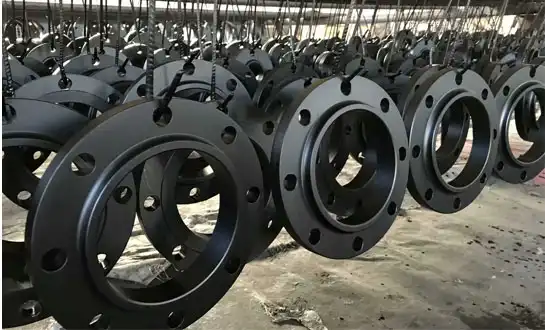
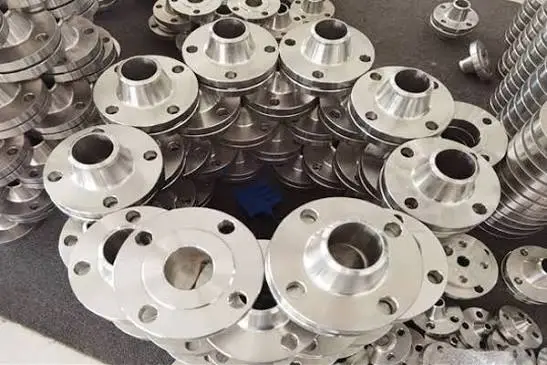
Steel pipe flanges are important mechanical parts that connect pipes, valves, pumps, and tanks in a way that can be taken apart. Instead of having joints that are permanently welded together, flanges give maintenance teams entry points where they can take parts apart to check, fix, or change equipment without having to cut pipes.
Common Flange Types and Their Applications
Different types of flanges are better for different types of work. Weld neck flanges have a long, curved hub that gradually changes to the thickness of the pipe wall. This makes them perfect for high-pressure and high-temperature situations where stress distribution is important. Slip-on flanges fit over the ends of pipes and need two fillet welds. They are easier to install and line, but they aren't as strong. Threaded flanges attach to pipes without welding and support lines with a smaller diameter in low-pressure environments where the ease of removal is worth it. Blind flanges seal the ends of pipes or the holes of vessels. This lets the system expand in the future while keeping it together. Lap joint flanges can be used with stub ends, which let the flange rotate to line up the bolt holes in systems that need to be inspected often.
Dimensional Standards and Material Specifications
Internationally recognized guidelines tell manufacturers how to make flanges by describing their sizes, drilling patterns, and pressure-temperature ratings. ASME B16.5 sets the standards for flanges that are used in many North American businesses. It covers sizes from 1/2 inch to 24 inches and pressure classes from 150# to 2500#. In European markets, EN standards (such as EN 1092-1) are widely used, while DIN standards remain relevant in certain applications. In Japan, JIS standards guide how businesses run. These guidelines make sure that global supply chains are compatible, which means that parts made by different companies can safely work together. Choosing the right material depends on how it will be used. For example, carbon steel grades like ASTM A105 are good for general uses and don't cost much, while stainless steel types like 304L and 316L don't rust in chemical processing settings. Alloy steels are specified for high-temperature power plant piping to withstand extreme operating conditions.
Face Finishes and Sealing Surfaces
The configuration of a steel pipe flange's face has a major impact on how well it seals. Most businesses choose raised face (RF) flanges because they have a raised circular area around the hole where the gaskets can squeeze. Flat face (FF) shapes make full contact with the surface and are usually used for cast iron flanges or other situations where avoiding stress concentration is important. Ring-type joint (RTJ) facings can hold metal ring gaskets in high-pressure systems that are stronger than what a normal gasket can handle. These systems are often found in oil and gas production facilities that work at pressures higher than 600 lb.
Best Methods for Connecting Steel Pipe Flanges in Industry
The way a flanged link is put together affects how well it works over its lifetime. There are three main ways to connect things: welding, threading, and bolting. Each one meets a different set of practical and project requirements.
Welding Techniques for Permanent Flange Attachment
By welding flanges and pipes together, strong metal ties are formed that can withstand high temperatures and pressures. To do butt welding, the ends of the pipes must be bevelled to fit the shapes of the weld neck flanges. This is followed by groove welds that go all the way through the thickness of the joint. This method gets strength close to that of the base pipe, so it can be used for important service lines that carry dangerous materials or work in harsh circumstances. For slip-on flanges, fillet welding is used. Welders put beads inside and outside the flange hub. Fillet welds are easier to do than butt welds, but they introduce stress concentrations that limit pressure ratings when compared to weld neck configurations.
To weld properly, trained people must follow written instructions. Welding process standards list things like how much heat to use, the temperature between passes, and the heat treatment that needs to be done after the welding is done. Welder qualification tests make sure that people have the skills to regularly make parts that are safe. Radiographic testing and ultrasonic checking are two non-destructive methods used to check the quality of welds before systems are put into service. These quality control measures cost more up front, but they keep things from catastrophic failures, which could lead to lost production, damage to the environment, or safety risks.
Threading Connections for Accessible Installations
Threaded flanges get rid of the need for welding tools and hot work permits, making installation easier in places where flame-based work isn't allowed because of fire risks. When the external threads are cut or rolled onto the ends of the pipe, they match the internal threads. This makes a mechanical link that keeps the pipes from coming apart under pressure inside. Filling microscopic gaps in thread engagement with thread sealant chemicals or PTFE tape makes it harder for leaks to happen.
Threading is a good way to connect water lines, compressed air lines, and low-pressure steam lines up to 300 PSI. After these points, the thread contact depth isn't enough to hold the forces that come from higher pressures. When you use threaded connections, you also open up possible leak paths that gasket tension alone can't always completely close. Over time, vibration can make threaded joints loose, so they need to be checked and retightened on a regular basis to keep their integrity. Even with these problems, threading is still useful for small-bore pipes in business and light industrial buildings where ease of upkeep is more important than final strength.
Bolted Assembly and Gasket Selection
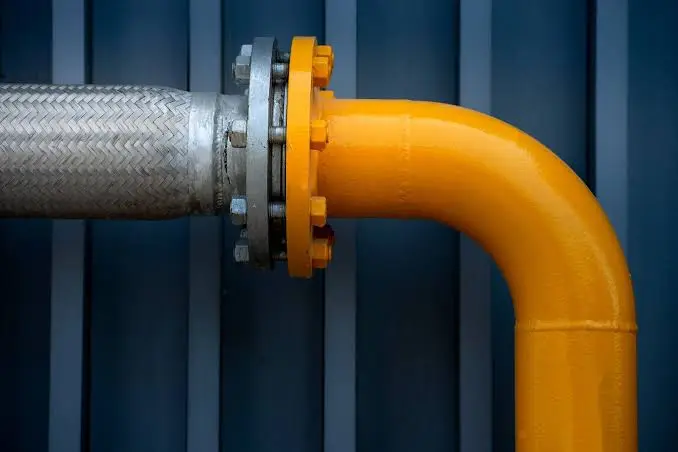
In most flange joints, bolting is the last and most important step. bolts compress the flanges together, which squeezes the gaskets and makes a pressure-tight seal. Standards say how many, what size, and what kind of nuts should be used based on the width and pressure class of the flange. ASTM A193 Grade B7 bolts can be used in a wide range of temperatures. For high-temperature uses, materials like B8 stainless steel are needed to keep the bolts from loosening up when the temperature changes.
Controlled tightening steps are essential during flange assembly to achieve the right gasket stress. With the cross-pattern tightening method, bolts are tightened in a star pattern, moving around the flange more than once while the pressure is gradually increased. This method properly spreads the tightening force, which stops the gasket from coming out or getting damaged. Torque wrenches set the bolt stress to values found through flange analysis. This makes sure that the seal seats properly and that the bolt doesn't get too tight. With hydraulic tensioners, you can more precisely control big flanges by stretching bolts to lengths that are set ahead of time and match the desired amount of stress.
The materials used for gaskets need to be right for the job and the type of flange face. Compressed fiber sheets are a cheap way to use water and air under low pressure. In industrial process units with higher pressures and changes in temperature, spiral wound gaskets made of metal coils and filler material are used. For harsh situations where rubber-based materials would fail, ring joint seals are made from solid metal. When choosing gaskets, it's important to look at chemical compatibility charts, pressure-temperature rates, and manufacturer suggestions to make sure they will seal well in the long run.
Choosing the Right Steel Pipe Flanges: Comparison and Decision-Making
When making choices about what to buy, it helps to know how different types of materials and production methods affect cost and performance.
Forged Versus Cast Flange Construction
Forging methods use mechanical force to shape hot steel billets into flange forms. This aligns the grain structure and gets rid of any internal holes. When compared to cast options, the parts that are made this way have better mechanical qualities, such as higher tensile strength, better impact resistance, and longer fatigue life. Forged flanges are most common in high-pressure situations where dependability can't be compromised, like pipeline transfer systems and harsh offshore platforms.
Pouring molten steel into molds is what casting is all about. This lets you make complex forms with lower equipment costs for both large and small orders. These days, casting methods are generally suitable for low-pressure, noncritical applications and can reduce manufacturing costs for certain projects, especially in lower-pressure classes. Cast flanges are a good choice for projects that need to balance limited budgets with modest service needs because they are cheaper. Before allowing cast parts to be used, engineers look over material approvals that list the results of mechanical tests to make sure they meet basic requirements.
Material Selection Impact on Lifecycle Costs
For cost-effective options when coatings and inhibitors aren't enough to stop rust, carbon steel flanges are a good choice. Standard types are commonly designed for service lives of 20–30 years, depending on operating and maintenance conditions. In slightly corrosive environments, protective steps like painting, galvanising, or wrapping can make things last longer.
Stainless steel materials are much more expensive to buy up front, but they don't need to be painted and can't be damaged by chemicals in facilities processing food, pharmaceuticals, or treating industrial wastewater. The chromium presence creates passive oxide layers that fix themselves when they get scratched. This keeps rust from forming, which happens a lot when carbon steel is exposed to water. Total cost of ownership estimates often favour stainless steel over other materials, even if they cost more at first. This is especially true in situations where production downtime due to corrosion is costly.
Pressure Rating Selection Criteria
The highest working pressures that can be used at certain temperatures are set by flange pressure classes. Class 150 flanges are used for low-pressure systems, with pressure ratings depending on material and temperature per ASME B16.5 tables. As the temperature rises, the pressure limits drop. Class 300 flanges can typically handle higher pressures at ambient temperature, with exact ratings depending on material and temperature per ASME B16.5, making it good for a wide range of steam and process uses. Higher classes, up to and including 2500, meet specific needs in power plants and industrial plants.
Engineers match pressure classes to design conditions while taking into account safety margins for things like pressure spikes, thermal expansion, and the effects of time. When you overspecify, you waste money on heavy parts and higher bolt-loading needs. Under-specifying increases the chance of a leak or explosion, which could have terrible results. To make the right choice, you need to look at the system's working factors and the code's requirements and talk to suppliers who have worked on similar projects before.
Conclusion
It's important to strike a balance between technical expertise and smart purchasing choices when connecting steel pipe flanges. Welding gives lasting strength for important tasks, threading makes things easier to get to, and using the right bolts and gaskets makes sure a good fit across all pressure ranges. Choosing between carbon steel and stainless steel as a material affects both the original cost and the efficiency over time. Finding approved makers with tried-and-true quality systems is the best way to keep project risks to a minimum and stay within budget. Maintenance programs that extend the life of connections protect investments and keep expensive breakdowns from happening. When procurement workers understand how these factors affect each other, they can choose the best options for their operations.
FAQ
1. What determines whether to use welded or threaded flange connections?
This pick is mostly based on the pressure and temperature factors. Welded connections work well for high-pressure situations above 300 PSI, while threaded connections are better for low-pressure situations below this limit, where ease of fitting is more important than maximum power. System criticality also affects choices; for example, hazardous services require welded connections, regardless of pressure, to ensure maximum integrity.
2. How do I select the correct pressure rating for my application?
It is important to look at both the highest working pressure and temperature at the same time, since ratings drop as temperatures rise. Include safety gaps that take into account pressure spikes and changes in future working conditions. Use the ASME B16.5 rating tables to match your service parameters to the right pressure classes. Then, check with sources to make sure the flanges you chose meet the project's requirements.
3. What certifications should I require when procuring steel flanges?
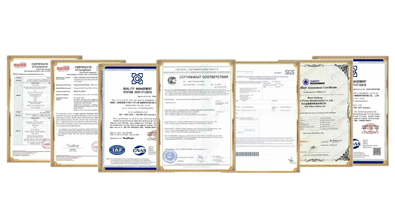
Material test papers that show the chemical makeup and mechanical qualities are necessary. ISO 9001:2015 approval proves that a company can manage quality. Industry-specific approvals, such as GOST-R for Russian markets or PED for European pressure equipment, make sure that regulations are followed in the right places.
Partner with RAYOUNG for Reliable Connecting Steel Pipe Flanges
Connecting steel pipe flanges requires precise planning and top-notch manufacturing, which RAYOUNG always does on projects around the world. As a seller of connecting steel pipe flanges with a lot of experience, we make ANSI, DIN, and JIS standard flanges with RF, FF, and RTJ facings that are good for high-pressure situations that need to be completely reliable. Our CNC-machined sealing surfaces are flat to within a certain range of specs, which ensures proper gasket compression and years of trouble-free service. Full MTC traceability keeps track of where materials came from and how they were tested, meeting the strictest standards for buying and auditing. Hot-dip galvanising choices make things last longer in corrosive environments, which protects your infrastructure investment and keeps upkeep costs low. You can talk to our technical team at info@hb-steel.com about your unique needs and get help choosing the best flange options that will help you meet deadlines, stay within budget, and ensure long-term operational success.
References
1. American Society of Mechanical Engineers. (2020). ASME B16.5: Pipe Flanges and Flanged Fittings. New York: ASME Press.
2. Davis, J.R. (2006). Metals Handbook: Welding, Brazing, and Soldering. Materials Park, OH: ASM International.
3. Bickford, J.H. (2008). Gaskets and Gasketed Joints. New York: Marcel Dekker.
4. Escoe, A.K. (2016). Piping and Pipeline Assessment Guide. Oxford: Gulf Professional Publishing.
5. Smith, P.R. & Zappe, R.W. (2004). Valve Selection Handbook: Engineering Fundamentals for Selecting the Right Valve Design. Burlington: Elsevier.
6. Nayyar, M.L. (2000). Piping Handbook. New York: McGraw-Hill Professional.

Need a quote? Want to see samples? Just say hello. We’re friendly. We’re fast. And we’re ready when you are.
Welcome to RAYOUNG – Strong Pipes, Stronger Promise