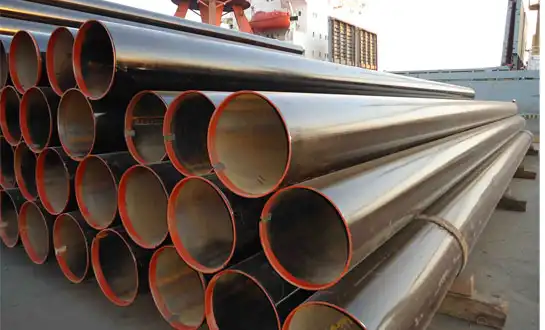
Vietnam has increasingly turned to Chinese steel tees because they are cheaper, better made, and more reliable. China can provide high-quality structural fittings that meet global standards and keep prices low, which is important for large-scale infrastructure projects. This is why China's services are preferred. Chinese steel tees give Vietnamese buyers the best mix of how long they last, how well they work, and how cheap they are. This makes them the most popular choice for building projects and industrial uses across the region.
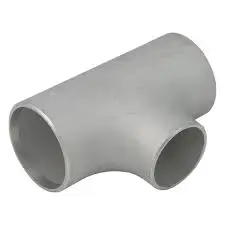
Understanding Steel Tees and Their Market Demand in Vietnam
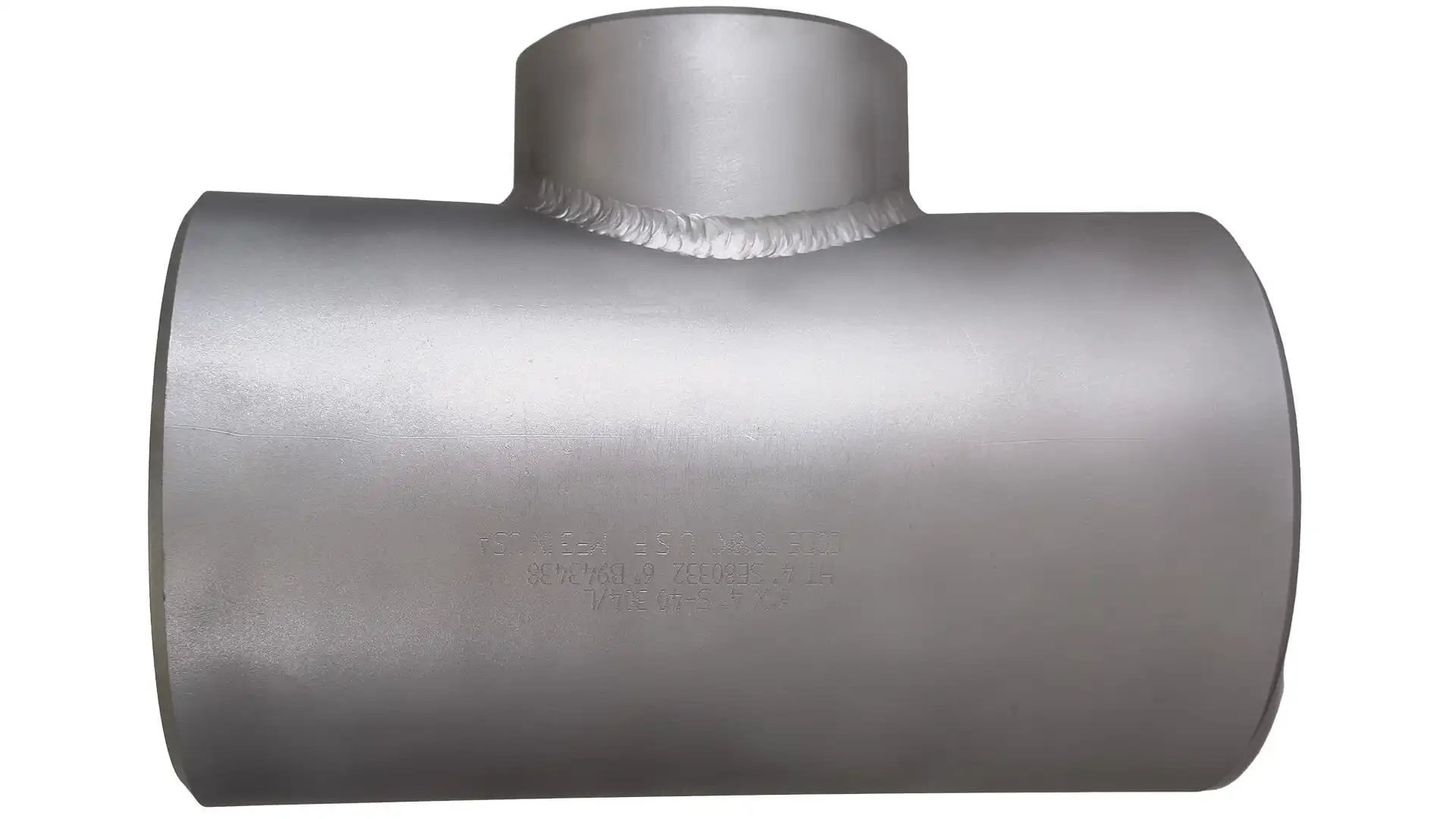
In Vietnam's construction and manufacturing industries, steel tees are very important because they are used to make the frameworks, machines, and public works projects that need to be strong. These T-shaped fittings make a big difference in piping systems and structural frameworks. They spread the weight better than other ways of connecting pipes.
Uses in Vietnam's Industrial Sectors
In Vietnam's growing economy, steel tees are needed in many different industries because they can be used in so many ways. In construction projects, these parts are used to make sure that building frameworks can hold weight. They give strength to both high-rise buildings and factories. Manufacturing plants use steel tees to make equipment and build assembly lines. The mechanical properties of steel tees ensure that these systems can be counted on to work for a long time.
Vietnamese infrastructure projects get the most out of steel tees that are good at resisting rust and keeping their shape. These parts are needed for the piping systems and structural support networks of power plants, water treatment facilities, and chemical processing plants.
Import Patterns and Market Growth
Market data shows that imports have been steadily rising because of Vietnam's growing infrastructure and efforts to modernise industries. The construction industry in this country has grown a lot because of the need for reliable building parts created by government spending on transportation networks, city growth, and industrial parks.
This path of growth has created strong opportunities for suppliers who know how to do business in Vietnam and can always offer good prices and quality. Vietnamese buyers have been drawn to Chinese goods because the market prefers certified products that meet international standards.
Key Reasons Vietnamese Importers Prefer Chinese Steel Tees
Vietnamese buyers prefer Chinese steel tees because they are cheaper than steel tees from other countries, and they can do this without sacrificing quality.
The Balance of Quality and Cost-Effectiveness
Chinese manufacturers provide great value by perfecting production methods and passing on savings to customers. With this benefit, Vietnamese shoppers can keep their profits high while also giving customers dependable, high-quality products. The cost benefits aren't just about the price of the goods; they also include cheaper shipping costs because China is close to Vietnam.
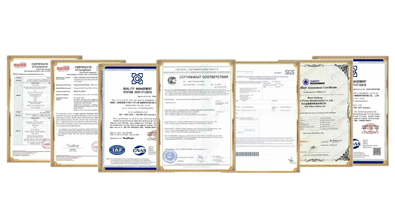
Quality assurance is still very important. The best producers in China follow international standards like ISO 9001:2015 and ASTM without fail. These credentials guarantee reliable performance, especially in tough situations where mechanical strength and resistance to corrosion are needed.
The Types of Products and Customising You Can Do
Chinese producers offer a wide range of products with different grades and custom sizes. The minimum order amounts can also be changed to fit the needs of B2B buyers with a variety of project needs. This makes it possible for Vietnamese importers to effectively meet the needs of a range of customer types, from big projects in the industrial sector to smaller installations in their own communities.
Chinese suppliers can make specialised treatments and coatings that improve performance for certain uses. Vietnamese businesses that have customers with unique technical needs have found this customisation feature very helpful.
Comparing Chinese Steel Tees with Other Global Suppliers
Compared to options from India, South Korea, and Japan, Chinese goods always provide a better balance of cost and quality. This is because there is dependable supplier reliability and extensive after-sales support.
Better Performance Compared to Other Options
Chinese steel tees have a higher load capacity and are easier to install than many other similar products. The consistent dimensional accuracy and shortened installation time made possible by the precision of established Chinese manufacturers guarantee a good fit in complicated structural systems.
Chinese manufacturers often use better materials and heat treatments than manufacturers from other areas, especially when it comes to tensile strength and fatigue resistance. These properties are very important for Vietnamese applications that need to work in high-stress settings and for a long time.
Supplier Support Services and Reliability
Chinese suppliers' after-sales support networks are strong and offer technical help, warranty coverage, and access to replacement parts. Vietnamese importers feel good about what they buy because of this broad system of help, and it helps keep customers happy in the long term.
China and Vietnam are close to each other, so it's easier for them to communicate and solve problems quickly than it is for suppliers from farther away. This benefit is especially useful when you need to work on a project right away or fix a technical problem that needs immediate help.
How to Select the Right Steel Tees for Your Procurement Needs?
Choosing the right steel tees for Vietnamese construction standards and industrial use means carefully looking at material grades, mechanical properties, and dimensions.
Evaluation of Material Grade
Understanding the exact material needs of your applications helps make sure they work well and last a long time. For general construction, carbon steel grades have great strength-to-weight ratios, but for chemical processing and marine settings, stainless steel grades have better rust resistance.
Buyers should carefully check the delivery speed, customisation options, and overall reputation of supplier certifications and production capabilities in global supply chains. RAYOUNG has been exporting steel pipes since 2006, which shows how important it is to look at a supplier's past work when choosing one.
Cost-Benefit Strategy
A deep look at the costs and benefits is very important when it comes to weighing the upfront cost of something against its longevity, the company's willingness to help you after you buy it, the coverage of its warranty, and the costs of shipping and handling. This method keeps project risks low and overall value high. It also makes sure that procurement choices are in line with both performance expectations and budget limits.
Think about the total cost of ownership, which includes how much you'll have to pay for maintenance, how often you'll need to replace parts, and how likely it is that you'll have to stop using it. Quality steel tees from well-known Chinese companies may cost more upfront, but often have lower lifetime costs compared to cheaper options.
Practical Guide to Importing Steel Tees from China to Vietnam
This practical method starts with finding certified Chinese steel tee suppliers and getting competitive quotes that meet the needs of your project. It goes on to describe a step-by-step procurement process.
Finding and Qualifying Suppliers
Begin by looking into producers who have been certified in other countries and are good at exporting. RAYOUNG's GOST-R and SGS certifications are examples of the quality standards that good suppliers use. Check the amount that can be produced, the level of technical skill, and the history of selling goods to Vietnam.
Before placing a large order, it is important to make sure that the supplier can do the work by using sample evaluation and quality assurance testing. To make sure that they meet your standards, ask for the performance test results, dimensional reports, and material certificates.
Shipping and When to Bring Things Into the Country
Shipping methods should be based on the size, urgency, and cost of the orders. Depending on how customised the order is and how the shipping has to be done, the typical lead time is anywhere from 2 to 6 weeks. Understand how to get steel products into Vietnam by following the country's specific customs regulations.
Correct ways of storing, moving, and installing can help keep the product intact and safe at the job site. To reduce the risk of damage and make sure deliveries are on time, work with logistics companies that know how to transport steel products.
Conclusion
Chinese steel tees have a great mix of quality, cost-effectiveness, and dependable supply chain performance, so Vietnamese importers still prefer them. Chinese manufacturers offer strategic benefits like competitive prices, a wide range of customisation options, and strong technical support. These benefits fit perfectly with the needs of the Vietnamese market. As infrastructure building speeds up in Vietnam, the relationship between Vietnamese companies that import goods and Chinese manufacturers of steel tees will likely grow stronger because of proven performance records and benefits for both sides. This choice shows that someone has a deep and mature understanding of how to get the best value in B2B procurement. In this area, the total cost of ownership and long-term reliability are more important than the first price.
Frequently Asked Questions
1. How many days ahead do you need to order steel tees from China?
The time it takes to prepare an order depends on its size, how it will be shipped, and whether it needs to be customised. It takes two to six weeks, most of the time. Standard products usually take less time to ship, but if the product is made with custom specifications, it might take longer to make.
2. How does Chinese steel tee production stack up against Vietnam's?
Most of the time, Chinese steel tees have better mechanical properties than many local products, and they usually meet global standards. Chinese manufacturers that have been in business for a long time use more advanced ways of making things and keeping track of quality. These improve the accuracy and performance of the dimensions.
3. For my project, can I get steel tees of any size?
A: Yes, many Chinese suppliers do custom manufacturing, and the customer's wishes determine the minimum order amount. Because it can adapt, it is possible to use specialised dimensions, material grades, and surface treatments that are best for different uses.
Partner with RAYOUNG for Premium Steel Tees Solutions
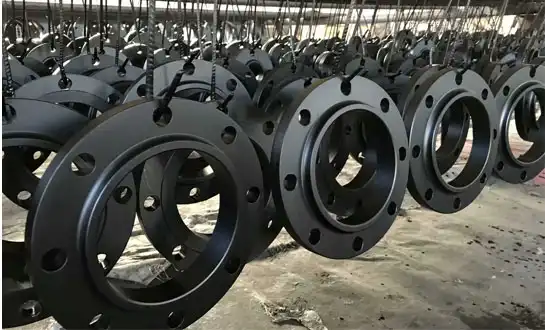
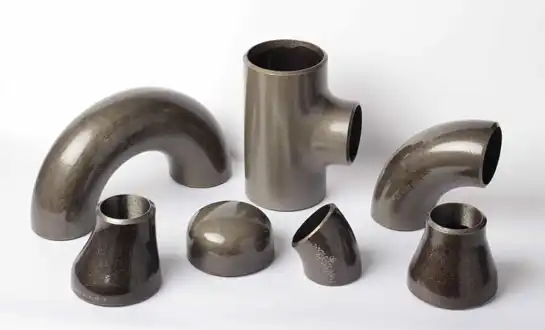
Since 2006, RAYOUNG has built trust as a steel pipe exporter, and now they offer a full range of piping solutions. Our wide range of pipe fittings, such as buttweld steel elbows, steel reducers, and flanges, will make sure that your important infrastructure projects have safe places to connect. We keep quality high and integrity intact even under a lot of pressure and in extreme conditions. We do this with proven ISO 9001:2015 certification and manufacturing partnerships. Our steel tees combine good prices with dependable performance. They have GOST-R and SGS certifications for export compliance. Ready to get the most out of your procurement strategy? To talk about your project's needs and get a quote that fits your situation, email us at info@hb-steel.com.
References
1. Vietnam Steel Association. (2023). "Steel Import Trends and Market Analysis in the Vietnamese Construction Sector." Vietnam Steel Industry Report.
2. Asian Development Bank. (2023). "Infrastructure Development and Steel Demand in Southeast Asia." ADB Infrastructure Investment Review.
3. China Iron and Steel Association. (2023). "Export Quality Standards and Certification Processes for Steel Products." CISA Technical Guidelines.
4. Vietnam Ministry of Construction. (2023). "Building Standards and Material Requirements for Industrial Projects." MOC Technical Specifications.
5. International Steel Trade Association. (2023). "Comparative Analysis of Global Steel Fitting Markets in the Asia-Pacific Region." ISTA Market Research.
6. Vietnam Chamber of Commerce and Industry. (2023). "Import-Export Procedures and Trade Relations with Chinese Steel Manufacturers." VCCI Trade Documentation.