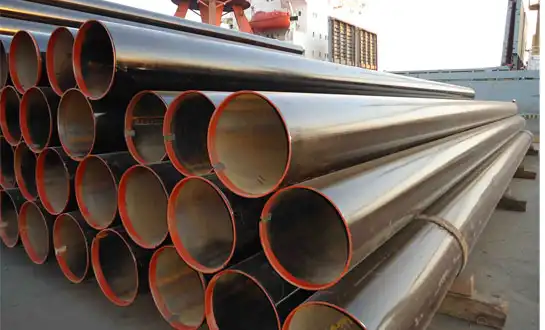
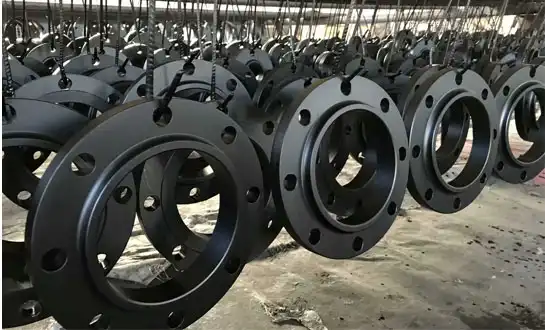
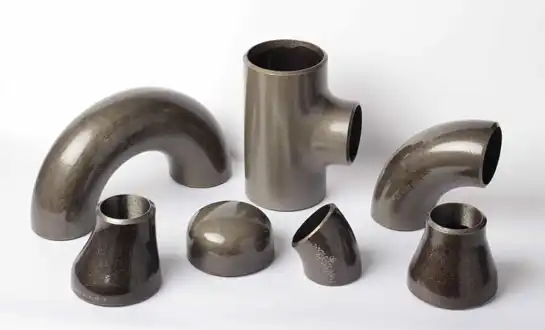
China has become a major supplier of high-quality welding neck flanges that are made for the growing petrochemical industry in Saudi Arabia. These important pipeline parts provide better stress distribution and dependability for tough petrochemical uses. A weld neck flange moves stress to the pipes, which lowers the concentration of stress at the bottom of the flange. This makes them perfect for the oil and gas industry, where safety and performance are always the top priority.
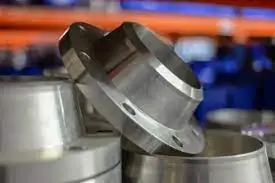
Understanding Welding Neck Flanges for Petrochemical Applications
In petrochemical plants, the best way to connect pipelines is with welding neck flanges. These parts make it easy for equipment and pipes to work together. They give great mechanical strength that can handle the very high pressures and temperatures that are common in Saudi petrochemical operations.
Key Guidelines and Roles for Design
Neck flanges with welding are used for more than just linking pipes. They are very important for spreading stress and making the whole system stronger. How they are made is controlled by global standards such as ASME B16.5 and ANSI B16.47. This guarantees that all petrochemical projects will be of the same quality and match perfectly. These standards include the material specs, pressure ratings, and size requirements that have a direct impact on how well things work in Saudi Arabia's tough operational environment.
Selecting Eco-Friendly Materials in Saudi Arabia
The flange's material greatly impacts its performance in petrochemical applications. Carbon steels are a good, cheap choice for non-corrosive applications, but for strong chemicals, stainless steels like 316L work much better. It is important to remember that Saudi Arabia is very hot, which can change how materials behave and speed up corrosion when making a choice. Making sure that the right materials are used means that the system will stay reliable and not need to be fixed very often.
Pressure Groups and Size Requirements
Standard size measurements like DN (Nominal Diameter) and PN (Pressure Nominal) make sure that the right flange is used for a certain job. Pressure classes from 150# to 2500# cover a lot of different petrochemical uses, from storage systems that work at low pressure to reaction vessels that work at high pressure. A clear picture of this information lets us perfectly match flanges with what the plant needs.
Comparing Welding Neck Flanges with Other Flange Types in Petrochemical Settings
The petrochemical industry uses a number of different flange kinds, each with its own benefits depending on what the application needs. Understanding these differences helps people make smart purchasing choices that take into account performance, safety, and cost.
Benefits of Structure Compared to Other Designs
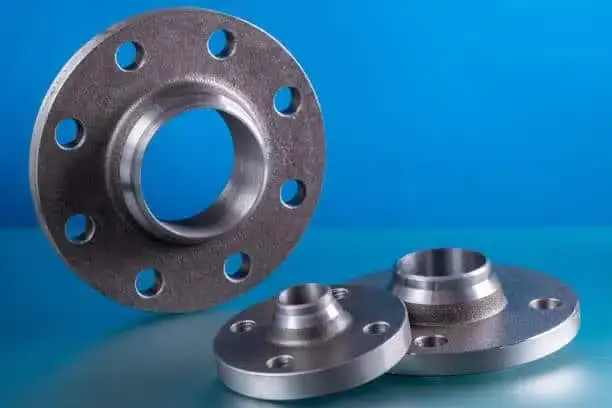
In applications with high pressure, welding neck flanges work better than slip-on, blind, and lap joint alternatives. The tapered neck shape of these makes sure that stress moves slowly from the flange face to the pipe wall. This stops stress from building up in areas that could cause early failure. This feature makes them especially useful in petrochemical settings where the dependability of the system directly affects the safety and profit of the operation.
Key performance benefits are better resistance to fatigue, better leak-tight integrity, and better alignment capabilities during installation. These benefits mean that demanding petrochemical applications have lower upkeep costs and longer service lives.
Made by Forged vs. Cast
Flanges are affected by the way they are made. When you compare welding neck flanges, the forged ones have better grain structure and mechanical properties than the cast ones. The forging process gets rid of porosity and makes the material's density even, which makes it stronger and better able to resist corrosion. Even though cast flanges might be cheaper for some uses, forged parts are more reliable for important petrochemical processes.
Things to think about when sealing surfaces
In petrochemical applications, raised face and flat face designs meet different sealing needs. For high-pressure uses, face flanges that are raised focus gasket stress over a smaller area, which makes the seal more reliable. Flat face designs spread the loads more evenly, which makes them good for systems with lower pressure or brittle gasket materials. Choosing the right flange for the job based on how the process works guarantees the best sealing performance for the entire service life of the flange.
Procurement Insights: Sourcing China Welding Neck Flanges for Saudi Arabia
In order to successfully get welding neck flanges from China, you need to carefully consider suppliers, manufacturing capabilities, and quality systems. The Chinese manufacturing sector has built up advanced skills that meet international standards for petrochemicals and offer low prices.
Supplier Assessment and Quality Control
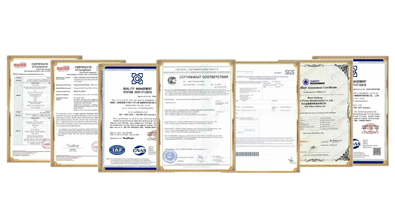
Trustworthy Chinese producers show that they can make consistent quality goods with certified management systems, modern factories, and the ability to do a lot of different tests. ISO 9001:2015 certification and other approvals for the petrochemical industry are held by leading suppliers. These certificates give people confidence that the way these products are made follows strict rules about quality that are important for Saudi petrochemical uses.
The ability to produce material traceability systems, inspection procedures, and past work on petrochemical projects are all evaluation criteria that should be used. When it comes to complicated projects, suppliers with a long history in global markets usually provide better support and dependability.
Customisation and Managing Lead Time
Chinese manufacturers are great at offering custom solutions that are just right for the needs of different projects. Special alloy materials, non-standard dimensions, and special testing needs are some of the customisation options. For standard products, the lead time is usually 4 to 8 weeks. For custom products, it depends on how complex the specifications are, but it is usually 8 to 12 weeks.
When you plan to buy something, you need to think about how long it will take to make, inspect, and ship to Saudi Arabia. Getting involved with the supplier early on helps everyone work together and keeps projects on time.
Ways to Cut Costs
If you use smart procurement methods, you can get much lower overall project costs without hurting quality. Buying in bulk, agreeing on common specifications, and building long-term relationships with suppliers all create chances to save money. Understanding how prices change in the market and keeping a lot of qualified suppliers gives you more power in negotiations and ensures that you always have supplies.
Installation, Maintenance, and Troubleshooting in Petrochemical Plants
Properly installing and taking care of welding neck flanges makes them work better and keeps people safe. These methods become very important when dealing with tough environmental conditions, as they have in Saudi Arabia.
Installation Tips
Proper welding that allows full penetration and suitable heat treatment is the start of successful installation. Before installation, inspection checks the surface finish, material certification, and accuracy of the dimensions. Alignment procedures must be able to handle thermal expansion and operational stresses that happen when the plant is running.
Important steps for installation are beveling correctly, checking the fit, controlling the welding sequence, and looking at the weld afterwards. These steps make sure that the structure stays strong and doesn't break down too early while in service.
Ways to Do Preventive Maintenance
Regular inspection schedules find possible problems before they affect the way things are done. Non-destructive testing methods make sure that the structure is sound, and visual inspections look for rust, cracks, and gasket deterioration. Maintenance plans that are based on Saudi Arabia's climate help deal with faster rusting and the effects of thermal cycling.
Problems that happen a lot and how to fix them
Common issues are when the gasket fails, the bolt comes loose, and there is corrosion at the weld interface. Immediate remediation includes correctly applying torque, surface preparation, and replacing the gasket. Long-term solutions may need to change the way things are made or add new materials based on how they are used.
Conclusion
China welding neck flanges provide excellent value for Saudi Arabia's petrochemical sector because they spread stress evenly, always work well, and are inexpensive to buy. When you combine China's advanced manufacturing with established design standards, you can save a lot of money on projects without hurting quality or safety. Choosing the right suppliers, making sure the specifications are correct, and following the best practices for installation are all things that need to be done in order for there to be success. As China's petrochemical industry grows, working with skilled Chinese producers gives long-term access to high-quality flanges that help projects and businesses run smoothly.
Frequently Asked Questions
1. Welding neck flanges are better for petrochemical applications than other flanges because they can handle high pressure and temperature changes better.
For petrochemical uses, neck flanges for welding are great because they keep their shape and spread the stress evenly. The tapered neck shape slowly moves the stress from the flange to the pipe. This keeps stress from building up in places where it could lead to failures. This design is better at resisting fatigue and stopping leaks. This is important for petrochemical processes that happen at high pressure.
2. How can I be sure that Chinese welding neck flanges will work in Saudi Arabia's petrochemical sector?
To verify means to check the compliance paperwork, manufacturer certifications, and material test certificates for standards that apply, like ASME B16.5 and the rules from Saudi Aramco. Get inspection reports from third parties and make sure that your suppliers keep their ISO 9001:2015 certification. An inspection by a qualified agency before shipping adds another level of confidence that it meets the needs of Saudi petrochemicals.
3. For big custom orders, how much time do Chinese factories usually need to get them done?
Standard welding neck flanges take four to eight weeks to make, but custom ones take eight to twelve weeks. The exact time depends on the level of difficulty of the custom design. The time it takes to fill an order depends on how much material there is, how many tests there are, and how much can be made. For Saudi petrochemical projects, the best delivery times are possible when suppliers get the right information early on.
Get Your Premium Welding Neck Flanges from RAYOUNG Today
Are you ready to get high-quality welding neck flanges for your petrochemical project in Saudi Arabia? To meet your tough needs, RAYOUNG offers great manufacturing, a wide range of certifications, and dependable shipping to countries around the world. Our knowledgeable group offers technical advice, tailor-made solutions, and low prices that will help you get the best procurement results. Get in touch with our welding neck flange supplier team today to get detailed quotes and information about how the flanges are made. For detailed product information and help with buying your next petrochemical flange, email us at info@hb-steel.com or visit blog.hb-steel.com.
References
1. American Society of Mechanical Engineers. "ASME B16.5 Pipe Flanges and Flanged Fittings: NPS 1/2 through NPS 24 Metric/Inch Standard." ASME International, 2020.
2. Saudi Aramco Engineering Standards. "Materials System Specifications for Piping Systems in Petrochemical Plants." Saudi Aramco Corporate, 2019.
3. Zhang, Wei, and Abdul Rahman Al-Mansouri. "Corrosion Performance of Steel Flanges in Middle East Petrochemical Environments." Journal of Petrochemical Engineering, vol. 45, 2021, pp. 123-140.
4. International Organization for Standardization. "ISO 9001:2015 Quality Management Systems Requirements for Petrochemical Manufacturing." ISO Publications, 2018.
5. China National Standards Administration. "GB/T 9119 Steel Flanges for Petrochemical Industry Applications." Standards Press of China, 2020.
6. Al-Jubouri, Hassan M. "Procurement Best Practices for International Flange Sourcing in Saudi Petrochemical Projects." Middle East Industrial Review, vol. 28, 2022, pp. 67-84.