What causes exhaust pipe flange leaks?
Exhaust pipe flange leaks can occur due to various factors, often working in combination. Understanding these causes is crucial for effective prevention and maintenance:
Improper Installation
One of the most common reasons for flange leaks is incorrect installation. This can include:
- Misalignment of flanges
- Failure to clean the fixing surfaces thoroughly
- Incorrect assembly of components
- Uneven jolt tightening
Proper installation procedures are critical to ensuring a tight seal and preventing leaks. Even minor errors during this process can lead to significant issues down the line.
Gasket Problems
Flange gasket selection and condition are vital factors in preventing leaks. Issues can arise from:
- Using the off-base gasket fabric for the application
- Incorrect gasket estimate or thickness
- Improper gasket establishment (e.g., off-center placement)
- Gasket debasement over time due to temperature, weight, or chemical exposure
Selecting the right gasket for your specific operating conditions and ensuring proper installation can significantly reduce the risk of leaks.
Flange Face Damage
The condition of the flange face is crucial for maintaining a proper seal. Damage can occur due to:
- Scratches or gouges from dishonorable handling
- Corrosion or pitting
- Warping from over the top, warm or stress
- Incorrect surface finish
Regular inspection and proper care of flange faces can help prevent leaks caused by surface irregularities.
Bolt-Related Issues
Proper bolt tension is critical for maintaining a leak-free joint. Problems can arise from:
- Under-tightening, driving to deficient gasket compression
- Over-tightening, causing gasket pulverizing or rib warping
- Uneven fixing around the jolt circle
- Bolt unwinding over time due to temperature cycling or vibration
Implementing correct bolting procedures and regular maintenance checks can help ensure consistent bolt tension.
Operational Factors
Various operational conditions can contribute to flange leaks:
- Thermal cycling causes extension and contraction
- Excessive vibration
- Pressure spikes or fluctuations
- Chemical assault on gasket or spine materials
Considering these factors during system design and implementing appropriate mitigation strategies can help prevent leaks in challenging operating environments.
How to fix the exhaust pipe flange?
Addressing exhaust pipe flange leaks requires a systematic approach to identify and resolve the underlying causes. Here are effective strategies for fixing flange leaks:
Proper Disassembly and Inspection
Begin by carefully disassembling the flange joint:
- Remove jolts and partition the flanges
- Inspect all components for harm or wear
- Check spine faces for scratches, erosion, or warping
- Examine the gasket for signs of compression set or degradation
This thorough inspection will help identify the root cause of the leak and guide your repair approach.
Clean and Prepare Surfaces
Proper surface preparation is crucial for achieving a reliable seal:
- Clean spine faces completely, evacuating any flotsam and jetsam or ancient gasket material
- Use fitting cleaning arrangements to evacuate oils or contaminants
- For minor surface flaws, consider utilizing rib confronting devices to reestablish a smooth finish
- Ensure all surfaces are dry, some time recently reassembly
A clean, smooth sealing surface is essential for optimal gasket performance and leak prevention.
Select and Install the Correct Gasket
Choosing the right gasket is critical for a successful repair:
- Select a gasket fabric congruous with the liquid, temperature, and weight conditions
- Ensure the gasket is the redress estimate and thickness for your flange
- Handle gaskets carefully to maintain a safe distance from harm during installation
- Center the gasket legitimately between the spine faces
Never reuse old gaskets, as they may have lost their sealing properties.
Proper Bolt Installation and Tightening
Follow these steps for correct bolt installation:
- Use modern jolts and nuts if there's any sign of harm or corrosion
- Apply oil to the strings and nut faces as specified
- Tighten jolts in a star or criss-cross pattern
- Use a calibrated torque wrench to accomplish the rectified jolt tension
- Perform numerous fixing passes to guarantee compression indeed
Proper bolt tightening is crucial for maintaining a uniform seal around the entire flange.
Address System Stresses
If misalignment or excessive piping stress contributed to the leak:
- Assess the channeling framework for appropriate back and flexibility
- Install extra pipe bolsters or development joints if needed
- Consider updating risky segments of the channeling system
Reducing external stresses on the flange joint can significantly improve long-term seal integrity.
Implement Preventive Measures
To prevent future leaks:
- Establish standard assessment and support schedules
- Monitor working conditions and alter as needed
- Train faculty on legitimate establishment and support procedures
- Consider utilizing spine defenders or shields in unforgiving environments
A proactive approach to flange maintenance can help prevent leaks before they occur.
What is the correct flange bolt connection?
Achieving the correct pipe flange bolt connection is crucial for maintaining a leak-free joint. Here's a comprehensive guide to ensuring proper bolt installation and tightening:
Bolt Selection and Preparation
Choose the right bolts for your application:
- Use jolts of the rectify fabric, measure, and review for your particular spine and working conditions
- Ensure jolts are free from harm, erosion, or excessive wear
- Clean and review jolt strings and nut faces
- Apply suitable oil to the strings and nut-bearing surfaces as specified
Proper bolt selection and preparation lay the foundation for a secure connection.
Initial Assembly
Follow these steps for initial bolt installation:
- Insert jolts through the spine gaps, guaranteeing they're appropriately seated
- Hand-tighten nuts to bring the ribs into starting contact
- Check for the appropriate arrangement of ribs and centering of the gasket
- Verify that there's no authoritative or misalignment of bolts
This preliminary assembly helps ensure all components are correctly positioned before final tightening.
Tightening Sequence
Use the correct bolt tightening pattern:
- Follow a star or criss-cross design to guarantee compression indeed
- For spines with 8 or fewer jolts, utilize a star pattern
- For ribs with more than 8 jolts, utilize a criss-cross pattern
- Number the jolts and follow a reliable grouping for all fixing passes
This approach helps distribute the load evenly around the flange, preventing distortion and ensuring a uniform seal.
Multi-Pass Tightening
Tighten bolts in multiple passes to achieve the target torque:
- First pass: Fix to around 30% of the last torque value
- Second pass: Increment to around 60% of the last torque
- Third pass: Fix to the full indicated torque
- Final pass: Perform a check of all jolts at full torque
This gradual approach helps ensure even gasket compression and reduces the risk of flange distortion.
Torque Application
Use proper tools and techniques for torque application:
- Employ a calibrated torque wrench to accomplish exact jolt tension
- Apply torque easily and consistently
- Avoid over-tightening, which can harm gaskets or twist flanges
- For basic applications, consider utilizing jolt tensioners or water-powered torque wrenches
Accurate torque application is essential for achieving the correct bolt preload and maintaining joint integrity.
Post-Tightening Checks
After initial tightening, perform these final checks:
- Allow the get together to settle for a brief period (ordinarily 4-24 hours, depending on the application)
- Conduct a last torque check on all bolts
- If any jolts have released, retighten the whole set following the unique sequence
- For basic applications, consider stamping jolt positions to effectively identify any rotation
These final steps help ensure the joint remains secure under operating conditions.
Documentation and Maintenance
Maintain records and implement ongoing checks:
- Document the torque values, fixing arrangement, and any extraordinary methods used
- Establish a plan for occasional jolt pressure checks
- Re-torque jolts as required, particularly after introductory system startup or critical temperature cycles
- Train support faculty on appropriate jolt fixing procedures
Proper documentation and ongoing maintenance help ensure long-term joint integrity and prevent unexpected leaks.
By following these guidelines for correct flange bolt connection, you can significantly reduce the risk of leaks and improve the overall reliability of your piping systems. Remember that specific applications may require additional considerations or specialized procedures, so always consult relevant industry standards and manufacturer recommendations for your particular situation.
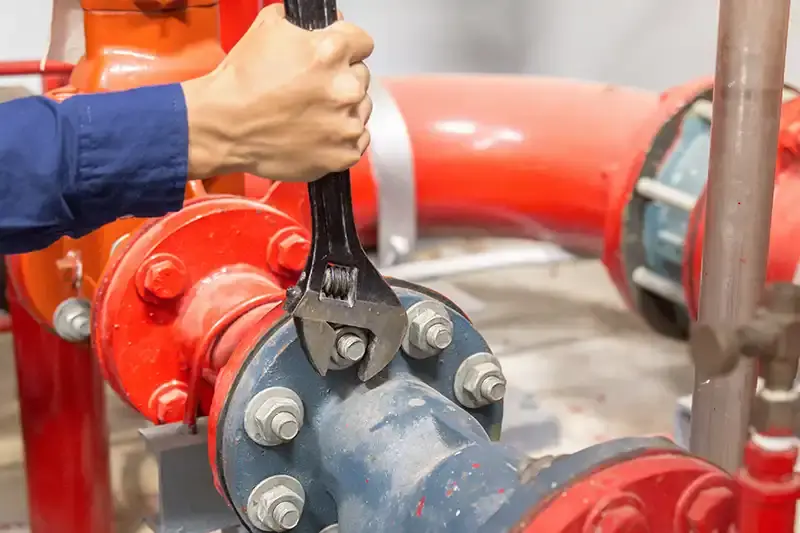
Conclusion
Understanding the common causes of pipe flange spills and actualizing compelling arrangements is pivotal for keeping up secure, productive, and dependable mechanical operations. By centering on appropriate establishment methods, selecting suitable gaskets, guaranteeing alter jolt fixing strategies, and tending to framework stresses, administrators can essentially decrease the chance of spills and related downtime.
Regular support, reviews, and adherence to best practices are key to anticipating spine spills; sometimes they happen. As mechanical forms proceed to advance, remaining educated about the most recent advancements in rib innovation and fixing arrangements will offer assistance to guarantee your frameworks stay leak-free and work at top efficiency.
FAQ
Q1: How often should flange bolts be retightened?
A: The recurrence of jolt retightening depends on a few variables, including the application, working conditions, and beginning installation quality. By and large, it's suggested to perform a torque check after the to begin with 24-48 hours of operation, then intermittently as part of customary upkeep. For basic applications or those subject to visit warm cycling, more visit checks may be essential. Continuously counsel your hardware manufacturer's rules or industry benchmarks for particular recommendations.
Q2: Can I reuse a flange gasket?
A: It's generally not recommended to reuse flange gaskets. Gaskets deform under pressure to create a seal, and this deformation is usually permanent. Reusing a gasket increases the risk of leaks due to incomplete sealing or material degradation. Always install a new gasket when reassembling a flange joint to ensure optimal sealing performance and reliability.
Q3: What's the best way to clean flange faces before assembly?
A: Proper cleaning of flange faces is crucial for achieving a good seal. Start by removing any old gasket material or debris using a soft scraper or wire brush, being careful not to damage the flange surface. Then, clean the face with a suitable solvent to remove oils, greases, or other contaminants. For stubborn deposits, you may need to use a flange face cleaning tool. Always finish by wiping the surface clean with a lint-free cloth and inspecting for any remaining debris or damage before assembly.
Expert Flange Solutions for Leak-Free Connections | RAYOUNG
At RAYOUNG, we understand the critical importance of reliable, leak-free pipe flange connections in industrial piping systems. Our comprehensive range of high-quality pipe fittings, including expertly engineered flanges, is designed to meet the most demanding requirements across various industries. Whether you're dealing with high-pressure applications, corrosive environments, or challenging thermal conditions, our products deliver the performance and durability you need to maintain safe, efficient operations.
Our team of experienced engineers and technical experts is ready to assist you in selecting the optimal flange solutions for your specific needs. We offer personalized consultations to ensure you get the right products that comply with relevant industry standards and certifications. With RAYOUNG's commitment to quality and innovation, you can trust that our flange solutions will contribute to minimizing leak risks and maximizing the reliability of your piping systems.
For those seeking reliable and high-quality pipe fittings, including flanges designed to minimize leak risks, RAYOUNG offers a comprehensive range of solutions. Our products are engineered to meet the demanding requirements of various industries, ensuring secure connections and long-term performance. To learn more about how our pipe fittings can enhance your operations and reduce maintenance concerns, please contact our team of experts at info@hb-steel.com. We're committed to helping you achieve leak-free, efficient, and safe piping systems.
References
1. Bickford, J. H. (1998). Gaskets and Gasketed Joints. New York: Marcel Dekker.
2. George, A., & Chu, C. (2016). Flange Leakage Mechanisms and Prevention in Industrial Piping Systems. Journal of Pressure Vessel Technology, 138(4), 041201.
3. Mohan, R. P., & Singh, R. (2019). Causes of Flange Joint Failures and Remedial Practices in Process Industries. International Journal of Mechanical Engineering and Technology, 10(2), 112–123.
4. Smith, K. L., & Porter, D. A. (2017). Bolt Tightening Procedures and Their Effect on Flanged Joint Integrity. Journal of Materials Performance and Engineering, 6(3), 45–58.
5. Kudzai, M., & Brown, P. T. (2020). Gasket Material Selection and Performance Under Thermal Cycling Conditions. Industrial Sealing Science Review, 12(1), 77–94.
6. Abdullah, S., & Rahman, H. A. (2015). Assessment of Flange Face Damage and Its Influence on Sealing Performance in Piping Systems. Engineering Failure Analysis, 56, 465–478.