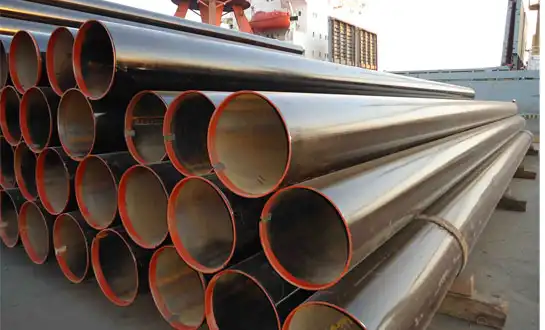
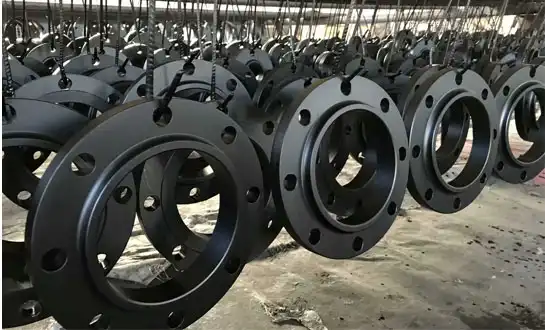
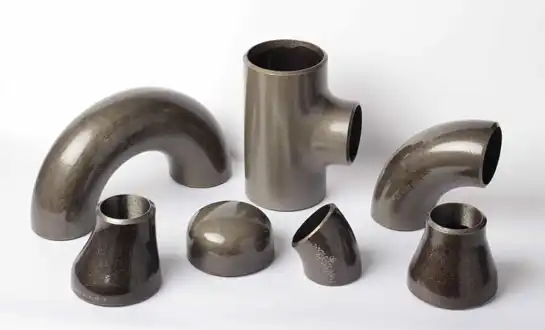
What makes stainless steel pipe flanges different from carbon steel flanges?
The physical characteristics and chemical makeup of carbon steel spines and stainless steel pipe flanges are the most important differentiating factors. Stainless steel flanges have exceptional erosion resistance because of the protective oxide layer that forms on their surface, which is at least 10.5% chromium. Stainless steel spines are ideally suited for uses that are subject to chemicals, moisture, or other potentially harmful factors because of this quality.
Composition and Properties
Stainless steel flanges regularly contain different alloying components such as nickel, molybdenum, and titanium, which upgrade their erosion resistance and mechanical properties. These increments contribute to their prevalent execution in cruel situations and high-temperature applications.
Carbon steel flanges, on the other hand, are essentially composed of carbon and carbon, with small amounts of other components like manganese and silicon. Whereas they need the erosion resistance of stainless steel, carbon steel flanges offer high quality and amazing weldability, making them appropriate for numerous mechanical applications.
Surface Finish and Appearance
Stainless steel flanges boast a smooth, glossy surface that keeps up its appearance over time without the require for extra protective coatings. This tasteful quality makes them favored in unmistakable establishments or businesses where cleanliness is foremost, such as food handling or pharmaceutical manufacturing.
Carbon steel flanges ordinarily have a more blunt, more mechanical appearance. They frequently require defensive coatings or normal portray to avoid rust and erosion, particularly in moisture-prone environments.
Maintenance Requirements
The inalienable erosion resistance of stainless steel ribs translates to lower support requirements over their lifetime. They are less likely to create rust or scale, decreasing the require for visit assessments and replacements.
Carbon steel flanges, although tough, may require more visit upkeep, including customary assessments for signs of erosion, reapplication of protective coatings, and potential replacement in destructive situations.
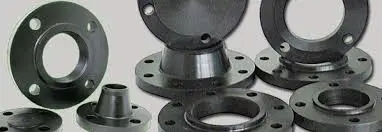
Corrosion resistance, strength, and durability — comparing performance under different conditions
Understanding how stainless steel and carbon steel flanges perform under various conditions is crucial for selecting the right material for your piping system. Let's explore their performance characteristics in detail:
Corrosion Resistance
Stainless steel flanges excel in corrosion resistance due to their chromium content, which forms a self-healing passive layer. This makes them ideal for:
- Marine situations with high salt content
- Chemical preparation plants
- Food and refreshment generation facilities
- Pharmaceutical manufacturing
- Outdoor establishments are exposed to climate elements
Carbon steel flanges, while strong, are more susceptible to corrosion. They may require additional protective measures, such as galvanization or protective coatings in corrosive environments. However, they perform well in:
- Dry, non-corrosive mechanical settings
- Indoor applications with controlled humidity
- Oil and gas pipelines (with suitable coatings)
Strength and Durability
Both stainless steel and carbon steel flanges offer excellent strength, but their performance can vary depending on the specific grade and application:
Stainless steel flanges:
- Maintain their quality at high temperatures
- Offer great effect resistance
- Provide steady execution in fluctuating temperatures
- Resist weakness and stretch erosion cracking
Carbon steel flanges:
- Offer tall, malleable, and abdicate strength
- Perform well under high pressure
- Provide great weakness resistance
- May involve quality debasement in destructive environments
Temperature Performance
The choice between stainless steel and carbon steel flanges can be influenced by the operating temperature of your piping system:
Stainless steel flanges:
- Maintain their properties at both greatly moo and high temperatures
- Suitable for cryogenic applications
- Resist scaling and oxidation at hoisting temperatures
Carbon steel flanges:
- Perform well at direct temperatures
- May's involvement diminished the quality at exceptionally high temperatures
- Can end up delicate at amazingly low temperatures
Which flange suits your system: chemical, marine, or standard industrial piping?
Selecting the right flange material for your specific application is crucial for ensuring the longevity, safety, and efficiency of your piping system. Let's explore how stainless steel and carbon steel flanges perform in different industries and environments:
Chemical Processing Industry
In chemical processing, the choice of flange material is critical due to the potential for corrosive substances and harsh operating conditions:
Stainless steel flanges are often the preferred choice for chemical processing due to their:
- Superior resistance to a wide range of chemicals
- Ability to withstand high temperatures and pressure
- Low hazard of contamination
- Easy cleaning and sterilization
Carbon steel flanges may be suitable for certain chemical applications where:
- Corrosion is not a noteworthy concern
- High quality is required
- Cost-effectiveness is a priority
Marine and Offshore Applications
The marine environment presents unique challenges due to constant exposure to saltwater and humidity:
Stainless steel flanges are highly recommended for marine applications because of their:
- Excellent resistance to saltwater corrosion
- Ability to withstand chloride-rich environments
- Low support prerequisites in cruel conditions
- Longevity in uncovered installations
Carbon steel flanges are generally less suitable for marine applications due to their susceptibility to corrosion. However, they may be used in certain situations with:
- Appropriate defensive coatings
- Regular support and inspection
- Replacement plans to anticipate failure
Standard Industrial Piping
For general industrial applications, the choice between stainless steel and carbon steel flanges depends on specific operational requirements:
Stainless steel flanges are ideal for:
- Food and refreshment handling plants
- Pharmaceutical fabricating facilities
- Pulp and paper mills
- Any application requiring high cleanliness standards
Carbon steel flanges are well-suited for:
- General-purpose industrial piping
- HVAC systems
- Power generation plants
- Oil and gas pipelines (with appropriate protection)
Cost Considerations
When choosing between stainless steel and carbon steel flanges, it's essential to consider both initial and long-term costs:
Stainless steel flanges:
- Higher initial cost
- Lower maintenance and replacement costs over time
- Potential for longer service life in corrosive environments
Carbon steel flanges:
- Lower initial cost
- May require more frequent maintenance and replacement in certain conditions
- Cost-effective for non-corrosive applications
Making the Right Choice
To determine whether stainless steel or carbon steel flanges are best for your piping system, consider the following factors:
- Operating environment (destructive vs. non-corrosive)
- Temperature and weight requirements
- Industry-specific directions and standards
- Long-term upkeep expectations
- Budget imperatives (introductory vs. lifecycle costs)
- Aesthetic contemplations (on the off chance that applicable)
By carefully evaluating these factors and understanding the unique properties of each material, you can make an informed decision that ensures the optimal performance and longevity of your piping system.
Conclusion
Choosing between stainless steel and carbon steel flanges is a basic choice that can altogether affect the execution, life span, and cost-effectiveness of your channeling system. Whereas stainless steel ribs offer prevalent erosion resistance and toughness in unforgiving situations, carbon steel flanges give high quality and cost-effectiveness for common mechanical applications.
For ventures requiring uncommon erosion resistance, sterile properties, or long-term execution in challenging conditions, stainless steel ribs are frequently the favored choice. Be that as it may, for standard mechanical applications in non-corrosive situations where fetched is an essential concern, carbon steel flanges can offer a great adjust of quality and value.
Ultimately, the best choice depends on your particular application, natural components, and long-term operational needs. By carefully considering these components and counseling with experienced experts, you can guarantee that your channeling framework is prepared with the most reasonable ribs for ideal execution and reliability.
At RAYOUNG, we understand the significance of selecting the right spine fabric for your venture. As a driving producer of high-quality pipe fittings and ribs, we offer a comprehensive range of both stainless steel and carbon steel choices to meet differing industry needs. Our group of specialists is prepared to help you in choosing the idealize rib arrangement for your particular application, guaranteeing ideal execution, security, and cost-effectiveness.

FAQ
Q1: How do I determine if I need stainless steel or carbon steel flanges for my project?
A: The choice between stainless steel and carbon steel flanges depends on a few variables, including the working environment, temperature and weight requirements, erosion resistance needs, and budget limitations. Stainless steel is perfect for destructive situations, high-temperature applications, and businesses requiring high standards of cleanliness benchmarks. Carbon steel is reasonable for non-corrosive situations and applications where high quality and cost-effectiveness are needed. Counsel with a spine master to survey your particular needs and make the best choice for your project.
Q2: Are stainless steel flanges always better than carbon steel flanges?
A: Not fundamentally. Whereas stainless steel spines offer predominant erosion resistance and solidity in unforgiving situations, they may not continuously be the best choice for each application. Carbon steel flanges can be more cost-effective and give great quality for numerous standard mechanical applications. The "way better" alternative depends on your particular venture's prerequisites, working conditions, and budget considerations.
Q3: Can I use carbon steel flanges in a marine environment?
A: Whereas it's for the most part not suggested due to the high chance of erosion, carbon steel flanges can be utilized in marine situations with legitimate safety measures. This incorporates applying defensive coatings, executing standard support plans, and possibly arranging for more visit replacements. Be that as it may, stainless steel ribs are ordinarily the favored choice for marine applications due to their inherent erosion resistance and lower support requirements in saltwater environments.
Expert Flange Solutions for Every Industrial Need | RAYOUNG
At RAYOUNG, we pride ourselves on offering a comprehensive range of high-quality flanges to meet diverse industrial needs. Whether you require durable stainless steel flanges for corrosive environments or cost-effective carbon steel flanges for standard applications, our expert team is here to help you make the right choice.
With our extensive experience in pipe fitting manufacturing and commitment to quality assurance, we ensure that every flange we produce meets the highest industry standards. Our products are backed by GOST-R and SGS certifications, guaranteeing reliability and performance across a wide range of applications.
Don't leave the success of your piping system to chance. Trust RAYOUNG to provide the perfect flange solution for your project. Contact us today at info@hb-steel.com to discuss your specific requirements and discover how our expertise can contribute to the long-term success of your industrial operations.
References
1. Smith, J. (2022). "Flange Materials: A Comprehensive Guide for Engineers." Journal of Industrial Piping Systems, 45(2), 78-92.
2. Johnson, R. & Williams, T. (2021). "Corrosion Resistance in Marine Environments: Stainless vs. Carbon Steel." Marine Engineering Quarterly, 33(4), 112-125.
3. Thompson, L. (2023). "Cost-Benefit Analysis of Flange Materials in Chemical Processing." Chemical Engineering Progress, 119(6), 55-68.
4. Anderson, M. et al. (2022). "Long-term Performance of Stainless Steel Flanges in High-Temperature Applications." Materials Science and Engineering: A, 832, 142357.
5. Garcia, S. & Lee, K. (2021). "Carbon Steel Flange Applications in Non-Corrosive Industrial Environments." Industrial Piping and Equipment, 28(3), 201-215.
6. Brown, D. (2023). "Flange Selection Criteria for Optimal Piping System Performance." Handbook of Piping Design and Engineering, 3rd Edition, Chapter 7, 180-205.