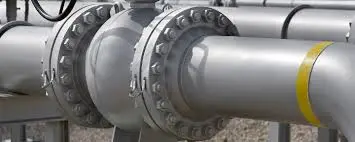
What are the main types of flanges, and how do they connect to pipelines?
Flanges come in various types, each designed for specific applications and connection methods. Understanding these types is crucial for selecting the right flange for your piping system. Let's explore the main flange types and their connection methods:
Weld Neck Flanges
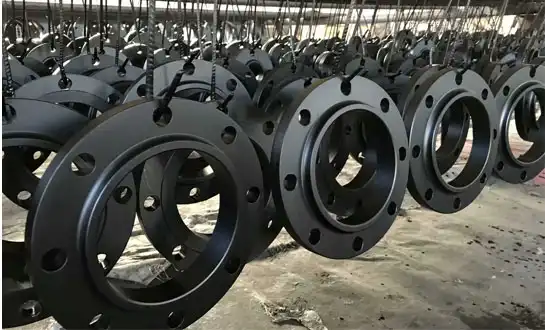
Weld neck flanges are exceedingly favored in high-pressure, high-temperature, and basic applications due to their strong design. Highlighting a long decreased center, these ribs give a progressive stretch move from the spine to the rib cage, minimizing the chance of disappointment beneath the stack. They are associated with pipelines utilizing full-penetration butt welding, which guarantees a persistent metal structure between the pipe and rib. This strategy makes a profoundly solid and leak-proof joint, perfect for chemical plants, refineries, and control era offices where quality and solidity are paramount.
Slip-On Flanges
Slip-on spines are planned for ease of establishment and are frequently utilized in moderate-pressure applications. The rib slides over the pipe conclusion and is secured with two welds—one fillet weld on the interior and another on the exterior of the rib. Whereas the association is not as solid as a weld neck flange, slip-on spines offer the advantage of lower taken a toll and less complex design. They are commonly utilized in water frameworks, HVAC pipelines, and low-pressure mechanical applications where direct mechanical quality and adaptability are sufficient.
Socket Weld Flanges
Socket weld flanges are utilized essentially for small-diameter pipelines, ordinarily beneath 2 inches in diameter. The pipe is embedded into a recessed attachment in the rib, and a fillet weld is connected around the best edge. This plan gives a smooth, flawless appearance while keeping up a secure, leak-resistant association. Attachment weld ribs are reasonable for high-pressure benefits in small lines, commonly in instrumented, pressure-driven, and handling channeling frameworks, giving a solid joint without the requirement for butt welding, while decreasing the chance of arrangement issues.
Lap Joint Flanges
Lap joint ribs comprise a stub conclusion and a free backing flange. The stub conclusion is welded to the pipe, and the backing rib slides over it, giving the association surface for shooting. The essential advantage of this plan is its adaptability during installation, as the rib can turn around the stub end to accomplish the appropriate shock arrangement. Lap joint flanges are frequently utilized in frameworks that require visual inspection for assessment, upkeep, or cleaning, such as in food processing, chemical industries, and low-pressure channeling applications.
Threaded Flanges
Threaded flanges interface to channels utilizing inside strings, dispensing with the requirement for welding. The pipe is screwed into the spine, making a mechanically tight joint. This sort of rib is perfect for low-pressure or non-critical applications where welding is unreasonable or not allowed. Strung spines are commonly utilized in gas, water, and chemical pipelines where straightforwardness, cost-effectiveness, and ease of gathering are prioritized. Legitimate threading guarantees spill anticipation, and establishment can be completed rapidly without specialized welding equipment.
When selecting a flange type, consider factors such as operating pressure, temperature, corrosion resistance, and ease of installation. For high-pressure and critical applications, weld neck flanges often provide the best combination of strength and reliability.
How to properly align and weld flanges to ensure a leak-free joint?
Proper alignment and welding are crucial for creating a leak-free joint between a flange and a pipe. This is especially important when working with weld neck flanges, as their design relies on precise alignment for optimal performance. Follow these steps to ensure a secure connection:
Preparation
- Clean the pipe conclusion and rib surfaces completely, evacuating any soil, rust, or debris.
- Inspect both the pipe and spine for any surrenders or damage.
- Ensure the pipe conclusion is cut square and beveled, agreeing to welding specifications.
Alignment
- Use arrangement instruments such as rib arrangement pins or a spine spreader to keep up appropriate positioning.
- Check that the spine confront is opposite to the pipe axis.
- Verify that the jolt gaps are accurately arranged in agreement with the channeling design.
Tack Welding
- Apply tack welds at four equidistant focuses around the circumference to hold the rib in place.
- Double-check the arrangement after tack welding and make alterations if necessary.
Full Welding
- Use the fitting welding method (typically GTAW or SMAW) as indicated by the extent requirements.
- Weld in brief portions, substituting between inverse sides to minimize distortion.
- Ensure full infiltration of the weld, particularly critical for weld neck flanges.
Cooling and Inspection
- Allow the weld to cool gradually and naturally.
- Conduct visual assessments and non-destructive testing (such as radiography or ultrasonic testing) as required by extended specifications.
By following these steps and paying close attention to alignment and welding quality, you can ensure a leak-free joint between the flange and pipe. This is particularly crucial when working with weld neck flanges, as their design relies on precise alignment and full weld penetration for optimal performance in high-pressure systems.
Best Practices for Flange Installation and Maintenance
Proper installation and regular maintenance of flanged connections are essential for ensuring long-term reliability and safety in piping systems. Here are some best practices to follow:
Proper Gasket Selection and Installation
- Choose a gasket fabric congruous with the prepared liquid and working conditions.
- Ensure the gasket is legitimately centered between the spine faces.
- Avoid over-compressing the gasket, which can lead to failure.
Bolt Tightening Procedures
- Use calibrated torque torques to accomplish legitimate jolt tension.
- Follow a cross-bolting design to guarantee compression of the gasket.
- Tighten jolts in different passes, continuously expanding torque to the indicated value.
Regular Inspection and Maintenance
- Conduct occasional visual reviews for signs of spillage or corrosion.
- Check jolt snugness frequently, particularly after warm cycling.
- Replace gaskets amid framework shutdowns or if signs of corruption are observed.
Corrosion Protection
- Apply fitting coatings or utilize corrosion-resistant materials for spines exposed to unforgiving environments.
- Implement cathodic assurance frameworks for buried or submerged flanged connections.
Documentation and Traceability
- Maintain detailed records of flange materials, gaskets, and bolting used in each connection.
- Document installation procedures and torque values for future reference.
By adhering to these best practices, you can significantly enhance the reliability and longevity of your flanged connections, particularly when using high-quality components like weld neck flanges. Regular maintenance and proper installation techniques are key to preventing leaks and ensuring the integrity of your piping system.
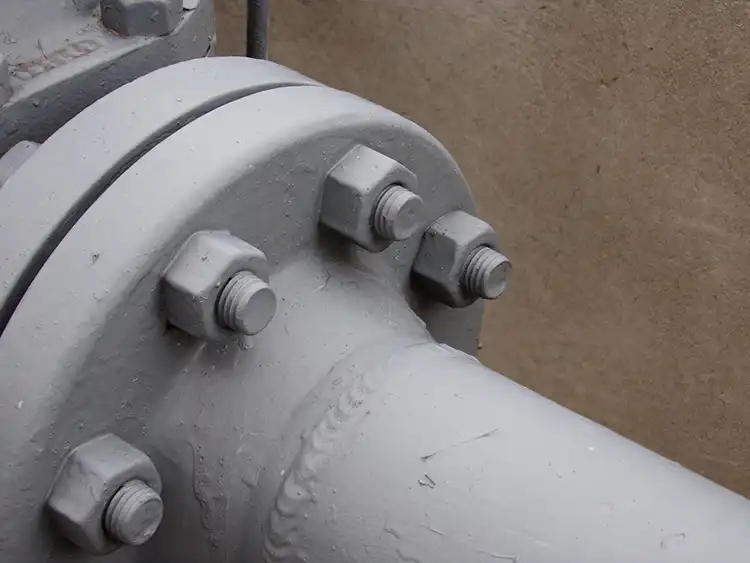
Conclusion
Connecting spines to channels, particularly weld neck flanges, requires cautious thought of rib sort, appropriate arrangement procedures, and adherence to best practices in welding and upkeep. By following the rules laid out in this article, you can guarantee secure, leak-free associations that contribute to the overall security and effectiveness of your channeling system.
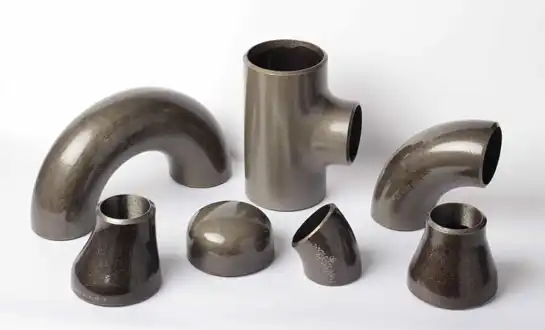
For mechanical ventures requiring high-quality spines and master direction, consider joining forces with HEBEI RAYOUNG PIPELINE Technology CO., LTD. Our broad extend of mechanical pipe fittings, including premium weld neck flanges, is designed to meet the most demanding necessities of various businesses. With our GOST-R and SGS certifications, you can believe in the quality and unwavering quality of our items for your basic applications.
FAQ
Q1: What is the advantage of using a weld neck flange over other flange types?
A: Weld neck flanges offer superior strength and stress distribution, making them ideal for high-pressure and high-temperature applications. Their tapered hub design allows for a smoother transition between the flange and pipe, reducing stress concentrations and enhancing the overall integrity of the connection.
Q2: How often should flanged connections be inspected?
A: The frequency of inspections depends on the operating conditions and criticality of the system. Generally, visual inspections should be conducted at least annually, with more frequent checks in harsh environments or critical applications. Detailed inspections, including bolt tightness checks, should be performed during scheduled maintenance shutdowns.
Q3: Can I reuse a gasket when reassembling a flanged joint?
A: It is not recommended to reuse gaskets. Gaskets deform under pressure and may not provide an adequate seal when reused. Always install a new gasket of the appropriate type and material when reassembling a flanged joint to ensure proper sealing and prevent leaks.
Expert Solutions for Weld Neck Flange Connections | RAYOUNG
Are you looking for reliable weld neck flanges and expert advice for your industrial piping projects? HEBEI RAYOUNG PIPELINE TECHNOLOGY CO., LTD offers a comprehensive range of high-quality flanges and fittings designed to meet the most stringent industry standards. Our team of experienced professionals is ready to assist you in selecting the right components for your specific application, ensuring optimal performance and longevity of your piping systems.
Don't leave the integrity of your industrial connections to chance. Contact RAYOUNG today at info@hb-steel.com to discuss your flange and fitting requirements. Let us help you achieve secure, efficient, and compliant piping solutions that stand the test of time and pressure. Trust in RAYOUNG for all your industrial piping needs – where quality meets reliability.
References
1. American Society of Mechanical Engineers. (2021). ASME B16.5: Pipe Flanges and Flanged Fittings.
2. Nayyar, M. L. (2000). Piping Handbook (7th ed.). McGraw-Hill Education.
3. American Welding Society. (2015). AWS D1.1/D1.1M: Structural Welding Code - Steel.
4. Megyesy, E. F. (2008). Pressure Vessel Handbook (14th ed.). Pressure Vessel Publishing, Inc.
5. Smith, P. (2005). Piping Materials Guide. Elsevier Science.
6. American Petroleum Institute. (2018). API Standard 598: Valve Inspection and Testing.