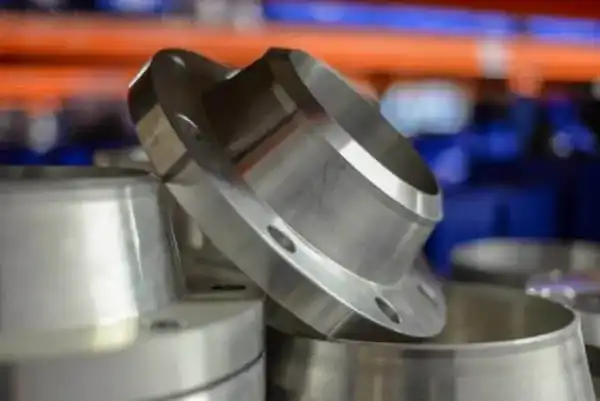
What defines a welding neck flange, and how does it connect to a pipeline?
Hex neck flanges are different because of how they are made and how they join to the pipe. There are a few ways that welding neck flanges are different from other types of flanges:
Tapered Hub Design
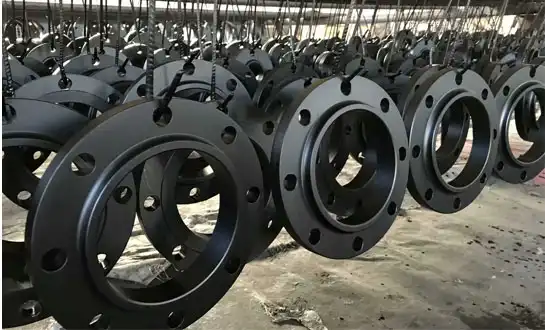
The long, curved hub of a welder neck plate is what makes it stand out. This design lets the thickness of the pipe wall gradually change into the thickness of the joint. This has several benefits, including:
- Enhanced stress distribution
- Improved flow characteristics
- Reduced turbulence and pressure drop
- Greater resistance to bending and fatigue
Full Penetration Weld
Welding neck flanges are attached to the pipeline using a full penetration butt weld. This connection method offers superior strength and integrity compared to other flange types. The welding process involves:
- Precise alignment of the flange and pipe
- Preparation of the welding surfaces
- Application of a root pass followed by multiple fill and cap passes
- Non-destructive testing to ensure weld quality
Material Compatibility
To get the best performance and durability, welding neck flanges are usually made from materials that are the same as or similar to the material of the pipeline. This support is very important for
- Maintaining consistent thermal expansion properties
- Stopping galvanic rust
- Making sure the system's strength is the same all over
When these features are combined, welding neck flanges create a strong link that can stand up to the tough conditions that are common in industrial pipe systems.
Structural design and welding features of welding neck flanges
Both the structure and welding features of the welding neck flanges have been carefully thought out to make them as strong, long-lasting, and effective as possible in tough situations. Take a look at the most important parts of their shape and how they join:
Structural Components
Welding neck flanges are made up of several important parts, and each one does a specific job:
- To join the pipe to the flange face, there is a bent piece called the hub.
- The flat part that fits on the other flange is called the flange face.
- Holes for bolts: Perfectly made holes to keep the flange link in place
- Face raised or face flat: Picks out the gasket type and way of sealing
Material Selection
The material that is used to make welding neck flanges is very important to how well they work. Some common materials are:
- Carbon steel (ASTM A105, A350 LF2)
- Steels 304/304L and 316/316L are also used, as well as forged steels F11, F22, and F91.
- Steels made from nickel, like Hastelloy, Inconel, and Monel
Each material has its own pros and cons when it comes to how strong it is, how well it stops rust, and what temperatures it can handle for welding neck flanges. The techs can then pick the best one for them.
Welding Considerations
Pay close attention to these details during the welding process for connecting welding neck flanges:
- For the weld to go well, the flange hub and pipe end must be properly beveled.
- Method of welding: SMAW (stick) or FCAW is often used for fill passes and GTAW (TIG) for the root pass.
- Control of heat input: Careful control of the welding settings to keep warping to a minimum
- Post-weld heat treatment: Some materials need this to get rid of any remaining pressures.
Quality Control
Strict quality control methods are put in place to make sure that welding neck flange joints are solid:
- Checking the strength of the weld visually
- Tests that don't damage the object being tested, like x-rays or ultrasounds
- Dimensional checks to make sure the flanges are straight and flat
- The finished unit was put under pressure tests.
Manufacturers can make welding neck flanges that meet the strict needs of industrial pipe systems by following these structural design principles and best practices for welding.
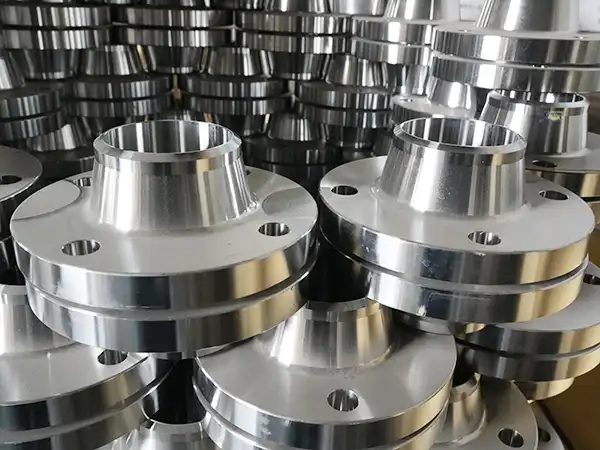
Typical applications: high-pressure and high-temperature industrial systems
Wiring neck flanges can be used in many business situations, especially those with a lot of heat and pressure. They are the best choice for important systems that need to be safe and reliable because they are well-made and work well. Right now, let's look at some common cases where neck plates weld really well:
Oil and Gas Industry
Welding neck flanges are very important in many processes in the oil and gas industry, such as
- Offshore platforms are used for underwater pipes and handling equipment on land.
- Refineries: These can be found in heat exchanges, distilling columns, and pipe networks.
- Pipelines are used to send natural gas and crude oil over long distances.
Power Generation
Welding neck flanges are important for power plants' most important systems:
- This type of machine is used in feedwater systems and high-pressure steam lines.
- Connectors for boilers can be found in the main steam pipes and the economizers.
- Nuclear power plants: Used in safety-related pipes and reactor cooling systems
Chemical Processing
The chemical industry utilizes welding neck flanges in various processes:
- Reactors: Used in high-pressure and high-temperature reaction vessels
- Distillation columns: Found in fractionation and separation processes
- Heat exchangers: Employed in thermal transfer equipment
Petrochemical Plants
Petrochemical facilities rely on welding neck flanges for their critical operations:
- Ethylene crackers: Used in high-temperature furnace piping
- Polymer production: Found in polymerization reactors and extrusion equipment
- Storage tanks: Employed in loading and unloading systems for raw materials and finished products
In these demanding applications, welding neck flanges offer several advantages:
- Superior resistance to bending and fatigue
- Excellent performance under cyclic loading conditions
- Better resistance to heat expansion and contraction
- Better flow properties and less pressure drop
If engineers choose the right welding neck flange for the job, they can be sure that their pipe systems will always work correctly, safely, and regularly, even if the factory is very rough.
Conclusion
Welding neck flanges are an important part of industrial pipe systems that deal with high temperatures and pressures. With a curved hub and a full puncture weld, their special form gives them better strength, stress distribution, and dependability in important situations. These flanges are very important for making sure that complex pipe networks work safely and efficiently on everything from oil and gas platforms to power plants and chemical processing plants.
It is very important to have high-quality welding neck flanges because businesses are always pushing the limits of what is possible in terms of pressure, temperature, and toxic conditions. Engineers and acquisition experts can choose the best flanges for their needs by knowing about their structural design, welding features, and common uses.
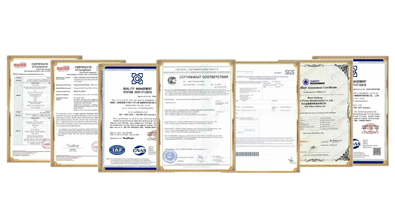
HEBEI RAYOUNG PIPELINE TECHNOLOGY CO., LTD has a wide range of options for people who need welding neck flanges that are effective and work well. Because we know how to make carbon steel pipe fittings, like welding neck flanges, well, your projects will be of the highest quality, last a long time, and be safe. We make sure that our goods meet the highest standards in the business by having GOST-R and SGS certifications and following ISO 9001:2015.
You can work with RAYOUNG as an EPC contractor on a big industrial project, as a dealer looking for a reliable provider, or as an end-user wanting to cut down on downtime and ensure long-term performance. We have the knowledge and products to meet your needs. We are the best company to work with for all of your pipe system needs because we are dedicated to new ideas, high quality, and happy customers.
FAQ
1. What are the main advantages of using welding neck flanges over other flange types?
Welding neck flanges offer superior stress distribution, improved flow characteristics, and enhanced resistance to bending and fatigue. Their tapered hub design and full penetration weld provide better performance in high-pressure and high-temperature applications compared to other flange types.
2. How do I choose the right material for a welding neck flange?
Material selection depends on factors such as operating temperature, pressure, and corrosive environment. Common materials include carbon steel, stainless steel, and various alloys. Consider the compatibility with the pipeline material, required strength, and corrosion resistance when making your selection.
3. What are the key considerations for welding neck flange installation?
Proper installation of welding neck flanges involves careful alignment, appropriate weld preparation, skilled welding techniques, and post-weld heat treatment when required. It's crucial to follow industry standards and manufacturer guidelines to ensure a secure and reliable connection.
Expert Solutions for High-Performance Piping Systems | RAYOUNG
If you work at HEBEI RAYOUNG PIPELINE TECHNOLOGY CO., LTD, you know how important welding neck flanges are to the safety and efficiency of your industrial pipe systems. Our large selection of high-quality carbon steel pipe fittings, which includes welding neck flanges, is made to meet the strict needs of many businesses.
Since we care about quality and coming up with new ideas, we can make solutions that work for you, whether you need parts that will last for a local installation or are working on a big EPC job. GOST-R and SGS have approved our goods, which means they follow the rules and norms of other countries.
Don't leave the integrity of your piping systems to chance. Trust RAYOUNG to provide the expertise, quality, and support you need to succeed in your projects. Contact us today at info@hb-steel.com to discuss your welding neck flange requirements and discover how our comprehensive range of pipe fittings can enhance the performance and longevity of your industrial applications.
References
1. Smith, J. (2022). "Advanced Piping Design: Principles and Applications of Welding Neck Flanges." Journal of Pressure Vessel Technology, 144(3), 031301.
2. Johnson, R., & Williams, S. (2021). "Material Selection for High-Temperature Piping Systems: A Comprehensive Guide." Materials Performance, 60(5), 30-35.
3. American Society of Mechanical Engineers. (2019). ASME B16.5-2017: Pipe Flanges and Flanged Fittings. New York: ASME.
4. Brown, T. (2020). "Welding Techniques for Critical Piping Components in the Oil and Gas Industry." Welding Journal, 99(6), 40-46.
5. International Organization for Standardization. (2018). ISO 9001:2015 Quality management systems — Requirements. Geneva: ISO.
6. Davis, M. (2023). "Advancements in Non-Destructive Testing for Welded Flange Connections." NDT Technician, 22(2), 12-18.