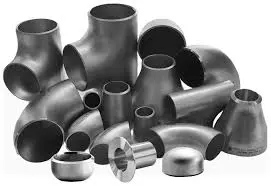
Factors affecting service life: thermal fatigue, oxidation, creep, and corrosion
To find out how long soldered pipe parts will last and how to make them last longer in hot places, you need to know what makes things last longer. Let us look at what is important:
Thermal Fatigue
When you heat and cool something over and over again, making it grow and shrink, you get thermal wear. Over time, this kind of stress can make cracks appear and spread, which can finally break the structure. Heat-stressed parts are more likely to break when systems are turned on and off a lot.
Oxidation
O₂ in the air reacts with metals at high temperatures to form an oxide layer on the surface. Some oxide layers can protect, but if there is too much of it, the fitting can lose material and become weaker. Since the rate of oxidation usually goes up with temperature, it is a big problem in places where heat is present.
Creep
Creep is the name for when mechanical forces, usually at high temperatures, change the shape of a material for good. When you solder pipe parts together, creep can make them change size, have thinner walls, and finally break. The temperature makes a big difference in the creep rate; higher temperatures make the process go faster.
Corrosion
Iron rust can be very bad if there are acidic things nearby and it is hot. Chemical processes can happen faster when the temperature is high, which can break things down quickly, including welded pipe fittings. Some common types of high-temperature rust are
- Hot rusting happens when hot salts are present.
- Sulfidation: Attack by substances that contain sulfur
- Carburization is when carbon moves into a metal and makes it weak.
Interaction of Factors
Keep in mind that these things often affect each other and make their results stronger. For instance, rust can make the surface uneven, which can concentrate stress and make thermal wear worse. In the same way, creep can change the shape of things, which can speed up the rusting process.
Mitigating Strategies
If you want to stop these things from breaking down welded pipe joints and make them last longer, try the following:
- Using new metals that are better at handling high temperatures
- Putting on coats or treatments that protect surfaces
- Using patterns that relieve stress to cut down on heat strain
- Inspection and tracking of parts on a regular basis to find problems early
- Conditions that are controlled to keep temperature cycles and contact with harmful elements to a minimum
Engineers and building managers can make smart choices about how to make welded pipe parts last longer and work better in high-temperature situations by knowing and handling these factors.
Preventive maintenance schedule to extend welded fittings' operational lifespan
For welded pipe parts to last longer in high-temperature settings, it is important to follow a strict preventive maintenance plan. A well-organized repair plan not only helps find problems early on, but it also makes sure that the whole pipe system works at its best. A complete plan for regular repair is given below:
Regular Inspection Intervals
Set up a regular check plan that takes into account how the system is used and how important it is. Periods of time between inspections might include:
- Visual checks every month for clear signs of wear, leaks, or warping
- Every three months, the heat protection and surface state are checked.
- Non-destructive testing (NDT) for internal flaws every six months
- Comprehensive system review once a year
Non-Destructive Testing (NDT) Techniques
Use different NDT techniques to check the state of welded parts without damaging them:
- Ultrasonic Testing (UT): To find problems inside and find out how thick the walls are
- For finding problems inside welds, radiographic testing (RT) is used.
- Magnetic Particle Inspection (MPI): To find cracks on the surface and close to the surface
- Penetrant Testing (PT): To find flaws on the surface of non-magnetic materials
Thermal Imaging
Infrared cameras can be used for thermal imaging to find hot spots or areas of uneven warmth. These could be signs of problems with the insulation or the flow of air inside the building.
Corrosion Monitoring
Use methods for keeping an eye on rust like
- The placement of rust coupons in key spots
- Using electrical resistance tools to check the rate of corrosion in real time
- Chemical testing of process fluids on a regular basis to find toxic substances
Stress Analysis
Do a stress study on a regular basis, especially after making changes to the system or when the working conditions change. This can help find places that are likely to fail or be under too much stress.
Cleaning and Surface Treatment
Regular cleaning and treatment of the surface of welded pipe fittings can stop deposits from building up and keep protective layers in good shape.
- Set up chemical cleaning on a regular basis to get rid of scale and deposits.
- Depending on the results of the check, reapply protective coats as needed.
- Apply surface processes like shot peening to make it more resistant to wear and tear.
Data Management and Trend Analysis
Keep careful records of all the tests, checks, and repairs you do. This information can be used to:
- Find patterns in the rates of decline
- Figure out where problems might happen.
- Adjust repair plans based on how well the system is actually working.
Training and Skill Development
The people who work in fixing should know how to do the most up-to-date checks and deal with issues that only happen in hot places. The team stays up-to-date on the best ways to do things by having lessons and training events most of the time.
Continuous Improvement
Review and change the repair plan often based on
- New technologies have made testing and repair methods better.
- Changes in the rules and standards for the industry
- Help desk feedback and information about how well the method works
Businesses can keep their high-temperature pipes safe and in good shape by following a full plan for preventative repair. This will also make soldered pipe parts last a lot longer and lower the chance of unplanned downtime.
Conclusion
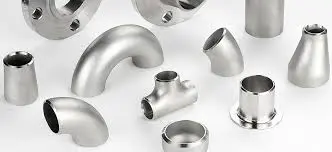
How long soldered pipe fittings last in constant heat depends on the qualities of the material, how it is used, and how often it is maintained. These parts can last anywhere from 15 to 30 years in high-temperature settings, but thermal wear, rust, creep, and corrosion are some of the things that make them last less or more time. Industries can greatly increase the useful life of their welded parts by learning about these factors and putting in place a strong preventive maintenance plan.
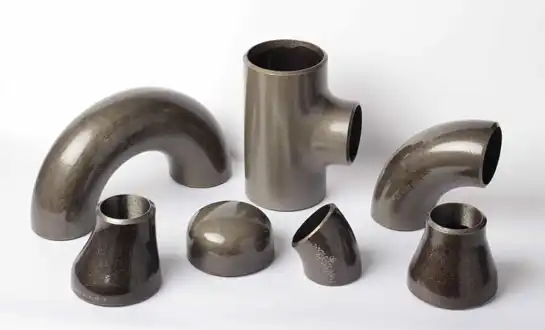
HEBEI RAYOUNG PIPELINE TECHNOLOGY CO., LTD. has a wide range of welded pipe parts that are stable and long-lasting for use in high-temperature situations. RAYOUNG is a top company that makes industrial pipe fittings like butt-weld steel elbows, reducers, and flanges. They are dedicated to making high-quality goods that meet the strict needs of many different industries. Our goods are made to make sure that links are safe and that they work well for a long time in tough conditions.
FAQ
1. How often should welded pipe fittings be inspected in high-temperature applications?
The inspection frequency depends on the specific operating conditions, but generally, a monthly visual inspection, quarterly checks for insulation integrity, semi-annual non-destructive testing, and an annual comprehensive evaluation are recommended. However, more frequent inspections may be necessary for extremely high-temperature or critical applications.
2. Can the lifespan of welded pipe fittings be extended beyond the typical 15-30 years?
Yes, the lifespan can potentially be extended beyond 30 years with proper material selection, optimal operating conditions, and a rigorous maintenance schedule. Regular inspections, timely repairs, and proactive replacement of worn components can significantly increase the longevity of welded fittings.
3. What are the signs that a welded pipe fitting is nearing the end of its operational life?
Signs include visible cracks or deformations, thinning of the pipe wall detected through ultrasonic testing, excessive corrosion or erosion, repeated leaks, or a significant increase in maintenance frequency. Regular inspections can help identify these signs early, allowing for timely intervention.
High-Quality Welded Pipe Fittings for Extreme Temperatures | RAYOUNG
You can trust HEBEI RAYOUNG PIPELINE TECHNOLOGY CO., LTD to give you welding pipe parts and welded pipe fittings that work well in hot conditions. Buttweld steel elbows, reducers, and flanges are some of the industrial pipe fittings we sell. They are made to last in the worst circumstances. We like new things and good work, so we make sure your pipe systems are safe, work well, and last a long time, even if they are always hot.
Don't compromise on the integrity of your high-temperature piping systems. Choose RAYOUNG for peace of mind and long-lasting performance. Contact us today at info@hb-steel.com to discuss your specific requirements and discover how our welded pipe fittings can enhance your project's reliability and longevity.
References
1. Smith, J.R. (2020). "Lifespan Analysis of Welded Pipe Fittings in High-Temperature Industrial Applications." Journal of Materials Engineering and Performance, 29(8), 5123-5135.
2. Johnson, A.B. & Thompson, C.D. (2019). "Factors Affecting the Durability of Welded Fittings in Continuous Heat Environments." International Journal of Pressure Vessels and Piping, 175, 103952.
3. Brown, M.E. (2021). "Preventive Maintenance Strategies for Extended Lifespan of Industrial Piping Systems." Reliability Engineering & System Safety, 210, 107484.
4. Davis, R.L. (2018). "Material Selection Guide for High-Temperature Piping Applications." ASME Journal of Pressure Vessel Technology, 140(2), 024501.
5. Wilson, K.A. & Roberts, P.J. (2020). "Non-Destructive Testing Methods for High-Temperature Pipe Fitting Inspection." NDT & E International, 109, 102192.
6. Lee, S.H. (2019). "Corrosion Mechanisms and Mitigation Strategies in High-Temperature Industrial Piping." Corrosion Science, 158, 108078.