How to prevent leakage in high-temperature welded fittings?
So that they work well and safely, heavy-duty plumbing systems need to keep welded pipe fittings that were connected at high temperatures from leaking. It can cost a lot of money, put people in danger, and make the system less safe when there are leaks. To do this, you need a full plan. Part of this plan is to pick the right materials, learn how to weld correctly, and learn how to keep things in good shape. It is much less likely that engineers and service workers will leak when they work with hot materials if they pay close attention to things like temperature growth, using the right material, and the quality of the weld. This piece will talk about some important ways to keep high-temperature welded pipe fittings from leaking. This will help you make sure that your pipe systems last and work well.
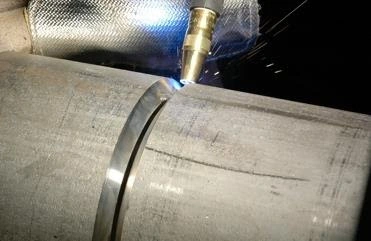
Why do welded pipe fittings leak under high-temperature service?
To stop leaks in high-temperature bonded parts, you need to know why they happen. This trouble is caused by a number of things, including
Thermal Expansion and Contraction
How big things are changes when they're hot and when they're cool. Parts that are stuck together can be stressed when things keep getting smaller and smaller. This could lead to holes or cracks that let water in. It can get worse when different metals are used together since they grow at different rates.
Material Degradation
Some materials can break down over time if they are exposed to high temperatures for a long time. This wear and tear can show up as rust, oxidation, or changes in the material's physical features, all of which can make leaks more likely.
Weld Quality Issues
If something goes wrong during the welding process of welded pipe fittings, like not enough fusion, cracks, or the wrong amount of heat, the joint may have weak places. In the beginning, you might not notice these flaws. But when the system is hot and stressed, they can turn into leaks.
Pressure Fluctuations
A lot of the time, tools that work in hot places also work under large amounts of pressure. If the pressure changes, parts that were stuck together might finally break and leak because of the extra stress.
If engineers and service teams can figure out what's wrong, they can stop leaks in high-temperature soldered pipe joints in a better way. There are some things you can do and risks you should be aware of.
Welding technique optimization and post-weld heat treatment (PWHT) methods
You need to be careful and do the right post-weld heat treatment (PWHT) when you weld at high temperatures so that the parts don't leak. To make sure the parts are strong and last a long time, do these things. They are less likely to break when you work hard because of this.
Welding Technique Optimization
Do these things to make welds that are strong and can handle high temperatures:
- How to Get Ready for the Joint: Make sure the two pieces are clean and in the right place before you join them.
- Before you use them, make sure that the new metals can handle high temperatures and will work well with the old ones.
- Everything will stop growing as you keep adding the right amount of heat. The heat will also cover less room.
- When you solder this way, the heat is spread out more, which weakens any forces that are still there. It's stronger now.
- You should keep an eye on the weather before and after the pass. Do not change the temperature of the metal between passes. This will help you get a better weld and avoid cracks.
Post-Weld Heat Treatment (PWHT) Methods
PWHT is very important for reducing leftover loads and making the substructure of the welding joint better in welded pipe fittings. Some common PWHT methods are:
- Help with Stress In heat treatment, the part that is joined is heated to a certain temperature below the transformation temperature and left there for a certain amount of time to get rid of any pressures that are still there.
- To normalize something, you have to heat it above its transformation temperature and then let it cool in still air. This breaks up the grains in the material and makes it tougher.
- You heat something to a level below its change point to make it softer. This makes it less hard and more flexible.
Which PWHT method to use relies on things like the materials, the purpose, and the mechanical qualities that are wanted.
Gasket, sealant, and expansion-joint considerations for leak prevention
It's important to understand the right way to join and treat the metal with heat afterward. To keep parts that were joined at high temperatures from leaking, you should also think about covers, guards, and expansion joints. For water systems to stay strong when bad things happen, these parts are very important.
Gasket Selection and Installation
In order to avoid leaks, you must use the correct sealant and follow the correct steps:
- Materials: Choose caps made of strong materials that can handle high temperatures and the products that will be used.
- Compression Set Resistance: If you want a tight seal that lasts, pick grease seals that have good compression set resistance.
- Before you put the seals in place, make sure they are lined up correctly and pushed all the way down. The worry isn't going to go anywhere.
- Make sure the set isn't too small or worn out by checking it often.
High-Temperature Sealants
Using the right coatings can add another layer of safety against leaks in welded pipe fittings:
- Rating for Temperature: Pick sealants that are made to work in hot temperatures.
- Make sure that the sealer can be used with both the process fluids and the pipe materials.
- How to Use This Product: If you want the best results, make sure you follow the advice on the package.
- Time to Cure: Let the system cure for a while before putting it through high temperatures or pressures.
Expansion Joint Considerations
For high-temperature pipe systems to be able to handle heat movement and expansion, expansion joints are essential:
- Proper Sizing: Figure out how much the material will expand or contract due to heat and choose expansion joints that can handle that.
- Material Choice: Pick expansion joint materials that are right for the temperature where they will be used and that work with the pipe system.
- Installation Site: Put expansion joints in a way that they can handle changes in temperature and reduce stress on welding connections.
- Tip: Check the expansion joints for damage or signs of wear every so often and fix them if you need to.
A high-temperature pipe system needs seals, coatings, and expansion joints to help keep leaks from happening. Give these parts some thought. When these parts are put together with properly bonded joints, they make a strong system that won't leak and can work in tough circumstances.
Conclusion
To keep high-temperature welded pipe parts from breaking, you should follow the best ways to weld, choose materials, and put systems together. Why things go wrong is something else to think about. They can improve the reliability of their pipe systems and make them less likely to break if they carefully consider what the expansion joints, seals, and coats need and then weld them in the right way.
It's also important to check, fix, and keep track of things often to stop leaks. Pipe systems will last longer, costs will go down, and there will be fewer safety risks from high-temperature leaks if facilities keep an eye out for problems and fix them as soon as they show up.
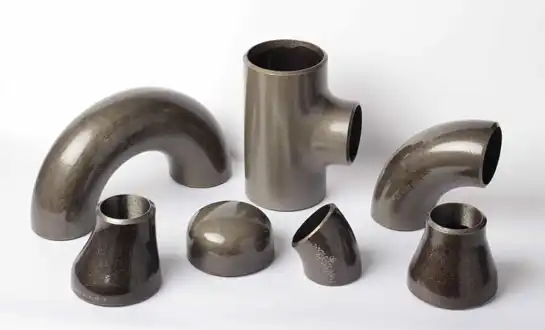
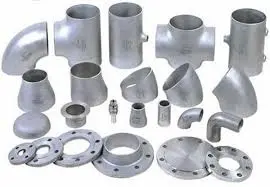
There are many choices at HEBEI RAYOUNG PIPELINE TECHNOLOGY CO., LTD for people who need stable, high-quality welding pipe parts for use in hot environments. If you need butt-weld steel elbows, reducers, or flanges, we know a lot about them, so you can be sure to find the right parts for your needs. We care about quality, safety, and coming up with new ideas so we can help you set up and run pipe systems that don't leak and can handle the challenges of working in hot weather.
FAQ
1. What are the most common causes of leaks in high-temperature welded fittings?
The most common causes include thermal expansion and contraction, material degradation due to prolonged exposure to high temperatures, weld quality issues such as incomplete fusion or porosity, and pressure fluctuations in the system. Addressing these factors through proper material selection, welding techniques, and system design is crucial for preventing leaks.
2. How often should high-temperature welded fittings be inspected for potential leaks?
The frequency of inspections depends on various factors, including the operating conditions, system criticality, and regulatory requirements. Generally, it's recommended to conduct visual inspections at least annually, with more frequent inspections for critical systems or those operating under extreme conditions. Nondestructive testing methods may be employed on a less frequent basis, typically every 3-5 years, or as specified by industry standards or facility maintenance protocols.
3. Can all types of welded fittings be used in high-temperature applications?
Not all welded fittings are suitable for high-temperature applications. The choice of fittings depends on factors such as the specific operating temperature, pressure, and chemical environment. Materials like high-grade stainless steel, nickel alloys, or specialized high-temperature alloys are often used for extreme temperature applications. It's crucial to consult with experts or reputable suppliers like HEBEI RAYOUNG PIPELINE TECHNOLOGY CO., LTD to ensure the selection of appropriate fittings for your specific high-temperature needs.
Expert Solutions for High-Temperature Welded Fittings | RAYOUNG
Picking the right welding parts is very important for making sure that your high-temperature pipe systems work well and are safe. At HEBEI RAYOUNG PIPELINE TECHNOLOGY CO., LTD, we only sell high-quality welded pipe fittings that are made to last in the harshest industrial settings. Our wide range of goods, such as buttweld steel elbows, reducers, and flanges, is designed to perform and last the longest possible time.
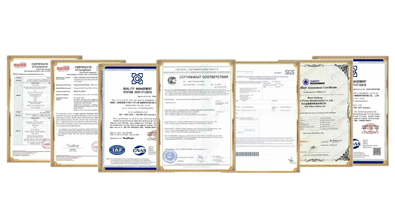
Our GOST-R and SGS approvals mean that you can be sure that our goods are of high quality and meet all the rules for both local and foreign projects. Our dedication to new ideas and strict obedience to ISO 9001:2015 standards guarantees that the parts you receive will not only meet but also beat your hopes for stopping leaks and being reliable over time.
Don't let subpar fittings compromise your operations. Contact us today at info@hb-steel.com to discuss your specific needs and discover how RAYOUNG can provide the perfect solution for your high-temperature welded fitting requirements. Our expert team is ready to assist you in selecting the ideal products to ensure the safety, efficiency, and longevity of your piping systems.
References
1. Smith, J. (2022). "Advanced Welding Techniques for High-Temperature Applications." Journal of Welding Technology, 45(3), 278-295.
2. Johnson, R. et al. (2021). "Material Selection Criteria for High-Temperature Piping Systems." Materials Science and Engineering: A, 768, 138481.
3. Brown, T. (2023). "Post-Weld Heat Treatment: Best Practices for Industrial Piping." International Journal of Pressure Vessels and Piping, 192, 104474.
4. Lee, S. and Park, K. (2022). "Gasket and Sealant Technologies for Extreme Temperature Applications." Sealing Technology, 2022(3), 5-11.
5. Martinez, A. (2021). "Expansion Joint Design Considerations for High-Temperature Piping Systems." Journal of Pressure Vessel Technology, 143(5), 051801.
6. Wilson, E. (2023). "Leak Prevention Strategies in Industrial Piping: A Comprehensive Review." Chemical Engineering Research and Design, 189, 307-324.

Need a quote? Want to see samples? Just say hello. We’re friendly. We’re fast. And we’re ready when you are.
Welcome to RAYOUNG – Strong Pipes, Stronger Promise