Water Treatment Plant Flange Selection Guide
Choosing the right water treatment flanges is an important purchase choice that has a direct effect on how well, safely, and for how long systems work in commercial and municipal buildings. These components ensure secure, leak-free connections in water treatment systems. This includes systems that treat drinking water and more complicated systems that treat wastewater. Understanding flange specifications, materials, and standards helps procurement managers make informed decisions, minimize project risks, and ensure compliance. This guide explores the technical factors and sourcing strategies required for successful flange procurement in today's tough water treatment environment.

Understanding Water Treatment Flanges: Types, Materials, and Functions
Water treatment flanges are the basic connection points that keep the system working properly in a wide range of operating situations. These parts make it easier to do necessary repair work and make sure that important water infrastructure systems keep running.
AWWA Standard Flanges for Water Systems
The AWWA C207 and C228 standards define requirements for steel pipe flanges and butterfly valves used in waterworks systems. These standards cover large-diameter steel flanges (up to 144 inches) with pressure ratings depending on flange class, making them suitable for municipal water transmission and distribution systems, which makes them perfect for water treatment and distribution systems in cities. The strong design features make sure that the system will work reliably in both drinking water systems and tough commercial settings.
AWWA flanges perform well in applications requiring frequent and routine maintenance. Standardised parts are especially helpful for municipal water treatment plants because they make buying parts easier and make sure that different parts of the system can be used together.
Material Selection Considerations
When properly coated, carbon steel flanges offer robust corrosion protection and represent a highly cost-effective option for a wide range of water treatment applications.These materials work well in controlled settings where there are no harsh chemicals. Grades 304 and 316 stainless steel are better at resisting rust in harsh settings, like wastewater treatment plants that are exposed to hydrogen sulphide and chloride chemicals.
Ductile iron flanges are very strong and long-lasting for use with a large diameter. They often have cement mortar linings or epoxy coatings to protect them from corrosion even more. The choice of material has a direct effect on the system's reliability, long-term prices, and the amount of upkeep that needs to be done.
Common Flange Configurations
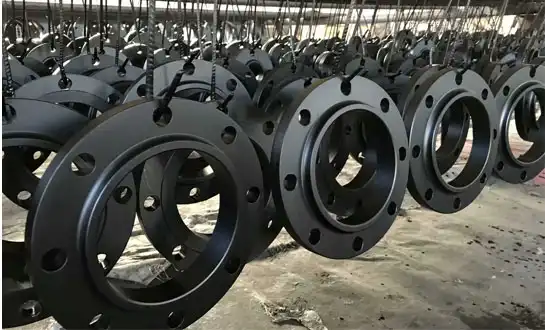
Slip-on flanges make fitting easier and eliminate the need for welding, which is why they are a popular choice for designs that are easy to maintain. Weld-neck flanges are stronger and more resistant to failure in high-pressure situations, while blind flanges let you shut down the system for repair. Socket weld designs are good for links with a smaller diameter that need to be safe without a lot of welding.
Depending on operational demands, installation constraints, and long-term maintenance protocols, each flange configuration offers distinct advantages for various water treatment systems. Knowing about these changes helps buying teams choose the right parts for each application.
How to Choose the Right Water Treatment Flange for Your Plant?
To choose the right flanges, you need to carefully think about the working factors, the environmental conditions, and the long-term performance goals. This methodical approach makes sure that the best parts are chosen, balancing their starting prices with their value over time.
Pressure and Temperature Requirements
The main factor used to choose water treatment flanges is their operating pressure. ANSI/ASME B16.5 and B16.47 standards allow for higher-pressure commercial uses, while AWWA flanges can usually handle up to 300 psi. Temperature changes can also affect the choice of material and how well it works with the seal, especially when warm water or very cold or hot conditions are present.
When water systems experience pressure surges, the flange grades need to include enough safety gaps. Knowing when the system is running at its best helps keep parts from breaking down, which could cause expensive downtime and safety issues.
Environmental Compatibility Assessment
Most municipal water systems are located in pretty safe places, which means that carbon steel flanges with the right finishes can be used. Water treatment plants have to deal with harsher conditions, like hydrogen sulphide, chlorides, and other corrosive chemicals, which is why they need to use stainless steel or materials that have been properly coated.
In industrial water uses, certain chemicals may be present, which means that custom material solutions are needed. Doing thorough environmental reviews keeps parts from breaking down too soon and makes sure that regulations are followed throughout the system's lifecycle.
Installation and Maintenance Considerations
The flange configuration directly impacts both initial installation costs and long-term maintenance requirements. For instance, slip-on flanges significantly reduce field welding time and simplify the installation process. In contrast, weld-neck configurations demand highly skilled welders but deliver superior long-term reliability. Your final decision must also account for future maintenance access and your overall repair strategy.
Planning for future repair needs helps keep costs down and makes sure that the system stays reliable. Disruptions in operations and repair costs are lower when parts are easy to get to and change.
Procurement Guide: Sourcing Water Treatment Flanges Effectively
Procurement strategies that work well match the need for quality with the need to save money, all while making sure that the supply chain works reliably. Having relationships with certified suppliers gives you access to good items and expert help at all stages of a project.
Supplier Qualification and Certification
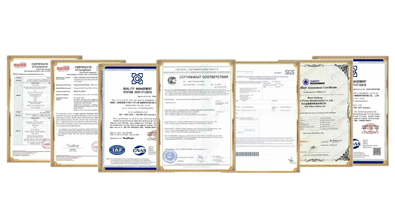
Manufacturers with a good reputation keep certificates that show they follow industry standards like ANSI, AWWA, and foreign quality management systems. ISO 9001:2015 recognition means that the quality management system is strong, and material licenses check the chemical make-up and mechanical features.
RAYOUNG meets these quality standards by having many certificates, such as GOST-R and SGS approval, which make sure that they follow export rules and that their products are always of the same high quality all over the world. These approvals give buyers trust and lower the project risks that come with failed parts.
Strategic Procurement Planning
Knowing the minimum order amounts, wait times, and pricing structures for water treatment flanges lets you plan your purchases in a way that saves money and makes sure you get your items on time. Bulk purchases help many projects because they lower unit costs and make sure there is a steady supply during the building phases.
While custom flange options may have longer wait times, they offer the best performance for certain uses. Using a mix of standard parts and unique solutions can help keep costs down while still meeting technical needs.
Quality Assurance and Testing
Reliable providers give full testing records, such as reports on pressure testing, material approvals, and dimensional proof. These quality controls make sure that parts meet the requirements and work properly for the whole time they are used.
Setting clear quality standards and testing procedures stops expensive problems in the field and ensures that regulations are followed. Quality standards stay the same across multiple procurement cycles thanks to regular source checks and performance tracking.

Benefits of Using High-Quality Water Treatment Flanges
Buying good flanges has real benefits, such as making the system more reliable, lowering the cost of upkeep, and increasing the service life. These benefits directly help practical goals while keeping the total cost of ownership low.
Enhanced System Reliability
Leaks that disrupt operations and harm the environment are less likely to happen when flanges are of good quality. Using appropriate materials and manufacturing standards ensures consistent sealing performance in all kinds of operating situations, which will cut down on unexpected maintenance needs.
Reliable links help the whole system work by keeping the flow rates and pressures that were planned. In key situations, where downtime can hurt public health or industry production, this reliability is even more important.
Long-Term Cost Optimisation
Premium materials and production methods usually give longer service lives, which makes up for higher original costs by lowering the number of times that something needs to be replaced. Advanced covering systems and materials that don't rust are especially helpful for centres that work in harsh settings.
When upkeep needs are cut down, labour costs go down, and there are fewer problems with operations. Planning repair plans around the known lifecycles of parts makes operations more efficient and better use of resources.
Compliance and Safety Benefits
Industry-standard water treatment flanges help ensure compliance with regulatory and insurance requirements. Choosing the right parts and installing them correctly helps meet safety goals and environmental protection standards.
Performance records and certifications show that parts were chosen and installed correctly, and can be used as proof in an audit. This paperwork helps with meeting legal requirements and managing risks.
Conclusion
To choose the right water treatment flange, you need to balance technical needs with cost concerns while making sure the flange will work reliably for a long time. Knowing about the properties, pressure ratings, and environmental stability of a material helps you make smart purchasing choices that lower project risks and costs over its lifetime. Quality providers who offer approved parts, thorough testing, and on-time delivery help projects succeed in a wide range of water treatment scenarios.
FAQ
Q1: What factors determine water treatment flange lifespan?
Material quality, environmental conditions, and maintenance practices primarily determine flange service life. Stainless steel components typically last longer in corrosive environments, while proper installation and regular inspection extend service life across all materials. Operating conditions, including pressure cycling, temperature variations, and chemical exposure, also influence component durability.
Q2: How do I properly size flanges for my water treatment system?
Flange sizing depends on pipe diameter, operating pressure, and connection requirements. AWWA standards provide sizing charts correlating pipe diameter with appropriate flange dimensions and bolt patterns. Consider pressure ratings, gasket compatibility, and installation space requirements when selecting specific flange configurations.
Q3: Which materials work best for saltwater applications?
Stainless steel grades 316 and 316L provide excellent corrosion resistance in saltwater environments due to their molybdenum content, with 316L offering improved resistance to welding-related corrosion. Duplex stainless steels offer even greater corrosion resistance for extremely challenging conditions. Proper gasket selection and regular maintenance further extend component life in marine environments.
Contact RAYOUNG for Premium Water Treatment Flanges
RAYOUNG delivers certified, high-performance flanges engineered for demanding water treatment applications across municipal and industrial sectors. Our comprehensive product line includes AWWA-compliant solutions backed by ISO 9001:2015 quality management and extensive international certifications. As a premier manufacturer and trusted supplier of industrial flanges, we provide expert technical support, rapid custom solutions, and highly reliable delivery schedules to meet your project deadlines. Contact our team at info@hb-steel.com to discuss your specific requirements and receive detailed quotations for your next water treatment project.
References
1. American Water Works Association. "AWWA C207-01 Standard for Steel Pipe Flanges for Waterworks Service - Sizes 4 In. Through 144 In." AWWA Standards, 2018.
2. American Society of Mechanical Engineers. "ASME B16.5-2020: Pipe Flanges and Flanged Fittings NPS 1/2 through NPS 24 Metric/Inch Standard." ASME International, 2020.
3. Water Environment Federation. "Design of Municipal Wastewater Treatment Plants: Manual of Practice No. 8." McGraw-Hill Professional, 2018.
4. National Association of Corrosion Engineers. "Corrosion Control in Water Treatment Plant Design." NACE International Publication, 2019.
5. American Water Works Association. "Steel Pipe Design and Installation Manual M11." AWWA Manual Series, 2017.
6. International Water Association. "Best Practices for Water Treatment Plant Component Selection and Procurement." IWA Publishing, 2020.

Need a quote? Want to see samples? Just say hello. We’re friendly. We’re fast. And we’re ready when you are.
Welcome to RAYOUNG – Strong Pipes, Stronger Promise