Selecting Pipe Fittings for Acidic Environments
It is important to think about how well the materials work together, their chemical stability, and how safe they are to use when picking pipe fittings for acidic environments. Exposing conventional piping components to highly aggressive chemicals can lead to catastrophic failures. Such incompatibilities pose severe safety hazards, cause sudden system breakdowns, and result in highly expensive unplanned downtime. Industrial plants handling acids require specialised piping components that keep them strong even when they are near the acids. When choosing, acid concentration levels, temperature ranges, pressure needs, and long-term durability requirements are all thought through to make sure the best performance in tough situations.
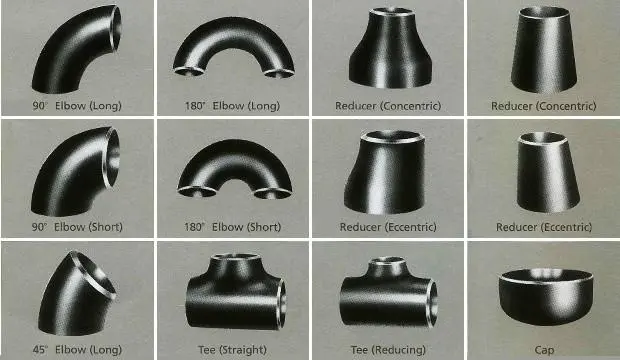
Understanding Pipe Fittings in Acidic Environments
The Critical Role of Corrosion-Resistant Components
Most conventional piping systems are unsuitable for industrial systems that deal with acidic media because they cause their own issues. Metal surfaces are damaged by acids through electrochemical corrosion reactions. This weakens joint connections over time and makes it more likely that something will go wrong. It helps engineers pick the right materials and design systems that resist premature failure when they know how these chemicals break things down.
Choosing the right parts depends on the acid type and the concentration being used. There are different kinds of things you need to think about when you use sulfuric acid instead of hydrochloric acid or nitric acid. These problems get worse when operating temperatures change, since high temperatures accelerate corrosion and last less long.
Common Materials for Acid-Resistant Applications
The first thing that needs to be done to make acid-resistant pipe systems work is to pick the right materials. There are pros and cons to each type of material that need to be carefully weighed against the needs of the business.
Some grades of stainless steel, like 316L and 904L, can stand up to many acids and still be strong. These alloys contain chromium, nickel, and molybdenum to make oxide layers that stop rusting. 316L offers improved resistance to chloride-induced corrosion because of its molybdenum content compared with standard 304 stainless steel grades.
Polymer-based materials such as PVC, CPVC, and specialized fluoropolymers offer exceptional chemical resistance against a wide spectrum of industrial acids across varying operating temperatures. These non-metallic alternatives are often significantly more cost-effective than exotic metal alloys while capably handling many highly corrosive chemicals. Pressure limits and thermal expansion characteristics must be thought about, though, when the system is being built.
Nickel-based alloys such as Hastelloy C-276 and Inconel 625 provide excellent corrosion resistance in many highly corrosive environments. When put under stress, these superalloys resist corrosion, stress cracking, and material degradation. The fact that their high reliability makes them perfect for situations with a lot at stake.
Connection Types and Their Acidic Environment Compatibility
How stable the system is in corrosive situations depends a lot on how the connections are designed. Threaded connections are flexible and simple to keep up, but they leave gaps where acids can gather and accelerate localised corrosion. For long-term success, it's important to pick the right thread sealants and materials.
With welded connections, you don't have to deal with threaded leak paths. However, they must be put in by a professional and cannot be changed later. Both socket-weld and butt-weld connections can be useful, but it depends on the size of the pipe and the operating pressure requirements. Heat-affected zones may exhibit different corrosion resistance characteristics after welding.
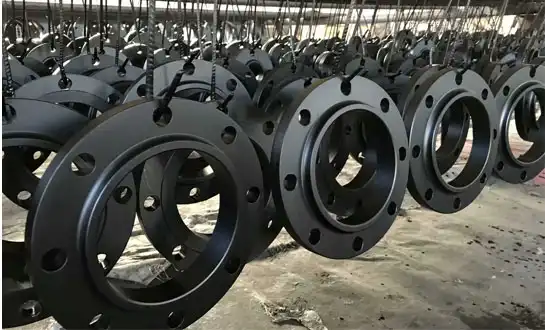
Flanged fittings can fit large pipes and make it easier to keep equipment in good shape. When picking out bolts and gaskets, you need to be very careful to avoid galvanic corrosion and keep the seal's integrity when it's in an acidic environment.
Criteria for Selecting Pipe Fittings in Acidic Environments
Operational Parameter Assessment
The first step in picking the right pipe fittings is to carefully look at how they will be used. To evaluate material compatibility, you must first know what kind of acid they are. There are various acids that eat away at and damage different materials in different ways. This directly impacts the selection of materials.
How well something works depends a lot on acid concentration. When it comes to materials, weak acid solutions might give you more choices, but when it comes to strong acids, you need to use solutions made from certain metals or polymers. When temperatures are different, concentration effects become more difficult, since high temperatures tend to accelerate corrosion.
The system pressure changes both the connection design and how thick the material needs to be. When the pressure is high, you need strong materials and ways to connect things that will stay put even when the pressure and rust are high.
Corrosion Resistance and Material Compatibility
There are many corrosion mechanisms, so you need to know about them all to evaluate corrosion resistance. If you look at the corrosion rate, you can tell what will happen. General corrosion occurs relatively uniformly across exposed surfaces. Some kinds of corrosion, like pitting and crevice corrosion, happen in small areas. These areas become highly concentrated attack zones and can quickly break the structure.
It's not just the primary fitting material that needs to be compatible with other materials. Screws, seals, and sealants are also part of it. Galvanic cells can form when dissimilar metals are electrically connected in a corrosive environment. These cells accelerate corrosion in one or more parts. All of the system's parts won't break down with regular use because the materials were carefully chosen.
Industry Standards and Compliance Requirements
This makes sure that all the parts of the system are safe, of good quality, and can work with each other. ASTM standards explain material specifications and how to test them to make sure they don't rust. ISO standards define dimensional and performance requirements used internationally.
The rules for making pressure tanks and pipe systems are set by the ASME codes and standards. There are safety factors and design margins in these guidelines that take into account how material degradation occurs over time. Insurance companies and officials both want people to follow the rules.
Manufacturer certifications are written proof that the materials are up to par and do what they're supposed to do. Having a third-party test and approve a product's specs makes it more reliable in the long run.
Total Cost of Ownership Analysis
The cost of goods is only one part of the total cost of owning something. The total cost of a project is affected by how often it needs to be maintained, replaced, and shut down. Higher-quality materials generally have higher prices because they last longer and need less maintenance.
What it takes and how much it costs depend on how hard the process is. When installing specialised materials, you may need trained professionals and certain sealing methods, which can make the job more expensive at first. But these purchases normally pay off because the equipment performs more reliably and needs less maintenance.
Comparing Pipe Fittings for Acidic Environments: Material and Type Analysis
Stainless Steel Versus Alternative Materials
Many times, stainless steel is the best choice for acidic environments because it is strong, resists corrosion, and is cheap. Grade 316L has more molybdenum than Grade 304L. This makes it stronger against chloride-containing environments and improves resistance to pitting corrosion in coastal areas.
Duplex stainless steels contain both austenitic and ferritic microstructures, which makes them stronger and less likely to rust than standard austenitic types. They're great for cases where they need to be able to handle high pressure and hold up against chemicals.
PVC and CPVC materials offer strong resistance to many corrosive chemicals, and they are much cheaper than metal choices. These thermoplastic materials resist many common acids while offering easy installation and modification capabilities. Temperature limitations restrict their use in high-temperature applications, but they excel in ambient and moderately elevated temperature services.
Threaded Versus Welded Connection Analysis
Threaded joints are better than welded ones when it comes to installation and maintenance. Standard NPT or BSPT threaded connections can be used to make a strong mechanical link as long as the right thread sealants are used. Threaded surfaces, on the other hand, have gaps where acids can gather and corrosion can accelerate.
Welded joints provide smooth, continuous internal flow paths that prevent acid accumulation and completely eliminate threaded leak paths. For smaller pipe diameters, socket welding offers excellent structural integrity and corrosion resistance. Conversely, larger high-pressure systems require precise full-penetration butt welding executed by certified professionals to ensure optimal joint quality.
Specialised Coatings and Surface Treatments
When improved surface methods are used on standard materials, they last longer in acidic environments. Fluoropolymer linings keep the structure's integrity while protecting base materials from chemicals. These coatings protect exposed substrates from aggressive acids that would otherwise attack them.
Passivation processes make stainless steel surfaces less likely to rust by getting rid of surface contaminants and encouraging the growth of protective layers. After electropolishing, surfaces are smooth. This keeps bacterial growth and makes them easier to clean in a safe way.
Chemical conversion coatings keep things safe during storage and assembly. Paint can also stick to other protective layers better with their help. It is especially helpful for carbon steel parts that are used in mildly corrosive environments to go through these steps.
Procurement Strategies for Acid-Resistant Pipe Fittings
Supplier Evaluation and Partnership Development
If you want to buy acid-resistant pipe fittings, you need to work with specialists who know how to deal with the problems that come with working in corrosive settings. Qualified suppliers give expert support, help with picking out materials, and provide documentation verifying proper material performance.
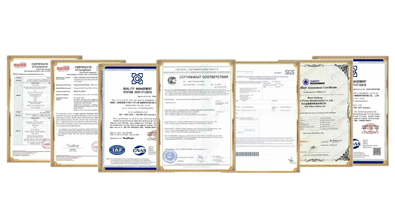
Customers know that a company's products will work well and be stable because they have quality processes and certifications. With ISO 9001 quality management systems, methods are written down, and steps are taken to make sure that continuous improvement is maintained. Material certifications verify that chemical composition and mechanical properties are checked to see corrosion resistance properties.
When a company has to finish a big job quickly, it helps to be close to each other and have a solid supply chain. For just-in-time building plans to work, producers need to have various places to store goods and good transportation networks in place.
Bulk Purchasing and Custom Manufacturing Options
Tips on how to buy in bulk can help you save a lot of money on materials while still making sure you have them for the whole job. Long-term supply deals keep prices stable and promise delivery times, which helps with planning and spending for projects.
Custom production lets you meet the exact needs of a job that regular products can't. There are times when you may need special alloys, non-standard sizes, and forms for certain machine links or process conditions.
Technical Documentation and Compatibility Verification
Having all the technical paperwork helps you pick the right materials and fit them correctly. The mechanical properties, temperature ranges, and corrosion resistance of a material are all listed on its material data sheet. You can determine suitable applications after reading this.
Compatibility guides really help you pick the right material because they show you how well it works with various types and amounts of acid. With these tools, you can quickly evaluate materials and see which ones need more work.
Making sure that the right joining methods and quality control measures are used is made possible by writing down installation steps and best practices. The welding method, the amount of torque needed, and testing standards are all spelt out so that mistakes in fitting don't happen and damage the system.
Best Practices for Installing and Maintaining Pipe Fittings in Acidic Environments
Installation Guidelines and Safety Protocols
Pipe fittings function better and last longer in corrosive environments when they are placed properly. Cleaning the surface gets rid of any dirt or dust that could stop joints from forming correctly or accelerate corrosion rates. It is best to join and make connections on surfaces that are clean and ready to go.
Crevices and stagnant areas in the joint are kept as small as possible so acids don't have a chance to form. Proper sealing methods and make sure the changes are smooth, acid won't build up and do much damage. Acid doesn't pool in pipe systems' low spots because of drainage features.
Installation inspections ensure that proper procedures are followed during installation and look for issues that could happen before the system starts up. A non-destructive test can find issues with joints and welds that aren't fully penetrated. Making sure the system works right when it's being used is done by pressure testing.
Maintenance and Inspection Protocols
When you do regular checks, you can find small signs of wear and tear before they become big problems. Discolouration on the surface, pitting, and joint leaks can all be seen with the naked eye. These are all signs of progressing corrosion. Ultrasonic thickness measurements can determine wall loss to find out how much is being lost and how long it will still be useful.
Maintenance plans that stop small problems from getting worse take care of them before they become big ones. To keep the structure of the system and make the parts last longer, you need to change the gaskets, tighten the bolts, and clean the surfaces. Keeping track of the results of inspections and maintenance work helps make things more reliable.
Chemical tracking tools keep an eye on how much acid and other contaminants are present, as they can change corrosion rates. Problems with the process and contamination can make materials break down much faster. Fixing the problem before it gets worse costs a lot of money, so getting notice early is important.
Common Installation Pitfalls and Solutions
There are galvanic corrosion cells that accelerate the corrosion of connected components when they are mixed. Materials that don't work well together stay away from each other by carefully choosing which ones to use and how to separate them. Insulating seals and coatings, which act as barriers, stop galvanic effects.
If heat is applied to welding parts in the wrong way, corrosion resistance can go down in the areas that are heated. Through solution annealing, the best microstructure and rust protection are brought back. To get the right results, you must follow the steps for post-weld heat treatment exactly.
Stress builds up when support and control systems don't work right, which can cause stress corrosion cracking. With the right pipe supports and expansion joints, thermal expansion can occur without putting too much pressure on them. As you plan, stress analysis looks for places where issues could arise.
Conclusion
There are different types of pipe fittings for acidic environments. You need to think about the material, how it will be used, and how well you think it will last. To make a project successful, the costs of the project itself are weighed against the total costs of ownership, with safety and dependability coming first. How well the parts are put together, how well they connect, and how well they work together all have a big impact on how well the system works and how long it lasts. Equipment lasts longer and doesn't break down as often when it's well taken care of. It's best to work with suppliers who know a lot about the business and follow the best practices when you're in a harsh or corrosive environment.
FAQ
Q1: What materials work best for hydrochloric acid applications?
Dilute hydrochloric acid at low temperatures may be compatible with 316L stainless steel under limited conditions, but hydrochloric acid is generally aggressive toward stainless steels. To work with strong hydrochloric acid, you need certain metals, like Hastelloy C-276, or polymers, like PVC and CPVC. The temperature and concentration levels tell you which material is best.
Q2: How do I determine the right pressure rating for acidic service?
Mechanical wear and corrosion must both be taken into account in the pressure values over the life of the design. For new materials, standard pressure ratings are used. But over time, corrosion allowances reduce effective wall thickness. Read the rules and standards that apply to learn about safety factors and corrosion allowances.
Q3: Can standard carbon steel fittings be used with weak acids?
Carbon steel generally performs poorly in many acidic environments, even at relatively low acid concentrations. Coatings or linings made of special materials may protect for a short time, but stainless steel or polymer materials offer better long-term reliability. Cost savings from using carbon steel rarely justify the increased maintenance and replacement expenses.
Partner with RAYOUNG for Your Acid-Resistant Piping Solutions
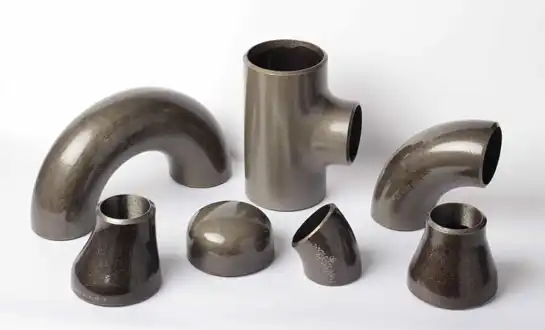
RAYOUNG delivers comprehensive pipe fittings solutions engineered specifically for acidic environments and demanding industrial applications. Our extensive product portfolio includes corrosion-resistant buttweld steel elbows, specialised reducers, and acid-resistant flanges manufactured to the highest quality standards. Our manufacturing processes are designed to support consistent quality and reliable performance in accordance with relevant international standards. Contact our technical specialists at info@hb-steel.com to discuss your specific requirements and discover how our proven pipe fittings manufacturer expertise can optimise your project outcomes.
References
1. ASTM International. "Standard Specification for Corrosion-Resistant Iron-Chromium-Nickel Alloy Castings for Severe Service." ASTM A744/A744M-18.
2. NACE International. "Materials Requirements for Sulfuric Acid Service." NACE Standard MR0175/ISO 15156-3.
3. American Society of Mechanical Engineers. "Process Piping Code for Pressure Piping." ASME B31.3-2018.
4. National Association of Corrosion Engineers. "Corrosion Control in Petroleum Production." NACE Publication 5A174.
5. Materials Technology Institute. "Guidelines for Selecting Metallic Materials for Sulfuric Acid Service." MTI Publication No. 17.
6. Corrosion Science Society. "Handbook of Corrosion Resistant Materials for Chemical Process Industries." Second Edition, Industrial Press.

Need a quote? Want to see samples? Just say hello. We’re friendly. We’re fast. And we’re ready when you are.
Welcome to RAYOUNG – Strong Pipes, Stronger Promise