Top Pipe Flange Types Every UAE Buyer Should Know
Understanding the various pipe flange types available in today's industrial market is crucial for successful project execution in the UAE's demanding industrial environment. Industrial buyers must navigate through multiple flange configurations to ensure optimal performance, safety compliance, and cost-effectiveness. Each flange type serves specific applications, from high-pressure oil and gas operations to water distribution systems across commercial and residential projects. The selection process involves evaluating pressure ratings, temperature requirements, and material compatibility to minimize project risks and ensure long-term operational reliability in the region's challenging conditions.
Understanding Pipe Flanges – Types, Uses, and Standards
Pipe flanges serve as critical connection points in piping systems, enabling secure joints while allowing for easy maintenance and system modifications. These mechanical components provide leak-proof sealing capabilities that are essential for safe fluid transportation across various industrial applications. The fundamental design of flanges incorporates bolt holes and gasket surfaces that create reliable connections between pipe sections, valves, and equipment.
Essential Functions and Classifications
Modern industrial applications rely on flanges to perform multiple functions simultaneously. The primary purpose involves creating detachable connections that maintain system integrity under varying operational conditions. Flanges enable quick disassembly during maintenance procedures, reducing downtime and operational costs significantly. The classification system for these components considers factors such as pressure ratings, temperature capabilities, and material composition. Industrial standards play a vital role in ensuring global compatibility and safety compliance. ASME B16.5 standards govern most North American applications, while DIN standards are prevalent in European markets. The ASME Boiler and Pressure Vessel Code references flange standards for pressure-bearing applications. These standards specify dimensional requirements, material properties, and testing procedures that guarantee consistent performance across different manufacturers and applications.
Material Selection and Specifications
The choice of flange material directly impacts system performance and longevity. Carbon steel flanges offer excellent strength-to-cost ratios for general applications, while stainless steel variants provide superior corrosion resistance in aggressive environments. Alloy steel flanges deliver enhanced performance characteristics for high-temperature and high-pressure applications common in petrochemical facilities. Material traceability becomes particularly important in critical applications where failure could result in significant safety or environmental consequences. Full Material Test Certificate documentation ensures complete accountability throughout the supply chain. This documentation tracks material composition, pipe flange types, mechanical properties, and manufacturing processes from raw material sourcing through final inspection procedures.
Top 7 Pipe Flange Types and Their Best Applications
The industrial market offers numerous flange configurations designed to meet specific operational requirements. Understanding the characteristics and optimal applications of each type enables informed decision-making during the procurement process. The following analysis examines the most commonly specified flange types across industrial applications.
Weld Neck Flanges for High-Pressure Applications
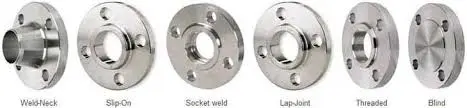
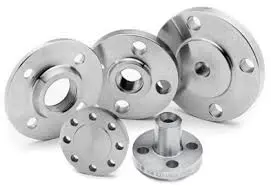
Weld neck flanges incorporate a long tapered hub that provides exceptional reinforcement at the pipe connection point. This design feature distributes stress evenly across the joint, making these flanges ideal for high-pressure and high-temperature applications. The seamless transition from pipe to flange eliminates stress concentration points that could lead to premature failure. The welding process for weld neck flanges requires skilled technicians and proper procedures to ensure joint integrity. The full penetration weld creates a connection that matches the strength characteristics of the base pipe material. This configuration is particularly valuable in critical applications where system failure could result in significant safety or environmental consequences.
Slip-On Flanges for Installation Efficiency
Slip-on flanges feature a larger internal diameter that allows them to slide over the pipe end before welding. This design simplifies installation procedures and reduces labor costs compared to more complex flange types. The dual welding approach involves both internal and external welds that secure the flange to the pipe. Installation flexibility makes slip-on flanges popular for moderate-pressure applications where ease of assembly is prioritized. The alignment process becomes straightforward since the flange can be positioned after pipe installation. However, the dual welding requirement increases installation time compared to single-weld configurations.
Socket Weld Flanges for Small Diameter Lines
Socket weld flanges incorporate a recessed socket that accepts the pipe end, creating a strong mechanical connection through fillet welding. This design is particularly effective for small-diameter piping systems where full penetration welding may be challenging. The socket provides positive positioning during the welding process, ensuring consistent joint quality. The strength characteristics of socket weld connections make them suitable for high-pressure applications in smaller pipe sizes. The fillet weld configuration creates a smooth internal profile that minimizes turbulence and pressure drop. This feature becomes important in applications where flow efficiency directly impacts system performance.
Blind Flanges for System Termination
Blind flanges serve as solid barriers that seal pipe ends or provide access points for future system extensions. These components are essential for pressure testing procedures and long-term system isolation. The solid design eliminates the need for additional closure mechanisms while maintaining full pressure ratings. Quality blind flanges incorporate proper material thickness and reinforcement to withstand system pressures safely. The gasket surface finish must meet the same standards as mating flanges to ensure reliable sealing. Many applications specify blind pipe flange types with removable centers that can be machined out when future connections become necessary.
Threaded Flanges for Low-Pressure Systems
Threaded flanges eliminate welding requirements through mechanical thread connections. This design is particularly valuable in applications where hot work restrictions prevent welding operations. The installation process involves threading the flange onto prepared pipe ends using appropriate thread sealants. The pressure limitations of threaded connections restrict their use to lower-pressure applications. Thread engagement length and quality directly impact the joint's pressure capability and long-term reliability. Regular inspection schedules become important to monitor thread integrity and detect potential leakage paths.
Lap Joint Flanges for Alignment Flexibility
Lap joint flanges consist of two components: a stub end welded to the pipe and a loose backing flange. This configuration allows rotational adjustment during installation, simplifying bolt hole alignment in complex piping arrangements. The design is particularly valuable when connecting to fixed equipment with predetermined flange orientations. The economic advantages of lap joint systems become apparent in applications requiring multiple flange orientations from similar pipe materials. The stub ends can be fabricated from expensive alloy materials, while the backing flanges use lower-cost carbon steel. This approach optimizes material costs while maintaining corrosion resistance at critical surfaces.
Comparative Analysis for Procurement Decisions
Welded flange types generally provide superior strength and reliability compared to threaded alternatives, but require skilled labor and hot work permits. The initial cost difference becomes less significant when considering long-term maintenance requirements and reliability factors. Threaded flanges offer installation flexibility but may require more frequent inspection and maintenance schedules. Performance evaluation must consider the complete lifecycle costs, including initial procurement, installation, maintenance, and potential failure consequences. High-consequence applications typically justify premium flange types that provide enhanced reliability and reduced maintenance requirements.
How to Select the Right Pipe Flange Type for Your Project
Successful flange selection requires a comprehensive evaluation of operating conditions, performance requirements, and economic considerations. The decision process involves analyzing multiple factors that influence both short-term installation success and long-term operational reliability. Understanding these selection criteria enables procurement professionals to make informed decisions that optimize project outcomes.
Operating Conditions Assessment
Pressure and temperature requirements are what guide choices about which flanges to use. Operating pressures need to have safety gaps that take system changes and possible overpressure situations into account. Temperature cycling can cause thermal stress that weakens joints over time. This is especially true in systems that start up and shut down often. The characteristics of the media being moved have a big effect on the choice of material and the compatibility of the gasket. To make sure long-term dependability, corrosive chemicals need special materials or protective coatings. When working with abrasive materials, you might need surfaces that are harder or gasket materials that don't wear down easily and keep their binding power.
Standards Compliance and Compatibility
International norms are what make sure that everything works together and is safe around the world. In North America, most markets follow ANSI/ASME standards. In other parts of the world, most markets follow DIN and JIS standards. During the choosing process, it is important to make sure that the flanges fit together properly and follow all relevant pressure vessel codes. The requirements for the materials must match the needs of the job and the rules in the area. For general uses, carbon steel flanges are a cost-effective option, while stainless steel versions offer better protection against corrosion. For extreme service conditions or certain chemical compatibility needs, you may need to use specialized metals.
Economic Optimization Strategies
The total cost of ownership includes more than just the initial purchase price. It also includes the costs of installation, upkeep, and any problems that might happen. Premium flange types may be worth the extra money because they last longer and need less maintenance, which can explain their higher initial costs. The economic study should look at the whole project lifecycle and what might happen if something goes wrong with the system. Strategies for buying in bulk can save a lot of money on big projects that need standard pipe flange types. Custom manufacturing choices let you get the best results for certain uses, but they may come with longer lead times and higher minimum order quantities. The plan for buying things has to find a balance between lowering costs and meeting performance and schedule requirements.
UAE Application Case Study
The UAE's oil and gas system has its own problems that affect the choice of flange. Coastal sites have to be careful about what materials they use and how they are protected because the air is hot and the environment is corrosive. Because of the high temperatures and hydrogen sulfide exposure in sour gas uses, special materials and better inspection methods are needed. High saltiness and changes in temperature make it hard for water distribution systems all over the UAE. For long-term dependability, materials that don't rust become necessary, and temperature expansion affects the design requirements for joints. When choosing flange types and materials, the selection process must take into account the local climate and the ability to maintain the structure.
Procurement Insights – Finding Reliable Pipe Flange Suppliers in the UAE
In order to make good procurement plans, you need to know the pros and cons of each type of supplier. The UAE market lets you work with both local distributors and foreign manufacturers. Each has its own benefits that can help you with different projects. For procurement to go well, the skills of the seller must be matched with the needs of the project, and costs and delivery times must be optimized.
Local Distribution Networks vs. Global Manufacturing
Standard flange types and sizes that are widely used in regional applications can be bought right away from local distributors. These suppliers keep enough stock on hand to meet quick shipping deadlines and replace items that break down in an emergency. Because they are close, they can have face-to-face technical talks and act quickly on changes to the project or urgent needs. International companies make a wider range of products and can tailor their services to specific needs. Having direct relationships with manufacturers gives you access to technical knowledge and engineering help throughout the whole process of buying something. Quality control systems in factories make sure that the quality of the products is always the same and that there is enough information for important uses.
Strategic Sourcing Approaches
When it comes to big projects with standard needs, bulk buying can save you a lot of money. Suppliers can make the best use of production schedules and pass on cost savings to customers when they make volume promises. The method needs the procurement and engineering teams to work together carefully to make sure that specifications are standardized as much as possible without affecting performance. When it comes to specific uses or measurements, being able to make things to order is very useful. Leading suppliers provide engineering help to make designs work better for certain uses while still meeting all standards. The custom method has longer lead times, but it can be the best way to solve tough problems.
Quality Assurance and Documentation
Material Test Certificates provide comprehensive documentation of material properties and manufacturing quality. Full traceability systems track materials from raw material sourcing through final inspection and testing. This documentation becomes essential for critical applications where regulatory compliance and long-term reliability are paramount. Third-party inspection services offer independent verification of product quality and compliance with specifications. These services become particularly valuable for large projects or critical applications where product failure could result in significant consequences. The inspection process provides confidence in supplier capabilities and product quality before delivery to project sites.
Conclusion
When choosing the right pipe flange types, you need to think carefully about the conditions of use, the performance needs, and the factors that affect long-term dependability. The industrial climate in the UAE has its own problems that affect the choice of materials and design requirements. Knowing the features and best uses of various flange types helps you make smart purchasing choices that lower project risks and raise overall costs over the project's lifetime. RAYOUNG's wide range of products and technical know-how make solid solutions for many industrial uses, making sure they meet international standards and perform exceptionally well in tough conditions.
FAQ
1. What criteria determine the best flange type for high-pressure applications?
High-pressure applications require careful evaluation of several critical factors. Weld neck flanges typically provide the best performance for elevated pressures due to their reinforced hub design and full penetration weld requirements. The pressure rating must exceed maximum operating pressures by appropriate safety margins. Material selection becomes crucial, with higher-strength alloys often necessary for extreme pressure conditions. The gasket type and facing configuration must match pressure requirements, with RTJ facing typically preferred for the highest pressures.
2. How can I identify existing flange materials and types in operational systems?
Material identification requires systematic inspection and testing procedures. Visual examination can reveal obvious characteristics such as flange type and facing configuration. Material testing using portable XRF analyzers provides accurate chemistry identification for stainless steels and other alloys. Magnetic testing helps distinguish between austenitic stainless steels and carbon steel materials. Documentation review of original construction specifications provides definitive identification when available.
3. Can flanges be customized for specialized industrial applications?
Custom flange manufacturing is readily available for unique applications that standard products cannot accommodate. Specialized dimensions, non-standard materials, and unique facing configurations can be produced to meet specific requirements. The customization process typically involves engineering review to ensure compliance with applicable standards and codes. Lead times for custom products are longer than standard items, requiring early identification during project planning phases.
Contact RAYOUNG for Premium Pipe Flange Types
RAYOUNG delivers exceptional pipe flange types solutions tailored to your specific industrial requirements. Our comprehensive range of ANSI, DIN, and JIS standard flanges features precision CNC-machined surfaces and full MTC traceability for critical applications. Whether you need standard configurations or custom solutions, our expert technical team provides personalized guidance to ensure optimal performance and reliability. Bulk order discounts and flexible manufacturing capabilities support projects of all sizes. Connect with our pipe flange types manufacturer today at info@hb-steel.com to discuss your requirements and receive detailed technical specifications that meet your exact project needs.
References
1. American Society of Mechanical Engineers. "ASME B16.5 Pipe Flanges and Flanged Fittings: NPS 1/2 Through NPS 24 Metric/Inch Standard." ASME International, 2020.
2. Deutsches Institut für Normung. "DIN EN 1092-1 Flanges and Their Joints - Circular Flanges for Pipes, Valves, Fittings and Accessories." DIN Standards, 2018.
3. Japanese Industrial Standards Committee. "JIS B 2220 Steel Pipe Flanges." Japanese Standards Association, 2019.
4. Smith, Robert K. "Industrial Piping Systems: Design, Installation, and Maintenance." McGraw-Hill Professional, 2021.
5. Johnson, Michael A. and Davis, Sarah L. "Corrosion Resistance in Industrial Flange Applications." Journal of Materials Engineering and Performance, Vol. 30, 2021.
6. Anderson, James P. "Economic Analysis of Pipe Flange Selection in Oil and Gas Applications." Petroleum Engineering International, 2020.

Need a quote? Want to see samples? Just say hello. We’re friendly. We’re fast. And we’re ready when you are.
Welcome to RAYOUNG – Strong Pipes, Stronger Promise