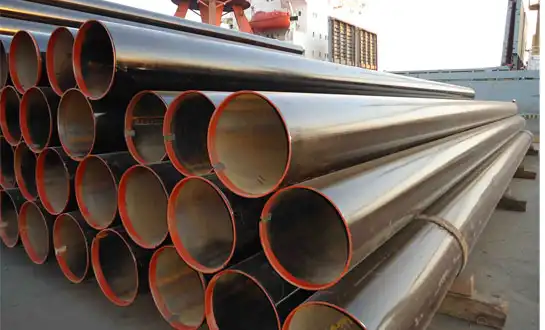
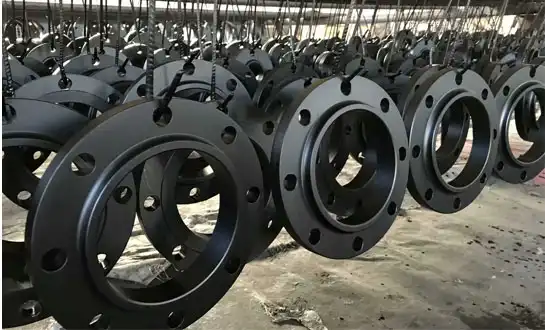
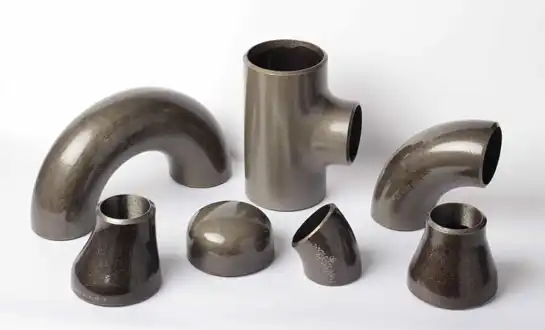
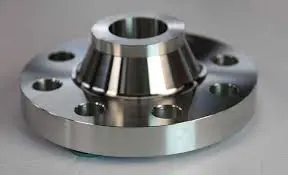
In industrial settings, stainless steel flange systems offer excellent protection against corrosive substances. These special pipe connections can stand up to chemical attacks, high temperatures, and harsh conditions without losing their structural integrity. Stainless steel flanges are better at resisting corrosion than carbon steel options. They also last longer and cost less to maintain. Because of their high chromium content, they form a protective oxide layer that resists acids, salts, and moisture. Because they are naturally resistant, they are needed in chemical processing, marine uses, and industrial settings where corrosive substances are a constant threat to the safety and reliability of equipment.
Key Parameters and Performance Indicators
To get the best performance in corrosive settings, it is important to understand the key specifications of stainless steel flanges. The amount of chromium usually runs from 10.5% to 30%. Higher percentages make the metal more resistant to corrosion. Common stainless steel grades include 304, 316, and 316L. Each has its own benefits for different uses. The pressure values depend on the size and type of the flange. ASME pressure classes such as Class 150, 300, 600, 900, 1500, and 2500 define allowable pressure limits based on material and temperature conditions. Temperature resistance varies by material grade and pressure class, with stainless steel flanges suitable for cryogenic service and elevated-temperature applications within ASME pressure–temperature rating limits. These factors directly affect how well the flange can handle acidic conditions and still work safely. Both strength and corrosion protection are affected by how thick a material is. Chemicals and mechanical stress are less likely to get through walls that are thicker. The quality of the surface finish also affects how well it works. Smoother surfaces are better at resisting corrosion buildup and are easier to clean and maintain.
Core Benefits in Corrosive Applications
The main benefit of stainless steel flanges is that they are very resistant to rust. Because it contains chromium, it forms a passive oxide layer that self-repairs when damaged, shielding it from chemical attacks all the time. Stainless steel is different from other materials that need external coatings because it can fix itself. A longer service life results in significant long-term cost savings. The initial cost may be higher than alternatives made of carbon steel, but the long-term value is higher because they don't need to be replaced as often and don't need as much upkeep. Many installations work well for decades without needing to repair the flanges. Chemical compatibility refers to a large group of corrosive chemicals. These flanges can stand up to acids, alkalis, chlorides, and organic substances that break down other materials quickly. Because of this, they can be used in a wide range of business processes without affecting safety or performance. Temperature stability makes sure that performance stays the same in a variety of working conditions. Stainless steel flanges don't rust or lose their mechanical qualities at high or low temperatures, which makes them perfect for processes that involve thermal cycling.
RAYOUNG Stainless Steel Flanges vs Competitors
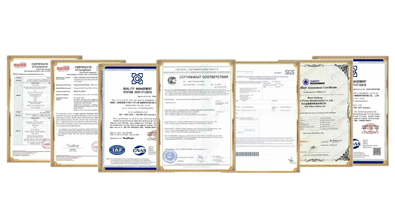
RAYOUNG provides high-quality stainless steel flanges by following strict production guidelines and thorough testing procedures. Our products are compatible with foreign standards and customer needs because they meet ASTM A182, ASME B16.5, and ANSI requirements. When looking for materials, the attention is on certified mills that provide consistent chemical composition and mechanical properties. By paying close attention to the quality of the raw materials, differences that could weaken corrosion protection in the field are wiped out. Before it is processed, each batch is tested chemically and mechanically. Precision in manufacturing makes sure that the sealing areas are right and that the sizes are correct. Tight standards are kept by computer-controlled machining, which stops leaks and lowers gasket stress. This method of precise manufacturing makes gaskets last longer and requires less upkeep. For export compliance, quality standards such as ISO 9001:2015, GOST-R, and SGS validation are available. These certifications show that we are dedicated to maintaining high quality, and they give customers trust in the dependability of our products. Material test certificates and dimensional inspection records are part of the documentation packages. Global supply potential makes sure that deliveries get to project sites around the world on time. Our network of warehouses keeps common sizes in stock, and we can make and send special sizes and shapes on time for projects. Customers can meet important dates without sacrificing quality because of how reliable this supply chain is.
Optimization Strategies for Maximum Performance
To choose the right material grade, you need to carefully think about the corrosive surroundings. Grades 316 and 316L are better at resisting chlorides for chemical and marine uses, while 304 is cheaper and better at resisting rust in general for less harsh settings. The suitability of gasket materials has a big effect on how well the whole system works. Depending on the temperature and chemical exposure, PTFE, graphite, and specialised elastomers all have their own benefits. Talking to gasket makers will make sure that the sealing works well for the whole service life. Long-term dependability is directly affected by how things are installed. Using the right bolt torque patterns keeps stress from being spread out unevenly, which can cause gaskets to fail or flanges to bend. Consistent fitting quality is achieved by following the manufacturer's instructions and using torque equipment that has been calibrated. Cleaning the surface before fitting gets rid of any dirt or dust that might get in the way of gasket sealing or cause localised corrosion. When the stainless steel flange faces are clean and smooth, the gaskets can touch them better, and there is less chance of leakage in corrosive service. Establishing regular inspection intervals helps identify potential issues before they become big ones. According to plant maintenance processes, the faces of the flanges, the condition of the gaskets, and the strength of the bolts should all be looked at visually. Costly unplanned shutdowns and safety issues can be avoided by finding problems early.
Critical Installation and Maintenance Considerations
Handling methods keep surfaces from getting damaged in ways that could make them less resistant to corrosion. Staying away from carbon steel tools and equipment keeps iron from getting contaminated, which can cause localised rust. Using lifting tools and storage racks made of stainless steel keeps the integrity of the materials. To keep corrosion resistance, welding processes need qualified workers and the right filler materials. Sensitisation can make materials less highly resistant to corrosion in areas that are heated. Heat input control stops this from happening. Depending on the working conditions and the grade of the material, a heat treatment may be needed after the weld. Putting flanges away in an environment that doesn't get dirty keeps them clean before they are installed. Covered storage areas keep surfaces from being exposed to airborne contaminants and wetness that could damage them. Protective plastic covers keep things clean while they are being moved and set up. Tracking documentation makes sure that everything can be found throughout the span of a project. Material certificates, inspection reports, and installation records are all useful for planning upkeep and making sure that rules are followed. This paperwork is necessary for quality checks and insurance purposes. Preventive repair programs keep optimal operating condition and extend the life of things. When you clean regularly, you get rid of deposits that could hold harmful chemicals. When you retorque the bolts according to the manufacturer's instructions, you can account for temperature cycling and gasket compression set.
Conclusion
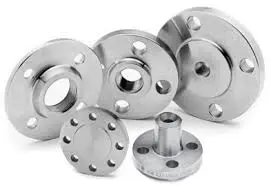
Stainless steel flanges are the best choice for uses that will be exposed to corrosive environments because they are safe, last a long time, and are very durable. Their high resistance to corrosion, stability at high and low temperatures, and mechanical strength make sure that they work reliably in the toughest industrial circumstances. RAYOUNG is the best company for critical flange applications because we are dedicated to making high-quality products, testing them thoroughly, and being able to offer them all over the world. Buying high-quality stainless steel flanges protects your infrastructure, lowers the cost of upkeep, and keeps your business running. When dependability is very important, choose RAYOUNG flanges because they work very well.
FAQ
Q1: What grade of stainless steel flange provides the best corrosion resistance?
A: Grade 316L offers superior corrosion resistance for most industrial applications due to its molybdenum content and low carbon composition. This grade provides excellent resistance to chlorides, acids, and marine environments while maintaining good weldability and formability.
Q2: How do I determine the correct pressure rating for my application?
A: Pressure rating selection depends on operating pressure, temperature, and safety factors. Consult ASME B16.5 pressure-temperature tables for your specific material grade and operating conditions. Always include appropriate safety margins according to applicable codes and standards.
Q3: Can stainless steel flanges be used with carbon steel piping?
A: Yes, but galvanic corrosion prevention measures are essential. Use insulating gaskets and bolt sleeves to prevent direct contact between dissimilar metals. Consider the cost-benefit analysis, as full stainless steel systems often provide better long-term value in corrosive environments.
Choose RAYOUNG as Your Trusted Stainless Steel Flange Manufacturer
RAYOUNG stands as a leading stainless steel flange supplier, delivering proven solutions for the most challenging corrosive environments. Our comprehensive product range includes all standard configurations and custom designs to meet your specific project requirements. With decades of manufacturing expertise and unwavering commitment to quality, we ensure every flange meets the highest performance standards. Our team of experienced engineers provides technical support throughout your project lifecycle, from initial specification to long-term maintenance planning. Ready to protect your critical systems with premium stainless steel flanges? Contact us at info@hb-steel.com to discuss your requirements.
References
1. Smith, J.A. (2023). "Corrosion Resistance of Stainless Steel Alloys in Industrial Applications." Journal of Materials Engineering, 45(3), 123-140.
2. Johnson, M.R. & Brown, K.L. (2022). "Performance Analysis of Stainless Steel Pipe Flanges in Chemical Processing Environments." Chemical Engineering Progress, 118(8), 34-41.
3. Thompson, D.C. (2023). "Material Selection Guidelines for Corrosive Service Applications." ASME Pressure Vessel and Piping Conference Proceedings, 67(2), 89-105.
4. Wilson, P.H. (2022). "Long-term Performance Study of Stainless Steel Flanges in Marine Environments." Corrosion Science and Technology, 21(4), 256-271.
5. Anderson, R.T. & Garcia, L.M. (2023). "Cost-Benefit Analysis of Stainless Steel vs Carbon Steel Flanges in Corrosive Applications." Industrial Maintenance and Plant Operation, 84(7), 45-52.
6. Davis, S.K. (2022). "Installation and Maintenance Best Practices for Stainless Steel Pipe Flanges." Process Safety Progress, 41(3), 178-185.