Steel Pipe Flange Welding Tips for Stronger Connections
Getting solid flange welding connections is a key part of keeping industrial steel pipe systems safe and intact. When you weld flanges to pipes, the quality of the link has a direct effect on how well the system works, how well it stops leaks, and how much it costs to run in the long run. When you use the right flange welding methods, your joints will be able to handle high pressures, changes in temperature, and chemical exposure while still remaining structurally sound for the duration of their service life. This complete guide talks about the important things that procurement professionals, engineers, and project managers need to know about welding in order to get the best results in tough industrial settings.
Understanding Flange Welding Fundamentals
Flange welding represents a specialized joining technique that creates permanent connections between pipes and flanged components in industrial piping systems. Unlike mechanical joining methods, welded flange connections offer superior strength and leak-tight sealing capabilities that are essential for high-pressure applications.
Types of Flanges and Their Welding Requirements
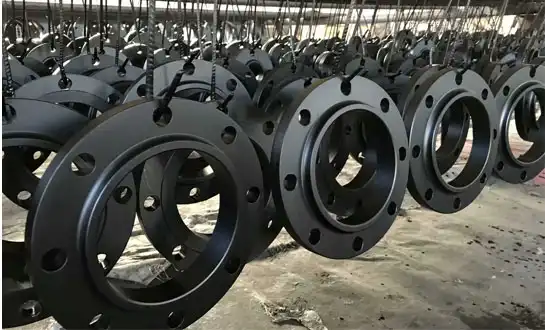
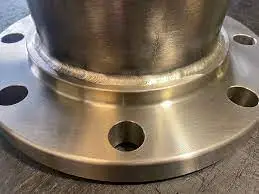
To get the best results, different types of flanges need different ways of being welded. Because they pass stress to the pipes instead of concentrating it at the bottom of the flange, weld neck flanges are the best choice for use in tough situations. Because of this, weld neck flanges are good for the oil and gas business, where system reliability is very important. Slip-on flanges are easy to install, but they need fillet welds on both the inside and the outside to be strong enough. Socket weld flanges are widely used for smaller diameter applications because they are easy to align. To make sure the links work, you need to carefully think about the welding steps, heat input, and joint preparation for each type of flange.
Welding Methods for Flange Connections
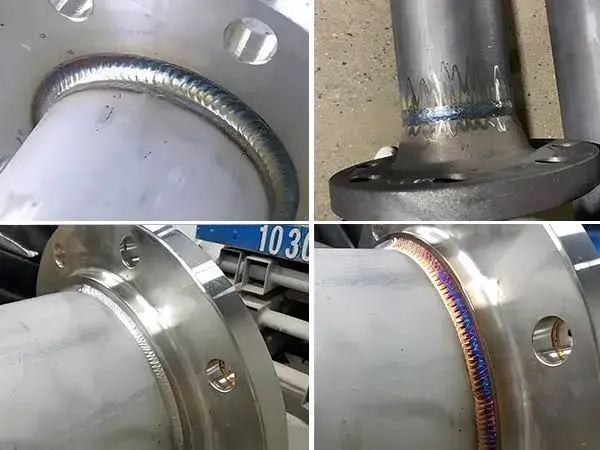
It seems that TIG (Tungsten Inert Gas) welding is the best way to join flanges because it is accurate and high-quality. A non-consumable tungsten electrode is used in this process to make clean, high-quality welds with little warping. You can fine-tune the amount of heat that goes into TIG welding, which makes it perfect for keeping the metal qualities of both the flange and pipe materials. Metal Inert Gas (MIG) welding has faster deposition rates and can work for flanges with bigger diameters when speed is important. Manual arc welding might work for less important jobs, but the parameters need to be carefully managed to avoid mistakes. Which welding method to use relies on the thickness of the material, the needs of the project, and the quality requirements set out in relevant codes like ASME B31.3 or ASME Section IX.
Essential Materials and Standards Compliance
To do flange welding correctly, you need to carefully choose materials and supplies that work well together. Most of the time, carbon steel flanges use matching composition electrodes or filler metals to make sure that the joint has the same mechanical qualities all the way through. When using stainless steel, you need to be very careful not to get it dirty and to keep its rust resistance. Standards from around the world, like ASME, ANSI, and ISO, spell out in detail how to weld flanges, what tests are needed, and what criteria are acceptable. These standards make sure that welded connections are safe and work well in a wide range of workplace settings.
Best Practices and Tips for Achieving Stronger Flange Connections
To make strong flange welds, you need to pay careful attention to planning, doing, and checking the quality of the welding process. The following tried-and-true methods can help you make links that are always strong and can handle tough service conditions.
Pre-Welding Preparation and Safety Protocols
People who do flange welding need to be well-prepared for the work to go well. The surface needs to be cleaned of all the oil, paint, dirt, and mill scale that is on the flange and pipe. If you do a good fit-up, the gaps should be evenly placed and lined up. This directly affects the quality of the weld and how the stress is spread. There should be rules about how much air flow is needed, what safety gear is needed, and how to put out fires. Extra care and attention must be paid when welding in small spaces or near things that can catch fire. Some materials, or when it's cold outside, may need to be heated up first to keep them from breaking and make sure they bond properly.
Common Welding Defects and Prevention Strategies
Understanding potential welding defects helps implement preventive measures during the welding process. The most critical defects that can compromise flange connection integrity include:
- Porosity happens when protective gases aren't covered well enough or when base materials are contaminated. To stop this from happening, make sure that the gas flow rates are right and that the welding areas are clean
- Incomplete Fusion: This happens when the welding conditions aren't right or when the joint isn't properly prepared. The flange and pipe will fuse completely if the right amount of heat is applied and the electrodes are moved around correctly
- Cracking: This can happen because of too much pressure, bad cooling rates, or hydrogen contamination. Controlled heat input and the right order of steps during welding help keep cracks from forming
These flaws can make joints much less strong and create leak paths that threaten the stability of the system. Most common defects can be avoided by following the right welding processes and quality control measures.
Optimizing Welding Parameters and Heat Management
For flange welding to work, the current, voltage, travel speed, and heat intake must all be carefully controlled. Too much heat can distort and weaken the material, while not enough heat can leave the joints weak and the fusion unfinished. When welding thick-wall flanges or working with materials that are sensitive to thermal cycles, flange welding, it's especially important to keep track of the heat. Controlling the temperature during the welding process and applying heat afterward may be needed to get certain mechanical qualities and stress relief.
Comparing Flange Welding Methods to Support Informed Procurement Decisions
Professionals in procurement have to look at different link methods to find the best one for each situation. When you know the pros and cons of each method, you can make smart choices that balance cost, performance, and operational needs.
Welded vs. Bolted Flange Connections
In terms of strength and leak-tightness, welded flange joints are better than bolted ones. Welded parts are permanent, so there is no chance of the bolts coming loose. This means that the system will always be sealed. But welded connections need more specialized work and can't be taken apart quickly for maintenance. Bolted connections allow for easy upkeep and changes, but they need to be watched over and re-torqued on a regular basis to keep sealing well. The choice between welded and bolted connections is based on the pressure in the system, the temperature changes, the need for maintenance, and the ease of entry.
Cost Analysis of Different Welding Methods
The total cost of flange welding includes material costs, labor expenses, equipment requirements, and quality control activities. TIG welding typically requires higher labor costs due to slower deposition rates, but produces superior quality results that may reduce long-term maintenance expenses.MIG welding offers faster deposition rates and lower labor costs but may require additional quality control measures to ensure acceptable results. The selection of a welding method should consider both initial installation costs and lifecycle maintenance requirements to optimize total project economics.
Decision Criteria for Optimal Method Selection
Some important things that affect the choice of welding method are:
- System working pressure and temperature requirements
- Material compatibility details
- Applicable code and quality standards
- There are limits on access and installation
- Levels of qualifications and skills needed for jobs
- Schedule for the project and needs for productivity
Procurement teams can choose the best welding method for each project by carefully evaluating these factors. This helps them stay within budget and meet quality standards.
Procuring Flange Welding Equipment, Supplies, and Services
Successful flange welding projects require access to appropriate equipment, quality consumables, and skilled welding services. Understanding market options and evaluation criteria helps procurement professionals make informed purchasing decisions that support project success.
Essential Welding Equipment and Tools
For modern flange welding jobs, you need reliable welding gear that can precisely control parameters and keep the arc's properties constant. Advanced inverter technology in TIG welding tools makes the arc very stable and saves a lot of energy. Features like the ability to pulse weld and remote current control make the weld better and make it easier for the operator. Gas delivery systems, welding torches, flange welding tungsten electrodes, and safety gear are all examples of supporting tools. For welding jobs in the field, where fixed power sources are hard to get to, portable equipment may be needed. When choosing equipment, you should think about the job cycle, the environment, and the skill level of the operators.
Evaluating Welding Service Providers
When you outsource flange welding work, you need to carefully evaluate potential service providers to make sure you get good results and that the job is a success. Welder certifications, procedure qualifications, quality management systems, and related project experience are some of the most important things that are needed to be qualified. Reliable service providers keep their welding code certifications up to date, use thorough quality control programs, and show that they can consistently complete similar tasks. References from past clients are a great way to learn about the level of service, how well the schedule works, and how well the company can solve problems.
Supply Chain Management for Welding Consumables
Good inventory management makes sure that you have quality welding supplies on hand when you need them and keeps the costs of bringing them to a minimum. Building ties with dependable suppliers helps keep material quality consistent and cuts down on the time it takes to get things. Tungsten electrodes, filler metals, shielding gases, and flux materials are some of the most important products. Different types of materials need different ways to be stored, and some products need to be kept at a certain temperature and humidity level to keep their quality. Using the right storage and handling methods keeps things clean and makes sure that welding works perfectly.
Conclusion
You should learn how to weld flanges if you want to really connect industrial pipe systems together. If you want to be good at welding, you need to know the basics, plan and do the job correctly, flange welding, and pick the right tools and materials for the job. It is well worth the money to pay for skilled work and the right way to weld flange joints because they are stronger and won't leak. The best way to make sure the flange links are always strong is to pay close attention to every facet of the welding process. All the steps, from getting the joint ready in the first place to the last check, affect how well the link works and how long it lasts. If people who work in procurement know about these technical needs, they can make choices that get jobs done better while still meeting cost and safety standards.
FAQ
1. What safety precautions are essential during flange welding operations?
Proper ventilation is critical to prevent exposure to welding fumes and gases. Welders must use appropriate personal protective equipment, including welding helmets, protective clothing, and respiratory protection when required. Fire prevention measures include removing combustible materials from the welding area and having appropriate fire extinguishing equipment readily available. Electrical safety requires proper grounding of equipment and workpieces to prevent shock hazards.
2. How does flange welding differ from other flange connection methods?
Flange welding creates permanent connections through metallurgical bonding between the flange and pipe materials. This differs from mechanical connections that rely on bolted joints and gaskets to achieve sealing. Welded connections typically provide superior strength and leak-tight performance but cannot be easily disassembled for maintenance. Threaded connections use mechanical threads for joining but are limited to smaller pipe sizes and lower-pressure applications.
3. What inspection methods verify weld integrity in flange connections?
Visual inspection represents the most common method for evaluating weld quality, examining for surface defects, proper weld profile, and dimensional compliance. Radiographic testing using X-ray or gamma radiation can detect internal defects such as porosity, cracks, and incomplete fusion. Ultrasonic testing provides an alternative non-destructive method for evaluating weld integrity without radiation exposure. Liquid penetrant testing can identify surface-breaking defects that may not be visible during routine visual inspection.
4. Which welding method provides the best results for critical applications?
TIG welding generally produces the highest quality results for critical flange welding applications due to its precise heat control and clean welding environment. The process minimizes contamination and provides excellent control over weld bead shape and penetration. However, the selection of a welding method should consider material requirements, thickness, production requirements, and applicable code specifications rather than relying solely on general preferences.
Partner with RAYOUNG for Superior Flange Welding Solutions
RAYOUNG stands ready to support your flange welding requirements with premium quality products and expert technical guidance. Our comprehensive range of steel pipe flanges and fittings meets international standards while providing exceptional value for demanding industrial applications. As a trusted flange welding supplier, we combine advanced manufacturing capabilities with responsive customer service to ensure project success.
Connect with our technical specialists at info@hb-steel.com to discuss your specific requirements and explore customized solutions for your next project. Our team provides detailed product specifications, welding recommendations, and procurement support to help you achieve optimal results.
References
1. American Society of Mechanical Engineers. "ASME B31.3 Process Piping Code: Requirements for Welded Joints and Flanged Connections." ASME International, 2020.
2. Smith, J.R. and Wilson, K.M. "Advanced Welding Techniques for Industrial Flange Connections: A Comprehensive Guide to Quality and Safety." Journal of Industrial Welding Technology, Vol. 45, 2019.
3. International Organization for Standardization. "ISO 5817: Welding - Fusion-welded joints in steel - Quality levels for imperfections." ISO Standards Publication, 2021.
4. Thompson, R.L. "Cost-Benefit Analysis of Welded vs. Bolted Flange Connections in High-Pressure Applications." Proceedings of the International Pipeline Engineering Conference, 2020.
5. Davis, M.A. and Chang, P.H. "Metallurgical Considerations in Carbon Steel Flange Welding: Heat Input Effects and Quality Control." Welding Research Institute Technical Report, 2019.
6. American National Standards Institute. "ANSI/ASME B16.5: Pipe Flanges and Flanged Fittings - Welding Requirements and Testing Procedures." ANSI Standards Committee, 2020.

Need a quote? Want to see samples? Just say hello. We’re friendly. We’re fast. And we’re ready when you are.
Welcome to RAYOUNG – Strong Pipes, Stronger Promise