Pipe Flange Buyer’s Guide: Materials, Classes, and Applications
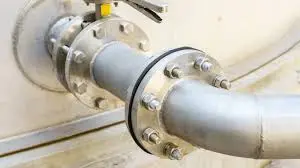
It's important for procurement workers in many fields to understand pipe flange materials, pressure classes, and industrial uses. A pipe flange is an important part that connects pipes, valves, and tools, so choosing the right one is very important for the project to go well. This complete guide talks about material specs, pressure ratings, cost factors, and price differences by region to help industrial buyers, distributors, and engineering contractors make smart buying choices. Choosing the right flanges has a big effect on safety, compliance, and long-term operational costs, whether you're buying things for building projects or keeping systems running. The prices of flanges change all the time on the global market because of the cost of raw materials, the ability of manufacturers in different areas, and changing international trade policies. Buyers who want to get the best deal have to deal with a lot of complicated issues, such as different material grades, pressure classifications, certification standards, and differences in the supply chain between regions. These factors help with negotiations, lowering risks, and keeping project costs in check in markets in Latin America, Canada, Africa, Southeast Asia, Central Asia, CIS countries, and the Middle East.
Regional Price Breakdown and Market Analysis
Factory Price Ranges by Region
There are big differences in the prices of wholesale pipe flanges around the world because of the costs of making them, the supply of materials, and the state of the economies in different areas. Carbon steel flanges can be bought at reasonable prices in Latin American markets. FOB prices for normal ANSI B16.5 flanges in 2–6-inch sizes range from $15 to $45 per piece. Manufacturers in Brazil and Mexico are still very good at making things, especially for oil and gas uses that need to meet ASME standards. Canadian suppliers focus on making sure their goods are of high quality and meet strict safety standards. CIF prices are usually 20–30% higher than Latin American options. Premium prices are necessary for important uses because of the focus on approved materials and full material test certificates (MTC). Southeast Asian markets, especially Thailand and Malaysia, offer cost-effective options because FOB prices are comparable to those of Chinese makers, and quality standards are upheld. South Africa and Egypt are becoming better at making things, which opens up new business possibilities in African markets. Logistics costs are lower for regional projects when goods are made locally, but the need for international certification may make the total cost of buying things higher. Central Asian and CIS countries take advantage of their closeness to sources of raw materials to offer reasonable prices for large-scale infrastructure projects.
Minimum Order Quantities and Bulk Pricing
For standard flanges, most makers set a minimum order quantity of 50 to 100 pieces. Orders of 500 pieces or more get a discount. For orders over 1,000 pieces, volume discounts usually run from 8 to 15%. This makes consolidation strategies useful for big projects. Higher MOQs are often needed for custom specs or special materials, especially for rare alloys or sizes that aren't standard. Payment terms have a big effect on the final price. For example, paying cash often gets you a 3-5% savings compared to longer payment plans. Availability and prices are affected by the time of year when orders are placed. For example, orders placed in Q4 are sometimes charged more because projects are finished at the end of the year.
Additional Cost Considerations
Tariffs and duties on imports change a lot depending on the region and the country of origin. Imports from Latin America may have to pay duties of 5 to 15 percent, based on the trade agreement and the type of goods being sent. Canadian imports gain from the rules in NAFTA and USMCA that apply to North American goods, while materials from other countries are subject to standard tariff rates. Logistics costs play a big role in budgets, pipe flange, especially when it comes to heavy industrial flanges. It costs about $800 to $1,200 per 20-foot container to move goods from Asian manufacturers to ports in Latin America. For urgent deliveries, air freight can cost more than $8 to $12 per kilogram. The total landing costs go up by 3 to 7 percent because of insurance, inspection fees, and clearing customs.
Critical Factors Influencing Global Pricing
Raw Material Impact and Market Volatility
The price of steel is directly related to the cost of flanges, which make up 60–70% of all industrial costs. Nickel prices have a big effect on the price of stainless steel flanges. Depending on trade markets, the price of grade 316L flanges can change by 20 to 40 percent a year. Prices for carbon steel are more stable, but they still change with the cycles of world steel production and demand. The cost of making things is greatly affected by the supply of steel in a given area. Countries that make their own steel, like Brazil, Mexico, and South Africa, often give local producers lower costs. The cost of transporting raw materials makes things more difficult, especially in landlocked areas that need long logistics lines.
Economic and Policy Factors
Exchange rate fluctuations create pricing volatility, particularly affecting long-term contracts spanning multiple months. USD strengthening against local currencies can increase costs for international buyers, while currency hedging strategies help mitigate risks for large projects. Government infrastructure investments drive regional demand patterns. Major pipeline projects, power generation facilities, and industrial expansions create temporary price pressures due to increased demand. Trade policies, including anti-dumping measures and quality certifications, influence competitive dynamics and pricing structures.
Labor and Manufacturing Considerations
Different areas have different labor costs because precise flanges need skilled welding and machining. Countries that have well-established technical training programs tend to make better goods that cost more. The amount of automation in a factory affects both consistency and cost structures. For example, modern factories with CNC machines offer more accurate measurements and lower prices for large orders. Quality certification requirements make the process take longer and cost more, but they make sure that foreign standards are met. Manufacturers who are ISO 9001:2015 certified usually charge 5–10% more, but they offer better quality assurance and paperwork.
Regional Competitive Analysis
Latin America vs. Global Alternatives
Latin American manufacturers can compete well in the area markets because they know the culture and can use cheaper logistics. Brazilian makers are very good at making flanges for petrochemical uses because they use their knowledge of oil refining and offshore drilling. USMCA trade benefits and the fact that Mexican factories are close to North American markets are both good for them. When you look at Asian suppliers side by side, you can see that there are trade-offs between beginning cost savings and total project costs. Asian makers often offer 15–25% lower FOB prices, but longer delivery times and possible differences in quality can make project schedules and risk profiles more difficult to manage.
African Market Development
South African manufacturers make high-quality goods that meet foreign standards, but they can't always accommodate large projects because of limited production capacity. Egyptian facilities are mainly used for infrastructure projects and offer reasonable prices for building projects in the area. Competition from imports from Turkey and India changes how prices work in the area. Improvements to Africa's transportation facilities make the supply chain more efficient, which lowers the total cost of delivery over time. New ports in Kenya, Nigeria, and Morocco make it easier for foreign companies to ship their goods to customers.
Central Asia and CIS Opportunities
Russian and Kazakhstani producers take advantage of their countries' large amounts of steel and well-established industrial infrastructure. Specialized products for oil, gas, and petrochemical uses come from knowledge in the energy industry. International trade is affected by politics and penalties, which means that supply chain risks need to be carefully assessed. Quality flanges are in high demand because of regional infrastructure projects like pipeline expansions and industry developments. Some countries require local content, which makes local suppliers more valuable than foreign ones.
Optimization Strategies for Cost-Effective Procurement
Supplier Negotiation Techniques
Doing a lot of study on the market and evaluating several suppliers is the first step to successful negotiations. Knowing how much things cost in different areas, what materials are available, and how well they can be made gives you more power when negotiating prices. When it comes to price, long-term partnerships often work out better than short-term transactions. When writing technical specifications, you should think about both speed needs and cost. When you over-specify materials or pressure rates, you end up paying more than you need to, and when you under-specify, you run the risk of safety and compliance issues. By working together with providers to create specifications, you can find ways to save money without sacrificing performance.
Customization and Value Engineering
OEM agreements make it possible to improve specifications and possibly lower costs by making changes to the design. By using the same type of flange for all jobs, you can simplify your inventory and get discounts for buying in bulk. When it is possible, normal options should be compared to custom-facing needs like RTJ or special gasket requirements. Material substitution analysis can find alternatives that meet performance standards while also being cost-effective. Grade equivalency studies help compare different steel standards, and coatings like hot-dip galvanizing protect against corrosion, which increases the service life and lowers the total cost of ownership.
Supply Chain Risk Management
Diversified supplier networks keep prices low while lowering the risk of being dependent on one source. Developing regional suppliers helps set up backup sources and meets the needs of local economic growth. Quality agreements and inspection processes make sure that the same products are delivered every time, no matter which supplier is chosen. Strategies for managing inventory weigh the costs of keeping things in stock against the chance that supplies might run out. Strategic stockpiling of widely used sizes and materials gives projects more freedom, and buying in bulk saves money.
Understanding Flange Materials and Specifications
Carbon Steel Applications and Benefits
Most industrial applications use carbon steel flanges because they are cost-effective and work well in most service conditions. Additionally, ASTM A105 is the standard for forged carbon steel flanges, which offer great strength for pressures up to 2500# class ratings. If you only need moderate corrosion protection in water, oil, gas, and general industrial settings, these flanges will work. The manufacturing method has a big effect on the quality and accuracy of the final product's measurements. Forged flanges have better grain structure and mechanical qualities than plate-cut options, which is why they cost more but are worth it for important uses. CNC-machined sealing areas make sure that the gasket fits properly and works reliably for the whole service life. Depending on the grade and pressure level, pipe flange carbon steel flanges are commonly used at temperatures down to -20°F, with maximum allowable temperatures governed by applicable pressure–temperature rating curves. A higher carbon content makes the metal stronger but less easy to weld, so it needs to be carefully chosen based on how it will be installed and how it will be welded.
Stainless Steel Grades and Selection
Grade 304 stainless steel provides excellent corrosion resistance for food processing, pharmaceutical, and chemical applications. The austenitic structure offers good ductility and weldability while maintaining strength at elevated temperatures. Cost considerations make 304 suitable for moderate corrosion environments where 316L specifications exceed requirements. Grade 316L flanges incorporate molybdenum additions, enhancing corrosion resistance in marine environments and aggressive chemical services. The low carbon content reduces carbide precipitation, maintaining corrosion resistance in welded assemblies. Applications include seawater systems, pulp and paper processing, and pharmaceutical manufacturing. Duplex stainless steels combine austenitic and ferritic structures, providing higher strength than conventional austenitic grades. These materials suit high-pressure applications requiring corrosion resistance, though higher costs limit usage to specialized applications.
Alloy Steel and Exotic Materials
Chrome-molybdenum alloy steels serve high-temperature, high-pressure applications in power generation and petrochemical processing. ASTM A182 F11 and F22 grades provide enhanced creep resistance at elevated temperatures while maintaining adequate toughness for thermal cycling conditions. Inconel and Hastelloy flanges address extreme service conditions involving high temperatures and aggressive chemicals. These superalloys command premium pricing but offer unmatched performance in demanding applications. Material availability and extended lead times require advance planning for project schedules. Titanium flanges serve specialized applications requiring maximum corrosion resistance and weight reduction. Aerospace, chemical processing, and marine applications justify higher material costs through extended service life and reduced maintenance requirements.
Pressure Class Systems and Standards
ANSI/ASME Pressure Classifications
The ANSI B16.5 standard defines pressure classes from 150# through 2500#, with each class rated for specific pressure and temperature combinations. Class 150 flanges handle 285 psi at ambient temperature, while ratings decrease as temperature increases according to established curves. Understanding these relationships ensures proper selection for specific operating conditions. Higher pressure classes require thicker flange bodies and larger bolt patterns to maintain structural integrity. Class 600 flanges typically suit moderate to high-pressure applications, while Class 1500 and 2500 serve extreme pressure conditions in specialized industries. Bolt specifications change with pressure classes, requiring high-strength materials for extreme service conditions. Proper bolt torque procedures ensure adequate sealing while avoiding overstress conditions that could cause failure.
European DIN and EN Standards
DIN flanges utilize PN (Pressure Nominal) ratings expressed in bar units, providing metric-based specifications common throughout Europe and many international markets. PN10 through PN40 cover most industrial applications, and pipe flanges with higher ratings are available for specialized requirements.EN1092-1 represents the current European standard, incorporating safety factors and design methodologies aligned with pressure equipment directive requirements. Material specifications follow EN standards, providing metric equivalents to ASTM materials with comparable properties. Dimensional differences between ANSI and DIN flanges prevent interchangeability, requiring careful specification to avoid costly field modifications. Bolt patterns, flange thickness, and facing dimensions vary between standards despite similar pressure capabilities.
Japanese JIS Standards
JIS B2220 defines Japanese flange standards widely used throughout Asia and adopted by many international projects specifying Japanese equipment. Pressure ratings expressed in kg/cm² provide familiar units for Asian manufacturers and engineering firms. Face seal designs in JIS standards differ from raised face or RTJ configurations common in ANSI applications. These design differences affect gasket selection and sealing performance, requiring careful evaluation for mixed-standard installations.
Flange Facing Types and Applications
Raised Face (RF) Configurations
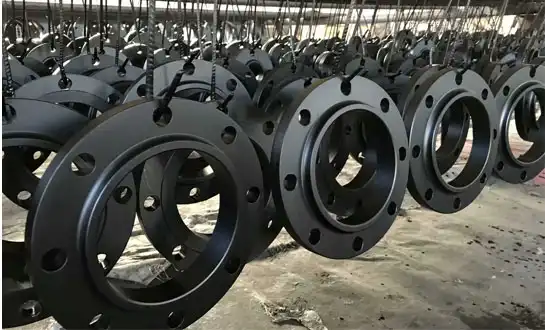
Raised face flanges feature a smooth, slightly elevated surface around the bore, providing gasket confinement and improved sealing characteristics. The standard 1/16" raised height suits most industrial applications using spiral wound, compressed fiber, or rubber gaskets. Surface finish specifications typically require 125-250 microinch Ra for optimal gasket performance. Pressure limitations for RF flanges extend through Class 2500, while RTJ facings are commonly specified for higher-risk high-pressure or high-temperature applications. The confined gasket design reduces the risk of gasket blowout under normal operating conditions while allowing reasonable installation tolerances. Machining requirements for RF facings include precise dimensional control and surface finish specifications. CNC machining ensures consistent quality and dimensional accuracy, particularly important for high-pressure applications requiring reliable sealing performance.
Flat Face (FF) Applications
Flat face flanges provide full-face gasket contact, distributing loads evenly across the entire flange surface. These designs suit low-pressure applications, particularly with brittle gasket materials like glass or PTFE that require uniform support. Cast iron valve connections often specify FF flanges to prevent stress concentrations. Installation considerations for FF flanges include careful bolt torque control to prevent gasket extrusion or damage. The absence of gasket confinement requires attention to bolt pattern uniformity and flange alignment during assembly. Material limitations make FF flanges unsuitable for high-pressure applications where gasket confinement becomes critical for safe operation. Pressure ratings typically remain below Class 300 for most industrial applications.
Ring Type Joint (RTJ) Designs
RTJ flanges incorporate precision-machined grooves accommodating metal ring gaskets for extreme pressure and temperature applications. The metallic sealing system provides reliable performance in conditions exceeding standard gasket capabilities. Oil and gas applications frequently specify RTJ facings for wellhead and pipeline connections. Ring gasket materials include soft iron, carbon steel, and stainless steel, depending on service conditions and compatibility requirements. Proper ring installation and groove condition maintenance ensure reliable sealing throughout service life.
Machining tolerances for RTJ grooves require precision equipment and skilled operators, contributing to higher manufacturing costs compared to standard RF flanges. The investment proves justified for critical high-pressure applications where seal integrity remains paramount.
Quality Standards and Certifications
Material Test Certificates and Documentation
Comprehensive material test certificates provide essential traceability for industrial flanges, documenting chemical composition, mechanical properties, and manufacturing processes. Mill test certificates verify raw material specifications, while fabrication records track machining operations and quality control inspections. Third-party testing laboratories validate material properties and dimensional accuracy according to applicable standards. These independent certifications provide additional assurance for critical applications requiring verified performance characteristics .Digital documentation systems improve certificate management and project tracking while reducing administrative costs. Electronic formats facilitate sharing among project stakeholders and support regulatory compliance requirements.
International Certification Bodies
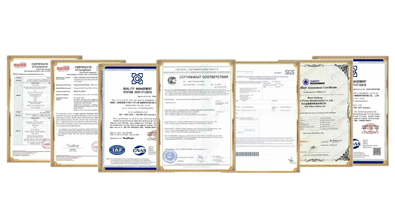
ISO 9001:2015 certification demonstrates systematic quality management approaches, ensuring consistent product delivery. Manufacturing facilities maintaining current certifications typically produce higher-quality products with better dimensional accuracy and material compliance.GOST-R certification enables market access in Russian and CIS countries, requiring compliance with specific technical requirements and testing protocols. Regional certification requirements often mandate local testing laboratories and documentation procedures.SGS and other international inspection companies provide independent verification services for export shipments. These services include dimensional inspection, material verification, and documentation review, ensuring compliance with purchase specifications.
Pressure Equipment Directive Compliance
European markets require PED compliance for pressure-containing components, including flanges used in regulated applications. The directive establishes essential safety requirements and conformity assessment procedures, ensuring product safety and performance. Notified body involvement becomes mandatory for higher-risk applications, requiring detailed engineering assessments and manufacturing surveillance. These requirements add costs but provide enhanced safety assurance for critical applications.CE marking demonstrates regulatory compliance and enables free movement within European markets. Proper documentation and declaration of conformity support legal requirements and customer confidence.
Installation Best Practices and Maintenance
Proper Installation Techniques
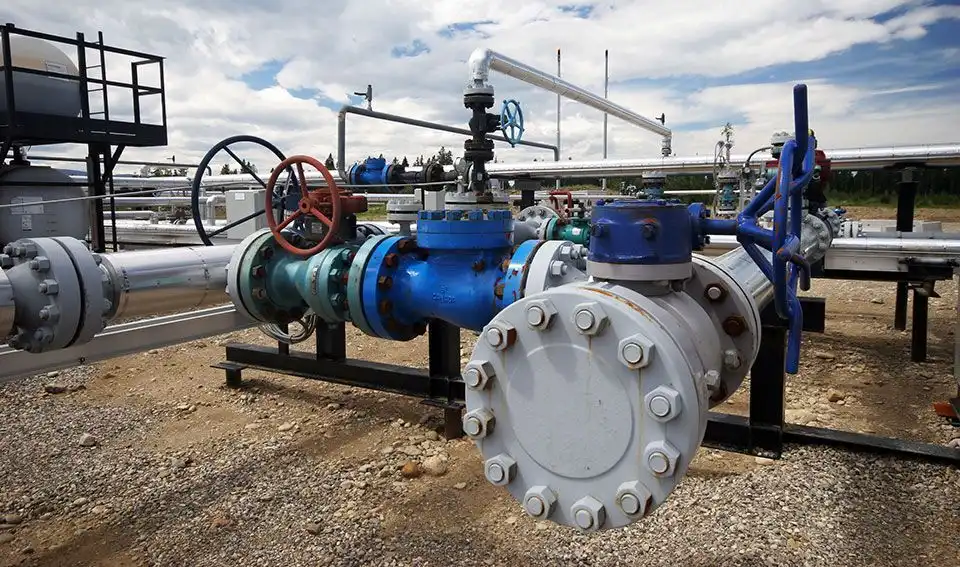
Before installing a flange, the matching surfaces, bolt holes, and gasket grooves must be carefully checked for damage or contamination. Preparing the surface by cleaning and deburring it makes sure the seal fits correctly and stops it from failing too soon. Before the final welding, alignment tools help make sure that the pipes are in the right place. Installing bolts in a certain way makes sure that the load is spread out evenly and that the seal is compressed. Using cross-hatching designs keeps the gasket from distorting and evens out the stress around the flange's edge. According to established rules, the right torque values rely on the size of the bolt, its material, and the conditions of use. For weld neck flanges, you need qualified welders and approved methods that make sure the right amount of penetration and heat treatment. Before pressure testing, post-weld checks make sure the quality of the joint and the accuracy of the measurements.
Gasket Selection and Installation
The choice of gasket material is based on the application's needs for pressure, temperature, and chemical compatibility. Gaskets that are spiral wound and faced with graphite work very well at high temperatures, while gaskets that are faced with PTFE work well in chemical uses that need inert materials. As part of the installation process, the gasket material must be properly centered and compressed so that it seals well without being overstressed. Compression standards depend on the type of gasket and what the manufacturer suggests, so it's important to pay close attention to how the parts are put together. Setting up regular check times helps find leaks before they become big problems. Visual inspection, finding leaks, and judging the state of gaskets are all early warning signs that maintenance needs to be done.
Long-term Maintenance Strategies
Regular inspections, re-torquing of bolts, and replacement of gaskets on set dates are all part of preventive maintenance programs. Changes in temperature, vibration, and chemical exposure in the service area all affect how often and what kind of maintenance should be done. Systems that keep records of maintenance history, gasket performance, and failure modes help with attempts to make things better all the time. This knowledge will help with choosing materials and making the best maintenance schedules in the future. Maintenance workers are taught the right way to service flanges and how to do it safely through training programs. Qualified technicians lower risks and make servicing more efficient while also making systems more reliable.
Conclusion
To buy pipe flanges effectively, you need to think about the materials, pressure classes, area pricing factors, quality standards, and how much they cost. Knowing how these parts work together lets you make smart choices that combine your cost goals with safety, performance, and legal needs. The way markets work in Latin America, Canada, Africa, Southeast Asia, Central Asia, CIS countries, and the Middle East creates both possibilities and challenges that need to be carefully considered and managed with suppliers. The choice of material has a bigger effect on the total cost of ownership and long-term performance than the price of the item itself. Specifying the right pressure classes, facing types, and certification standards will ensure reliable operation and keep costs down by avoiding over-specification. Quality management systems, detailed documentation, and manufacturing skills that have been proven to work are important for ensuring the safety of important industrial uses. In the future, the market will support suppliers who show they are good at using technology, caring for the environment, and keeping the supply chain reliable. Building strategic partnerships with qualified manufacturers gives you access to technical know-how, low prices, and reliable service, all of which help your project succeed in a wide range of global markets.
FAQ
1. What factors most significantly impact pipe flange pricing across different regions?
Raw material costs represent the primary pricing factor, typically accounting for 60-70% of total manufacturing expenses. Regional steel availability, labor costs, manufacturing capacity, and transportation expenses create significant price variations. Currency exchange rates and trade policies also influence international pricing dynamics, particularly for long-term contracts.
2. How do ANSI and DIN flange standards compare for international projects?
ANSI B16.5 and DIN standards utilize different dimensional specifications, pressure rating systems, and material designations, preventing direct interchangeability. ANSI uses pound-based pressure classes while DIN employs metric PN ratings. Projects requiring mixed standards need careful specification to avoid costly field modifications and compatibility issues.
3. What quality certifications should buyers require for critical applications?
ISO 9001:2015 certification demonstrates systematic quality management, while comprehensive material test certificates provide essential traceability. Regional certifications like GOST-R or PED compliance may be mandatory depending on destination markets. Third-party inspection services provide additional verification for high-risk applications requiring enhanced quality assurance.
4. Which flange materials provide the best value for different service conditions?
Carbon steel ASTM A105 flanges offer excellent cost-effectiveness for general industrial applications with moderate corrosion requirements. Stainless steel 316L provides superior corrosion resistance, justifying higher costs for aggressive chemical or marine environments. Exotic alloys serve specialized high-temperature or extreme corrosion conditions where standard materials prove inadequate.
Partner with RAYOUNG for Reliable Pipe Flange Solutions
RAYOUNG stands as a trusted pipe flange manufacturer delivering comprehensive industrial piping solutions across global markets. Our extensive product portfolio encompasses ANSI, DIN, and JIS standard flanges featuring RF, FF, and RTJ facings suitable for high-pressure applications requiring exceptional reliability and performance.
Every flange undergoes precision CNC machining for sealing surfaces, ensuring dimensional accuracy and optimal gasket performance throughout extended service life. Complete MTC traceability documentation accompanies each shipment, providing essential material verification and quality assurance for critical industrial projects. Hot-dip galvanizing options enhance corrosion protection, extending equipment life in challenging environmental conditions.
Our ISO 9001:2015 certified manufacturing processes maintain consistent quality standards while GOST-R and SGS certifications validate export compliance for international markets. Whether you're an EPC contractor managing large infrastructure projects, a distributor serving local markets, or an industrial end-user requiring reliable equipment, RAYOUNG provides the technical expertise and supply chain reliability your projects demand.
Contact our engineering team at info@hb-steel.com for detailed specifications, competitive pricing, and technical consultation supporting your next project. Our commitment to quality, competitive pricing, and reliable delivery schedules has established RAYOUNG as the preferred pipe flange supplier for demanding industrial applications worldwide.
References
1. American Society of Mechanical Engineers. "ASME B16.5: Pipe Flanges and Flanged Fittings NPS 1/2 Through NPS 24 Metric/Inch Standard." ASME International, 2020.
2. International Organization for Standardization. "ISO 7005-1: Metallic Flanges - Part 1: Steel Flanges." ISO Publications, 2019.
3. Deutsches Institut für Normung. "DIN EN 1092-1: Flanges and Their Joints - Circular Flanges for Pipes, Valves, Fittings and Accessories." Beuth Verlag, 2018.
4. American Petroleum Institute. "API 6A: Specification for Wellhead and Christmas Tree Equipment." API Publishing Services, 2019.
5. Japanese Industrial Standards Committee. "JIS B 2220: Steel Pipe Flanges." Japanese Standards Association, 2017.
6. European Committee for Standardization. "EN 1591-1: Flanges and Their Joints - Design Rules for Gasketed Circular Flange Connections." CEN Publications, 2020.

Need a quote? Want to see samples? Just say hello. We’re friendly. We’re fast. And we’re ready when you are.
Welcome to RAYOUNG – Strong Pipes, Stronger Promise