In industrial settings, it's important to use the right flange fitting methods to keep pipe joints safe and leak-free. Effective flange bolting saves people from dangerous situations, keeps systems from breaking down, and keeps costs low. The most important parts are choosing the right bolts, applying the right amount of force, and tightening them in a way that spreads the stress evenly across the flange face. Engineers and workers can make connections that work reliably and meet safety standards and practical needs if they understand these basics.
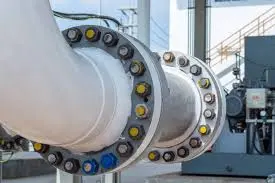
Flange Bolting Fundamentals
Understanding the basic parts and rules that guide flange assembly systems is the key to making good pipe connections. Modern industrial uses need a deep understanding of fixing materials, how to make sure they meet standards, and how to keep them from breaking.
Key Components and Material Selection
For flange links to work, three main parts must work together: bolts, nuts, and gaskets. For standard pressure applications, carbon steel bolts are very strong and cost-effective. Stainless steel bolts, on the other hand, are better at resisting rust in chemical processing settings. When working with high temperatures or harmful substances that would damage regular materials, you need nuts made of a special metal.
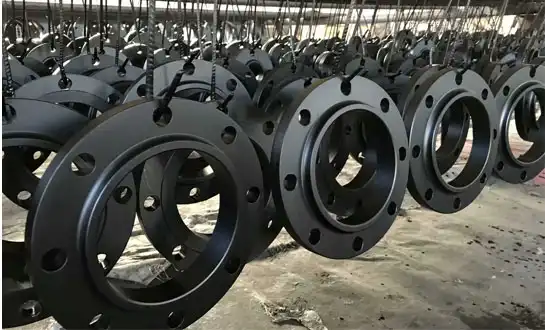
It is very important for materials to be compatible with each other to stop galvanic rusting and keep joints strong over time. The material of the seal has to match both the finish on the joint and the fluid being moved, whether it's water, oil, gas, or special chemicals. Slip-on flanges from RAYOUNG link directly to pipes without the need for extra fitting tools. This makes the process of putting them together easier while still providing reliable sealing under low- to moderate-pressure and temperature conditions.
International Standards and Compliance Requirements
Following set standards makes sure that design practices are safe and that regulations are followed in all places. In North America, ASME B16.5 sets the rules for flange sizes and pressure values, while ISO 7005 sets the rules for designing and testing flanges around the world. European EN standards cover area needs that might be different from those used around the world.
Which guidelines apply to a certain system depends on how it is used. Different methods are needed for high-pressure steam systems and low-pressure water lines. Also, materials and methods used in chemical processes must be compatible with the media and take external factors into account.
Proper Flange Bolting Installation Techniques
Systematic fitting methods stop common problems before they happen and make sure the link seals perfectly for its entire life. A professional installation starts with careful planning and then follows set steps that spread out the stress fairly, including important aspects of flange bolting.
Surface Preparation and Gasket Installation
For sealing to work, the flange faces must be clean. Using the right tools and cleaning fluids, get rid of all the dirt, old gasket material, and rust products. Surface finish requirements change based on the type of gasket. For best performance, raised face flanges usually need a surface roughness of 125 to 250 microinches.
Pay close attention to centering and direction when placing a gasket. The gasket needs to fit properly inside the bolt circle and not touch any of the holes in the bolts, as this could make fitting harder or lower the seal's effectiveness. When placed correctly and according to the manufacturer's instructions, RAYOUNG's designed gasket solutions close well.
Bolt Tightening Methods and Sequences
Controlled tightening of the bolts stops the uneven distribution of stress that can cause the gasket to fail or the flange to bend too soon. Tightening bolts in a cross-pattern, starting with one bolt and going to the bolt directly across from it before moving to the next place, is what the star pattern method does. This method makes sure that the seal material is compressed slowly and evenly.
For normal tasks, regulated torque tools are one way to control torque. For big or important links, hydraulic tensioning systems are another. Hydraulic tensioning is more accurate and lowers the chance of over-tightening, which can damage bolt threads or go over the material limits of the flange. The controlled stretch method is an option that measures the length of the bolt instead of the force that is applied. This gives more accurate preload readings.
Safety and Maintenance Best Practices for Flange Bolting
Industrial safety rules Keep people safe and make sure that connections will always work throughout the system's life. Comprehensive maintenance plans find problems before they get worse and cost a lot to fix.
Essential Safety Protocols
Safety glasses, work gloves, and steel-toed boots are the bare minimum of personal protective equipment that must be worn during flange assembly activities. When working with pressurized systems, extra safety measures like pressure separation, depressurizing the system, and lockout/tagout processes keep the systems from activating by mistake.
When using hydraulic tensioning equipment or high-torque air tools, tool safety is very important. Operators need to be properly trained on how to use the tools and know the risks that come with tensioned nuts that store energy. To avoid overtightening, you need to know the limits of the material and be able to spot signs of too much stress that could cause the bolt to fail or the joint to get damaged.
Maintenance Scheduling and Inspection Procedures
Scheduling regular inspections helps find problems like loosening, rust, or wear before they become too bad for the system. When inspecting visually, look for signs of leaks, rusty bolts, or gaskets that stick out, which could mean there are problems. Bolt preload stays within accepted levels when torque testing is done with measured tools.
Lubrication practices make bolts last longer and make it easier to take things apart in the future. When working with stainless steel, anti-seize chemicals stop thread galling, and regular oils lower friction while installing and removing things. Thread damage, rust that goes beyond what is appropriate, or lasting distortion that changes how the load is distributed are all reasons to replace a bolt.
Selecting the Right Flange Bolting Products and Suppliers
Strategic relationships with suppliers make sure that industries can get the quality parts they need to meet their strict needs. Cost needs to be balanced with performance needs and long-term dependability standards in the evaluation factors, particularly when it comes to flange bolting.
Quality Standards and Certification Requirements
Certifications of materials make sure that parts have the right chemical makeup and mechanical qualities. Mill test papers make it possible to track important applications that could fail and put people in danger or cause big financial losses. Third-party testing backs up what the maker says and gives an unbiased look at how well the product works.
Quality management systems, such as ISO 9001:2015 approval, show that a seller is dedicated to maintaining quality and always making things better. RAYOUNG has strict quality control programs that include inspecting arriving materials, keeping an eye on process controls, and checking finished products to make sure they work well in a wide range of industry settings.
Custom Solutions and Technical Support
Custom-engineered solutions that work with specific working conditions or size limitations are often needed for specialized uses. For harsh working circumstances, bolts may need to be made from special materials, have special coverings, or have their shapes changed. Technical support services help customers choose the right solutions and give them startup instructions that make sure the system works at its best.
Engineering consulting services look at the needs of a particular application and suggest solutions that combine performance, cost, and dependability. Field support capabilities allow quick responses to problems that come up during installation or unexpected service situations that need expert advice.
Technical Support, Training, and Resources for Effective Flange Bolting
Professional development programs help people get better at technology and make sure that best practices are used consistently across all project teams. Full training cuts down on mistakes made during installation and makes the system more reliable overall.
Training Programs and Certification
Standardized training programs for certified professionals teach the right way to put things, keep them safe, and do regular upkeep. Workshops with real tools let techs practice their skills in safe places before they use them in the field. Certification programs make sure that people have the right amount of skills and provide proof for quality control.
Digital resources, such as installation guides, torque measurement tools, and repair guides, make important information about flange bolting available right away. Mobile apps let people working in the field access scientific info and math tools without being connected to the internet.
Conclusion
The most important thing to remember about safe and reliable pipe connections in industrial settings is how to use flange fittings correctly. Understanding basic ideas, following organized installation steps, and following strict safety rules will help the system work at its best while lowering the risks of operation. Strategic source selection and ongoing technical help improve the results of a project by giving the team access to high-quality parts and expert advice. Because RAYOUNG is dedicated to making the best products, has quality standards, and offers full customer support, we are the perfect partner for tough industrial uses that need reliable pipe connection solutions.
Frequently Asked Questions
Q1: What torque specifications should I follow for different flange bolt sizes?
A: Torque specifications depend on bolt diameter, material grade, gasket type, and flange pressure rating. Always consult applicable ASME, ISO, or manufacturer specifications for your specific application. Carbon steel bolts typically require different torque values than stainless steel variants, and gasket material significantly affects required bolt stress.
Q2: How often should I inspect and retighten flange connections?
A: Inspection frequency depends on operating conditions, but generally includes checks after initial startup, following thermal cycling events, and during scheduled maintenance intervals. High-temperature applications may require more frequent monitoring due to thermal expansion effects on bolt preload.
Q3: Can manual torque tools provide adequate accuracy for critical applications?
A: Manually calibrated torque wrenches are suitable for standard applications, but hydraulic tensioning systems offer superior accuracy and consistency for large bolts or critical service conditions. The choice depends on bolt size, accessibility, and precision requirements for your specific application.
RAYOUNG: Your Trusted Partner for Industrial Pipe Fittings and Flange Solutions
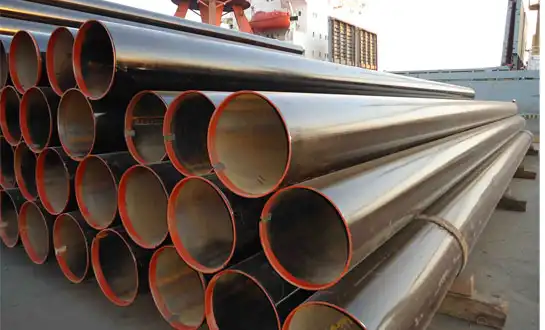
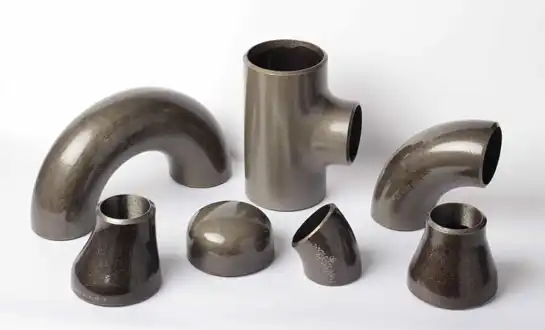
It is the top company that makes and sells a wide range of industrial pipe fittings, such as precision-engineered slip-on flanges, butt-weld steel elbows, and steel reducers. Our wide range of products includes reliable parts that ensure critical pipe systems operate safely. These parts are used in many different types of industries. Slip-on joint designs let you connect pipes directly with simplified alignment and welding requirements. They work well in low- to moderate-pressure and temperature environments and help keep systems from leaking or failing.
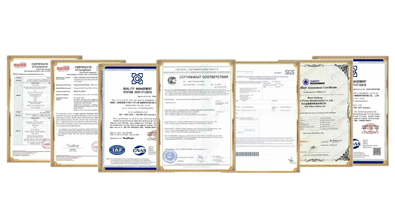
We can make everything from simple standard setups to complicated custom solutions that meet the specific needs of each application. RAYOUNG keeps its GOST-R and SGS approvals, which prove that it meets the quality and export standards for markets around the world. The ISO 9001:2015 quality control system makes sure that all production processes are always getting better and that the standard of the products is always the same. Our steel pipe fittings offer great performance, safety features, and long-lasting sturdiness that lowers the total cost of ownership, whether they are used for home building or large-scale commercial installations, including reliable flange bolting applications.
RAYOUNG is a popular flange fitting provider for engineering companies, EPC contractors, and industry end users because of its technical knowledge and customer service. Our experienced team offers full application advice, custom engineering services, and quick responses to project needs that need reliable pipe connection solutions. Are you ready to improve the safety and efficiency of your pipe connections? Please email us at info@hb-steel.com to talk about your unique needs and get personalized expert advice.
References
1. American Society of Mechanical Engineers. "ASME B16.5-2020: Pipe Flanges and Flanged Fittings." New York: ASME Press, 2020.
2. Bickford, John H. "An Introduction to the Design and Behavior of Bolted Joints." 4th ed. Boca Raton: CRC Press, 2018.
3. International Organization for Standardization. "ISO 7005-1:2011: Pipe Flanges - Part 1: Steel flanges for general purpose." Geneva: ISO Publications, 2011.
4. Schmid, Klaus. "Gaskets and Gasketed Joints." 2nd ed. Oxford: Butterworth-Heinemann, 2019.
5. Brown, William M., and Sara Johnson. "Industrial Pipe Systems: Design, Installation, and Maintenance." Houston: Gulf Professional Publishing, 2021.
6. European Committee for Standardization. "EN 1092-1:2018: Pipe Flanges and Their Joints—Circular Flanges for Pipes, Valves, Fittings, and Accessories." Brussels: CEN Publications, 2018.