One of the most important choices in designing and buying a pipe system is choosing the right industrial flanges. These important connecting components have a direct effect on the safety of operations, the stability of the system, and the long-term costs of upkeep in a wide range of industry settings. When choosing a material for industrial flanges, you need to think carefully about the pressure needs, temperature ranges, chemical interaction, and the surroundings. When procurement professionals know how flange materials, manufacturing standards like ANSI, DIN, and JIS, and face types like raised face (RF), flat face (FF), and ring-type joint (RTJ) configurations work together, they can make decisions that balance performance with cost-effectiveness and make sure they follow industry rules.
Understanding Industrial Flanges and Their Materials
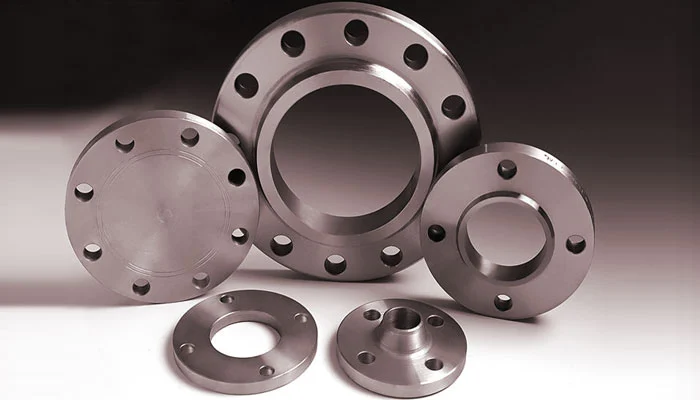
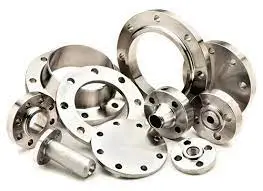
Pipe flanges are mechanical parts that connect valves, pipes, and other machinery in complicated industrial systems. These parts make links that are safe and can be taken apart, which makes upkeep easier and keeps the system's pressure integrity. Today, different types of materials are used to make flanges that can handle the tough conditions found in chemical processing, oil and gas, power generation, and water treatment plants.
Common Flange Types and Their Applications
Because their hubs are curved, weld neck flanges are very strong for high-pressure uses, as they evenly spread stress across the pipe link. Because they are easier to install, slip-on flanges are popular for lower-pressure systems where ease of assembly is more important than final strength. Threaded flanges eliminate the need for welding, which is helpful in systems where hot work is dangerous or where parts need to be taken apart often.
Material Classification and Standards Compliance
Carbon steel flanges are used a lot in industry because they are strong for the price and are easy to find in standard types like A105 for machined parts. 304L and 316L types of stainless steel work especially well in acidic settings where chemical protection is worth the extra cost. Chromium and molybdenum are added to alloy steel flanges to improve their performance at high temperatures and resistance to creep in power plant settings.
The sizes and pressure values of flanges in North America are governed by ANSI/ASME B16.5 standards, while in Europe, DIN norms are the most common. The JIS standards help the Asian manufacturing sectors. Each one has its own set of rules for material qualities, limits for size, and testing needs that make sure everything works together and is safe.
Criteria for Choosing the Right Flange Material
Choosing the right material depends on a careful analysis of the working conditions, the performance needs, and the cost factors. When making a purchase strategy, it's important to weigh the short-term cost worries against the long-term working stability, upkeep costs, and possible downtime risks that come with parts failing too soon.
Operating Environment Assessment
Baseline material standards are set by pressure and temperature. High-pressure uses need materials that can take a lot of mechanical stress without breaking or deforming. When industrial flanges come into contact with acidic media, chemical compatibility is very important. This means that the materials used must be able to fight specific attack processes like pitting, crevice corrosion, or stress cracking.
Rates of material decay are affected by things like humidity, salt contact, and temperature changes. Corrosion processes speed up in marine settings, so better materials or protection layers are needed. In industrial settings where temperatures change a lot, the materials used need to have similar thermal expansion properties so that joints don't become loose or stress points form.
Performance and Economic Optimization
A lifecycle cost study looks at the initial buy price, the cost of installation, the cost of upkeep, and how often the item needs to be replaced. Premium materials, such as solid stainless steel, may be worth the extra money up front if they last longer and need less upkeep. When used in mild situations, carbon steel flanges with the right protection coats often give the best value.
Supply chain issues affect the supply of materials, shipping times, and the security of prices. Most of the time, standard materials are easier to find and cost less than unusual metals or special specs, which may need longer wait times.
Comparing Industrial Flange Types and Materials for Optimal Performance
To get the best performance, you need to make sure that the shape of the lip fits the needs of the application. Different types of flanges have different benefits based on how they are installed, how much pressure they need to hold, and how easy they are to reach for upkeep.
High-Pressure Applications and Face Types
Standard pressure uses raised face (RF) configurations most often because they have been shown to seal well with spiral wound or compressed fiber gaskets. Flat face (FF) designs work well for cast iron valve connections and lower-pressure systems where the stress on the bolts is spread out evenly and the flange face doesn't get distorted. Ring-type joints (RTJ) work great in high-pressure and high-temperature situations because they use metal-to-metal seals for the best durability.
CNC-machined sealing surfaces allow for exact control of dimensions and consistent surface finish, which has a direct effect on how well the gasket works and how well the joint holds together. Modern manufacturing methods get rid of surface flaws that could make sealing less effective or speed up gasket breakdown under operating stress.
Material Traceability and Quality Assurance
The Full Material Test Certificate (MTC) tracking shows that the material's makeup, mechanical qualities, and production compliance with standards have been recorded. This paperwork is very important in important situations where the history of a material affects safety certification, insurance coverage, or the approval process by regulators.
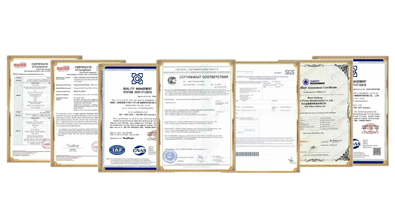
Quality management systems that industrial flanges include, such as ISO 9001:2015 approval, show that a maker is dedicated to uniform production methods and ongoing growth. GOST-R and SGS approvals prove that export rules and international quality standards are followed, which makes it easier to use global purchasing strategies.
Installation, Maintenance, and Corrosion Resistance Factors
The performance and service life of a flange are directly affected by how it is installed. Installation methods are affected by the qualities of the material. For example, different grades need different welding settings, heat treatment routines, or surface preparation methods to ensure the best joint stability.
Protective Coating Systems
Hot-dip galvanizing is a strong way to protect carbon steel flanges from rust when they are exposed to air or slightly corrosive surroundings. This covering process makes a layer of zinc that is metallurgically attached and acts as both a shield and a sacrifice for protection. The performance of galvanized flanges is very good in marine, outdoor, and water treatment situations where rust is sped up by the weather.
There are other covering systems, like epoxy, polyurethane, and ceramic, that can be used in certain situations where hot-dip galvanizing might not be enough protection or where chemical resistance is needed. The base material, service temperature limits, and chemical interaction needs must all be taken into account when choosing a coating.
Maintenance Planning and Inspection Protocols
Schedules for preventive upkeep should take into account how different materials break down and how much contact they get with the surroundings. Stainless steel flanges usually don't need to be inspected as often as carbon steel parts, but they can still fail in certain ways, like stress corrosion cracks caused by salt in marine settings.
Visual checking, magnetic particle testing, and ultrasound thickness measurement are all nondestructive testing methods that can help find problems before they become too big to fix. Checking the bolt tightness on a regular basis makes sure that the seal is properly compressed and stops leaks that could cause safety problems or environmental releases.
Procurement Tips: Buying Industrial Flanges with Confidence
Strategies for buying things that work well focus on finding qualified suppliers, making sure the quality is good, and building long-term partnerships. Building ties with dependable makers guarantees consistent product quality, competitive pricing, and quick expert help when problems appear.
Supplier Evaluation and Certification Requirements
Manufacturer approval programs check that a company has the production skills, quality management systems, and technical know-how to offer key parts. Getting ISO 9001:2015 certification shows that you take an organized approach to quality management. Certifications specific to your business, like compliance with ASME standards for pressure components, give you even more proof that you know how to make things well.
When describing special settings or dealing with application-specific problems, technical help skills become very important. When a manufacturer has their own engineering team, they can give helpful advice on choosing the right materials, changing the dimensions, and finding other ways to improve performance while keeping costs low.
Value Engineering and Cost Management
When it comes to big orders or unique needs, working directly with manufacturers can save you money compared to going through multiple levels of marketing. As a result of OEM relationships, engineers can work together to find ways to save money without sacrificing performance standards.
When planning a global buying strategy, it's important to weigh the costs of uniformity in quality, efficiency in delivery, and access to after-sales support. Reputable makers use thorough testing and quality assurance methods to make sure that their quality standards are always met, no matter where the industrial flanges are manufactured under approved quality systems.
RAYOUNG: Your Trusted Partner for Premium Industrial Flanges
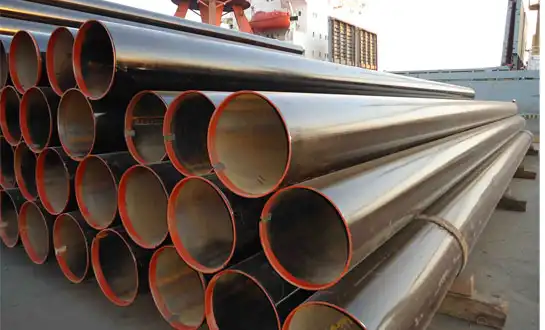
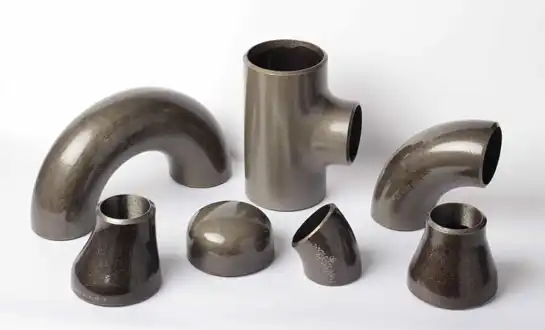
RAYOUNG is one of the best companies to buy carbon steel flanges and pipe fittings from because they know how to make high-quality pipe fitting parts. We offer a wide range of products, such as butt-weld steel elbows, steel reducers, and precision-engineered flanges that are perfect for modern industrial uses.
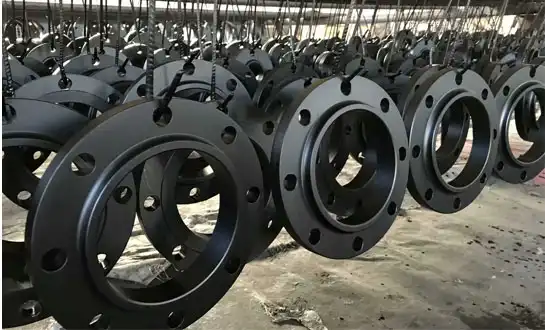
We are able to make ANSI, DIN, and JIS standard flanges with raised face, flat face, and ring-type joint configurations that are good for high-pressure uses. CNC-machined sealing surfaces allow for exact control of dimensions and the best performance of the gasket, and full MTC tracking gives full proof for important uses. Hot-dip galvanizing choices make things less likely to rust when they are exposed to the air.
Quality certificates like GOST-R, SGS, and ISO 9001:2015 show that we are dedicated to quality and export compliance. These certificates, along with our dedication to new ideas and high quality, make RAYOUNG a reliable partner for markets in the United States and around the world for household, business, and industrial uses.
Conclusion
To choose the right flange material, you need to know a lot about the application needs, the material qualities, and how well you expect it to work in the long run. To be successful, you need to carefully look at things like pressure grades, temperature limits, chemical interaction, and the surroundings. Reliable performance throughout the lifetime of a component is guaranteed by high-quality production that includes the right approvals, accurate cutting, and the right protection treatments. Strategic relationships with suppliers give you access to technical knowledge, cheap prices, and quick help that improves the results of your purchases while lowering the risks to your business.
Frequently Asked Questions
Q1: What advantages do CNC-machined sealing surfaces provide compared to standard machined flanges?
A: CNC-machined sealing surfaces offer superior dimensional accuracy, consistent surface finish, and precise geometric control that enhances gasket performance and joint integrity. This manufacturing precision reduces leakage risks and extends gasket service life, particularly important in high-pressure applications where sealing reliability proves critical.
Q2: How does full MTC traceability benefit industrial procurement processes?
A: Full Material Test Certificate traceability provides documented verification of material composition, mechanical properties, and manufacturing compliance with specified standards. This documentation supports quality assurance programs, regulatory compliance requirements, and insurance coverage while enabling rapid identification of material sources if quality issues arise.
Q3: When should hot-dip galvanizing be specified for carbon steel flanges?
A: Hot-dip galvanizing proves beneficial for carbon steel flanges exposed to atmospheric conditions, marine environments, or applications where long-term corrosion protection justifies the additional cost. This coating system provides excellent protection for outdoor installations, water treatment facilities, and industrial environments with moderate corrosive exposure.
Contact RAYOUNG for Premium Industrial Flanges
Outstanding industrial flanges from RAYOUNG are made to strict standards and come with a full set of quality certificates. Our reasonable prices, professional know-how, and on-time deliveries help your project succeed from the planning stages to the final installation. Whether you need standard ANSI setups or solutions that are specifically designed for your needs, our team can help you quickly and reliably. Get in touch with us at info@hb-steel.com to talk about your needs with our industrial flanges source pros and find out why top companies trust RAYOUNG for their most important pipe fitting needs.
References
1. American Society of Mechanical Engineers. "ASME B16.5-2020: Pipe Flanges and Flanged Fittings NPS 1/2 Through NPS 24 Metric/Inch Standard." New York: ASME Press, 2020.
2. Deutsches Institut für Normung. "DIN EN 1092-1:2018: Flanges and their Joints—Circular Flanges for Pipes, Valves, Fittings, and Accessories, PN Designated—Part 1: Steel Flanges." Berlin: Beuth Verlag, 2018.
3. Japanese Industrial Standards Committee. "JIS B 2220:2004: Steel Pipe Flanges." Tokyo: Japanese Standards Association, 2004.
4. Bhandari, V.B. "Design of Machine Elements, Fourth Edition." New Delhi: McGraw-Hill Education, 2016.
5. National Association of Corrosion Engineers. "NACE SP0169-2013: Control of External Corrosion on Underground or Submerged Metallic Piping Systems." Houston: NACE International, 2013.
6. Mohitpour, M., H. Golshan, and A. Murray. "Pipeline Design & Construction: A Practical Approach, Third Edition." New York: ASME Press, 2007.