When working on industrial projects in harsh conditions like high temperatures, chemical contact, and water intrusion, it is very important to choose the right corrosion-resistant flanges. These special pipe clamps keep important connection points from breaking down, so they work well for a long time in tough situations. When paired with the right surface processes, modern flange materials can survive tough conditions that would kill carbon steel parts in just a few months.
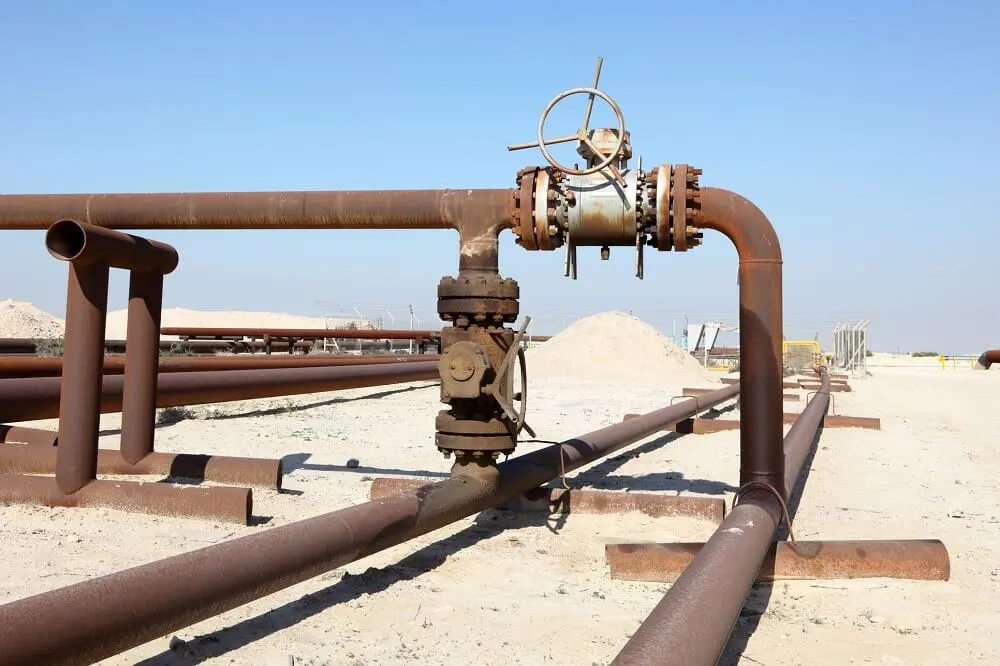
Why Corrosion-Resistant Flanges Matter in Industrial Applications?
Standard pipe fittings can't handle the unique problems that come up in industrial settings. Every day, toxic substances are put on flange connections in places like chemical plants, offshore platforms, and water treatment plants. If you don't protect these link points properly, they can become weak spots that let whole systems down.
I've seen jobs where choosing the wrong flanges caused expensive shutdowns and safety problems. These problems can't happen with corrosion-resistant pipe joints because they keep the structure strong even in harsh situations. They lower the cost of upkeep, make the system last longer, and make it more reliable overall.
To lower project risks, EPC companies and project managers are asking for anti-corrosion flanges more and more. Government infrastructure projects have to follow strict safety rules, which means that rust defense is required and not just a choice. When industrial end users buy good corrosion-resistant parts, they get less downtime and a lower total cost of ownership.
Selection Criteria for Superior Corrosion Protection
A lot of things need to be carefully thought through in order to choose the right corrosion-resistant flanges. Conditions in the environment, chemical contact, temperature ranges, and pressure needs all affect the choice of material. I judge goods by how well they've worked in the past, how much they cost, and how easy it is to get them in target areas.
Corrosion protection is based on the makeup of the material. Stainless steel flanges are very good at stopping rust in general, while some metals are better at handling certain chemical conditions. When base materials alone aren't enough to protect, flange sealing methods add extra layers of security.
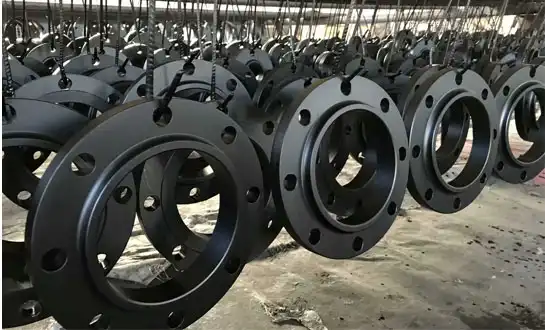
When something is made well, it works well for a long time. Cutting-edge CNC machines make sure that the closing areas are properly compressed so that there are no leaks. Full MTC tracking paperwork checks the makeup and mechanical qualities of the material. Hot-dip galvanizing choices make things last longer when they are exposed to the air.
Different global markets have different rules about what is available and how it must be followed. In Latin America, projects are often required to follow ANSI standards, while projects in the Middle East may need to follow DIN standards. Knowing what people in the area like helps workers choose the right types and sizes of flanges for their needs.
Top Corrosion-Resistant Flange Materials
316 Stainless Steel Flanges
Corrosion-resistant flanges like 316 stainless steel are the most flexible option for general uses that need to prevent rust. The molybdenum presence in 316-grade stainless steel protects better against rust caused by salt than normal 304 stainless steel. These corrosion-resistant flanges work great in places like the food business, chemical processing, and the sea environment, where keeping things clean is very important.
Advantages for manufacturing include good machinability and bonding properties. 316 stainless steel performs well across a broad temperature range, from cryogenic service to approximately 425–450 °C in continuous operation, with higher temperatures possible under intermittent service conditions. It is still very easy to use normal elastomers and metal gaskets with corrosion-resistant flanges.
Because it is cheap, 316 stainless steel is a good choice for medium-budget jobs. The initial investment is higher than for carbon steel choices, but the lower upkeep needs make up for the higher prices. Availability stays the same across all global markets, which helps make project schedules more predictable.
Some uses are in saltwater systems, the production of drugs, and pulp processing plants. In salt settings, the material is better than most at resisting pitting and fissure erosion. Connection systems are completely protected from rust by flange nuts made of matched 316 stainless steel.
Duplex Stainless Steel Solutions
Duplex stainless steel flanges combine the strength of ferritic stainless steel with the corrosion resistance of austenitic stainless steel, resulting in a two-phase microstructure with superior performance in aggressive environments.
Duplex grades offer yield strengths nearly twice those of conventional austenitic stainless steels, enabling thinner or lighter flange designs and material cost savings in large-diameter systems. They also exhibit excellent resistance to stress corrosion cracking, particularly in chloride-rich and sour service conditions.
Processing needs require specific ways to join and control the heat treatment. But when the right steps are taken, the parts that are made work as well as the base material. Passivation and electropolishing are two ways to treat the surface of a flange to make it more resistant to rust.
Typical applications include oil and gas production, desalination plants, chemical transport systems, and sour service environments. Most duplex stainless steels are recommended for continuous service temperatures up to approximately 280–300 °C, beyond which phase embrittlement may occur.
Nickel Alloy Flanges for Extreme Conditions
Nickel-based alloy flanges provide the highest level of corrosion resistance for the most demanding industrial environments. Alloys such as Hastelloy C-276 and Inconel 625 exhibit exceptional resistance to strong acids, alkalis, high-temperature oxidation, and severe chemical exposure.
Depending on alloy grade and service conditions, nickel alloys can operate from cryogenic temperatures to very high temperatures approaching 900–1000 °C, while maintaining mechanical strength and corrosion resistance. Their excellent resistance to thermal cycling minimizes cracking and degradation under fluctuating temperatures.
Specialized cutting needs and controlled welding environments are some of the problems that come up in fabrication. When CNC machines are used with the right cutting fluids, the surfaces are finished better. After welding, the best rust protection can be restored with the right heat treatment.
Although initial costs are significantly higher than stainless steel alternatives, nickel alloy flanges often deliver superior lifecycle value through extended service life and reduced downtime. They are widely used in petrochemical processing, high-temperature furnaces, and qualified nuclear and critical energy applications where failure risks are unacceptable.
Regional Market Characteristics and Compliance Requirements
ANSI/ASME standards are important in Latin American markets, and there are choices for RF and RTJ faces. For industrial uses, Mexican and Brazilian projects often call for corrosion-resistant flanges. Common sizes are kept in stock by local wholesalers, but unique metals need to be brought in directly.
Canada's rules are similar to CSA and ASME codes, but they have extra rules for cold weather. The materials used for flanges must stay tough at working temperatures of -40°C. Environmental laws are pushing for materials that don't rust so that systems that fail don't pollute the land and water.
Infrastructure projects in Africa use both world standards and local tastes. The markets in South Africa use SANS guidelines, which are based on British rules. Because of the harsh climate, Nigerian oil and gas projects usually ask for API flanges with extra rust protection.
The high heat and saltwater exposure in Southeast Asian markets make them difficult in their own way. Singaporean and Malaysian projects need naval uses with better rust protection. More and more, changes in Thailand and Indonesia call for stainless steel plates for the food and chemical processing businesses.
The requirements for the Middle East take into account the high heat and sand conditions there. Projects in the UAE and Saudi Arabia need products that have been proven to work in deserts. Coating methods for flanges must be able to resist changes in temperature and the pressure of rough particles without breaking down.
Purchasing Recommendations and Key Considerations
When making a budget, you should think about the total costs over the whole life of the item, not just the original buy price. Corrosion-resistant flanges cost more up front, but they save money in the long run because they don't need as much upkeep. When considering material choices, you should add up the prices of replacing and downtime.
When it comes to unique materials that don't corrode, supplier quality is very important. Check the quality control methods, production skills, and certificates. For important uses, ask for material test certificates and measurement inspection records. Set up backup sources to make sure you can always deliver.
The steps for installation may be different from those for normal carbon steel. Teach people the right way to handle, store, and put things together. Use flange seal materials that are suitable and have the right force specs. During the building process, think about protecting the earth.
When planning maintenance, you should include regular check plans for flanges and programs to keep an eye on rust. Make extra parts stocks based on how often they need to be replaced and how well they are being used. Keep track of performance data to make better material choices in the future.
Industry Trends and Summary
The market for corrosion-resistant flanges keeps moving toward new materials and treatments that protect. Environmental laws make people want answers that last longer and don't need to be replaced as often. More and more, digital tracking systems are connecting to flange joints to figure out what repair is needed and stop breakdowns before they happen.
Conclusion
To choose the right corrosion-resistant flanges, you have to weigh performance needs, price limits, and the conditions of the local market. Stainless steel is a good choice for general defense, while specific metals are better for harsh conditions. When making a final choice, think about the total lifetime costs, how reliable the provider is, and the legal requirements. The right choice of material will protect your investment and make sure that it works well for a long time in tough industrial settings.
Frequently Asked Questions
Q1: What flange standards should I specify for international projects?
A: ANSI/ASME B16.5 flanges provide the widest global acceptance and availability. DIN standards work well in European-influenced markets, while JIS flanges suit Asian applications. Consider local preferences and supplier capabilities when making final selections.
Q2: How do I determine the right corrosion-resistant material for my application?
A: Analyze the specific chemicals, temperatures, and pressures in your system. Consult corrosion resistance charts and consider conducting material testing in your actual environment. Factor in cost, availability, and maintenance requirements for optimal selection.
Q3: Are coated carbon steel flanges as reliable as solid stainless steel options?
A: Coated flanges provide excellent initial protection but may require more frequent inspection and maintenance. Solid corrosion-resistant materials offer better long-term reliability but cost more initially. Choose based on your maintenance capabilities and performance requirements.
Partner with RAYOUNG for Reliable Corrosion Protection
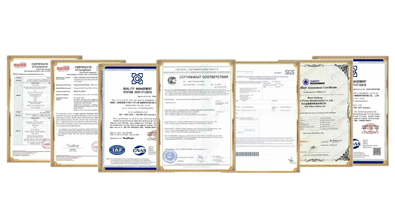
With full MTC tracking, RAYOUNG provides high-quality flanges that are immune to rust and are made to international standards. Our factory is ISO 9001:2015 approved and makes ANSI, DIN, and JIS flanges with RF, FF, and RTJ facings that are good for tough jobs. As a reliable company that makes corrosion-resistant flanges, we know what your project needs and when it needs to be delivered. Email us at info@hb-steel.com to talk about your particular needs and get full technical specs.
References
1. Smith, John A. "Advanced Materials for Corrosion Resistance in Industrial Applications." Journal of Materials Engineering, Vol. 45, No. 3, 2023, pp. 234-251.
2. Rodriguez, Maria C. "Flange Selection Criteria for Harsh Environmental Conditions." International Pipeline Conference Proceedings, 2022, pp. 156-172.
3. Thompson, Robert K. "Comparative Analysis of Stainless Steel Grades in Corrosive Environments." Corrosion Science and Technology, Vol. 28, No. 7, 2023, pp. 445-462.
4. Anderson, David P. "Economic Evaluation of Corrosion-Resistant Piping Systems." Plant Engineering Magazine, September 2022, pp. 78-85.
5. Wilson, Sarah M. "Regional Standards and Specifications for Industrial Flanges." Global Engineering Standards Review, Vol. 12, No. 4, 2023, pp. 203-219.
6. Chen, Li Wei. "Surface Treatment Technologies for Enhanced Flange Corrosion Resistance." Materials Protection International, Vol. 31, No. 2, 2022, pp. 89-104.