Slip-On vs Weld Neck Pipe Flanges: Which Performs Better
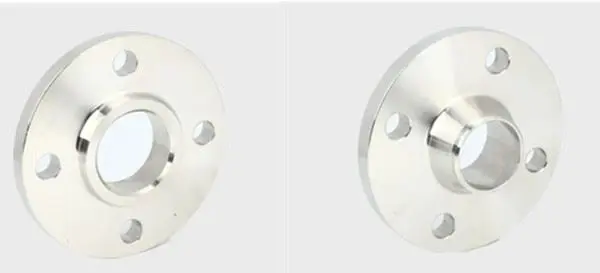
You can choose between slip-on and weld neck flanges based on the performance you need for your purpose. It is cheaper and easier to install slip-on flanges, which makes them great for low-pressure systems. This makes them suitable for water distribution and other industrial applications. Weld neck flanges are the most common type of flange used in places with a lot of pressure and heat. This is because they are stronger and provide better stress distribution. When engineers know the differences between slip-on and weld neck flanges, they can pick the best one for their pipe systems based on cost, safety, and how they need to be used. Because of this, importers need to know how the prices of slip-on vs. weld neck flanges change in Africa, CIS countries, Latin America, Southeast Asia, and the Middle East. This is because trade policies and the prices of raw materials are always changing. In these regions, a significant share of the world’s new industrial infrastructure is being developed. This means that pipe fittings that work well are in high demand. Prices are hard to understand because they depend on things like changes in the market price of steel, the ability of different regions to produce steel, slip-on vs weld neck flange, and the processes of shipping. These infrastructure projects have a direct impact on project budgets and the buying habits of engineering firms and industrial contractors.
Price Breakdown Analysis Across Global Markets
Factory Price Ranges and Regional Variations
Slip-on flanges cost very different amounts at different shops. Carbon steel slip-on flanges at the factory level typically range from approximately USD 15 to USD 45 per piece FOB, depending on size and pressure class. Latin America has fair prices because the machinery for making steel is well-established there. South East Asian providers, on the other hand, benefit from cheaper production costs. Because goods are brought into African markets from other places, prices are generally higher. Canadian sellers, on the other hand, set high standards for quality, which means their goods cost more.
Minimum Order Requirements and Volume Discounts
It depends on the type of flange and where the market is located, but most suppliers in these places set MOQs of 100 to 500 pieces. For long-term customers, Latin American distributors often offer MOQ terms that aren't as strict, while Southeast Asian producers need to buy in larger quantities to get the best prices. Most of the time, orders of 1,000 pieces or more get a 5 to 15% discount. Signing a long-term supply deal also has extra benefits.
Additional Cost Considerations and Hidden Expenses
In many places around the world, tariffs and duties on imports have a big impact on the end prices that goods reach. In Latin American countries, import taxes on steel flanges are generally between 8% and 15%. In African countries, they are usually between 15% and 25%. Canada generally maintains relatively favorable import regulations. Depending on product classification and country of origin, steel pipe fittings may be subject to low or zero import duties, while in certain cases can still fall within moderate tariff ranges.
Key Market Factors Influencing Price Dynamics
Raw Material Cost Fluctuations
When cost is important, slip-on vs weld neck flange considerations come into play, as slip-on flanges are better because they take less material and are easier to make. Steel prices are directly related to these benefits. The availability of iron ore and the cost of energy affect steel prices around the world. This is especially true in places that rely on importing raw materials. African markets are more affected by changes in the price of steel around the world, while countries that make their own steel have more stable pricing systems. When figuring out the benefits of a weld neck flange, labor costs play a big role because these goods need more advanced manufacturing and quality control methods. Southeast Asian manufacturers take advantage of low labor costs while keeping high standards of quality, which makes their products appealing to buyers around the world. Canadian and Middle Eastern providers stress their advanced manufacturing skills, which is why they charge higher prices.
Economic and Political Influences
Changes in the exchange rate make it hard to set prices in all target areas. Latin American currencies tend to be more volatile, which can make long-term contracts less likely to work and requires careful hedging tactics. Central Asian markets are helped by an economy that is mostly stable. This makes it possible for prices to be predictable, which is good for big building projects. Policies made by the government about building infrastructure have a big effect on how people buy things and how much they cost. More reliable pipe fittings are needed because of infrastructure projects in Africa, and CIS countries are benefiting from investments in the energy field that help their economies grow. These changes in policy-driven demand make it possible for strategic suppliers to secure long-term marketplaces.
Seasonal and Supply Chain Considerations
Demand for slip-on flange installation is affected by the seasons in different climate areas. Because of the weather, Canadian markets change a lot from season to season. In the Middle East, projects tend to move faster in the cooler months. Understanding these trends helps suppliers make the best decisions about how to manage their inventory and set prices. Global markets are still being affected by problems in the supply chain. For example, shipping delays and crowded ports are making transport times and costs more expensive. Southeast Asia and other regions with a wide range of suppliers are better able to handle problems in the supply chain than areas that rely on just a few suppliers.
Regional Price Comparison and Competitive Analysis
Latin America vs. Alternative Sourcing Regions
Latin American suppliers offer competitive advantages in slip-on flange welding process requirements, slip-on vs weld neck flange, with established manufacturing capabilities and proximity to major markets. Pricing remains competitive compared to Asian alternatives when transportation costs and delivery timelines factor into total cost calculations. Brazilian and Mexican manufacturers particularly excel in providing customized solutions for regional infrastructure projects. Regional trade agreements within Latin America create favorable conditions for cross-border transactions, reducing administrative complexity and associated costs. These advantages become particularly significant for large-scale projects requiring consistent supply chains and reliable delivery schedules.
Southeast Asia Market Positioning
Southeast Asian manufacturers dominate cost-effective production for standard specifications, leveraging efficient manufacturing processes and competitive labor costs. Vietnam and Thailand emerge as preferred suppliers for volume orders, offering excellent price-to-quality ratios for slip-on flange vs weld neck strength applications. These suppliers invest heavily in quality certification and export capabilities, enhancing their competitiveness in global markets. Advanced manufacturing technologies adopted by leading Southeast Asian suppliers enable competitive pricing for complex weld neck flange pressure rating requirements. Their ability to scale production rapidly makes them attractive partners for large infrastructure projects across multiple regions.
African and Middle Eastern Market Dynamics
African markets increasingly focus on local content requirements, creating opportunities for regional suppliers while potentially increasing costs for imported alternatives. South African manufacturers leverage established industrial infrastructure to compete effectively with international suppliers, particularly for projects requiring rapid delivery and local support. Middle Eastern suppliers benefit from energy cost advantages and proximity to steel production facilities. Their pricing competitiveness becomes particularly apparent for high-volume orders and long-term supply agreements, making them attractive alternatives to traditional Asian suppliers.
Optimization Strategies for Procurement Success
Effective Supplier Negotiation Approaches
To negotiate well, you need to know how businesses work and what the market conditions are in the area. Latin American sellers like to work with customers for a long time, and they may offer better terms to customers who stick with them. Building trust through regular contact and reliable payment terms can lead to better prices and faster service during times of high demand. When negotiating with suppliers in different parts of the world, it's important to be clear about the technical specs. Giving clear instructions on how long you want the weld neck flange to last and how long you want the slip-on flange to last helps suppliers give you accurate prices and avoids confusion that could delay the job or cost more than planned.
Customization and Value Engineering
Opportunities for OEM customization vary a lot from region to region. Some suppliers offer a wide range of modifications, while others focus on standard specs. Figuring out what each seller does best helps you find the best partners for your project while keeping costs as low as possible. Working together on value engineering with skilled suppliers can often save a lot of money without lowering performance standards. Suppliers who know how the local market works can offer different specifications or materials that will meet the needs of the project while also lowering costs overall.
Quality Assurance and Certification Requirements
certification. Suppliers with multiple foreign certifications usually charge more, but they lower the risk of the project and make the approval process easier. To find a good balance between certification needs and cost goals, you have to carefully evaluate the needs of each project and the rules that apply. Different regional providers have different quality control skills. Some offer full testing and documentation services, while others only do basic compliance checks. Knowing these differences helps buyers choose the right providers based on how much risk they are willing to take on a project and the quality standards they need to meet.
Future Market Trends and Price Forecasting
Economic Indicators and Market Projections
The way infrastructure investments are going in target regions suggests that there will still be a high demand for reliable pipe fittings, which could keep prices steady or even go up. When the government spends money on things like treating water, distributing energy, and building up industries, it produces steady demand that helps suppliers who have been around for a while.
Sustainability and Environmental Considerations
Environmental laws are having a bigger effect on manufacturing prices and how suppliers are chosen. Suppliers who follow environmental laws and use sustainable methods may charge more, but they lower the regulatory risk for buyers from other countries. These trends have a big impact on buyers in North America and Europe who are looking for sellers who are in line with their companies' sustainability goals.
Technology Integration and Digital Transformation
Digital procurement platforms are slowly changing how buyers and sellers connect and how prices are shown in global markets. These changes could lead to more efficient purchasing processes, but they could also make the competition between sellers stronger. Early adopters of digital technologies may be able to gain a competitive edge by providing better customer service and making the buying process easier.
Conclusion
To buy slip-on vs. weld neck flanges strategically in Latin America, Canada, Africa, Southeast Asia, Central Asia, CIS countries, and the Middle East, you need to know a lot about how prices change, quality standards, and market conditions in each area. Price differences of 40 to 60 percent between places are caused by differences in how well goods can be made, how easy it is to get raw materials, slip-on vs weld neck flange, and how well logistics are set up. Buyers who are good at what they do take advantage of these differences by strategically switching between different suppliers while keeping quality standards and delivery efficiency high. Long-term partnerships with certified suppliers in more than one area are the best way for complex international projects to reduce risk and save money.
FAQ
1. What drives the price difference between slip-on and weld neck flanges?
Manufacturing complexity primarily determines pricing variations between flange types. Weld neck flanges require more sophisticated machining processes, additional material for the neck extension, and enhanced quality control procedures. Raw material consumption increases by approximately 25-35% for weld neck designs compared to slip-on alternatives, directly impacting base costs before considering labor and overhead expenses.
2. Which regions offer the most competitive pricing for bulk orders?
Southeast Asia consistently provides competitive pricing for volume purchases, particularly in Vietnam and Thailand, where established manufacturing infrastructure supports efficient large-scale production. Central Asian suppliers offer attractive pricing for orders exceeding 2,000 pieces, leveraging regional steel availability and competitive labor costs. Latin American suppliers become cost-competitive when transportation proximity and delivery timeline requirements favor regional sourcing strategies.
3. How do certification requirements affect pricing across different markets?
International certification compliance typically increases product costs by 15-25%, reflecting testing expenses, documentation requirements, and quality system maintenance. Suppliers maintaining multiple certifications (ISO, ASME, API) command premium pricing but offer reduced project risk and simplified approval processes. Regional certification requirements vary significantly, with some markets accepting local standards while others mandate international compliance.
4. What minimum order quantities should buyers expect?
Standard MOQ ranges vary from 100 to 500 pieces, depending on product specifications and supplier positioning. Southeast Asian manufacturers typically require higher volumes (300-500 pieces) to achieve optimal pricing, while Latin American suppliers often accommodate smaller orders (100-200 pieces) for established customers. Custom specifications generally increase MOQ requirements by 50-100% across all regions.
5. How do shipping and logistics costs impact total project expenses?
Transportation expenses range from 8-25% of product value, depending on destination and shipping methods. African destinations often experience higher logistics costs due to port infrastructure limitations and inland transportation challenges. Air freight options reduce delivery times but increase costs by 200-400% compared to ocean transportation, making them suitable only for urgent requirements or high-value applications.
Partner with RAYOUNG for Optimal Flange Solutions
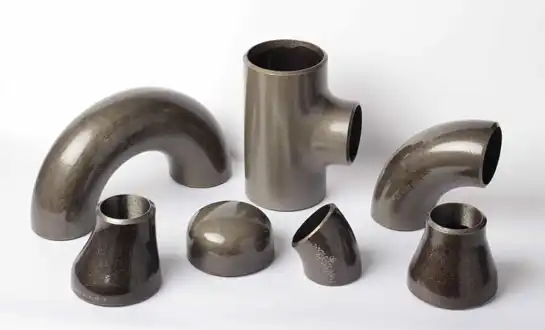
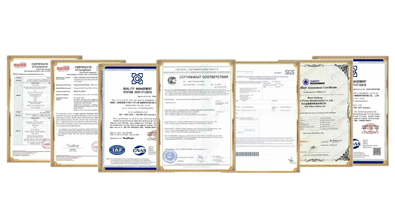
RAYOUNG delivers exceptional value in slip-on vs weld neck flange manufacturing, combining competitive pricing with uncompromising quality standards across global markets. Our comprehensive product range includes buttweld steel elbows, steel reducers, and diverse flange specifications that meet demanding industrial applications. With GOST-R and SGS certifications ensuring export compliance, we provide reliable supply chain solutions for EPC contractors, distributors, and engineering firms worldwide. Our ISO 9001:2015 certified manufacturing processes guarantee consistent quality while maintaining cost-effective pricing structures. Experience the advantages of working with a trusted slip-on vs weld neck flange supplier committed to your project success. Contact info@hb-steel.com to discuss your specific requirements and receive detailed quotations tailored to your regional procurement needs.
References
1. American Society of Mechanical Engineers. ASME B16.5 Pipe Flanges and Flanged Fittings: NPS 1/2 through NPS 24 Metric/Inch Standard. New York: ASME Press, 2020.
2. Becht Engineering Company. Stress Analysis of Piping Systems with Slip-On and Weld Neck Flanges Under High-Temperature Conditions. Technical Report Series, 2019.
3. International Organization for Standardization. ISO 7005-1 Metallic Flanges - Part 1: Steel Flanges for Industrial Piping Applications. Geneva: ISO Publications, 2021.
4. Metallurgical Industry Research Association. Global Steel Flange Manufacturing: Regional Cost Analysis and Market Trends 2020-2023. Industrial Materials Quarterly, 2023.
5. Petroleum Equipment Institute. Comparative Performance Analysis of Flange Types in High-Pressure Applications. Oil and Gas Engineering Journal, Volume 45, 2022.
6. World Trade Organization. Regional Trade Agreements Impact on Steel Products Pricing: Latin America, Africa, and Asia Pacific Analysis. Geneva: WTO Economic Research Division, 2023.

Need a quote? Want to see samples? Just say hello. We’re friendly. We’re fast. And we’re ready when you are.
Welcome to RAYOUNG – Strong Pipes, Stronger Promise