When choosing the right flange gasket for high-pressure pipe systems, you need to think carefully about the closing surface features, pressure ratings, and temperature limits. A good seal makes sure that links don't leak, stops expensive downtime, and keeps the system's integrity even in harsh circumstances. Knowing the standards for gaskets, how to install them, and whether they work with ANSI, DIN, and JIS flanges helps engineers make choices that lower project risks and guarantee long-term dependability.
Understanding High-Pressure Sealing Requirements
For high-pressure pipe systems to stay safe and avoid catastrophic breakdowns, the seals must work exceptionally well. When working pressures go above normal operating ranges, often corresponding to higher ASME pressure classes (such as Class 600 and above), gasket choice becomes very important. How well a seal material works and how long it lasts depends on how well it works with chemicals, pressure, and temperature.
System makers have to look at a lot of things at once. Pressure number alone doesn't mean the gasket will work; changing temperatures, chemical contact, and mechanical stress can all change how the gasket acts. Modern factories often have to work in tough conditions that can cause traditional closing methods to fail early.
When compared to traditional production methods, CNC-machined sealing surfaces are flatter and have a better surface finish. This level of accuracy makes sure that the gaskets make good contact, which lowers stress levels that can cause them to fail early. When working with high-performance gasket materials that need exact closing conditions, better surface quality is even more important.
Gasket Material Selection for Different Applications
Choice of flange gasket material has a direct effect on how reliable the system is and how much it costs to maintain. Nitrile rubber and other elastomeric materials work well in normal temperatures and pressures, but they may break down in harsh circumstances. PTFE flange gaskets are highly chemically resistant, but they require careful installation to prevent cold flow and creep under high pressure.
For high-pressure and high-temperature applications, metallic seals are often the most suitable option. These include spiral-wound and solid metal forms. Even in harsh situations, these seals keep their closing integrity and last a long time. However, metallic gasket types require compatible flange facing designs and careful torque control during installation.
The benefits of different types of gaskets are combined in composite materials. Fiber-reinforced fabrics are better at handling pressure and are resistant to chemicals. Modern composite designs use engineered fibers and fillers that remain flexible and resist chemical degradation and compression set.
Chemical protection is only one part of material compatibility. When the temperature changes, differences in how the flange gasket and flange materials expand and contract can make fitting difficult. Knowing about these temperature effects can help stop leaks from happening and make flange gaskets last longer.
Standard Flange Facing Types and Compatibility
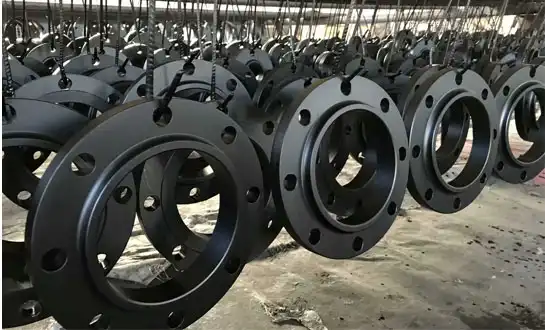
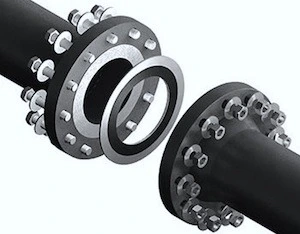
Certain flange facing designs are defined by ANSI, DIN, and JIS standards. These configurations affect the choice of seal and how well it works. Many people still use raised face (RF) flanges because they are easy to make, don't cost too much, and close well with different types of gaskets.
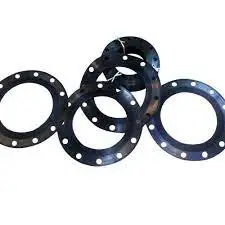
Full-face gaskets and flat-face (FF) flanges work well together because the bolt loads are spread out evenly over the whole closing area. This design works well in situations where stress is spread out evenly and doesn't cause seal damage or flange warping. FF designs are common in equipment with glass lines and flange materials that are easy to break.
Ring-type joint (RTJ) flanges can be used in high-pressure situations that need metal sealing rings. The groove design focuses the binding forces on the metal ring, making it very hard for leaks to happen even in harsh circumstances. To work at their best, RTJ systems need to be installed correctly and with strict quality control.
How to place the gasket and what kind of performance you can expect depend on how well it works with different types of faces. If you use the wrong gasket designs with the wrong flange facings, you could end up with leaks, damaged gaskets, or flanges that break down. Knowing about these connections stops mistakes during installation that cost a lot of money and earlier failures.
Installation Best Practices and Torque Specifications
Using the right fitting methods has a big effect on how well and how long a seal lasts in high-pressure systems. The way the bolts are tightened affects how the stress is distributed across the gasket surface. Tightening the bolts in a star or cross design distributes the stress more evenly than tightening them one at a time around the flange.
Specifications for torque depend on the type of seal, the size of the joint, and the conditions of use. Leaks can happen when the bolts are too loose, and damage to the seals or stress concentrations can happen when the bolts are too tight. These days, hydraulic tensioning is often used for big flanges during installation to make sure that all the bolts are loaded evenly.
Preparing the surface before installing the flange gasket gets rid of old gasket material, rust products, and other things that stop the gasket from closing properly. Smooth, clean surfaces make it easier for the flange gasket to touch them and lower the chance of stress buildup that can lead to failure before they're supposed to.
Full MTC tracking and installation paperwork help keep quality control up throughout the duration of a project. Keeping good records helps with finding problems, planning maintenance, and making sure that rules are followed when needed by industry standards or customer requests.
Temperature and Pressure Rating Considerations
More often than not, application ranges are limited more by temperature effects on seal materials than by pressure grades alone. High temperatures speed up the breakdown of chemicals, weaken materials, and make it easier for chemicals to pass through polymer seals. Knowing these limits stops mistakes and safety issues before they happen.
Temperature derating factors listed in the gasket manufacturer's data sheets must be taken into account when figuring out the pressure values. Due to changes in the material's properties, a seal that can handle 1500 PSI at room temperature may be rated for significantly lower pressure at elevated temperatures.
By repeatedly expanding and contracting, thermal cycling puts more stress on the materials used in gaskets. This cycling can make the gasket loosen, which lowers the binding force and could lead to leaks. When designing something, you should think about how the temperature will change during everyday use.
When it comes to choosing gaskets, vacuum service presents different challenges. Things that work well under positive pressure might not lock well enough when there is no pressure. Knowing these differences can help keep complex process systems from breaking down without warning.
Quality Control and Testing Requirements
Quality control methods make sure that the seal works well and meets the needs of the project. Dimensional checking makes sure that the width, diameter, and finish of the flange gasket's surface meet the standards of the drawing. Material approval papers confirm the chemical makeup and mechanical properties of a substance.
Hydrostatic testing makes sure that the seal works well in real-world situations. Before the system is put into service, these tests find possible leak paths and make sure the installation was done correctly. For example, ASME B31.3 or a similar foreign code should be used to guide the testing process.
Metal seals that are used in tough settings can be protected against rust by hot-dip galvanizing. This treatment makes the product last longer while keeping the dimensions and quality of the finish. Hot-dip galvanizing is commonly applied to flanges and bolting components, providing enhanced corrosion resistance in marine, chemical, and outdoor environments.
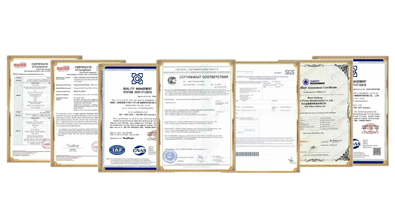
Having ISO 9001:2015 approval makes sure that the methods used for making and quality control are always the same. This approval gives customers trust in the product's dependability and meets their needs for quality management system compliance.
Troubleshooting Common Gasket Problems
Analysis of gasket failure helps find the root reasons for problems and stop them from happening again. Compression set, chemical degradation, mechanical damage, and bad fitting are all common ways for things to fail. Knowing how these things fail helps you choose the right materials and follow the right construction steps.
There are many ways to find a leak, from eye inspection to complex computer tracking systems. If you find leaks early, you can stop small problems from getting worse and needing emergency fixes. Setting up regular check times can help find seal wear before it fails.
When planning a replacement, the expected working life of the seal and its upkeep routine are taken into account. Predictive maintenance programs use past operations and condition monitoring to figure out the best time to replace parts. This cuts down on both planned and unplanned downtime.
Keeping track of how well gaskets work helps improve the selection criteria for future projects. This experience base helps designers make better choices and lowers project risks and costs by making it easier to choose materials and put them together correctly.
Conclusion
To choose the right seal for high-pressure pipe systems, you need to know about the qualities of the material, how it needs to be installed, and how it will be used. The right choice lowers the danger of the project, lowers the cost of upkeep, and guarantees safe, effective operation throughout the system's lifetime. Working with experienced sellers who offer good paperwork, expert support, and tried-and-true products is a good way to make sure that the project runs smoothly and stays within the tight budget and time limits. Investing in good sealing solutions pays off in the form of less downtime, lower upkeep costs, and more reliable systems.
Partner with RAYOUNG for Reliable Flange Solutions
RAYOUNG offers complete flange gasket solutions that are backed by SGS and GOST-R standards to make sure they are export-friendly and of high quality. Our knowledge of ANSI, DIN, and JIS standard flanges, along with our CNC-machined sealing surfaces and full MTC tracking, makes sure that your high-pressure systems work safely and effectively. As a reliable flange gasket seller, we know how important it is to keep project risks to a minimum while still meeting tight deadlines and staying within budget. Email us at info@hb-steel.com to talk about your particular needs.
References
1. American Society of Mechanical Engineers. "ASME B16.20-2017: Metallic Gaskets for Pipe Flanges—Ring Joint, Spiral Wound, and Jacketed." ASME International, 2017.
2. Bickford, John H. "An Introduction to the Design and Behavior of Bolted Joints, Fourth Edition, Revised and Expanded." CRC Press, 2008.
3. British Standards Institution. "BS EN 1514-1:1997 Flanges and their joints—Dimensions of gaskets for PN-designated flanges - Part 1: Non-metallic flat gaskets with or without inserts." BSI Standards, 1997.
4. International Organization for Standardization. "ISO 3601-1:2012 Fluid power systems—O-rings—Part 1: Inside diameters, cross-sections, tolerances, and designation codes." ISO Publications, 2012.
5. Paulus, Donald M., and Richards, Robert E. "Gaskets and Gasketed Joints, Second Edition." Marcel Dekker Inc., 2003.
6. Roos, Erich, and Maile, Karl. "Werkstoffkunde für Ingenieure: Grundlagen, Anwendung, Prüfung." Springer Vieweg, 2017.