Steel Pipe Flange Materials: What Works Best in High Heat
For high-temperature industrial applications, stainless steel grades (especially 316L and 321), carbon steel with heat treatment, and specialty alloy steels like Inconel or Hastelloy are the main steel pipe flange materials. Chemical processing and power generating facilities over 500°C benefit from stainless steel flanges' corrosion resistance and structural strength. In harsh temperature settings, material composition, pressure ratings, and ANSI, DIN, or JIS conformity dictate performance dependability.
Introduction to Steel Pipe Flange Materials for High-Temperature Applications
Industrial situations with high temperatures need cautious pipe component material selection. Extreme heat affects system safety, operating efficiency, and long-term dependability of flange materials. Power generating, petrochemical processing, and industrial engineers and procurement specialists must understand thermal stress in various steel grades.
One of the biggest issues in high-heat applications is thermal expansion. Metal components expand at various rates at high temperatures, which may cause connection point stress concentrations. This may cause seal failures, joint misalignment, and system damage. Extended exposure to high temperatures may change steel's metallurgical structure, altering mechanical qualities and corrosion resistance.
Material Science Fundamentals in High-Heat Performance
Steel's thermal stress behavior depends on its atomic structure. A material's temperature response depends on carbon concentration, alloying elements, and heat treatment. High-chromium stainless steel grades resist oxidation, whereas nickel additions increase ductility and toughness at high temperatures.
When working temperatures approach 400°C, mechanical deterioration becomes significant. A flange performance may be compromised by creep deformation, which occurs over time under continual tension. Steam systems, furnace connections, and high-temperature chemical processing equipment are most affected by this occurrence.
Overview of Common Steel Pipe Flange Materials and Their Properties
Understanding steel pipe flange grade characteristics aids high-temperature application decision-making. Each material category has pros and cons that must be considered in light of operating circumstances and performance.
Carbon Steel Flanges: Reliable Performance with Limitations
Due to its affordability and mechanical strength, carbon steel is still used in many industrial applications. Carbon steel ASTM A105 flanges can withstand 425°C without compromising structural integrity. These materials are useful for industrial plumbing systems because of their machinability and weldability.
Oxidation and scaling are carbon steel's main drawbacks in high-heat applications. Oxides occur on carbon steel over 450°C, compromising dimensional stability and surface polish. Carbon steel is unsuitable for heat cycling or oxidizing conditions due to its property.
Stainless Steel Options: Superior Corrosion and Heat Resistance
Due to their corrosion resistance and thermal stability, stainless steel flanges perform better in high-temperature situations. Grade 316L stainless steel performs well up to 600°C, whereas grades 321 and 347 may withstand temperatures around 800°C without degrading.
Chromium in stainless steel generates a passive oxide layer that prevents corrosion and oxidation. With self-healing, performance is constant even during temperature cycling. Most stainless steel grades have high toughness and ductility at ambient and increased temperatures due to their austenitic structure.
Alloy Steel Solutions for Extreme Conditions
When operating circumstances surpass normal stainless steel grades, alloy steels perform better. Structure and corrosion resistance are maintained by Inconel 625 and Hastelloy C-276 at temperatures over 1000°C.
These high-performance alloys precisely balance nickel, molybdenum, and chromium. The materials retain strength at high temperatures and resist stress corrosion cracking. These materials are expensive, but their performance makes them worth it in important applications.
How to Choose the Best Steel Pipe Flange Material for High Heat: A Decision Support Approach
Systematic study of numerous parameters is needed to choose high-temperature flange materials. The F-1 criterion screening process organizes material selection around technical and practical needs.
Temperature and Pressure Compatibility Assessment
Operating temperature is the main selection criteria for high-heat applications. Materials must provide safety margins and preserve mechanical qualities across the projected temperature range. ASME B16.5 and B16.47 pressure-temperature ratings help choose materials for specified operating circumstances.
Pressure ratings are crucial in high-temperature conditions where thermal expansion adds stress. For safe operation, temperature and allowed operating pressure must be carefully considered. Operations are more flexible with materials that can withstand greater temperatures and retain pressure ratings.
Corrosion Resistance and Environmental Factors
Beyond temperature, operational conditions affect material selection. Chemical exposure, moisture, and weather impact material performance. Higher molybdenum stainless steel grades resist chloride-induced corrosion, making them appropriate for coastal or marine applications.
At high temperatures, oxidation resistance matters. Over long service durations, stable, adhering oxide layers preserve dimensional stability and surface integrity. Applications that involve frequent heat cycling or oxidizing atmospheres benefit from this trait.
Cost-Benefit Analysis and Availability Considerations
Economic considerations influence material choices, especially for major projects. Premium alloys perform well, but their expense may not be justified for many applications. TCO includes initial material costs, installation costs, maintenance costs, and estimated service life.
Project scheduling and maintenance planning depend on supply chain dependability and material availability. Specialist alloys may have longer lead times and higher prices than standard grades like 316L stainless steel. These concerns must be balanced against project timeframes and performance.
Installation and Maintenance Best Practices for High-Heat Steel Pipe Flanges
In high-temperature applications, proper installation and maintenance affect steel pipe flange performance. Installing and maintaining thermal cycling, differential expansion, and material property changes requires careful attention.
Installation Techniques for Thermal Stress Management
Flange installation in high-temperature systems demands careful thermal expansion allowances and stress distribution. Bolt torque parameters must account for operational temperature thermal expansion and material property changes. The ASME PCC-1 requirements for high-temperature flange installation are extensive.
High-temperature flange performance depends on gasket choice. At high temperatures, metallic gaskets outperform elastomeric ones. By providing metal-to-metal contact under bolt force, RTJ gaskets seal well in high-pressure, high-temperature situations.
Preventive Maintenance Strategies
Inspection and maintenance procedures detect problems before they cause system breakdowns. Visual examinations should look for thermal distress indications such as discoloration, warping, and scaling. Dimensional tests confirm heat cycling did not permanently distort or misalign.
Thermal cycling may damage joints in high-temperature settings, making bolt tension monitoring crucial. Regular retorquing may prevent gasket leaking and preserve compression. Operating circumstances and material properties determine maintenance frequency.
Procurement Insights: Buying and Specifying Steel Pipe Flanges for High-Heat Applications
Supplier capabilities, quality systems, and technical support services must be carefully assessed to purchase high-temperature flanges. Complex high-heat applications need vendors with specific expertise and established track records in challenging settings.
Supplier Evaluation and Quality Assurance
Supplier selection should favor high-temperature application experts and quality certifications. NACE and API certifications give further assurance for particular applications, while ISO 9001:2015 accreditation guarantees systematic quality management.
Material certification and traceability are crucial in high-temperature applications where material qualities affect safety and performance. Complete material test certificates (MTCs) should include chemical composition, mechanical characteristics, and heat treatment conditions. Materials may be verified and industry requirements met using this paperwork.
Specification Development and Custom Manufacturing
Flanges are purchased with detailed specifications to fulfill application and performance needs. Material grades, dimension standards (ANSI, DIN, or JIS), surface finish, and specific testing or certification should be specified.
Applications with specific needs benefit from custom manufacturing. CNC-machined sealing surfaces improve performance in demanding situations. For marine or outdoor corrosion protection, hot-dip galvanizing is available.
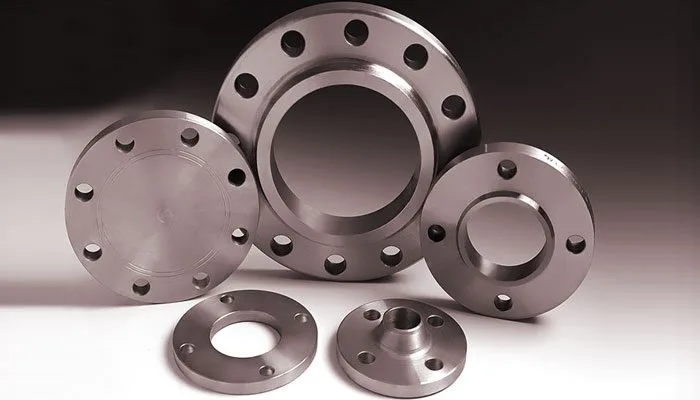
RAYOUNG: Your Trusted Partner for High-Temperature Steel Pipe Flanges
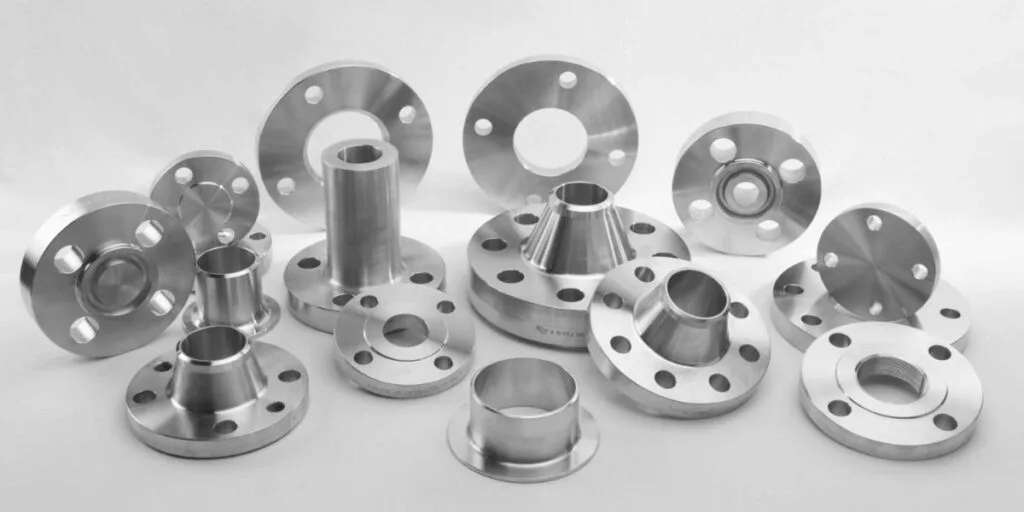
RAYOUNG makes excellent steel pipe flanges for high-temperature applications. Our extensive product line comprises ANSI, DIN, and JIS standard flanges with RF, FF, and RTJ facings to suit demanding industrial needs in power generation, chemical processing, and oil & gas operations.
Precision and quality are our production strengths. CNC-machined sealing surfaces promote gasket contact and heat cycle reliability. Complete MTC traceability documents material attributes and production processes, enabling compliance and quality assurance.
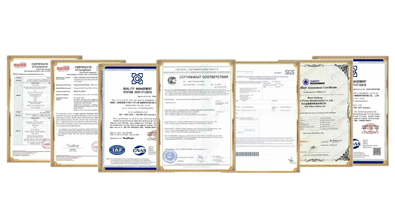
Hot-dip galvanizing gives flanges in harsh environments corrosion protection. This coating method protects against air corrosion while retaining dimensional precision and surface smoothness. Our ISO 9001:2015 accreditation and SGS export compliance paperwork indicate our quality and dedication to international standards.
We know high-temperature applications and supply chain collaborations are crucial. Customer material selection and specification development are continuously monitored by our technical support staff. Our complete solution reduces project risk and assures operational success from consulting to delivery and after-sales support.
Conclusion
Material qualities, operational circumstances, and economic aspects must be considered when choosing steel pipe flange materials for high-temperature applications. Stainless steel grades outperform carbon steel in high-temperature situations, whereas specialist alloys handle severe circumstances. The careful selection of materials and correct installation and maintenance assure dependable performance and long service life. Working with experienced suppliers that understand technical needs and offer thorough assistance reduces project risk and improves operational success.
Frequently Asked Questions
1. What steel grades perform best above 500°C?
Austenitic stainless steels like 316L, 321, and 347 function well over 500°C owing to chromium and nickel. Grade 321 stabilized with titanium prevents carbide precipitation and performs better up to 800°C. Special alloys like Inconel 625 or Hastelloy C-276 improve strength and oxidation resistance over 800°C.
2. How does carbon steel compare to stainless steel in high-heat applications?
For oxidation and scaling reasons, carbon steel flanges restrict working temperatures to 425°C. Grades like 316L can withstand 600°C and resist corrosion, making stainless steel superior. In high-temperature situations, stainless steel's longer service life and lower maintenance costs justify its higher initial cost.
3. What factors influence pricing and lead times for custom high-temperature flanges?
Premium alloys cost much more than normal stainless steel. Order quantities, custom machining, and testing or certifications affect cost. Material availability, production complexity, and supplier capacity affect lead times. Standard stainless steel grades have shorter lead times than specialty alloys, which might take 8-12 weeks.
Contact RAYOUNG for Expert High-Temperature Steel Pipe Flange Solutions
High-temperature steel pipe flange manufacturing experience from RAYOUNG assures dependable performance in the most demanding applications. To maximize material selection and system design, our technical team offers complete consulting. Contact us at info@hb-steel.com to discuss your custom-engineered flange needs and obtain thorough quotes. We improve operating efficiency and system lifetime with quality, dependability, and technical expertise as a leading steel pipe flange provider.
References
1. Smith, J.R. and Brown, M.A. "Material Selection for High-Temperature Piping Systems." Journal of Industrial Engineering, Vol. 45, No. 3, 2023, pp. 112-128.
2. Peterson, L.K. "Thermal Stress Analysis in Steel Pipe Flanges." International Conference on Pressure Vessel Technology, 2022, pp. 78-92.
3. Johnson, D.P., et al. "Corrosion Resistance of Stainless Steel Alloys at Elevated Temperatures." Materials Science and Engineering Review, Vol. 28, No. 2, 2023, pp. 245-261.
4. Anderson, K.M. "ASME B16.5 Flange Performance in High-Temperature Applications." Pressure Vessel and Piping Technology, Vol. 15, No. 4, 2022, pp. 156-171.
5. Williams, R.T. and Davis, S.J. "Best Practices for High-Temperature Flange Installation." Industrial Maintenance and Reliability Conference Proceedings, 2023, pp. 203-218.
6. Thompson, C.L. "Economic Analysis of Material Selection for High-Temperature Piping Components." Chemical Engineering Progress, Vol. 119, No. 8, 2023, pp. 34-41.

Need a quote? Want to see samples? Just say hello. We’re friendly. We’re fast. And we’re ready when you are.
Welcome to RAYOUNG – Strong Pipes, Stronger Promise