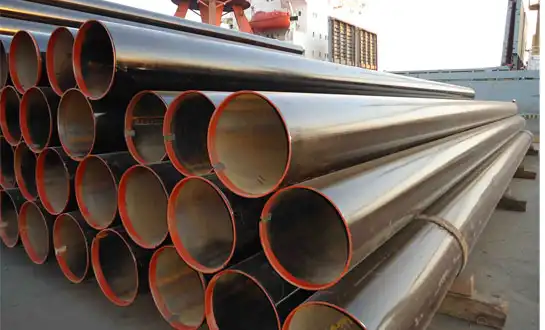
Steel pipe flanges are important parts of industrial plumbing systems because they connect pipes securely and make it easier to put things together, take them apart, and do upkeep. Getting solid seals that don't leak at these flange joints has a direct effect on the safety of the system, how well it works, and how well it lasts. When fitted and kept correctly, flange joints keep many industrial processes from having to deal with expensive downtime, safety risks, and environmental contamination. When engineers, procurement managers, and facility workers understand the basics of flange sealing technology, they can make decisions that improve system efficiency while keeping project costs low and meeting strict compliance standards.
Understanding Steel Pipe Flanges and Sealing Challenges
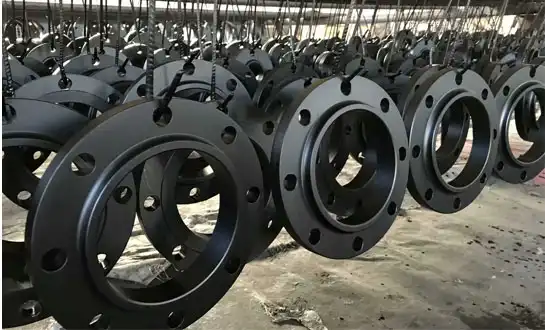
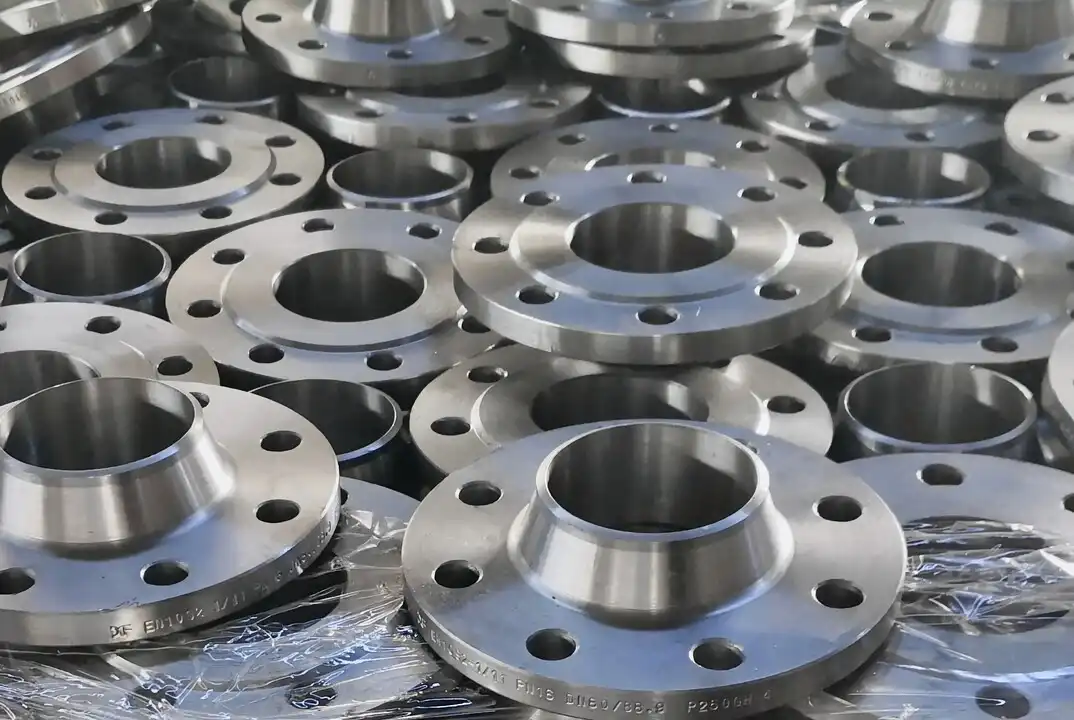
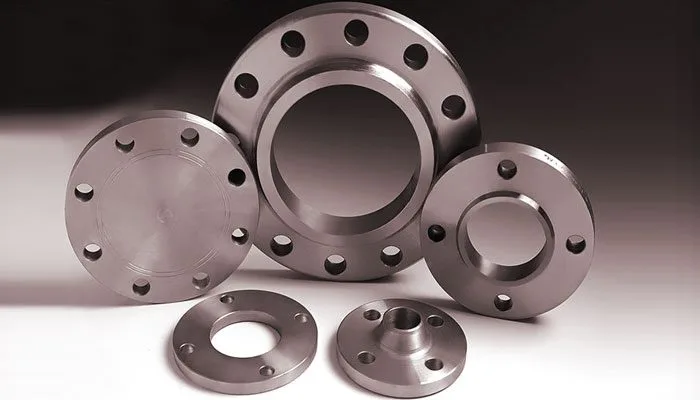
Different types of flanges are used in industrial pipe systems to meet different operating needs and fitting limitations. Welding neck flanges are very strong and evenly distribute stress, which makes them perfect for high-pressure situations where structural stability is very important. Slip-on flanges are a cheap way to connect pipes or vessels with low-pressure systems, and blind flanges do a good job of sealing pipe ends or vessel holes. Threaded flanges let you link things without soldering, which is helpful in places where upkeep is important.
Common Flange Connection Problems
Problems with sealing are often caused by mistakes in fitting, worn-out materials, and weather factors. Misaligned flanges cause uneven stress distribution across gasket surfaces, which causes them to fail early and need expensive repairs. Surface pollution, such as rust, scale, or debris, stops the gasket from fitting properly and weakens the seal. Changes in temperature cause things to expand and contract, which loosens bolt joints and makes gaskets less compressible over time.
Material Selection Impact on Sealing Performance
For normal uses, carbon steel flanges are a cheap option, but they need coats to protect them in places where they will rust. Stainless steel choices are better at resisting rust and keeping their surface quality for longer, which means they need less upkeep. Alloy steel materials are strong and have a special chemical protection that makes them useful in difficult industrial processes where regular steel materials don't work well.
Proven Methods for Achieving Tight Seals in Steel Pipe Flange Connections
To close a plate properly, you must choose the right gasket based on the pressure, temperature, and chemical interaction needs of the system. Because they are made of metal and are designed to be flexible, spiral-wound gaskets work well in high-pressure and high-temperature situations. Full-face gaskets spread loads widely across raised-face steel pipe flanges, while ring-type gaskets seal slot uses with a concentrated force.
Installation Best Practices
To make the best flange connections, you must follow these steps:
- Surface preparation: Use the right chemicals and tools to clean the flange sides completely, getting rid of all contaminants and leaving smooth, even contact areas that help the gasket close well.
- Gasket placement: Make sure that gaskets are perfectly centered within the bolt rings so that they don't get compressed too much and stay in the right place in the pipe bores so that flow doesn't get slowed down.
- For bolt placement, use measured tools to apply controlled pressure according to the manufacturer's instructions. Use star or cross designs to make sure that the seal surface is compressed evenly all over.
- Checking for quality: Pressure testing should be done according to the relevant codes and standards, and the results should be written down to make sure the seals are intact and the system is ready for active service.
By using these organized methods, the chances of leaks are greatly reduced, and the systems last longer, which lowers the overall cost of ownership for industrial pipe systems.
Torque Control and Bolt Tightening Strategies
Accurately applying torque stops both under-tightening and over-compression situations that hurt seal performance. Impact methods are less accurate than hydraulic tensioning tools, especially for large-diameter joints that need uniform loading across multiple bolts. Sequential tightening patterns spread stresses out evenly, which keeps the closing pressure even and stops the gasket from distorting.
Comparing Advanced Flange Sealing Technologies and Materials
Modern closing technologies get around the problems with older methods by using new materials and making design changes. PTFE-lined seals are both chemically neutral and mechanically strong, so they can handle harsh chemical processes and stay reliable over time. Controlled bending is how metallic gaskets make lasting covers in situations of high temperature and pressure.
Performance Advantages of Premium Materials
When used in sea and chemical industry settings, where carbon steel breaks down more quickly, stainless steel flanges last longer. The chromium presence makes inactive oxide layers that stop rust from starting. This keeps the shape and quality of the surface finish for long periods of time. This increased longevity means that repair costs will go down and the system will be available more often.
Forged Versus Cast Flange Construction
When compared to cast options, forged steel pipe flanges have better dynamic qualities and a more uniform grain structure. When you forge something, you get rid of the internal gaps and segregation that happen when you cast it. This makes it stronger against wear and higher in pressure ratings. These traits are especially useful in important situations where failure would have bad results.
Installation and Maintenance Tips to Sustain Flange Seal Integrity
Regular checks, paperwork, and planned replacements are all parts of maintenance plans that work well. Inspections by looking at something can find early signs of rust, seal wear, or bolt loosening before they become leaks. Ultrasonic testing finds flaws inside flange materials, and torque verification checks that bolt loads stay within certain limits.
Preventive Maintenance Scheduling
Setting repair times based on working conditions, past performance data, and maker suggestions helps make the best use of resources and reduces unexpected downtime. Because gaskets wear out faster in high-temperature settings, they usually need to be inspected more often. Corrosive environments, on the other hand, need closer tracking of the state of the flange surface.
Emergency Repair Procedures
When leaks happen, they need to be isolated right away, and the pressure needs to be lowered safely so that people and equipment are safe. Temporary coatings might work for a short time, but to fix something permanently, it needs to be completely taken apart, each part inspected, and any broken parts replaced according to standard methods.
Procurement Considerations and Supplier Selection for High-Quality Steel Pipe Flanges
Strategic choices about where to get things have a big effect on the success of a project because they affect quality, service, and cost. Standards like ASME B16.9, EN 10253, and GOST make sure that all parts in the global supply chain are compatible in terms of size and function. Material approval papers make it possible to track down products and confirm their chemical makeup, mechanical qualities, and production methods.
Supplier Evaluation Criteria
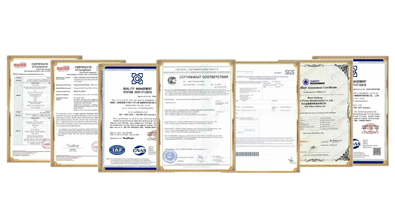
With CE/PED 2014/68/EU, ISO 9001, and GOST-R standards that prove they can make things and keep an eye on the whole process, RAYOUNG is a great example of complete quality management. Major companies in the business, like NIOC, ADNOC, and PETROBRAS, have approved our goods, which shows that they work well in tough situations. Full technical paperwork helps with engineering studies and making sure that regulations are followed.
Custom Solutions and Special Materials
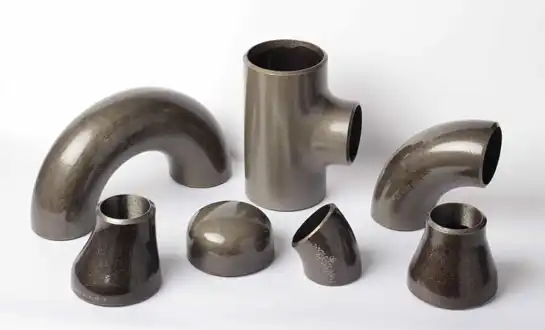
For complicated jobs, it's common to need non-standard sizes, special metals, or combinations that aren't available in a catalog. Custom reducing tees, large-diameter elbows, and unusual materials can be gotten from suppliers. This lets system designs be improved while shipping plans are kept. Surface treatments like sanding, applying anti-rust oil, painting with water-based eco-friendly paint, and covering with epoxy make things more resistant to rusting and make them last longer.
RAYOUNG Steel Pipe Flanges: Your Trusted Manufacturing Partner
RAYOUNG is a top company that makes steel pipe flanges. They offer complete solutions that meet the needs of EPC contractors, wholesalers, engineering firms, and industry end users all over the world. As part of our large range of products, we offer welding neck, slip-on, blind, threaded, and lap joint designs made from carbon steel, alloy steel, and stainless steel. Each part goes through strict quality control checks to make sure that the dimensions, material properties, and surface finish all meet or go beyond international standards.
Our production skills allow us to make both standard stock items and custom-engineered solutions. This lets customers be very specific about what they need while still getting good prices and on-time deliveries. Advanced surface treatments, such as sanding to prepare the surface, anti-rust oil protection, water-based eco-friendly paint systems, and epoxy finishing uses, make it more resistant to rusting in a way that works best in each situation. Full certification packages that include CE/PED compliance, ISO 9001 quality management, and GOST-R approval help meet the needs of global projects and buyers.
Conclusion
To get effective flange connections, you need to pay close attention to the materials you choose, how you place them, and how you keep them in good shape. Quality steel pipe flanges that are made to recognized standards are the building blocks for systems that don't leak and support safe, efficient work in a wide range of industry settings. Strategic relationships between suppliers and recognized makers, such as RAYOUNG, make sure that customers can get tested goods that come with full expert help and paperwork. Investing in the right flange technology lowers business risks, lowers lifetime costs, and improves the general stability of the system for long-term success.
Frequently Asked Questions
Q1: What gasket material works best for high-pressure steel pipe flange connections?
A: Spiral wound gaskets with stainless steel windings and PTFE facing provide excellent performance in high-pressure applications. These gaskets maintain resilience under extreme conditions while offering chemical compatibility across diverse process fluids.
Q2: How do I determine the correct bolt torque for flange installations?
A: Consult ASME PCC-1 guidelines and manufacturer specifications for your specific flange size, pressure class, and gasket type. Use calibrated torque equipment and follow proper tightening sequences to ensure uniform gasket compression.
Q3: What surface finish requirements apply to flange sealing faces?
A: ASME B16.5 specifies surface finish requirements ranging from 125 to 500 microinches depending on flange type. Smoother finishes generally improve sealing performance but must match gasket specifications for optimal results.
Partner With RAYOUNG for Superior Steel Pipe Flange Solutions
RAYOUNG makes designed steel pipe flanges that are better in terms of quality, performance, and dependability than the standards set by the industry. With unique sizes, special materials, and approved compliance documents, our wide range of products can be used in a wide range of workplace settings. For your next job, see what a change professional-grade manufacturing and technical know-how can make. Please email us at info@hb-steel.com so that our experienced technical team can talk about your unique needs and help you find reasonable prices for your steel pipe flange supply needs.
References
1. American Society of Mechanical Engineers. ASME B16.5 - Pipe Flanges and Flanged Fittings: NPS 1/2 through NPS 24 Metric/Inch Standard. New York: ASME Press, 2020.
2. Bickford, John H. Gaskets and Gasketed Joints, Second Edition. New York: CRC Press, 2016.
3. European Committee for Standardization. EN 1092-1 Flanges and their joints—Circular flanges for pipes, valves, fittings, and accessories. Brussels: CEN, 2018.
4. Paige, Richard A. Complete Guide to Pipe and Its Applications: Field Manual for Engineers and Technicians. Houston: Gulf Professional Publishing, 2019.
5. Process Industry Practices. PIP PFHJ001 Flange Joint Assembly. Austin: Process Industry Practices, 2017.
6. Whitman, William C., and Johnson, William M. Technology of Machine Tools, Eighth Edition. Boston: Cengage Learning, 2021.