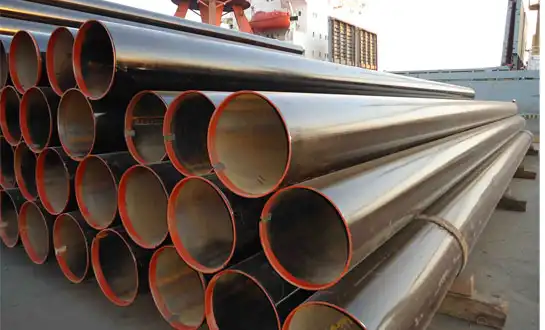
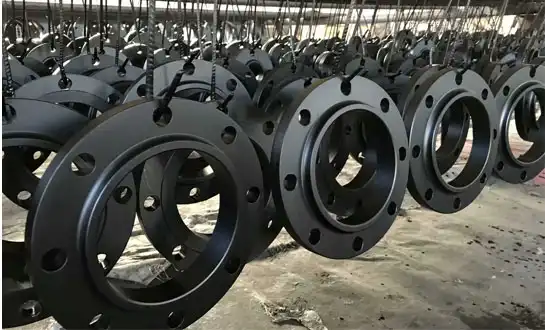
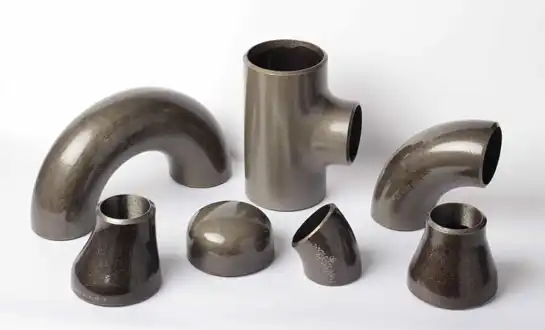
Pipe flange connections are important parts of industrial structures all over the world because they make it possible for pipes, valves, and equipment to be joined securely in a wide range of situations. These important parts are used to close wells in oil factories, gas transportation networks, water treatment plants, and HVAC systems. With different types of pipe flanges, such as those that meet ANSI, DIN, and JIS standards and have RF, FF, and RTJ facings, these parts make sure that connections don't leak even at high temperatures and pressures, keeping operations safe and running smoothly.
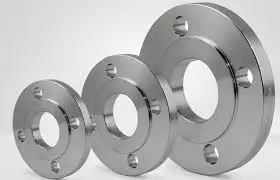
Understanding Industrial Pipe Flange Applications
Industrial pipe systems need strong ways to join that can handle rough working situations. Flanged links have parts that can be taken off and on again, so maintenance, inspections, and equipment replacements can be done without affecting the stability of the system. Because these fittings can be used in a lot of different ways, they are essential in many fields where stable fluid transport is important.
Precision engineering standards are used in modern flange design to make sure that it works with products from all over the world. CNC-machined sealing surfaces are very accurate, and full MTC tracking makes sure that quality paperwork is kept up to date throughout the supply chain. Options for hot-dip galvanizing make these parts last longer in acidic settings, which makes them perfect for tough industrial uses.
Essential Applications in Oil Industry Operations
High-performance pipe clamp joints are an important part of the oil industry's infrastructure for upstream, middle, and downstream activities. Flanged joints are used to connect processing equipment in refineries. This lets normal repair happen without stopping whole production lines. Under very high pressures of 2500 PSI or more, these links move crude oil, processed products, and different chemical compounds.
Offshore drilling sites need flange materials that don't rust and can handle saltwater and rough sea conditions. When safety must be prioritized, RTJ face types offer the best sealing performance in high-pressure wellhead uses. Because flanged connections are replaceable, equipment can be quickly replaced during important repair times.
There are flanged links at pump stations, valve sites, and pipeline ports in pipeline networks that go for thousands of miles. These smart placement points make it easier to test the system's pressure, keep an eye on it, and control the flow of fluid. Installing pipe flanges correctly makes sure that they work properly and don't leak, while also following environmental rules.
Critical Gas Distribution System Components
Specialized flange fittings made for gas service uses are used in natural gas delivery networks. For these systems to work, they need parts that can handle cycles of heat expansion and contraction and stop dangerous leaks. To meet strict safety standards, gas utility companies ask for valves that can seal better.
Heavy-duty flanged fittings are used in compressor stations so they can handle the needs for high-pressure gas transfer. Because these facilities are always running, effective flange performance is important to make sure that gas keeps flowing to homes and businesses. Protocols for regular inspections make sure that the system stays intact.
For industrial gas uses, the pipe head needs to be a certain size so that it can fit special equipment links. For factories that use natural gas for heating and processing, the joints need to be leak-proof and keep the pressure supply steady. In these situations, choosing the right gasket is very important for getting the best closing performance.
Water Infrastructure and Treatment Systems
In treatment plants, transport networks, and pumping units, municipal water systems use flanged links. For these uses, the materials need to be able to fight rust caused by water and keep their shape under different pressures. In these conditions, ductile iron and stainless steel plates last a very long time.
Flanged links are used to attach pumps, valve systems, and filter equipment in water treatment plants. Because these joints are replaceable, they can be used for regular upkeep on important parts without having to shut down the whole system. This ability is necessary to keep the water quality stable and the supply reliable.
Strong clamp connections are needed for industrial water systems that serve factories and can handle use with process water, cooling systems, and garbage treatment. These systems have to be able to handle different types of water, from drinking water to industrial process streams that have chemicals mixed in them or solids floating in them.
HVAC System Integration Solutions
Flanged links are used in commercial HVAC systems for cold water lines, hot water heating circuits, and steam distribution networks. Pipe flanges must be precisely aligned in these situations so that vibrations don't get through and the machines can run quietly in buildings with people inside. When fitting is done correctly, stress amounts that could cause the product to fail early are kept to a minimum.
Flanged connections are used for important equipment contacts on chillers, boilers, and air handling units in large HVAC systems in hospitals, universities, and office buildings. These links allow for changes in temperature while keeping the system working well. Regular repair access through flanged joints lets you do preventative maintenance that makes equipment last longer.
For industrial HVAC uses in factories, flanged links that can handle big changes in temperature are needed. Materials that can withstand temperature stress and keep their shape are needed for process heating and cooling systems. Specialized gasket materials make sure that the seal stays strong at a lot of different temperatures.
Specialized Industrial Applications
Chemical processing plants need flange materials that don't rust and can handle being exposed to harsh media. Flanges made of stainless steel and unique alloys work well in places where acids, caustics, and organic solvents are present. Care must be taken when choosing materials for these projects so that they don't fail too soon and workers are safe.
High-temperature flanged links are used in steam systems, cooling water lines, and fuel supply networks in power plants. For these uses, parts need to be able to handle high temperatures and pressures while still being reliable over time. Regular check plans make sure that performance stays high over long work times.
For marine uses, flanged fittings are needed that don't rust in saltwater and seal well in settings that are always changing. Specialized materials and finishes are used on ship pipe systems, offshore platforms, and port facilities to make them last longer in harsh marine conditions.
Quality Standards and Certification Requirements
International hinge standards make sure that all places around the world are safe and compatible. In North America, most uses follow ANSI B16.5 standards, while in Europe, most markets follow DIN standards. JIS standards are used in Asian markets and have specific rules for sizes and materials that are based on what people in that area want.
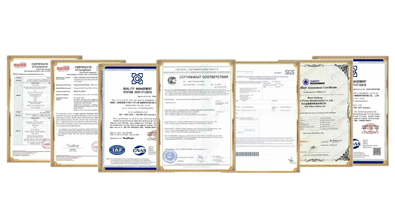
Quality approval through ISO 9001:2015 compliance shows that the manufacturing process is well controlled and of high quality. Full MTC paperwork lets you track materials from raw steel to final parts, making sure they meet the requirements of the project. Pressure levels and material features are checked by a third party to make sure they meet the standards.
Export compliance through GOST-R and SGS certifications lets you access global markets while also following the rules in your area. These certificates prove the quality of the materials, the way they are made, and how well they work, which is necessary for foreign project approval.
Installation and Maintenance Considerations
To install a pipe flange correctly, you need to pay attention to the bolt strength requirements, the seal choice, and the alignment steps. Evenly tightening the bolts makes sure that the stress is spread evenly across the seal surface. This stops leaks and increases the service life. For best results, installation teams must follow what the maker says.
Routine checking programs find problems before they become serious enough to risk the security of the system. Visual checks, finding leaks, and checking the tightness of the bolts all help keep the system running reliably during the repair time. Predictive maintenance methods work better when check results are written down.
When planning a replacement, system connectivity, pressure levels, and material needs are all things that are taken into account. If you choose the right parts, they will fit together perfectly with your old pipes and meet all safety and performance standards.
Conclusion
In the oil, gas, water, and HVAC industries, pipe flanges are used in important structures and provide important link solutions that keep systems safe and reliable. These parts keep systems from leaking in a wide range of settings, from high-pressure oil refineries to public water networks. They also make it easy to do upkeep and change parts. Knowing the right selection factors, installation steps, and upkeep needs can help make sure that the system works at its best for long periods of time. Quality providers who offer approved parts with full paperwork help projects get finished successfully while lowering operational risks and lifecycle costs.
Frequently Asked Questions
Q1: What pressure ratings are available for industrial pipe flanges?
A: Industrial pipe flanges are available in pressure ratings from 150 PSI to 2500 PSI according to ANSI standards. Higher pressure applications may require specialized designs with enhanced materials and sealing arrangements to ensure safe operation under extreme conditions.
Q2: How do I select the correct gasket material for my flange application?
A: Gasket selection depends on fluid type, temperature, pressure, and compatibility requirements. Common materials include compressed fiber, spiral wound, and metal gaskets. Consulting with experienced suppliers ensures optimal gasket selection for specific operating conditions.
Q3: What maintenance intervals are recommended for flanged connections?
A: Maintenance intervals vary based on operating conditions, but annual inspections are typical for most applications. High-pressure or corrosive service may require more frequent examination. Visual inspection, leak detection, and bolt torque verification help identify maintenance needs.
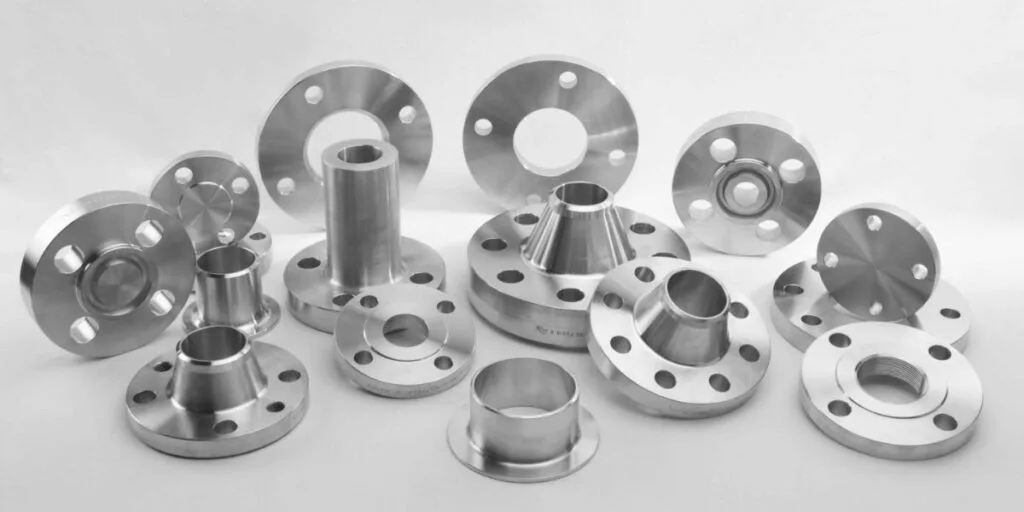
Partner with RAYOUNG for Premium Pipe Flange Solutions
RAYOUNG makes high-quality pipe flanges by using precise CNC cutting, full MTC tracking, and hot-dip galvanized choices. We have worked with EPC builders, dealers, and industrial end-users in Latin America, Africa, Southeast Asia, and the Middle East for a long time, so we know how to provide solid project support. As a reliable pipe flange maker, we keep our ISO 9001:2015 certification and offer reasonable prices and reliable delivery times. Email us at info@hb-steel.com for full specs and to talk about your project.
References
1. American Society of Mechanical Engineers. "ASME B16.5-2020: Pipe Flanges and Flanged Fittings." New York: ASME Press, 2020.
2. Deutsches Institut für Normung. "DIN EN 1092-1: Flanges and their Joints—Circular Flanges for Pipes, Valves, Fittings, and Accessories." Berlin: DIN Standards, 2018.
3. Japanese Industrial Standards Committee. "JIS B 2220: Steel Pipe Flanges." Tokyo: Japanese Standards Association, 2019.
4. Antaki, George A. "Piping and Pipeline Engineering: Design, Construction, Maintenance, Integrity, and Repair." New York: Marcel Dekker, 2003.
5. Mohitpour, Mamdouh, et al. "Pipeline Design & Construction: A Practical Approach." 3rd ed. New York: ASME Press, 2007.
6. Nayyar, Mohinder L. "Piping Handbook." 7th ed. New York: McGraw-Hill Professional, 1999.