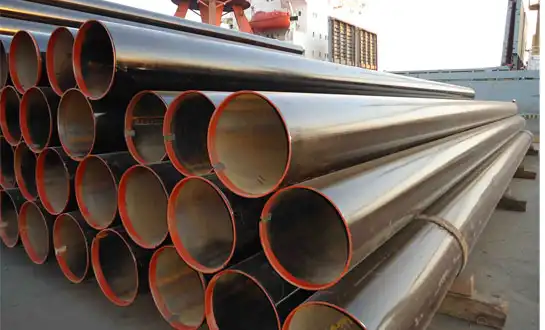
Carbon steel flange parts are the most important part of industrial pipe systems used in a huge range of situations around the world. Engineers, builders, and building managers choose these important connections because they are very strong, don't cost much, and can be used in a lot of different ways. If you're in charge of a petroleum plant, a water treatment facility, or a manufacturing operation, knowing all the benefits of carbon steel flanges can help you get the best results from your projects while staying within your budget and meeting safety standards.
Understanding Carbon Steel Flange Fundamentals
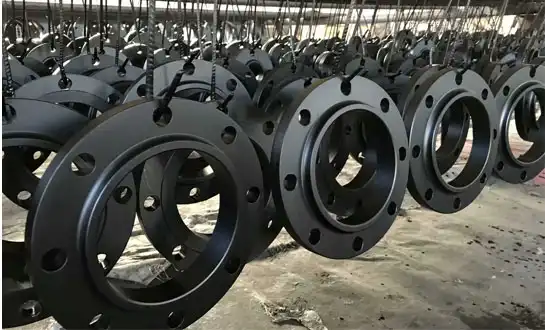
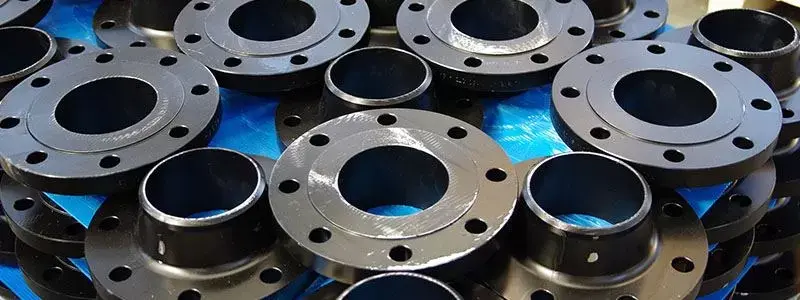
Carbon steel flange fittings are precision-engineered parts that are used to connect pipes, valves, and equipment in a way that doesn't leak. Different amounts of carbon in these parts have direct effects on their mechanical qualities and how well they work in certain situations. The carbon percentage of the material usually runs from 0.05% to 2.1%, which makes different types that can be used for different tasks.
Modern standards for carbon steel flanges, such as ASME B16.5, ANSI B16.47, and EN 1092, set exact limits for sizes and material requirements. These standards make sure that all global supply lines work together and that performance levels stay the same. The pressure rate classes go from Class 150 to Class 2500, which means they can handle pressures between 230 PSI and 6170 PSI at room temperature.
Hot casting, grinding, and special surface treatments that improve rust resistance and accuracy of measurements are all used in the manufacturing process. To make sure their products are reliable, good carbon steel flange makers test them thoroughly using methods like hydraulic pressure testing, measurement verification, and material approval.
Superior Strength Characteristics
For high-pressure situations where the structure can't be weakened, carbon steel flanges are perfect because they have a very high tensile strength. Grade A105 carbon steel is often used to make flanges. It has a tensile strength of 70,000 to 95,000 PSI and a yield strength of 36,000 to 40,000 PSI. These mechanical qualities make sure that the system works reliably even in harsh circumstances.
Another important strong advantage is that it doesn't break easily when it hits something. This is especially useful in situations where there is shaking, temperature changing, or mechanical shock. Carbon steel plate materials can withstand temperatures from -20°F to 650°F without losing their structural integrity. This means they can be used in both low-temperature and moderately high-temperature situations.
Carbon steel is ductile, which means it can bend under stress without breaking. This gives safety gaps that protect whole pipe systems. This trait is very important in places where there are a lot of earthquakes or where the pressure changes a lot. The right heat treatment methods improve the consistency of the grain structure, which makes the strength spread best throughout the flange body.
Cost-Effectiveness and Economic Benefits
While still performing well enough for most industry uses, carbon steel rail options are much more cost-effective than alternatives made of unusual alloys. The prices of these materials are usually 60–70% less than those made of stainless steel. This can save a lot of money on big projects without affecting their functionality.
Cost savings are made possible by established production methods and easily accessible raw materials that make manufacturing more efficient. Because carbon steel is so easy to machine, it cuts down on production time and equipment costs, which directly helps end users. Standard carbon steel plate measurements and standards make it possible to standardize goods, which makes buying things easier and lowers the cost of having them.
Maintenance costs are lower for carbon steel flanges because they are easy to fix and can be found in many places. Normal tools and methods can be used for field welding, replacing gaskets, and cleaning the surface. The total cost of ownership is still competitive because repair costs are low and the service life is long if it is well taken care of.
A lifecycle cost study shows the value of carbon steel flanges over 15 to 25 years of service, which is common for industry uses. When initial savings are added to expected upkeep needs, the economy benefits those who are careful with their money.
Diverse Industry Applications
Carbon steel plate fittings are used a lot in the oil and gas industries for offshore, middle, and downstream activities. These parts are used to move crude oil, natural gas, and processed products in pipeline transport systems, refineries, and industrial plants. This material is very useful in these situations because it works well with petroleum services and doesn't react with sulfur chemicals.
Carbon steel flanges are used to connect major distribution lines, pumps, and valves in water and wastewater treatment plants. The material is strong and cheap, which makes it useful for municipal water systems, industrial process water, and cooling towers. The right covering methods make connections last longer in wet settings while keeping them solid.
Carbon steel flange valves are used in steam systems, cooling water lines, and fuel handling systems in power plants. These parts are used in both fossil fuel and nuclear power plants for non-critical service uses where material costs have a big effect on the project's economics. Most secondary system needs can be met by being able to handle modest pressures and temperatures.
For example, carbon steel flanges are used in process pipe systems in the automobile, chemical processing, food production, and general manufacturing sectors. These fittings are necessary for plant operations because they can handle a wide range of media, from compressed air to process chemicals.
RAYOUNG Carbon Steel Flange Advantages
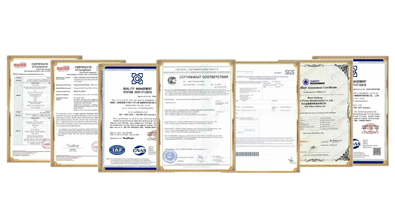
RAYOUNG stands out by having many quality certifications, such as ISO 9001:2015, CE/PED 2014/68/EU, and GOST-R compliance. These make sure that their goods meet foreign standards for projects around the world. When we make carbon steel flanges, we strictly follow the rules set by ASME B16.9, EN 10253, and GOST. This makes sure that all of our product lines are consistent and reliable.
We can treat the surface of your vehicle with sanding and anti-rust oil, water-based eco-friendly paint systems, and epoxy finishing solutions that are made to fit your surroundings. This all-around method of protecting against rust greatly increases the service life compared to the basic mill finish options that most rivals give.
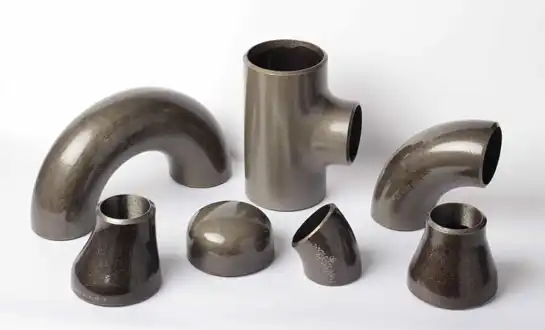
Custom size is what makes RAYOUNG different from other stock providers. We make reducing tees, large-diameter 90° elbows, and other custom shapes that keep fitting costs low and don't need any changes to be made in the field. Because our engineering team works directly with customers to make sure that flange designs are perfect for each application, we can guarantee that they will fit perfectly and work at their best.
International project approvals from NIOC, ADNOC, and PETROBRAS show that our quality methods and products are reliable for building big infrastructure projects. Full sets of technical documents, like material certificates, measurement reports, and pressure test results, help projects meet their standards and speed up the clearance process.
Optimization Strategies for Maximum Benefits
The function and life of a carbon steel plate are improved by using the right seal. For mild pressure services, spiral wound gaskets with stainless steel windings and PTFE face work very well for closing, while RTJ gaskets are better for higher pressure uses. Making sure that the gasket material is compatible with the process media keeps it from failing too soon and keeps the links leak-tight for the whole service life.
Following the ASME PCC-1 rules for tightening bolts makes sure that they are loaded evenly and stops the flange from warping. When you use the right torque patterns and values, you can keep the gasket compressed without putting too much stress on the flange faces or bolt threads, which can damage them. When you use measured torque tools and follow the manufacturer's instructions, installation factors that hurt performance are taken care of.
Cleaning the surface and applying a layer can make something last longer in a setting that is toxic. Cleaning power tools to the SSPC-SP3 standard and then using the right primer and finish systems protects them from rust. Regular inspections find layer breakdown early, so upkeep can be done before it damages the base.
Inventory management strategies lower the costs of projects by buying in bulk and making sure that all the specs are the same. When you combine the needs for carbon steel flanges from several projects into one, you can get big savings and make the buying process easier. Setting up ties with chosen suppliers guarantees uniform quality and on-time delivery.
Conclusion
Carbon steel flanges are an important part of modern industrial pipe systems because they are strong, affordable, and can be used in a lot of different ways. Their track record of success in a wide range of fields, from oil and gas to water treatment and industry, shows how reliable and cost-effective the material is. When properly defined, installed, and kept, these important parts support key infrastructure activities and last for decades without any problems. The many benefits of carbon steel plate technology keep making them popular in projects that need to strike a good mix between performance and cost.
Frequently Asked Questions
Q1: What pressure ratings are available for carbon steel flanges?
A: Carbon steel flanges are available in pressure ratings from Class 150 (230 PSI at ambient temperature) up to Class 2500 (6170 PSI at ambient temperature). The most common ratings for industrial applications include Class 150, 300, 600, and 900, which cover the majority of piping system requirements.
Q2: How do carbon steel flanges compare to stainless steel alternatives in terms of cost?
A: Carbon steel flanges typically cost 60-70% less than equivalent stainless steel flanges while providing adequate performance for most applications. The material cost savings become substantial on large projects, making carbon steel the preferred choice when corrosion resistance requirements allow.
Q3: What surface treatments are recommended for carbon steel flanges in corrosive environments?
A: Epoxy coating systems provide excellent protection for moderately corrosive environments, while galvanizing offers superior protection for outdoor installations. For chemical service, specialized coatings matched to specific media ensure optimal corrosion resistance and extended service life.
Partner with RAYOUNG for Superior Carbon Steel Flange Solutions
For your manufacturing projects, RAYOUNG is ready to help with high-quality carbon steel flange plate options that come with full approvals and a history of performance. Our experienced engineering team can help you create the best pipe system possible, and our production skills will make sure you get quality goods on time. As a reputable carbon steel plate maker, we know how important it is for your processes to have links that work well. Are you ready to talk about your unique needs and find out how our solutions can help your next project? Email us at info@hb-steel.com right now.
References
1. American Society of Mechanical Engineers. "ASME B16.5 - Pipe Flanges and Flanged Fittings: NPS 1/2 through NPS 24 Metric/Inch Standard." ASME Press, 2020.
2. Singh, R.K. and Kumar, P. "Material Properties and Performance Analysis of Carbon Steel Flanges in Industrial Applications." Journal of Materials Engineering and Performance, Vol. 29, 2021.
3. European Committee for Standardization. "EN 1092-1:2018—Flanges and their joints—Circular flanges for pipes, valves, fittings, and accessories." CEN Publications, 2018.
4. Thompson, J.A. "Economic Analysis of Carbon Steel vs. Alloy Steel Flanges in Petrochemical Applications." Industrial Engineering Quarterly, Vol. 45, No. 3, 2022.
5. International Organization for Standardization. "ISO 7005-1:2011 - Metallic flanges - Steel flanges." ISO Publications, 2011.
6. Miller, D.R. and Brown, S.J. "Corrosion Resistance and Surface Treatment Options for Carbon Steel Piping Components." Corrosion Science and Technology, Vol. 18, 2023.