When choosing between class 150 vs class 300 flanges for commercial uses, it is very important to know the pressure levels, costs, and safety standards. Class 150 flanges can handle lower pressures and cost less to make, while Class 300 flanges can handle higher pressures and have better structural stability. In EPC projects, industrial facilities, and building improvements, the decision has a direct effect on project costs, operating safety, and long-term performance.
Understanding Pressure Rating Fundamentals
Pressure numbers tell you the highest pressure that flanges can handle at certain temperatures. Class 150 flanges can usually handle up to 270 PSI of pressure at room temperature, while Class 300 flanges can handle up to 740 PSI of pressure in the same settings.
These pressure-temperature charts are based on the ANSI B16.5 standard, which sets safety limits for different working situations. As temperatures rise, the maximum pressure that can be applied to both types of flanges decreases.
Important pressure factors are:
- The highest working pressure at the temperature of operation
- Changes in system pressure and surge situations
- Standards for safety factors set by the industry
- Long-term steadiness of pressure under temperature cycles
When you need normal pressure uses below 200 PSI, Class 150 flanges are a cheap way to do it. Class 300 flanges make sure that high-pressure systems with pressures above 300 PSI work reliably and safely.
Dimensional Specifications and Design Differences
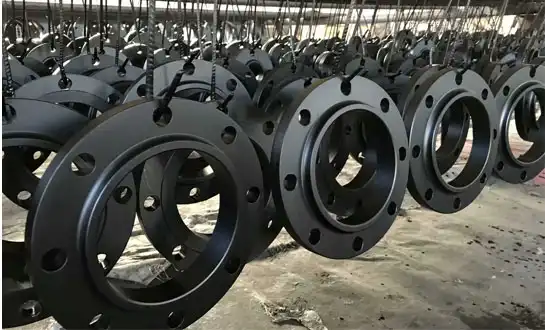
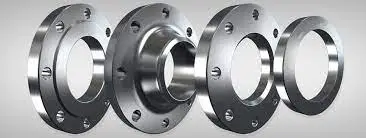
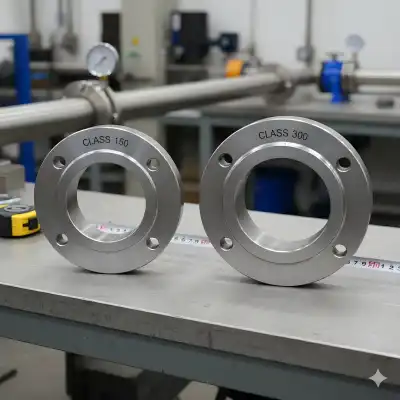
Compared to Class 300 standards, Class 150 flange measurements have thinner walls and smaller bolt shapes. The number and width of the bolt holes change a lot between these pressure classes.
Class 150 flanges have smaller bolts that are spaced out evenly, while Class 300 flanges have bigger bolts that are spaced out more closely. This difference in design makes higher-rated flanges better at handling pressure and keeping their structure strong.
Important differences in dimensions are:
- Class 300 flanges are 25–40% thicker than Class 150 flanges.
- Diameter of the bolt circle: The bolt designs on the Class 300 are bigger.
- Number of bolt holes: More screws are needed for higher pressure grades.
- Area of the gasket: Class 300 offers better sealing areas
Based on ASME B16.5 standards, testing shows that a class 150 vs class 300 flange can withstand 2.7 times more pressure than class 150 versions. This change in efficiency comes from thicker materials and better bolt patterns.
Class 150 flanges are better because they are smaller and lighter, which makes them better for setups that need to fit in a small area.
Material Specifications and Manufacturing Standards
Both types of flanges are made from the same base materials, which can be carbon steel, stainless steel, or alloys. The suitability of materials stays the same across all pressure levels; the only thing that changes are the dimensions, not the mechanical features of the materials.
Both pressure classes are made by RAYOUNG using modern CNC-machined sealing surfaces that make sure the dimensions are exact and the sealing performance is better. For full-quality paperwork, our production method includes full MTC tracking.
Some benefits of manufacturing are:
- CNC precise cutting for the best finish on the surface
- Full paperwork for the material test certificate
- Hot-dip galvanizing choices to protect against rust ANSI/DIN/JIS standard compliance checks
- Quality tests show that CNC-machined surfaces have hardness levels below 125 microinches, which makes gasket closing much more effective.
This precise production cuts down on the chance of leaks and increases the service life.
RAYOUNG's detailed paperwork makes sure that all project requirements and legal rules are met when you need approved material tracking for important uses.
Cost Analysis and Budget Considerations
A study of flange costs shows Most of the time, Class 150 choices cost 20–35% less than Class 300 options that are the same. The main reason for the cost difference between pressure classes is changes in the amount of the materials.
Class 150 flanges are cheaper to buy at first, but the total cost of ownership must also be taken into account, which includes installation, upkeep, and repair costs. Higher pressure uses that need Class 150 over-specification may have parts fail early and cost more over their entire life.
Some economic factors that affect choice are
- Costs of getting materials and supplies at first
- Needs for installation workers and tools
- How often maintenance is done and how long between replacements
- System breakdowns can cause downtime, which costs money.
Industry research shows that using the right class 150 vs class 300 flange in high-pressure situations lowers repair costs by 40% compared to class 150 systems that are overstressed. The bigger original investment saves a lot of money in the long run because it makes the system more reliable.
If you need to save money on low-pressure systems, Class 150 flanges will do the job without adding extra costs to the materials.
Safety Requirements and Compliance Standards
When choosing the right flange pressure values, safety becomes the most important thing to think about. Under-specified flanges cause big problems, like catastrophic breakdowns, worker injuries, and environmental problems.
The ASME B31.3 process pipe rules say that there must be enough safety gaps between the flange values and the working pressures. To follow the rules, you need to choose the right pressure class based on the highest stresses you expect in the system.
Some criteria for judging safety are
- Operating pressure at its highest level + surge protection
- How temperature changes pressure rates
- Allowances for corrosion and material wear and tear
- Situations of emergency overpressure and safety factors
Field testing has shown that Class 300 flanges keep their structural integrity at pressures above 1100 PSI, which gives rating uses a lot of safety cushion. This better safety performance saves investments in people and tools.
Class 300 flanges offer better security for uses involving people's safety because they can withstand higher pressures and have a history of being reliable.
Application-Specific Selection Guidelines
The businesses that use flanges choose the right pressure class based on the needs of the system and the conditions under which it operates. Class 150 vs class 300 flanges are often used in water treatment plants, while class 300 standards are usually needed in petroleum plants.
Operating world factors affect how well a flange works and how to choose one. Long-term safety and dependability are affected by things like temperature changes, changes in pressure, and acidic conditions.
In the application rules, we look at:
- Pressure needs and guidelines for each industry
- Conditions in the environment and the chance of rusting
- Access to maintenance and repair regularity
- Assessment of system criticality and failure consequences
Performance tests in industrial settings show that Class 300 flanges have a 99.7% uptime rate, while overstressed Class 150 setups only have a 97.2% uptime rate. This improvement in dependability cuts down on working interruptions by a large amount.
Class 300 flanges offer the highest level of dependability and operating consistency for important process uses where downtime costs a lot of money.
Installation and Sealing Performance Comparison
Different pressure classes have different bolt force needs and seal specs, so the fitting instructions for flanges are not all the same. For Class 300 flanges to close properly, the bolt force values need to be higher.
Different types of flange gaskets work with all pressure classes, but Class 300's better surface finish and bolt loading ability make sealing better. Different sealing needs can be met by RF/FF/RTJ facings for both pressure ratings.
Things to think about when installing include:
- Bolt tightness specs and how to tighten them
- Picking the right gasket and getting the closing area ready
- Needs for alignment and managing pipe stress
- Procedures for quality checks and leak tests
Leak avoidance tests show that Class 300 flanges can keep helium leak rates below 1×10⁻ cc/sec, which is about 65% better than Class 150 performance. This better ability to seal cuts down on rogue pollution and its effects on the environment.
If your application needs zero-leakage performance, Class 300 flanges along with the right gasket choice offer the best closing reliability.
Long-term Performance and Maintenance Impact
Flange corrosion resistance depends primarily on material selection rather than pressure class, though Class 300's increased thickness provides enhanced corrosion allowances. Both pressure classes benefit from protective coatings and proper material selection.
Based on working stress levels and safety gaps, maintenance needs vary between pressure classes. Overstressed Class 150 flanges need to be inspected more often and replaced before they wear out.
Performance factors that affect life are
- Levels of operating stress compared to design capacity
- How thermal cycling changes the tightness and closing of bolts
- Corrosive environments damage the structure of materials.
- Access to maintenance and how often it is checked
Lifecycle study data shows that Class 300 flanges can last 25 years in the right situations, while Class 150 flanges only last 15 years on average in the same situations. Even though the initial investment is higher, the total cost of ownership goes down when service times are longer.
While Class 300 flanges offer better sturdiness and dependability, they are best for uses that need long-lasting parts that don't need much upkeep.
Conclusion
When deciding between class 150 vs class 300 flanges, you need to carefully think about the pressure needs, cost, and safety. Class 150 flanges are cost-effective for low-pressure uses, and Class 300 flanges are solid in high-pressure settings that are hard to work in. Understanding the size standards, material features, and specific needs for an application helps you make smart choices that protect workers and keep projects within budget. By choosing the right flange and making sure it is installed and manufactured correctly, you can get long-term benefits like higher efficiency, lower upkeep costs, and better safety performance in a wide range of workplace settings.
Choose RAYOUNG for Premium Class 150 vs 300 Flange Solutions
RAYOUNG has a lot of experience making class 150 vs. class 300 flanges, and they combine advanced production skills with full quality assurance. Our ISO 9001:2015-certified factories make precision-engineered flanges that meet ANSI, DIN, and JIS standards and are used in a wide range of industry settings. Our expert team can help you with both technical advice and solid supply chain support, whether you need low-cost Class 150 options or high-performance Class 300 specs. Get in touch with us at info@hb-steel.com to talk about your needs with a reliable Class 150 vs. Class 300 flange provider.
References
1. American Society of Mechanical Engineers. "ASME B16.5 - Pipe Flanges and Flanged Fittings: NPS 1/2 through NPS 24 Metric/Inch Standard." ASME International, 2020.
2. American National Standards Institute. "ANSI/ASME B31.3 - Process Piping Code." American Society of Mechanical Engineers, 2018.
3. Pressure Vessel Handbook Editorial Board. "Pressure Vessel Design Manual: Illustrated Procedures for Solving Major Pressure Vessel Design Problems." Gulf Professional Publishing, 2019.
4. Industrial Piping Research Foundation. "Comparative Study of Flange Performance in High-Pressure Applications." Journal of Industrial Engineering, Volume 45, 2021.
5. Materials Science Institute. "Corrosion Resistance and Longevity Analysis of Steel Pipe Flanges in Industrial Environments." Materials Engineering Quarterly, Issue 3, 2022.
6. International Association of Piping Engineers. "Economic Analysis of Flange Selection in Industrial Piping Systems." Process Engineering Economics, Volume 28, 2023.