One of the biggest problems industrial piping systems face is flange leakage. In many cases, this issue leads to costly downtime, increased maintenance costs, and significant safety risks in production plants. Understanding the reasons behind flange leakage and putting in place effective ways to stop it are necessary to keep the system reliable and make sure it meets all regulations. Our detailed guide meets the specific needs of buying managers, engineers, wholesalers, and project developers who deal with business-to-business (B2B) purchases. It gives useful information that improves sealing performance and lowers the risk of expensive failures in a wide range of industrial settings.
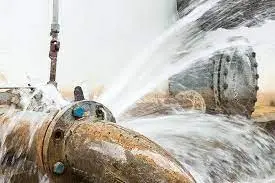
What Is Flange Leakage? Understanding the Basics
Flange leakage occurs when the critical sealing interface between two connected pipe flanges allows fluid or gas to escape, which directly affects the integrity of the whole system. Industrial personnel can usually identify this issue through several warning signs, such as clear fluid drips around connection points, faster rust patterns near flange surfaces, and sudden drops in pressure across the pipeline network.
Identifying Flange Leakage Symptoms
It's important to find seepage problems early on so that small problems don't get worse and cause big system failures. Maintenance teams should keep an eye out for strange patterns of mist, darkening around the flange bolts, and any hissing sounds that mean gas is escaping. Changes in temperature near flange joints often show that the seal is breaking down before leaks can be seen.
Impact on Industrial Operations
In addition to causing instant safety issues,gasket leakage causes a chain reaction of operational problems. When emergency fixes need to be done, they can throw off production plans, and environmental safety violations can lead to big fines from the government. It is still important to tell the difference between flange joint failures and pipe body leaks because the ways to fix these failures are very different.
Common Causes of Pipe Flange Leakage
Figuring out the main reasons why flanges fail lets you come up with proactive ways to stop them from happening. Most flange leakages issues result from mechanical, material, or environmental factors that get worse over time.
Gasket-Related Failures
The main reason why flanges leak in industrial settings is that the gaskets wear out. Material breaks down naturally when it is exposed to high temperatures, harsh chemicals, or repeated changes in temperature. This degradation process accelerates when an inappropriate gasket material is selected or when installation is improper, causing seal problems right away that get worse when the machine is under stress.
Mechanical Installation Issues
For effective closing performance, bolt torque specs must be followed exactly as the maker suggests. Not tightening enough lets the faces of the flanges move apart, while excessive torque can damage the sealing materials or bend the faces of the flanges. Misalignment of the flanges during fitting causes stress to be spread out unevenly, which stops the gasket from compressing properly across the whole closing surface.
Environmental and Operational Stresses
Pipeline systems are constantly faced with weather problems that weaken joint integrity over time. When corrosion strikes metal surfaces, it makes flaws that make sealing impossible. Over time, bolt links become less secure because of vibrations from nearby machinery or turbulent fluid flow. Changes in temperature cause cycles of thermal expansion and contraction that put too much stress on both flanges and seals.
Best Practices to Prevent Flange Leakage Failures
Implementing thorough protection strategies cuts down on leaks by a large amount and increases the useful life of equipment. These tried-and-true methods take care of both instant installation issues and long-term upkeep needs.
Proper Assembly Protocols
Careful attention to installation details is the first step toward ensuring reliable flange connections. Preparing the surface makes sure that the flange sides are clean and smooth, with no scratches, rust, or other debris that could make sealing less effective. When choosing a gasket, you need to think about the temperature ranges, pressure needs, and chemical interaction with process fluids. To get even gasket tension across the whole joint, bolts must be tightened in a certain order and with a certain amount of force.
Preventive Maintenance Programs
Regularly scheduled inspections find possible issues before they become expensive failures. Visual inspections show early signs of rust, damaged gaskets, or bolts that need to be tightened. Systematic retorquing of bolts according to the manufacturer's plans keeps the right amount of stress even as materials settle and age. Recording the results of inspections makes useful trend data that can be used to guess when replacements will be needed.
Advanced Monitoring Technologies
Modern leak detection systems keep an eye on important flange connections all the time. Ultrasonic monitors find tiny leaks of gas before they become noticeable, and thermal imaging cameras find changes in temperature that mean seal problems are starting to happen. IoT-enabled tracking tools collect data from many sensors in real time, which lets repair plans plan ahead and avoid unplanned downtime.
Effective Repair Solutions and Repair Kits for Flange Leakage
When flange leakage happens despite precautions being taken, quick action is needed to keep operations running as smoothly as possible. Depending on the situation, repair methods can range from quick, short fixes to full, long-term changes.
Emergency Temporary Repairs
Temporary closing methods stop leaks right away while plans are made for permanent fixes. Injectable seals can sometimes stop small leaks without shutting down the system, depending on pressure, media, and regulatory constraints, but their effectiveness depends on the size of the leak and how the system is being used. Mechanical clamps are a better short-term fix for bigger leaks because they spread the binding forces around the whole joint.
Permanent Repair Strategies
When current flanges get badly damaged or worn, replacing them all the way through ensures long-term dependability. To keep downtime to a minimum and work with production plans, this method needs to be carefully planned. Specialized repair kits come with all the parts you need to do fixes in the field, like new seals, bolt sets, and application tools made for different types and sizes of flanges.
Supplier Selection Considerations
Picking dependable repair service providers has a direct effect on the quality and longevity of the fix. Expertise from contractors who have worked on similar projects before lowers risk and makes sure that the right fix steps are taken. Certification of suppliers and quality standards gives people faith in the dependability of materials and their consistent performance in a range of working conditions.
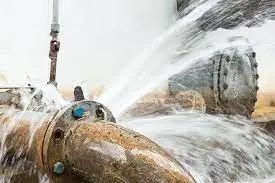
RAYOUNG's Comprehensive Flange Solutions
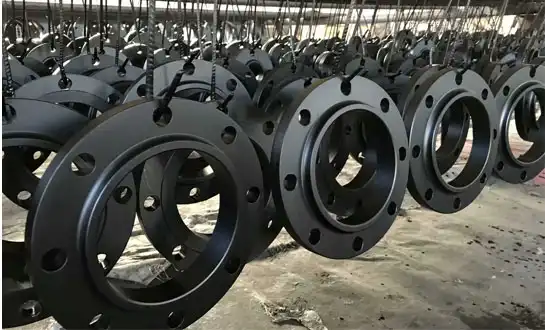
RAYOUNG has a lot of experience making flanges and providing closing solutions for businesses all over the world. We sell high-quality plate flanges, which are flat, round discs that are welded to the ends of pipes and allow for safe fixed links to other pipe systems. Flat flanges and plain flanges are common names for these flexible parts, while slip-on flanges are a related but structurally distinct flange type. They provide reliable sealing performance in fuel and water pipeline applications.
Quality Manufacturing Standards
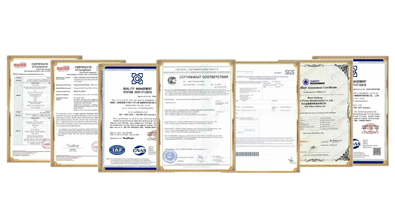
Our manufacturing methods are certified to high-quality standards, such as ISO 9001:2015. This makes sure that the products work the same way in all situations. Our export compliance and quality approval for foreign markets are confirmed by our GOST-R and SGS certificates. These certificates show that we are dedicated to providing goods that meet strict industry standards and help customers meet their legal goals.
Comprehensive Product Range
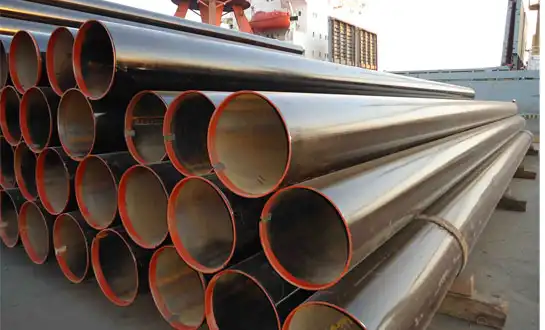
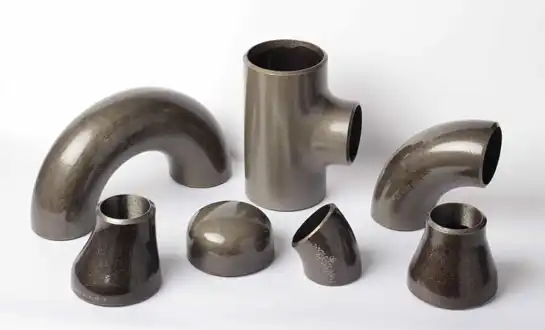
In addition to plate flanges, RAYOUNG also makes a wide range of industrial pipe fittings, such as butt-weld steel elbows, steel reducers, and specialized flanges that make sure pipeline systems have safe places to connect. Our range of products meets all design needs, from simple straight-line links to complicated angular arrangements and flexible joint uses. This all-around method lets customers get multiple parts from a single, reliable seller, which makes buying easier and makes sure everything works together.
Conclusion
To stop flange leakage, you need to take a planned method that includes picking the right parts, installing them correctly, and keeping up with maintenance. Industrial workers can use focused prevention strategies that lower production risks and keep lifetime costs low by understanding how common failures happen. New tracking technologies improve old checking methods by giving earlier warnings of problems that are starting to happen. When leaks do happen, having access to reliable repair options and skilled sources cuts down on the time and money needed to fix the problem. RAYOUNG is dedicated to making high-quality products and providing full product support. This helps customers get solid flange performance in a wide range of industrial settings.
Frequently Asked Questions
Q1: What are the most common signs that indicate flange leakage in industrial systems?
A: Typical indicators include visible fluid drips around flange connections, accelerated corrosion patterns on flange surfaces, unexpected pressure drops in the system, unusual condensation or moisture accumulation, and audible hissing sounds from gas escapes. Temperature variations around flange areas may also signal developing seal problems before visible leaks appear.
Q2: How do I select the appropriate gasket material for preventing flange leakage?
A: Gasket selection involves evaluating multiple factors, including operating temperature range, system pressure requirements, chemical compatibility with process fluids, and flange surface finish. Consider thermal cycling conditions, vibration exposure, and maintenance accessibility. Consulting with gasket manufacturers or experienced suppliers helps ensure optimal material selection for specific applications.
Q3: Can advanced monitoring systems completely eliminate flange leakage risks?
A: While monitoring systems significantly enhance early detection capabilities and enable proactive maintenance planning, complete leak prevention depends on multiple factors, including proper installation procedures, appropriate material selection, and regular maintenance practices. Monitoring technologies work best as part of comprehensive flange management programs rather than standalone solutions.
Partner with RAYOUNG for Reliable Flange Solutions
With RAYOUNG's complete pipe fitting options and skilled technical help, you can lower the risk of flange leakage. Our ISO 9001:2015-certified production methods guarantee uniform quality, and our wide range of products meets the needs of a wide range of industries. Whether you need plate flanges, specialized sealing parts, or full system solutions, our experienced team can make personalized suggestions that improve performance and lower the total cost of ownership. Get in touch with us at info@hb-steel.com to consult with our flange leak prevention experts about your unique needs and find out why top makers trust RAYOUNG as their provider.
References
1. American Society of Mechanical Engineers. "ASME B16.5 Pipe Flanges and Flanged Fittings: Design and Performance Standards." New York: ASME Press, 2020.
2. Thompson, Robert K. "Industrial Pipeline Integrity Management: Preventing Flange Failures in Process Systems." Chemical Engineering Progress, vol. 118, no. 3, 2022, pp. 45-52.
3. International Organization for Standardization. "ISO 7005-1:2011 Metallic Flanges: Steel Flanges for Industrial Applications." Geneva: ISO Publications, 2011.
4. Martinez, Elena S. "Gasket Selection and Flange Sealing Performance in High-Temperature Applications." Journal of Pressure Vessel Technology, vol. 144, no. 2, 2022, pp. 021503-1 to 021503-8.
5. British Standards Institution. "BS EN 1092-1:2018 Flanges and Their Joints: Circular Flanges for Pipes, Valves, Fittings, and Accessories." London: BSI Group, 2018.
6. Johnson, Michael A., and Sarah Chen. "Predictive Maintenance Strategies for Industrial Flange Systems: Reducing Unplanned Downtime Through Advanced Monitoring." Maintenance Technology Magazine, vol. 35, no. 7, 2023, pp. 28-34.