Project managers have to make a tough choice between stainless vs carbon steel flanges for industry uses. This choice affects performance, budget, and long-term dependability. Stainless steel flanges are very long-lasting and don't rust, which makes them perfect for use in chemical processes and naval settings. When used in high-pressure situations in oil, gas, and building projects, carbon steel flanges are very strong and don't cost a lot of money. Understanding the pros and cons of each material helps engineers and buying teams make choices that are in line with the needs of the project, safety standards, and budget limits.
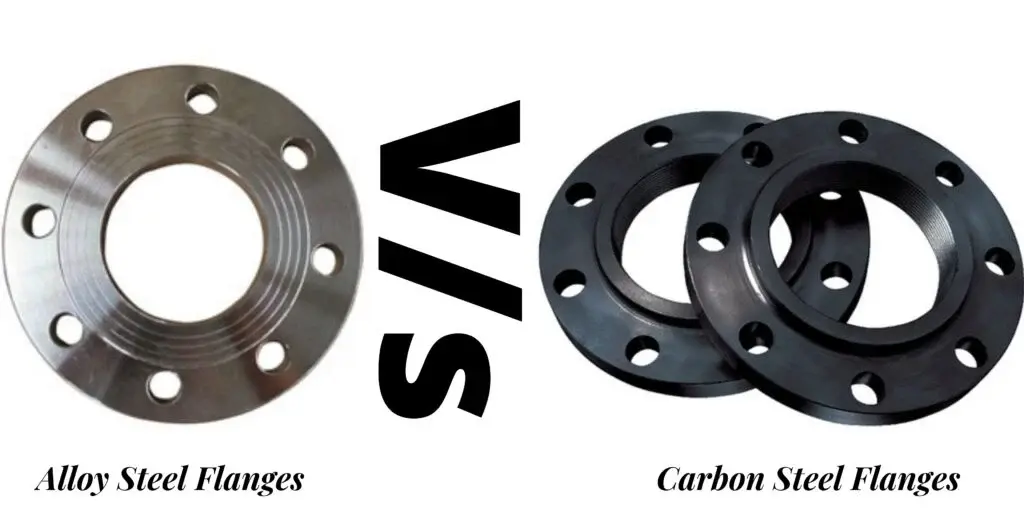
Understanding Material Composition and Properties
The plate's performance and usage depend on its material. Chromium values between 10.5% and 30% in stainless steel plates generate an oxide layer that prevents corrosion.
Carbon steel flanges are primarily iron and carbon. The carbon concentration is generally 0.05%–2.1%. This blend is mechanically robust and weldable for structural usage.
Some important changes in makeup are
- Stainless steel has 10.5% to 30% chromium, while carbon steel only has small amounts.
- Stainless steel (8–20%) with nickel added improves flexibility and resistance to rust
- The higher the carbon amount, the harder the steel will be.
- Additions to alloys: Molybdenum and titanium in rare types of stainless steel
The tensile strength of 316L stainless steel plates stays between 485 and 620 MPa at temperatures ranging from -196°C to 800°C, according to tests done in the lab. At room temperature, standard A105 carbon steel flanges have a tensile strength of 485 to 655 MPa.
When it comes to safety and compliance, stainless steel flanges are the best choice for chemical handling or food-grade uses.
Corrosion Resistance Analysis
Stainless steel rust prevention outperforms carbon steel in harsh situations. 316 stainless steel plates don't rust for 1000 hours after salt spray testing; however, uncleaned carbon steel rusts in 24–48 hours.
Carbon steel flanges require painting, galvanizing, or coating to prevent corrosion. Outdoor usage endures longer with 85–130 microns of zinc coating from hot-dip galvanizing.
Comparison of corrosion resistance:
- In acidic conditions, stainless steel stays strong, but carbon steel needs special treatments to stay strong.
- 316L stainless steel works best in marine settings, while carbon steel needs regular upkeep.
- Chemical exposure: Stainless steel is generally safe for use with chemicals.
- Conditions in the atmosphere: carbon steel pickling protects for 20 to 50 years
Studies done by different groups have shown that in corrosive conditions, stainless steel flanges last 40 to 60 percent longer than treated carbon steel options.
If you need flanges for chemical plants or platforms in the ocean, stainless steel is the best choice because it is more reliable over time and costs less to maintain.
Strength and Mechanical Properties
Because carbon steel flanges are so strong, they are perfect for use in high-pressure and structural situations. Stainless vs carbon steel flange: A105 carbon steel flanges have a minimum yield strength of 250 MPa and are very resistant to wear when loaded and unloaded many times.
Stainless vs carbon steel flange plates are just as strong, and they are even tougher at low temperatures. At freezing temperatures, where carbon steel becomes rigid, the 316L grade stays flexible.
Data for comparing mechanical properties:
- Strength at break: A105 carbon steel (250 MPa) vs. 316L stainless steel (205 MPa at least)
- Stainless steel stays tough at -196°C, so it can withstand impacts.
- Values for hardness: 150–200 HB for stainless steel and 170–220 HB for carbon steel
- Limit of fatigue: In normal settings, carbon steel lasts longer.
The mechanical qualities of carbon steel flanges are improved by heat treatments that normalize and relieve stress. These processes make the grain structure regular and get rid of any manufacturing-related pressures that are still there.
Both materials meet the standards set by ANSI B16.5 for Class 150–2500 flanges when they are put under pressure. At room temperature, the highest pressure that a carbon steel flange can handle is Class 2500 (414 bar).
If you need flanges for high-pressure gas or steam, carbon steel choices are strong, don't cost much, and have been used successfully in the past.
Cost Considerations and Budget Impact
A comparison of the costs of stainless steel and carbon steel flanges shows big changes in the starting prices, which can have an effect on project funds. Based on current market data, flanges made of stainless steel cost 2.5 to 4 times more than carbon steel parts that are the same size.
When you figure out the total cost of ownership, you have to take into account things like repairs, replacements, and downtime. Every 5 to 10 years, carbon steel plates need to have their coatings replaced, which adds to their total costs.
Analysis of the cost breakdown:
- First purchase: Carbon steel can save you 60 to 75% of the cost.
- Costs of installation: Both products have about the same cost of work.
- Needs for maintenance: Stainless steel cuts prices by 30 to 50 percent over time.
- How often to replace: In places where metals rust, stainless steel lasts two to three times longer.
Economic studies show that stainless steel flanges are a better value in places where they are likely to rust or where upkeep is hard to get to. For dry, non-corrosive uses, carbon steel is still a good deal.
A study of return on investment (ROI) shows that for stainless steel in acidic conditions, break-even points happen between 7 and 12 years. Over 20 years, the cost of keeping carbon steel flanges from rusting adds up to 40 to 60 percent of the extra cost of stainless steel.
If you need to cut down on initial capital costs while still being willing to pay more for upkeep, carbon steel flanges can help you right away.
Temperature Performance and Durability
The temperature range that stainless steel flanges can handle is wider than that of carbon steel ones, which is a key consideration in stainless vs carbon steel flange selection. Grade 316L can be used safely from -196°C to 800°C without losing many of its properties.
In the comparison of stainless vs carbon steel flanges, carbon steel flanges work great up to 400°C, but for higher temperatures, you need to choose a different type. The A105 grade can only handle temperatures up to 400°C, while chrome-moly grades can handle temperatures up to 600°C.
Performance numbers for temperature:
- When used in cryogenic conditions, stainless steel stays flexible while carbon steel breaks down.
- Strength at high temperatures: Both materials need to be grade optimized above 400°C
- Heating and cooling: Stainless steel doesn't get stressed when it expands or contracts.
- Resistance to creep: Grades that are designed to work well at high temperatures for a long time
When used in heat cycle situations, the resilience of stainless steel flanges keeps them from cracking and increases their service life. Tests show that 316L flanges can handle more than 10,000 heat cycles without breaking down much.
For work at high temperatures, carbon steel needs to be carefully graded and heated. When specifications are correct, behavior is solid within the limits of the system.
If you need flanges for heat exchanges or steam systems, the material you choose will depend on the temperature ranges and cycle needs.
Application-Specific Recommendations
Stainless steel flanges are very useful in businesses like food processing, pharmaceuticals, and chemicals, where keeping things clean is very important. Some materials need to be able to withstand rust and keep things clean in these places.
Carbon steel flanges are most often used in construction, oil and gas, and power production uses where strength and low cost are important. Carbon steel's proven performance and cost benefits are used in these fields.
Guide for industry applications:
- Chemical processing: acid and base protection in stainless steel
- In oil and gas, carbon steel is used for high-pressure work because it is cost-effective.
- For food and drinks, stainless steel is needed to meet hygiene standards.
- Material choice for power creation based on media and temperature
- Marine environments: stainless steel can stand up to salt water
Pipeline systems, factories, and building projects that need proven performance and cost benefits are all places where carbon steel flanges are used.
Environmental factors have a big impact on choices about what materials to use. For locations near the coast, better rust protection is needed, so stainless steel or highly protected carbon steel is best.
Food-grade or pharmacy flanges should be made of stainless steel because it meets legal requirements and cleanliness standards well.
Manufacturing and Quality Standards
To keep the rust resistance of stainless steel flanges, they need to be welded using specific techniques and then heated. Using the right method keeps the material's qualities and stops it from becoming sensitive.
RAYOUNG makes flanges out of carbon steel and stainless steel that meet ANSI, DIN, and JIS standards. CNC-machined sealing areas make sure that the parts fit perfectly and close well.
Features of quality assurance:
- Full MTC tracking for approval and compliance of materials
- CNC milling for a smooth closing surface finish
- choices for hot-dip galvanizing to protect carbon steel better
- Compliance with ISO 9001:2015 quality management system
- GOST-R approvals for selling abroad
For example, ASME Section IX lays out the rules for how to weld carbon steel flanges. Preheating and post-weld heat treatment make sure that the qualities and performance of the joint are at their best in stainless vs carbon steel flange welding.
Standards for stainless vs carbon steel flanges include ASTM A182 for cast parts and ASME B16.5 for size limits. These standards make sure that parts from different makers can be used together and work reliably.
Specifications for the surface finish affect how well the sealing works and how resistant it is to rust. Ra values between 125 and 250 microinches are best for normal uses when it comes to seal fitting.
For important uses, RAYOUNG offers approved stainless vs carbon steel flanges with full material tracking. They also offer full paperwork and a quality guarantee.
Maintenance Requirements and Lifecycle Costs
Stainless steel flanges don't need much upkeep over their entire life, which cuts down on costs and downtime. Inspection and cleaning done on a regular basis keep things running smoothly without requiring major changes.
To keep them from rusting, carbon steel plates need to have their coatings checked and replaced on a frequent basis. When to do maintenance depends on the climate and the protective coatings that are used.
Data for comparing maintenance:
- Carbon steel (every three months in tough settings) vs. stainless steel (every year) inspection times
- For carbon steel, the coating needs to be changed every 5 to 10 years, but not for stainless steel.
- How often to replace: It lasts two to three times longer than steel.
- Costs of downtime: Lessened by a lot when stainless steel is used in toxic work
With the right care, a carbon steel plate can last more than 30 to 50 years in a climate that doesn't corrode it. If the weather is mild, galvanized coats will last for 20 to 30 years.
Lifecycle cost analysis shows that stainless steel is better in places that need a lot of upkeep and are hard to get to or where downtime costs a lot. Carbon steel is still a cheap option for sites that are easy to get to.
Predictive repair tools help find the best times to change both types of materials. Ultrasonic thickness tracking keeps track of wall loss and helps with choices about repair.
If you need flanges for places that are hard to get to or are in remote areas, stainless steel is the best choice because it requires less upkeep and costs less overall.
Pros and Cons Summary
| Aspect | Stainless Steel Flanges | Carbon Steel Flanges |
|---|---|---|
| Initial Cost | Higher (2.5-4x more expensive) | Lower (cost-effective) |
| Corrosion Resistance | Excellent (no coating required) | Poor (requires protection) |
| Strength | Good (adequate for most applications) | Excellent (superior mechanical properties) |
| Temperature Range | Wide (-196°C to 800°C) | Limited (-29°C to 400°C) |
| Maintenance | Minimal requirements | Regular coating renewal needed |
| Weight | Similar to carbon steel | Slightly lighter |
| Welding | Requires specialized procedures | Standard welding techniques |
| Chemical Resistance | Excellent broad compatibility | Limited without coatings |
Conclusion
When deciding between stainless steel and carbon steel flanges, you need to carefully think about the needs of the application, the climate, and the costs over the whole life of the product. Stainless steel plates work great in places where corrosion is a problem, where food is involved, or where minimal upkeep is important. Carbon steel flanges are a cheap way to solve problems in high-pressure situations, structural systems, and places where rust is not a major issue. Engineers can make better choices that lead to better project success, safety compliance, and long-term dependability when they know about the qualities, performance traits, and total cost of ownership of a material.
Partner with RAYOUNG for Premium Flange Solutions
Leading makers of stainless vs carbon steel flanges, such as RAYOUNG, offer custom solutions that meet the needs of your purpose and your budget. For important uses, our wide range of products includes ANSI/DIN/JIS standard flanges. Whether your project needs the rust resistance of stainless steel or the cost-effectiveness of carbon steel, our ISO 9001:2015-certified production guarantees quality that doesn't change and performance that you can count on. Email us at info@hb-steel.com to talk about your flange needs and get skilled technical help.
References
1. American Society of Mechanical Engineers. "ASME B16.5 Pipe Flanges and Flanged Fittings: NPS 1/2 through NPS 24 Metric/Inch Standard." ASME International, 2020.
2. ASTM International. "ASTM A182/A182M Standard Specification for Forged or Rolled Alloy and Stainless Steel Pipe Flanges." Annual Book of ASTM Standards, 2019.
3. Schweitzer, Philip A. "Fundamentals of Corrosion: Mechanisms, Causes, and Preventative Methods." CRC Press, 2018.
4. Boyer, Howard E. "Atlas of Stress-Strain Curves for Metals." ASM International Materials Properties Handbook, 2017.
5. Fontana, Mars G. "Corrosion Engineering: Principles and Practice." McGraw-Hill Education, 2018.
6. Campbell, John. "Complete Casting Handbook: Metal Casting Processes, Metallurgy, Techniques, and Design." Butterworth-Heinemann, 2015.