As Turkmenistan's industrial environment grows, there is an unprecedented need for trustworthy Chinese flange manufacturers that can provide high-quality parts for important infrastructure projects. As the energy and petrochemical industries grow in the country, procurement managers are turning to Chinese suppliers more and more because they know how to create industry forged steel flanges that meet high international standards. These crucial pieces are necessary for the safe and efficient operation of oil and gas facilities, power plants, and industrial processing units in Turkmenistan. Smart buyers who want to build long-term connections should choose Chinese manufacturers because they provide low prices, cutting-edge manufacturing techniques, and proven ways to monitor quality.
Understanding Industry Forged Steel Flanges
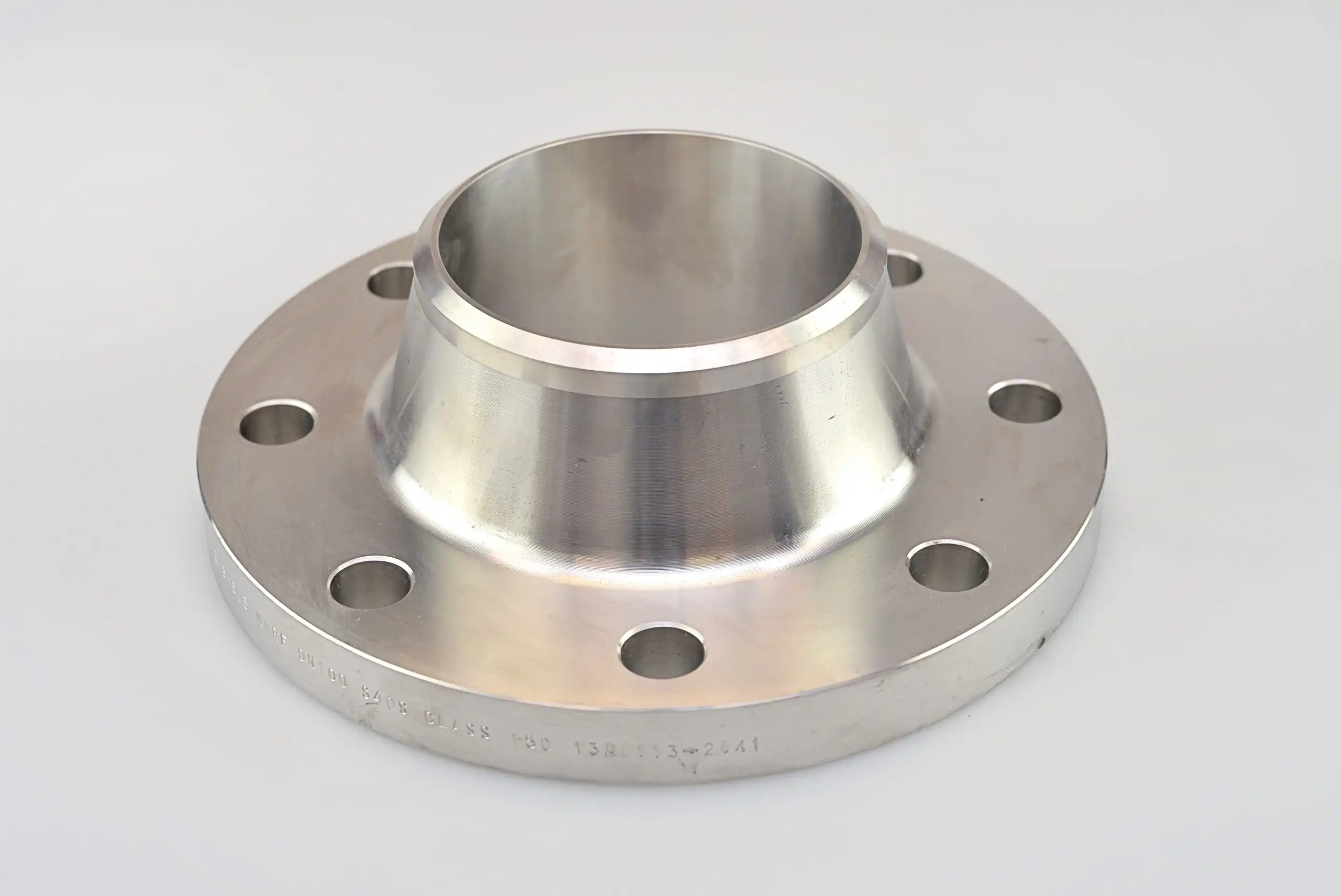
Forged steel flanges are the best way to join piping systems since they are the most reliable for important industrial uses. These parts are made with great care and go through a lot of forming processes that improve their molecular structure. This gives them mechanical qualities that are far better than those of cast parts. The forging process gets rid of internal cavities and makes a continuous grain flow pattern. This makes these flanges perfect for high-pressure situations where safety and performance can't be sacrificed.
What are forged steel flanges, and how can they help businesses?
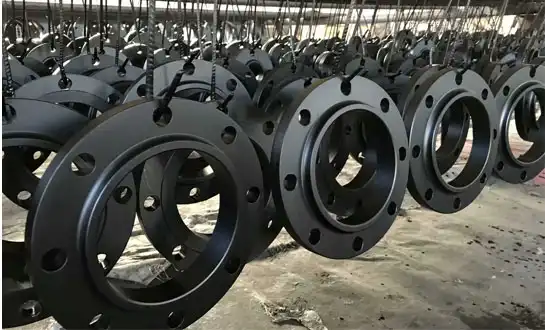
Forged steel flanges are made by shaping hot steel billets under very high pressure using specific dies and hammers in a controlled way. This way of making things makes parts that are very strong, can withstand impacts, and last a long time. The flanges that come out of this process have a consistent density throughout their structure, which gets rid of weak areas that could cause catastrophic failures in demanding applications. Because of these traits, forged steel flanges are the best choice for pressure vessels, pipeline connections, and important process equipment in Turkmenistan's growing industrial sector.
Different kinds of forged steel flanges that are often used in business
There are many different types of flanges available on the industrial market to satisfy different application needs. The tapered hub shape of welding neck flanges gives them the best strength for high-pressure systems. Slip-on flanges, on the other hand, make it easy to install in moderate-pressure systems. Blind flanges are great for sealing off the ends of pipelines and closing off vessels. For small-bore piping systems, socket weld flanges work well. For more complicated pipe arrangements, lap joint flanges let you adjust the alignment. Different grades of materials are available for each type, such as carbon steel, alloy steel, and stainless steel. This lets engineers choose the best solutions for their individual needs.
Standards and processes for making things
Industry-forged steel flanges are made according to strict rules to make sure that the quality is always the same and that they meet international requirements. Before going through the forging process, raw materials are put through a full chemical examination to make sure they are the right mix. To get the right mechanical qualities, heat treatment processes are closely monitored. To keep dimensional accuracy, precision machining techniques are used. Quality assurance techniques include non-destructive testing methods like ultrasonic inspection and magnetic particle examination to find any possible flaws. Following ANSI, DIN, and JIS standards makes sure that the product may be used all around the world and works well with other systems.
Comparison and Decision-Making: Choosing the Right Forged Steel Flange
When choosing the right flanges, you need to think about a lot of things, such as the material's qualities, pressure ratings, and how well they will work over time. Procurement managers may make smart choices that get the best initial costs and long-term value by knowing the pros and cons of different types of flanges. When getting parts for Turkmenistan's industrial projects, the decision-making process is especially important because the reliability of the parts directly affects the success and safety of the project.
Forged Steel Flanges vs. Cast Flanges and Other Types
Forged steel flanges outperform cast versions across numerous metrics. The forging process gets rid of the porosity and impurities that are sometimes seen in cast items. This makes them more resistant to pressure and last longer. Even though cast flanges may be cheaper to buy at first, they are more likely to break under stress and wear out faster, which can lead to higher maintenance costs and more downtime. Forged flanges have a constant grain structure that gives them the same mechanical qualities throughout the part. This makes sure that they work reliably in different situations.
Flanges made of forged steel, forged stainless steel, and carbon steel
Choosing the right material has a big effect on how well a flange works and how much it costs in some cases. Carbon steel forged flanges are great for general industrial application, especially in places where there is no corrosion. They have a great strength-to-cost ratio. Stainless steel versions are better at resisting corrosion, which is important for chemical processing and marine applications, but they cost more to start with. Alloy steel flanges combine these features by making them more resistant to heat and improving their mechanical capabilities for certain uses. Knowing how various materials are different helps you choose the best one for your needs and your budget.
Selection Criteria and Pressure Ratings for Industrial Use
The maximum operating pressures for different flange designs are set by pressure class ratings that range from Class 150 to Class 2500. To choose the right rating, you need to carefully look at how the system works, such as the pressure, temperature, and fluid properties. Flanges that are rated too low can fail in a big way, while flanges that are rated too high add weight and cost without any good reason. Thermal expansion, pressure surges, and safety considerations must also be taken into account throughout the selection process to make sure that the products will work well for a long time in Turkmenistan's industrial settings.
Procurement Insights for Turkmenistan Market
To buy forged steel flanges for Turkmenistan successfully, you need to know how the market works, what suppliers can do, and what logistical issues are specific to the area. When buying something, you have to look at more than just the initial price. You also have to think about things like quality consistency, delivery reliability, and technical support capabilities. Good supplier partnerships can lower project risks a lot and make sure you have access to high-quality parts that meet strict performance standards.
Cost Comparison and Pricing Trends for Forged Steel Flanges
Chinese manufacturers keep their prices low by using economies of scale, efficient production methods, and smart procurement of raw materials. Prices for typical setups are constant right now, but customized goods cost more since they need more engineering and production work. Bulk buying can lower the cost of each item by 15% to 25%, which makes volume commitments appealing for big projects. Steel prices and transportation costs change all the time, which affects the ultimate price. This shows how important it is to have long-term partnerships with suppliers and flexible buying strategies.
Delivery, lead times, and the reliability of suppliers
Standard production lead times for industry forged steel flanges typically range from 4 to 8 weeks, depending on the complexity of the order and the level of customization needed. Reliable suppliers maintain sufficient stock for standard items and can expedite production for urgent requirements. Shipping to Turkmenistan necessitates careful planning to ensure proper documentation, customs clearance, and logistics. Established suppliers are well-versed in navigating these challenges, ensuring timely deliveries and compliance with local import regulations.
How to Find and Check Out Trustworthy Chinese Forged Steel Flange Suppliers?
To find reliable suppliers, you need to carefully look at their manufacturing capabilities, quality processes, and history. ISO 9001 certification, API clearances, and meeting international quality standards are all important signs of reliability. Factory audits give you useful information about how things are made, how quality is checked, and how well the factory can do its job. Customer references and case studies show that the product works well in similar situations. Professional commitment to client success is shown by quick technical help and a readiness to give extensive documentation.
RAYOUNG: Your Trusted Partner for Industry Forged Steel Flanges
RAYOUNG is a top maker of high-quality forged steel flanges. They provide industrial clients all over the world with complete solutions for tough jobs. Our cutting-edge manufacturing facilities use advanced forging technology and strict quality control methods to make parts that are better than what the industry requires. We make ANSI/DIN/JIS standard flanges with RF/FF/RTJ facings that are specifically designed for high-pressure situations where dependability is the most important thing.
About Our Company and What We Know About Manufacturing
Our manufacturing history includes decades of experience making steel forgings and pipe fittings. RAYOUNG's factories have state-of-the-art CNC machining centers that make precise sealing surfaces that guarantee the best contact between gaskets and no leaks. Our quality management system keeps track of all goods' MTCs, including where the materials came from, how they were made, and the results of inspections. This complete set of documents helps customers meet their compliance needs and gives them confidence in the quality of the products all the way through the supply chain.
Highlights of the Product Range and Service
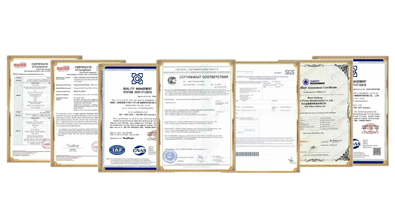
RAYOUNG offers a wide range of products that include all the main types of flanges, such as welding neck, slip-on, blind, lap joint, and socket weld industry forged steel flanges. We can hot-dip galvanize items to enhance their resistance to corrosion in challenging environments. Our certifications, including GOST-R and SGS, ensure that our products meet international quality standards and are suitable for export. Our ISO 9001:2015 certification demonstrates our commitment to continuous improvement and customer satisfaction. We provide more than just exceptional production capabilities; we also offer comprehensive technical support, tailored engineering solutions, and flexible delivery options to accommodate the needs of any project.
Conclusion
The Turkmenistan industrial market presents significant opportunities for partnerships with reliable Chinese flange manufacturers who can deliver quality products while meeting stringent performance requirements. Industry forged steel flanges continue to play critical roles in ensuring safe and efficient operations across energy, petrochemical, and infrastructure sectors. Successful procurement strategies emphasize supplier reliability, technical capability, and long-term partnership potential rather than focusing solely on initial pricing. RAYOUNG's commitment to manufacturing excellence, quality assurance, and customer support positions us as an ideal partner for Turkmenistan's growing industrial needs.
Frequently Asked Questions
Q1: What are the key differences between forged and cast steel flanges?
A: Forged steel flanges offer superior mechanical properties including higher tensile strength, better fatigue resistance, and improved impact tolerance compared to cast flanges. The forging process eliminates internal voids and porosity common in cast products, resulting in more reliable performance under high-pressure conditions and extended service life.
Q2: How do I ensure that a forged flange meets international standards?
A: Verify supplier certifications including ISO 9001, API, and ASTM approvals. Request mill test certificates documenting material composition and mechanical properties. Consider third-party inspection services for critical applications. Review dimensional compliance with applicable standards such as ANSI B16.5 or DIN specifications.
Q3: What factors affect the lead time when ordering forged steel flanges from China?
A: Lead times are influenced by order volume, customization requirements, material availability, and production scheduling. Standard configurations typically require 4-6 weeks, while custom specifications may extend to 8-10 weeks. Shipping method selection and customs clearance procedures also impact overall delivery timelines to Turkmenistan.
Partner with RAYOUNG for Premium Industry Forged Steel Flanges
RAYOUNG invites procurement professionals and engineering teams to discover our comprehensive range of industry forged steel flanges designed for Turkmenistan's demanding industrial applications. Our experienced technical team provides personalized consultation services to optimize product selection and ensure project success. As a leading industry forged steel flanges supplier, we combine manufacturing excellence with responsive customer service to deliver solutions that exceed expectations. Contact us at info@hb-steel.com to discuss your specific requirements and experience the RAYOUNG advantage in quality, reliability, and professional support.
References
1. American Society of Mechanical Engineers. "ASME B16.5: Pipe Flanges and Flanged Fittings NPS 1/2 Through NPS 24 Metric/Inch Standard." ASME International, 2020.
2. Deutsches Institut für Normung. "DIN EN 1092-1: Flanges and Their Joints - Circular Flanges for Pipes, Valves, Fittings and Accessories." DIN Standards, 2018.
3. Japanese Industrial Standards Committee. "JIS B 2220: Steel Pipe Flanges." Japanese Standards Association, 2019.
4. International Organization for Standardization. "ISO 9001:2015: Quality Management Systems - Requirements." ISO Publications, 2015.
5. American Petroleum Institute. "API 6A: Specification for Wellhead and Christmas Tree Equipment." API Standards, 2021.
6. ASTM International. "ASTM A105/A105M: Standard Specification for Carbon Steel Forgings for Piping Applications." ASTM Standards, 2022.