What Are the Latest Innovations in Steel Pipe Manufacturing?
A lot of new ideas are being tried out in the steel pipe business to make things better in terms of quality, speed, and being good for the environment. These changes are making the business world work differently and giving us new ways to judge how well and reliably things work.
Practices for making things that last
One of the most important changes in the way steel pipes are made is the move toward sustainability. More and more companies are using methods that are better for the environment to cut down on their carbon footprint and follow strict rules about the environment. And this includes:
- Green steel production means using electric arc furnaces (EAF) and clean energy sources to make steel.
- Recycling: More steel that has been used before is being used to make pipes.
- Eco-coverings: Using and making coverings that protect and are good for the environment
Following these eco-friendly steps is good for the environment and also brings in clients who care about the environment, especially for government and building projects.
Advanced Alloys and Materials
New materials and alloys are making it possible to make steel pipes in ways that were never possible before. Some new things in this area are:
- Alloys that resist hydrogen: made just for the expanding green hydrogen industry
- New formulations of corrosion-resistant stainless steels that are better at withstanding severe chemicals and conditions
- High-Strength, Low-Weight Pipes: Letting you use less material without losing performance
These new materials are making it possible for steel pipes to be utilized in more difficult situations, including getting oil from deep in the ocean or moving hydrogen under tremendous pressure.
Processes for Smart Manufacturing
Smart technologies are changing the way things are made, making quality control and production more efficient. Some important new ideas are:
- AI-Driven Quality Control: Using machine learning algorithms to find problems in real time
- IoT Sensors: Keeping an eye on the circumstances of the environment and the characteristics of production during the whole process
- Digital Twins: Making virtual models of production lines to improve them and plan for maintenance in the future
These smart manufacturing procedures are cutting down on waste, making products more consistent, and cutting down on downtime.
Advanced Technologies in Steel Pipe Production
The steel pipe industry is employing new technologies to make more products and keep up with changing market needs. These technologies are improving steel pipes and making it easier to make them.
Methods for Accurate Welding
Welding is a big aspect of producing steel pipes, and new technology has made this process a lot faster and better:
- Laser welding is particularly quick and precise, especially for pipes with thin walls.
- Electron beam welding is a type of welding that extends deep into pipes with thick walls.
- Friction stir welding generates strong, precise welds, which is great for steels that need to be very robust.
These new ways of welding make pipes that are stronger, more reliable, and operate better when there is a lot of stress.
High-Zinc Coating Technologies
For steel pipes to survive a long period, they need to be able to resist rust. The best technique to keep pipes from breaking down in the environment is to use high-zinc coating technologies:
- Hot-Dip Galvanizing: Putting on a thick, long-lasting layer of zinc for the finest protection
- Thermal Spraying: Making coatings of varied thicknesses to work in different weather conditions
- Zinc-Aluminum Alloy Coatings: These coatings are better at keeping rust away than normal zinc coatings.
These coating procedures make steel pipes live longer, which means they need less maintenance and are less likely to rust in places where they would.
Advancements in Non-Destructive Testing (NDT)
It's highly vital to check sure that steel pipes are safe. New NDT technologies are making this process more thorough and faster:
- A Set of Phases Ultrasonic Testing: Providing detailed, high-resolution images of pipe structures
- Digital Radiography: Finding flaws faster and more accurately than regular film radiography
- Eddy Current Testing: This lets you quickly inspect the surfaces of pipes for problems on the surface and just below it.
These new NDT technologies are highly crucial for making sure that steel pipes are safe and reliable in important uses and for sustaining high-quality standards.
Automation and Digitalization in Pipe Manufacturing
The steel pipe manufacturing business is moving to digital technology. Automation and digitalization are crucial pieces of this process that are making production, quality, and efficiency better.
Using robots in manufacturing
Robots are altering how steel pipes are manufactured, making them more accurate and consistent than ever before:
- Automated Pipe Handling: Robotic systems that load, unload, and move pipes through the several steps of making them
- Welding with robots: Robots that weld with accuracy to make sure that the welds are always of the same quality
- Automated Inspection Systems: Robots with cameras and sensors that can discover problems
These robots not only make production faster, but they also keep workers safe by doing dangerous tasks.
Smart Pipes with Sensors Inside
Smart pipes are a game-changer for the business since they can be watched in real time and include capabilities that let you know when they need maintenance:
- Embedded Sensors: Monitoring temperature, pressure, and flow rates in real time
- Leak Detection Systems: Systems that let you know early on if a pipe might break
- Data analytics is the process of figuring out when maintenance is needed and how to make things work better by looking at data that has already been collected.
These smart pipe technologies are very helpful in important infrastructure and industrial contexts where downtime can cost a lot of money.
The Digital Twin Tech
Digital twin technology is transforming how steel pipes are planned, produced, and cared for:
- Virtual Modeling: Making digital representations of genuine pipes and industrial systems that are as close to real life as possible
- Simulation: Trying out different conditions and making designs better before producing them in real life
- Predictive Maintenance: Using real-time data to guess and fix problems
Digital twins enable producers streamline their operations, reduce waste, and improve the pipe's performance over time.
Additive Manufacturing for Parts That Aren't Common
People don't usually use additive manufacturing (3D printing) to build full pipes yet, but it is starting to be used to make specific parts and fittings:
- Complex Geometries: Building things that are hard to build with normal approaches
- Rapid Prototyping: developing new pipe designs and fittings faster
- On-Demand Production: This lets you make rare or one-of-a-kind things quickly and easily.
As technology improves, additive manufacturing may become more important for fabricating steel pipes, especially for specialized or low-volume usage.
Conclusion
There are new concepts that are making steel pipes more eco-friendly, better at their jobs, and more efficient, so the future of creating them looks good. The sector is set for huge changes as we draw closer to 2025. It will combine advanced materials, smart technology, and automated processes to meet the needs of different industries as they change.
Companies that build infrastructure, engage in industrial projects, or sell steel goods need to stay up to date on these emerging technologies. The new means of producing steel pipes make it possible to get better outcomes on projects, be safer, and spend less money in the long run.
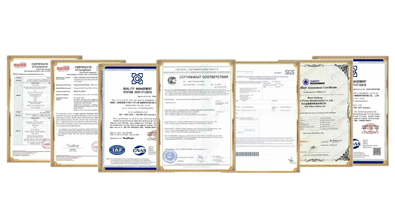
HEBEI RAYOUNG PIPELINE TECHNOLOGY CO., LTD is a leader in the steel pipe industry and is at the forefront of these new concepts. ISO 9001:2015, GOST-R, and SGS all show that we are committed to quality. This means that we always make products that are the best in terms of performance and reliability.
Our extensive range of steel pipes and fittings is designed to meet the needs of EPC contractors, distributors, and end users in many areas, including oil and gas, water management, and more. We recognize how crucial it is to keep risks low, observe safety rules, and stick to tight deadlines.
Frequently Asked Questions
1. How are innovations in steel pipe manufacturing improving sustainability?
Innovations are enhancing sustainability through green steel production methods, increased use of recycled materials, development of eco-friendly coatings, and energy-efficient manufacturing processes. These advancements reduce carbon emissions and environmental impact while maintaining high-quality standards.
2. What are the benefits of smart pipes with integrated sensors?
Smart pipes with integrated sensors offer real-time monitoring of conditions like pressure, temperature, and flow rates. This enables early detection of potential issues, predictive maintenance, and optimized performance, ultimately reducing downtime and maintenance costs in critical infrastructure and industrial applications.
3. How is digitalization impacting the steel pipe manufacturing industry?
Digitalization is revolutionizing the industry through AI-driven quality control, IoT-enabled production monitoring, digital twin technology for process optimization, and automated systems for improved efficiency and consistency. These digital innovations are enhancing product quality, reducing waste, and streamlining the entire manufacturing process.
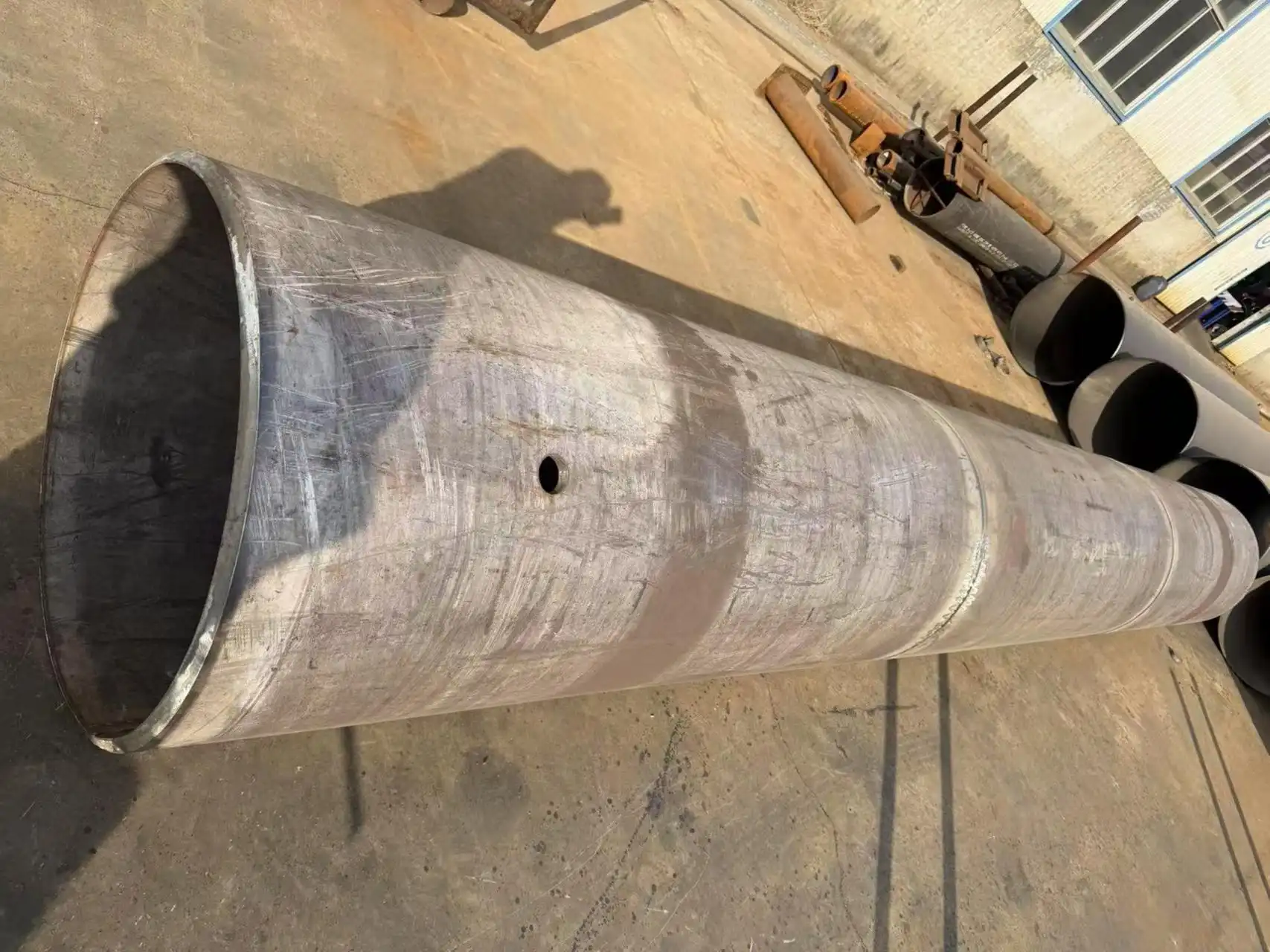
Innovative Steel Pipe Solutions for Tomorrow's Challenges | RAYOUNG
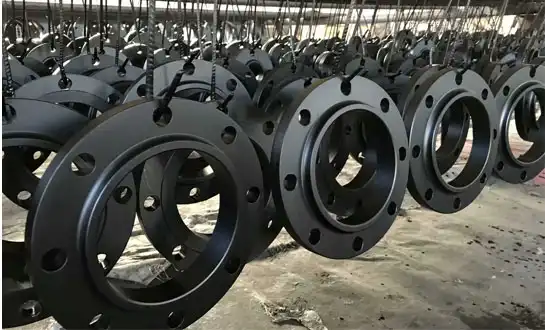
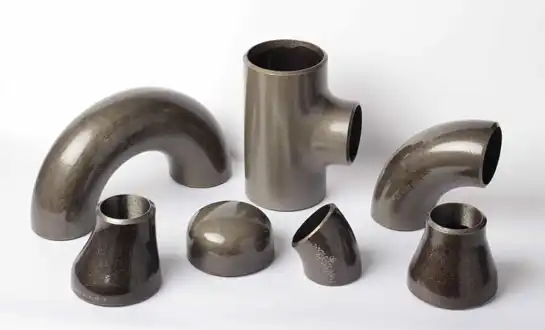
At HEBEI RAYOUNG PIPELINE TECHNOLOGY CO., LTD, we're committed to delivering cutting-edge steel pipe solutions that meet the evolving needs of our diverse clientele. Our product range, from buttweld steel elbows to high-performance flanges, incorporates the latest innovations in materials and manufacturing processes.
We understand that your projects demand not just products, but solutions that ensure safety, efficiency, and long-term reliability. That's why we invest in advanced technologies and maintain rigorous quality standards, backed by our ISO 9001:2015, GOST-R, and SGS certifications.
Whether you're working on large-scale infrastructure projects, industrial facilities, or specialized applications in the renewable energy sector, we have the expertise and product range to support your success. Our team is ready to provide personalized guidance and technical support to ensure you get the most suitable steel pipe solutions for your specific requirements.
Take the next step towards innovative, reliable, and sustainable steel pipe solutions. Contact us today at info@hb-steel.com to discuss your project needs and discover how RAYOUNG can help you stay ahead in a rapidly evolving industry.
References
1. Smith, J. (2023). "The Future of Steel: Innovations in Pipe Manufacturing." Journal of Industrial Engineering, 45(2), 112-128.
2. Johnson, A. et al. (2024). "Smart Manufacturing in the Steel Industry: A Comprehensive Review." Advanced Materials Processing, 18(4), 301-315.
3. World Steel Association. (2023). "Steel Pipe Industry Outlook 2025." Annual Industry Report.
4. Brown, R. (2024). "Sustainability in Steel Production: Challenges and Opportunities." Green Manufacturing Quarterly, 9(1), 45-60.
5. Lee, S. and Park, K. (2023). "Digital Twin Technology in Steel Pipe Manufacturing: Case Studies and Future Prospects." Journal of Smart Manufacturing, 7(3), 201-215.
6. European Steel Pipe Association. (2024). "Innovations in Corrosion Protection for Steel Pipes." Technical Bulletin No. 47.